




The tragic death of an infant in Monterey County, California, has expanded into a complex multi-jurisdictional investigation involving allegations of statutory rape, incest, child endangerment, and potential vehicular homicide. Law enforcement officials investigating the case, widely referred to as the "Baby Angelita" case, announced during a joint press conference that investigators believe a 14-year-old girl—an alleged victim of incest—may have accidentally or intentionally run over her newborn baby with a vehicle in August 2026.
The disturbing timeline of events has shocked local and federal authorities alike, drawing intense scrutiny to issues surrounding vulnerable agricultural labor forces, child welfare oversight, and cross-border law enforcement cooperation between the United States and Mexico.
Chronology of Events: From the Strawberry Fields to Mexico
According to county and federal law enforcement agencies, the sequence of events began unfolding in mid-2026 within the agricultural sectors of central California.
August 2026: Investigators believe the 14-year-old girl, who was employed as an agricultural laborer working alongside adults, went into labor while working. Officials state that she delivered the infant—subsequently named "Baby Angelita"—directly in a California strawberry field adjacent to a roadside.

Physical evidence recovered from the scene suggests the newborn was placed or moved beneath a vehicle. Detective Richard Geng of the Monterey County Sheriff’s Department noted during the press briefing that a significant bloodstain was discovered several feet away from the infant’s final resting place. This evidence led forensic investigators to theorize that Baby Angelita was born elsewhere in the immediate vicinity before being repositioned under a sedan connected to the teenager’s family. Evidence gathered at the scene strongly indicates that the infant was struck by the vehicle, resulting in fatal trauma.
Late August to September 2026: Following the incident, local authorities launched an inquiry. The 14-year-old mother was initially questioned by law enforcement and subsequently transferred to a medical facility for evaluation and treatment. However, before social services or law enforcement could secure long-term protective custody or complete initial interviews, the teenager’s father, identified as Sergio Galvez Perez, intervened. Authorities report that Perez checked his daughter out of the hospital and promptly transported her across the international border into Mexico to evade local jurisdiction.
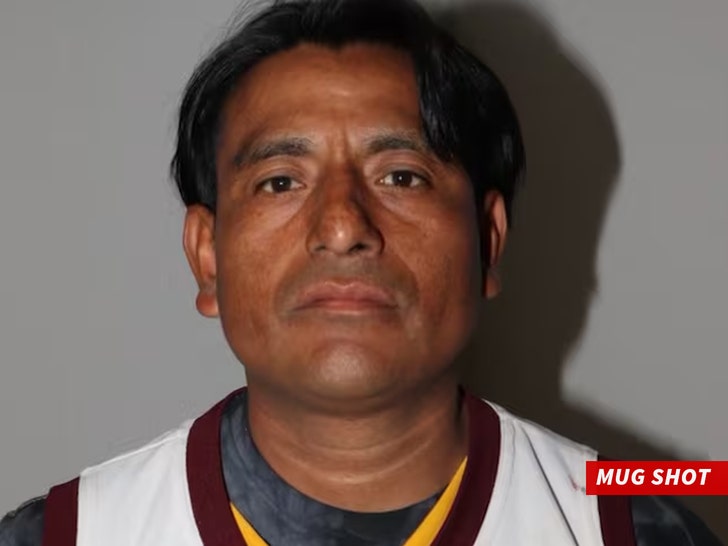
Early October 2026: Following an intensive manhunt and cross-border cooperation between U.S. federal authorities and Mexican law enforcement, Sergio Galvez Perez was located and arrested in Mexico. U.S. authorities immediately initiated formal extradition proceedings to return Perez to California to face outstanding charges. Concurrently, law enforcement arrested the teenager’s mother, Ofelia Garcia Ortega, on related charges.
Arrests and Legal Status of the Parents
The legal fallout from the investigation has directly targeted both parents, though neither has been formally charged with the direct homicide of Baby Angelita as of mid-October 2026.
Sergio Galvez Perez faces severe allegations connected to the underlying circumstances of the pregnancy. Investigators have asserted that Perez is the biological father of the child, rendering the pregnancy the result of incest involving a minor. By removing his daughter from a domestic hospital and fleeing the country, Perez compounded his legal jeopardy, leading to his international apprehension. Extradition paperwork is currently being processed to transfer him back to Monterey County for arraignment.

Ofelia Garcia Ortega, the 14-year-old’s mother, was taken into custody by local law enforcement on multiple counts. State prosecutors charged Ortega with suspicion of displaying or possessing a forged identification card—a frequent indicator of undocumented labor exploitation—along with permitting a child to suffer or be endangered, and contributing to the delinquency of a minor. Despite her arrest, investigators have stated that neither Ortega nor Perez has been directly implicated in the physical act that caused Baby Angelita’s death.
Questions remain regarding whether the 14-year-old mother will face criminal charges. Legal experts note that prosecutors face immense discretion and ethical hurdles when evaluating culpability in cases involving juveniles who are simultaneously victims of severe abuse, exploitation, and extreme psychological duress.
Supporting Data and Context: Vulnerabilities in Agricultural Labor
The "Baby Angelita" case has thrust the socio-economic realities of migrant agricultural communities in central California into the national spotlight. Monterey County, renowned for its vast agricultural yield and seasonal crop production, relies heavily on a transient and immigrant workforce.
Labor rights advocates and child welfare agencies point out that underage labor exploitation remains a persistent, underreported issue in isolated agricultural regions. Children from impoverished backgrounds are occasionally integrated into the workforce using fraudulent identification documents—a detail underscored by the forgery charges filed against Ofelia Garcia Ortega.
Public health data indicates that pregnant minors, particularly those isolated within insular family units or transient labor camps, face immense barriers to accessing reproductive healthcare, confidential counseling, and social safety nets. The fact that the 14-year-old allegedly managed to conceal her pregnancy entirely from her mother—while working rigorous manual labor in the fields—highlights profound systemic gaps in community-level child protection and educational outreach.
Official Responses and Ongoing Investigation
Law enforcement agencies, including the Monterey County Sheriff’s Department and federal partners, have emphasized that the investigation remains active and fluid. Forensics teams continue to analyze physical evidence collected from the strawberry field, including tire impression casts, biological samples, and vehicle telemetry associated with the sedan in question.
Child protective services have stepped in to evaluate the welfare of other potential minors within the household, though specific details regarding family custody have been sealed to protect juvenile privacy.
Elected officials and community advocacy groups in Monterey County have expressed profound sorrow over the death of Baby Angelita, while calling for expanded resources to protect vulnerable minors from abuse, human trafficking, and illegal labor practices.
Broader Implications of the Case
The implications of the Baby Angelita case extend far beyond the courtroom in Monterey County. The incident serves as a grim intersection of multiple systemic failures: the systemic abuse of minors within family structures, the vulnerabilities inherent in unregulated or under-regulated agricultural workplaces, and the legal complexities of international flight and extradition.
As the legal proceedings unfold—pending the extradition of Sergio Galvez Perez and ongoing prosecutorial reviews regarding the mother and daughter—legal analysts anticipate intense debates regarding how the justice system balances accountability with the protection of a traumatized minor. For now, federal and local authorities continue to piece together the final moments of an infant whose brief existence ended in tragedy on the edge of a California field.