


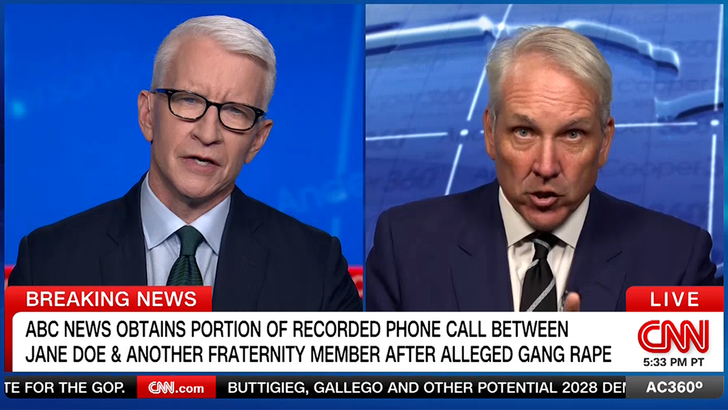
The legal battle surrounding a high-profile sexual assault allegation at Cornell University intensified dramatically this week, as the attorney representing the student plaintiff launched severe accusations against members of the university’s Chi Phi fraternity. Thomas Giuffra, counsel for the woman identified in court documents only as Jane Doe, asserted during a televised interview that fraternity leadership orchestrated a calculated, multi-tiered cover-up operation to shield the alleged perpetrators and protect the organization’s institutional reputation following an alleged 2024 gang rape.
The explosive claims add another layer of complexity to a case that has already drawn intense national scrutiny, prompting legal battles involving civil rights violations, institutional liability, and renewed criminal investigations by state-level authorities. As both university administrators and Greek life organizations face mounting pressure over accountability and student safety protocols, the latest revelations underscore the immense challenges victims face when confronting entrenched collegiate organizations.
Allegations of a Coordinated Cover-Up
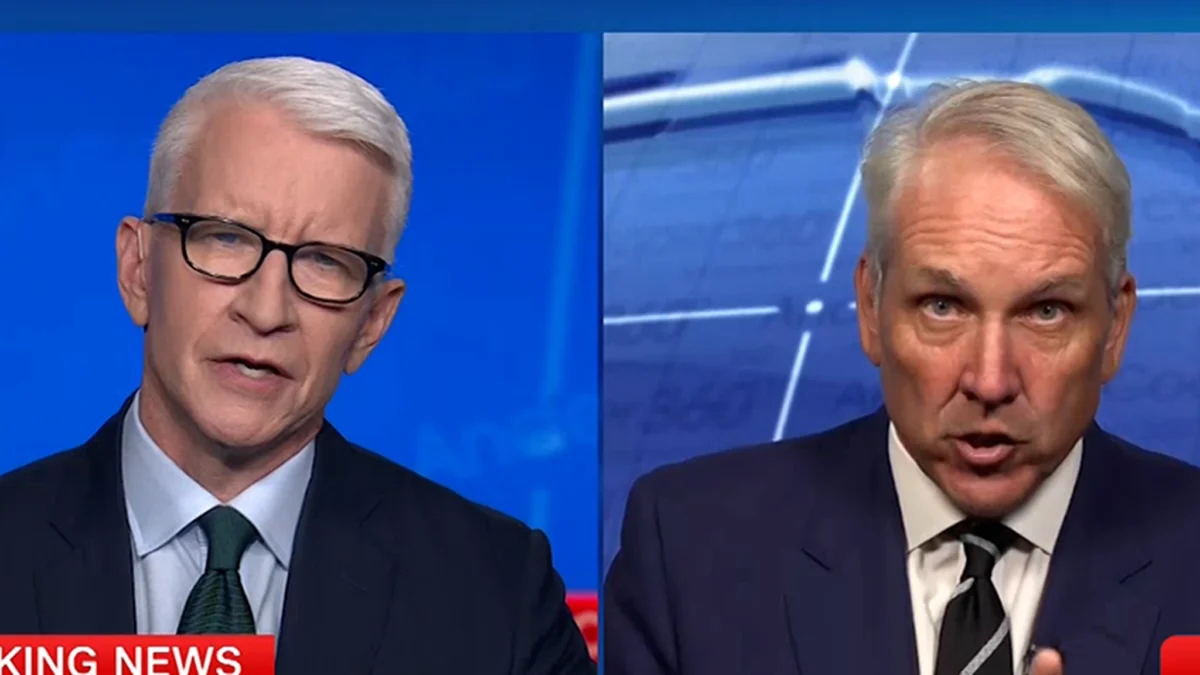
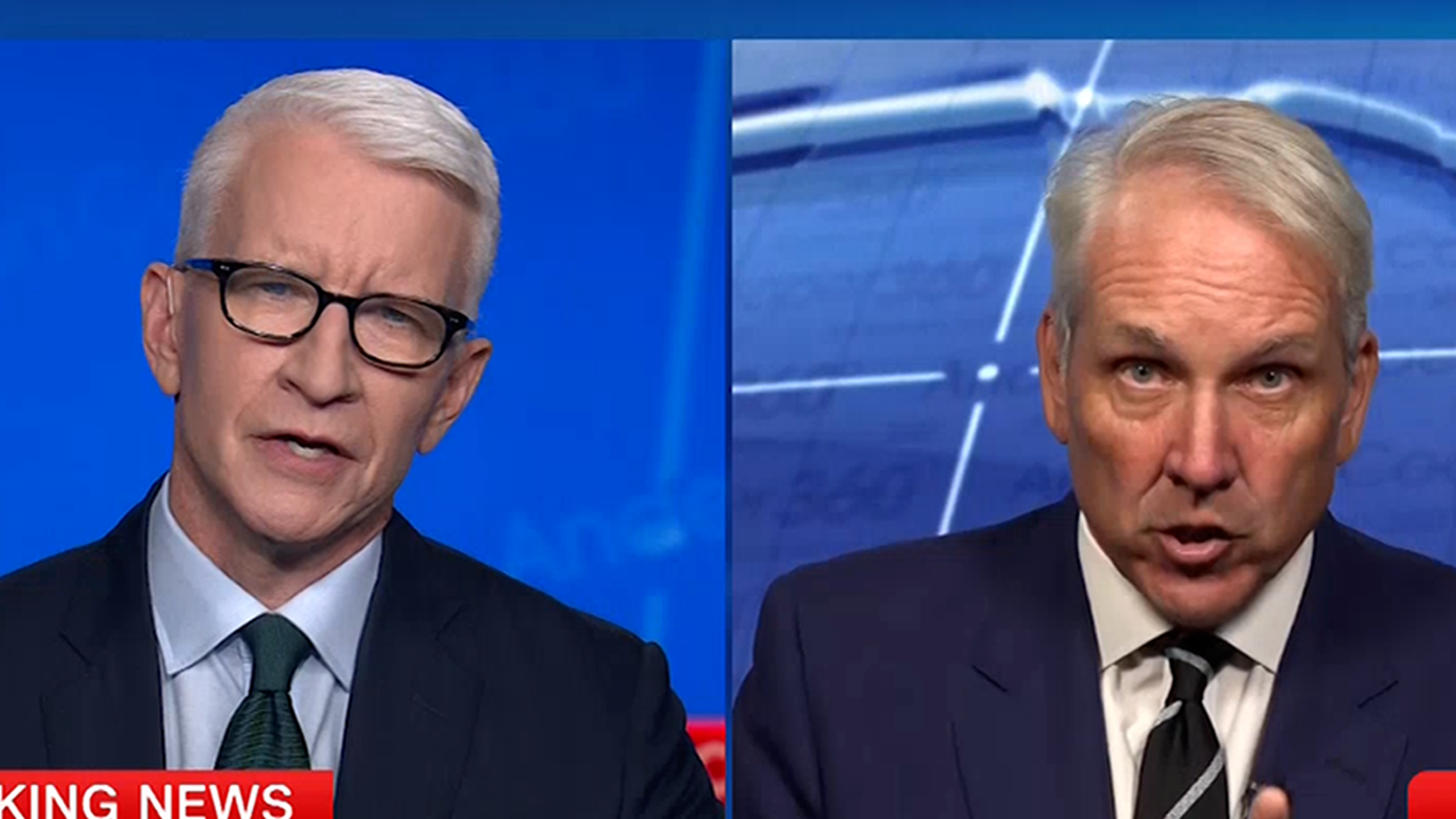
Appearing on CNN with Anderson Cooper, Giuffra detailed what he described as deliberate, clandestine efforts by members of the Cornell Chi Phi chapter to suppress information regarding the alleged assault. According to the plaintiff’s attorney, the fraternity convened a series of internal meetings shortly after the incident occurred in 2024. The primary objective of these gatherings, Giuffra claims, was to assess potential institutional vulnerability, determine whether the victim was actively collecting evidence or gathering information, and align the members’ narratives to deflect culpability.
Giuffra stated that when the fraternity members ultimately recognized that the survivor was steadfast in her account and unwilling to accept their version of events, they incrementally backed off their direct pressure tactics while maintaining a wall of silence. Crucially, the attorney pointed to widespread digital communication within the chapter, revealing that approximately 57 individuals received messages detailing aspects of the incident through a dedicated group chat.
Despite this broad internal awareness, Giuffra emphasized that virtually none of the recipients took steps to report the alleged criminal conduct to law enforcement or campus security. The sole exception, he noted, was the individual who ultimately leaked information to the victim, bridging the gap between internal fraternity secrecy and external accountability. Giuffra argued that the collective inaction of the group chat participants demonstrated a systemic institutional priority: safeguarding the fraternity’s social standing and protecting the accused men at all costs, rather than pursuing truth or justice.
Background of the Lawsuit and Initial Incident
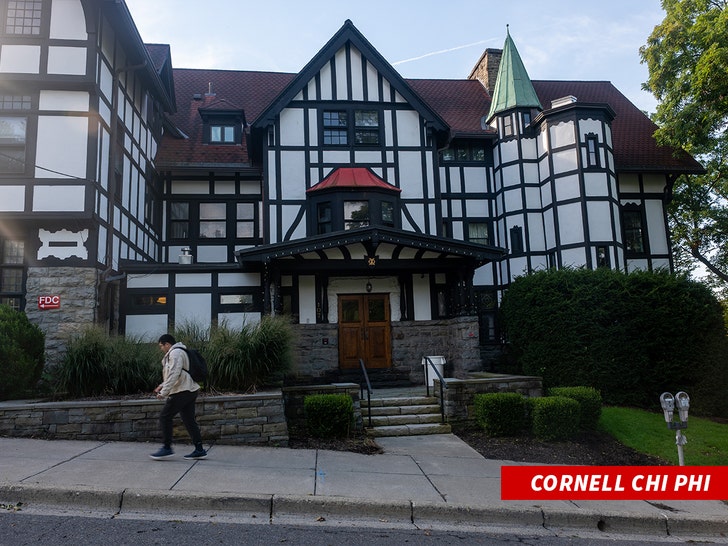
The public accusations stem from a civil lawsuit filed in September 2026. In the legal filing, Jane Doe accuses seven former Cornell University Chi Phi members of drugging and subsequently gang raping her during an event in 2024. Furthermore, the lawsuit names Cornell University as a defendant, alleging that the Ivy League institution failed in its legal and administrative duty to provide a safe campus environment, enforce anti-violence policies adequately, and protect students from predatory behavior within recognized Greek organizations.
The initial aftermath of the alleged assault highlighted significant friction between survivors, university reporting channels, and local law enforcement. Early in the investigative process, the local District Attorney’s Office initially declined to pursue criminal charges against the accused individuals. Prosecutors at the time cited statements made by the victim regarding her voluntary consumption of drugs and alcohol prior to the incident—a common evidentiary hurdle that critics and legal advocates argue frequently deters survivors from coming forward and prejudices preliminary prosecutorial evaluations.
A Reopened Investigation and State-Level Oversight
The landscape of the case shifted significantly following the public filing of the civil suit and the subsequent media attention. Facing intense public pressure, advocacy group mobilization, and scrutiny over how local authorities handled the initial review, the District Attorney’s Office officially reopened the criminal investigation into the 2024 allegations.
In a further escalation reflecting the gravity of the institutional and legal questions involved, New York Attorney General Letitia James was officially assigned to oversee the ongoing investigation. The involvement of the state’s top prosecutor introduces a higher level of independent oversight, moving the inquiry beyond the immediate jurisdiction of local authorities who had previously opted against prosecution. The Attorney General’s office is tasked with examining both the underlying criminal allegations against the former fraternity members and the broader systemic responses—or lack thereof—by university officials.
Broader Implications for Greek Life and Campus Safety
The Cornell Chi Phi case has reignited a nationwide debate regarding the culture of fraternities, accountability standards at elite universities, and the efficacy of Title IX and campus disciplinary procedures. Critics of traditional Greek life systems argue that insular organizational cultures frequently foster environments where peer pressure, loyalty to the fraternity, and reputational preservation supersede individual morality and the rule of law.
Legal analysts observing the Cornell litigation note that the inclusion of the university as a co-defendant could set a vital legal precedent regarding institutional liability. If the plaintiff successfully demonstrates that Cornell administrators were aware of persistent safety deficiencies within the chapter or failed to enforce existing codes of conduct, universities nationwide may face heightened financial and legal pressures to aggressively monitor, suspend, or abolish unrecognized and recognized Greek organizations that fail to meet rigorous safety benchmarks.
As the state-level investigation proceeds under the direction of Attorney General Letitia James and the civil litigation moves through the court system, both the academic community and the public await further developments. The case serves as a stark reminder of the long-term legal, emotional, and social repercussions of campus sexual violence, as well as the formidable barriers survivors encounter when seeking justice against well-resourced institutional defendants.