


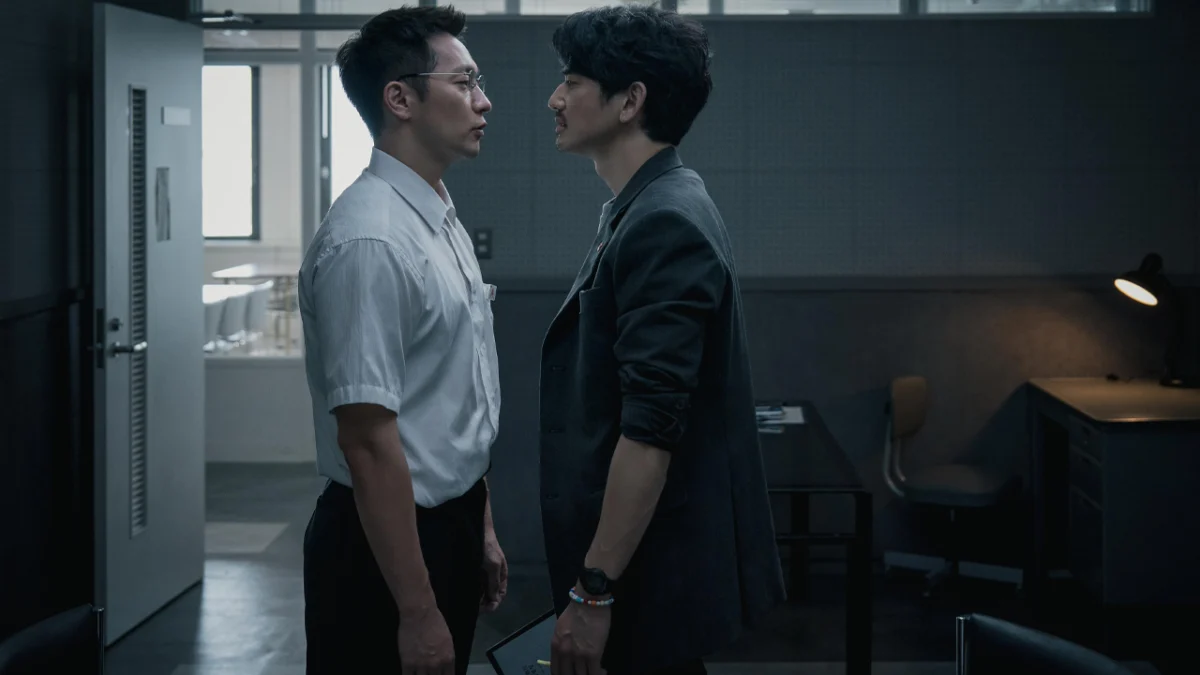
The production represents a high-profile collaboration between the South Korean entertainment industry and Japanese talent, marking a significant milestone in the ongoing trend of cross-border content development within the streaming sector. Directed by the acclaimed Han Jun Hee—known for his work on gritty, character-driven narratives—the series is produced by the South Korean studio Shortcake. Following a successful industry showcase at the 31st Busan International Film Festival, where a three-episode preview generated considerable buzz among critics and regional distributors, the series has been positioned as one of Netflix’s flagship international releases for the fourth quarter of 2026.
The Premise and Narrative Architecture
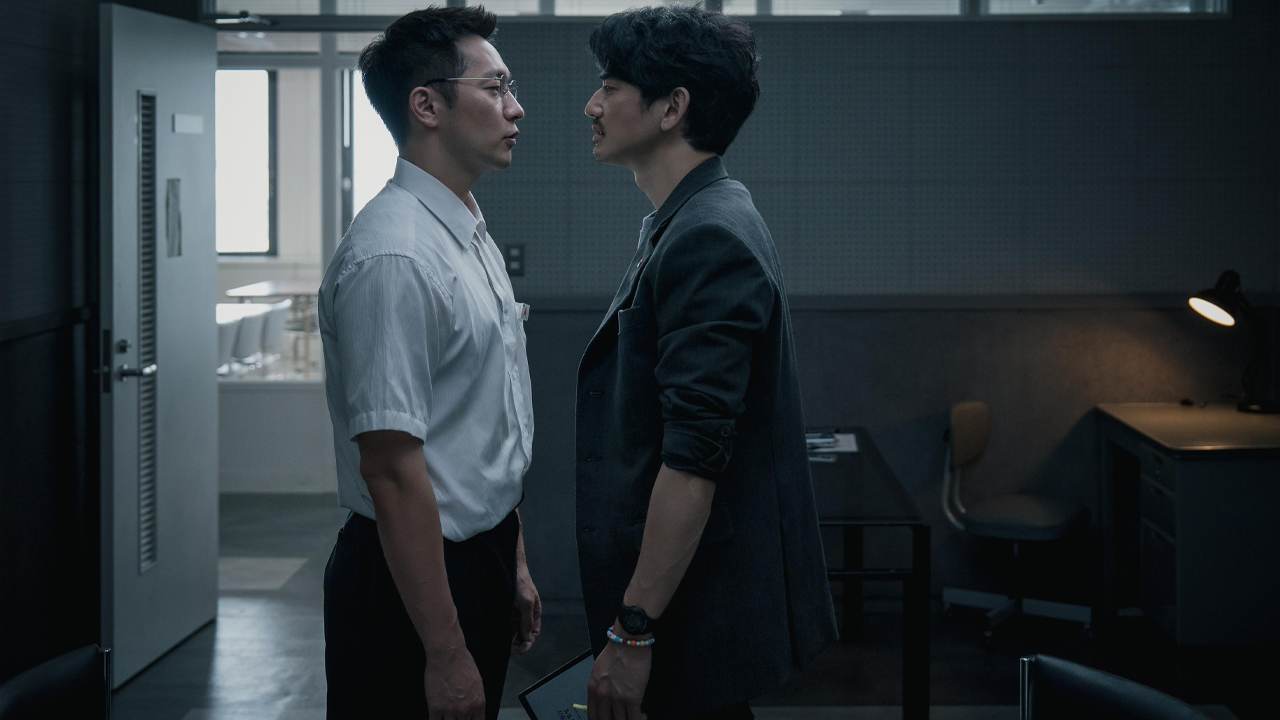
At its core, Blue Road follows two detectives tasked with untangling a series of gruesome murders that transcend national borders. The narrative tension is established in Tokyo, where investigators discover a disfigured body accompanied by a cryptic message written in blood-inked Korean script. This discovery acts as the catalyst for an international investigation. Shortly thereafter, a parallel crime scene is identified in South Korea, this time featuring a dying message inscribed in Japanese.
The plot pivots on the realization by law enforcement agencies in both Seoul and Tokyo that they are not dealing with isolated incidents, but rather a sophisticated, transnational serial killer. The series tracks the subsequent joint operation, as investigators are forced to navigate differing judicial protocols, language barriers, and deep-seated cultural complexities to apprehend the perpetrator. The geographical scope of the investigation, moving between the neon-lit urban centers of Japan and the dense metropolitan landscape of South Korea, serves as a backdrop for a psychological exploration of the detectives’ personal and professional lives as they are consumed by the hunt.
Production Timeline and Development
The journey from script to screen for Blue Road has been a meticulous process, characterized by careful planning to ensure the authentic representation of both cultures. Initial development began in early 2025, with pre-production logistics requiring extensive coordination between the Japanese and Korean production teams.
While the original production schedule intended for cameras to begin rolling in June 2025, minor scheduling adjustments—common in international co-productions of this scale—pushed the official commencement of filming to September 2025. The production maintained a rigorous pace for four months, successfully wrapping principal photography in January 2026. The intervening months have been dedicated to intensive post-production work, including complex sound design and the integration of multilingual dialogue, ensuring the series meets the high technical standards expected of a Netflix global original.
Casting and Character Dynamics
The series features a high-caliber cast, headlined by the pairing of Son Suk Ku and Eita Nagayama. This casting choice is widely viewed as a strategic move to leverage the popularity of both actors across their respective domestic markets and the broader Asian demographic.
Son Suk Ku, a powerhouse in the South Korean industry, portrays the lead detective, Kang Chung Do. His involvement follows a string of successful performances in critically acclaimed titles such as A Killer Paradox, D.P., and My Liberation Notes, which have established him as a versatile performer capable of conveying intense, internal conflict.
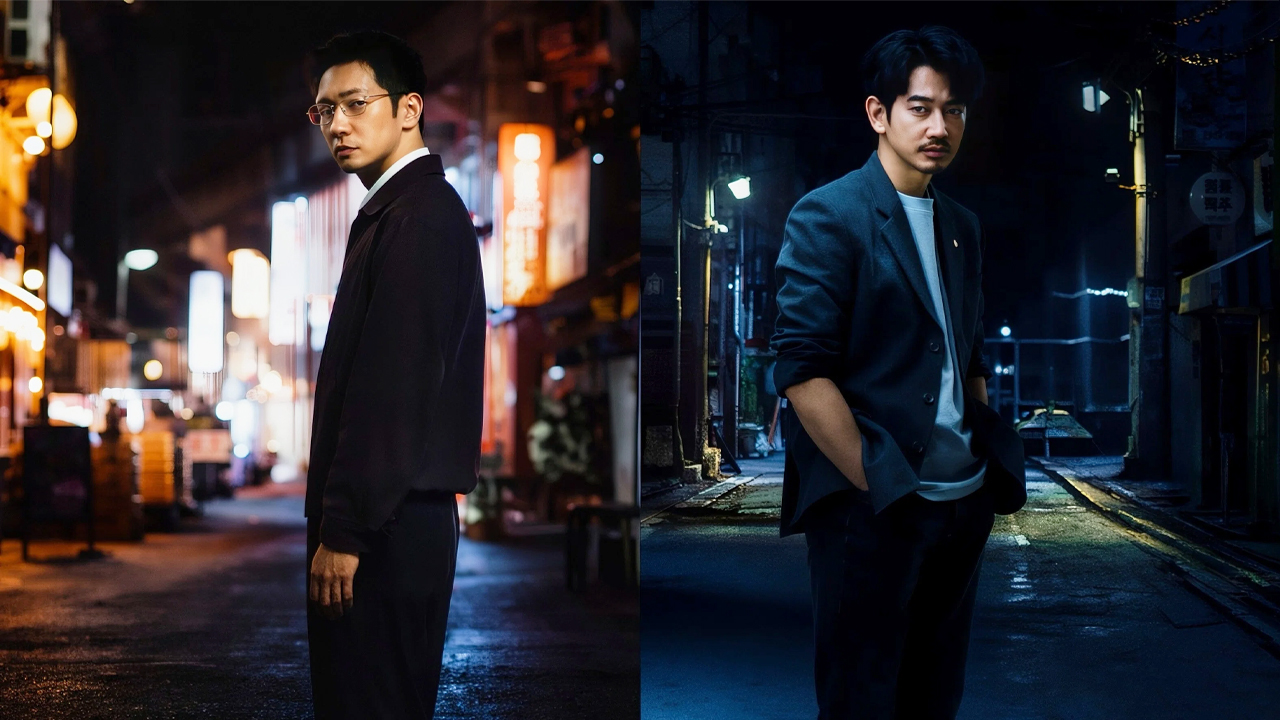
Eita Nagayama, a veteran of Japanese cinema and television, steps into the role of the Japanese investigator, Inose. Nagayama brings a wealth of experience from his previous work on acclaimed dramas like Unnatural and Nodame Cantabile. For Nagayama, this project represents his first leading role in a Netflix Original series, a transition that highlights the shifting landscape of Japanese acting talent moving toward global streaming platforms.
Supporting the leads is a strong ensemble cast, including Kim Shin Rok, whose portfolio includes notable roles in Hellbound and Queen of Tears; Choi Sung Eun, recognized for her performance in The Sound of Magic; and veteran actor Jung Jae Young, who brings decades of experience from his work in projects like Partners for Justice.
Contextualizing the Regional Collaboration
The partnership between South Korean and Japanese creative teams in Blue Road is not an isolated phenomenon but part of a broader shift in the regional media landscape. For years, the two nations have maintained a complex history, yet their creative industries have increasingly found common ground through the medium of television and film. By producing content that addresses shared regional concerns—such as the complexities of modern forensic investigation and the digital-age challenges of policing—Blue Road acts as a bridge between two of the most influential entertainment hubs in the world.
Industry analysts suggest that the success of such collaborations hinges on the ability to blend distinct storytelling styles: the high-intensity, emotionally charged pacing of Korean dramas with the atmospheric, character-centric approach typical of Japanese crime fiction. If Blue Road achieves the viewership metrics anticipated by Netflix, it will likely set a blueprint for future co-productions, encouraging further investment in regional partnerships that can command a global audience.

Market Implications and Distribution Strategy
The decision to premiere the series on November 20, 2026, is strategic. By positioning the release in the latter half of the fourth quarter, Netflix aims to capture the year-end audience surge, utilizing the prestige associated with the Busan International Film Festival to drive initial interest.
The series is positioned to perform well in both local markets and the international sphere. South Korean content has already seen massive global adoption, and when combined with the established fan bases of Japanese actors and the universal appeal of the crime-thriller genre, Blue Road has the potential to become a crossover hit. Furthermore, the inclusion of three episodes at the Busan International Film Festival serves as an effective "proof of concept" for the platform, allowing early reviewers and festival-goers to generate word-of-mouth promotion that will sustain interest leading up to the official launch.
From an economic perspective, the production underscores Netflix’s continued commitment to the APAC (Asia-Pacific) region. By diversifying its content library with high-budget, high-concept original programming from this region, the platform is effectively insulating itself against the volatility of domestic production schedules in the United States and Europe.
Analyzing the Genre Shift
The crime thriller genre has historically been a reliable pillar for streaming platforms due to its high engagement and retention rates. However, Blue Road aims to elevate the standard "cat-and-mouse" trope by introducing a multi-national narrative layer. By forcing the characters to operate in foreign environments, the writers are able to explore themes of isolation, miscommunication, and the necessity of trust in high-stakes environments.

The focus on "dying messages" and "twisted bodies" indicates that the show will lean into the dark, procedural elements of the genre, likely appealing to the same audience demographic that made shows like Mindhunter or various Nordic Noir series global successes. The technical execution—specifically the reliance on authentic language and local settings—suggests that the creators are prioritizing realism over the stylized, often sanitized versions of crime seen in mainstream television.
Conclusion and Outlook
As the release date of November 20, 2026, approaches, anticipation continues to build. The combination of an experienced director in Han Jun Hee, a star-studded cast, and a premise that effectively utilizes the cultural geography of Korea and Japan makes Blue Road one of the most anticipated titles of the year.
The series is not merely an exercise in entertainment; it is a test case for the efficacy of regional co-productions in an increasingly globalized streaming market. Whether Blue Road manages to deliver on the high expectations set by its festival previews remains to be seen, but the industry is watching closely. With the official confirmation of the release date, the countdown has begun, and the stage is set for a narrative that promises to explore the darkest corners of human behavior across the borders that divide us. As audiences await the premiere, the focus remains on whether this collaboration will redefine the standards for international crime thrillers, potentially opening the door for even more ambitious projects that transcend linguistic and cultural boundaries in the years to come.