



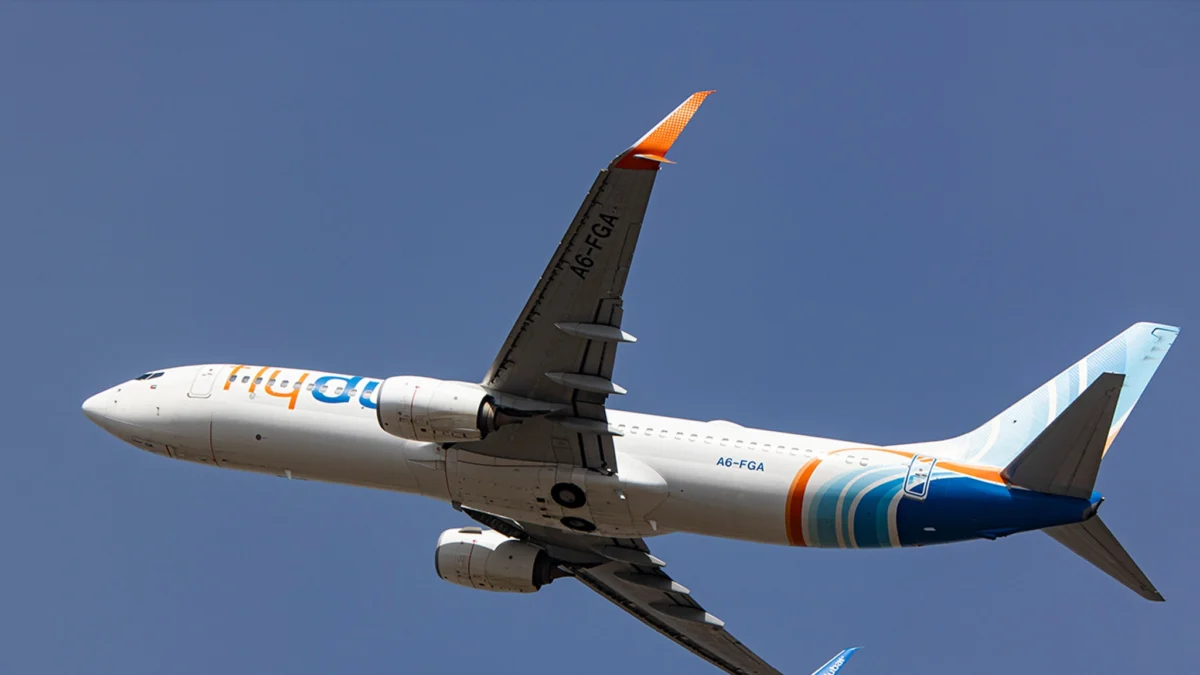
An Israel-bound commercial airliner became the center of an international security incident on Wednesday morning, September 30, 2026, when a violent altercation erupted between the flight deck crew. The midair confrontation aboard the Flydubai jet, which was traveling from Dubai to Tel Aviv, forced an emergency diversion to Saudi Arabia and prompted Israeli authorities to briefly evaluate the event as a potential terror attack and hijacking attempt.
The incident has sent shockwaves through the international aviation community, raising urgent questions regarding cockpit security protocols, crew vetting processes, and the vulnerabilities inherent in commercial flight decks. While investigations remain in their preliminary stages, the episode quickly escalated into a diplomatic and security crisis involving multiple nations in the Middle East.
Chronology of the Incident: From Cruise to Chaos
According to flight data, communications logs, and reports from regional authorities, the sequence of events unfolded in the early hours of Wednesday morning.
At approximately 1:20 AM Eastern Time, the Flydubai commercial aircraft was cruising at altitude over the Middle Eastern airspace corridor on its scheduled route from Dubai International Airport to Ben Gurion Airport in Tel Aviv. Without warning, a physical altercation broke out between the captain and the co-pilot inside the locked cockpit.
What began as a verbal dispute rapidly escalated into physical violence. According to preliminary accounts cited by international news outlets including CNN and Fox News, the co-pilot allegedly produced a sharp instrument, resulting in a stabbing attack against the captain. The severity of the struggle compromised the pilot’s ability to operate the aircraft, causing the captain to physically collapse onto the primary flight controls.
The immediate consequence of the pilot falling onto the controls was a catastrophic, uncommanded loss of altitude. Flight tracking data indicated that the aircraft executed a precipitous vertical drop of 17,400 feet—amounting to roughly 4,000 meters—in a span of less than two minutes. The rapid descent subjected passengers and cabin crew to extreme gravitational forces and sparked immediate panic inside the cabin.
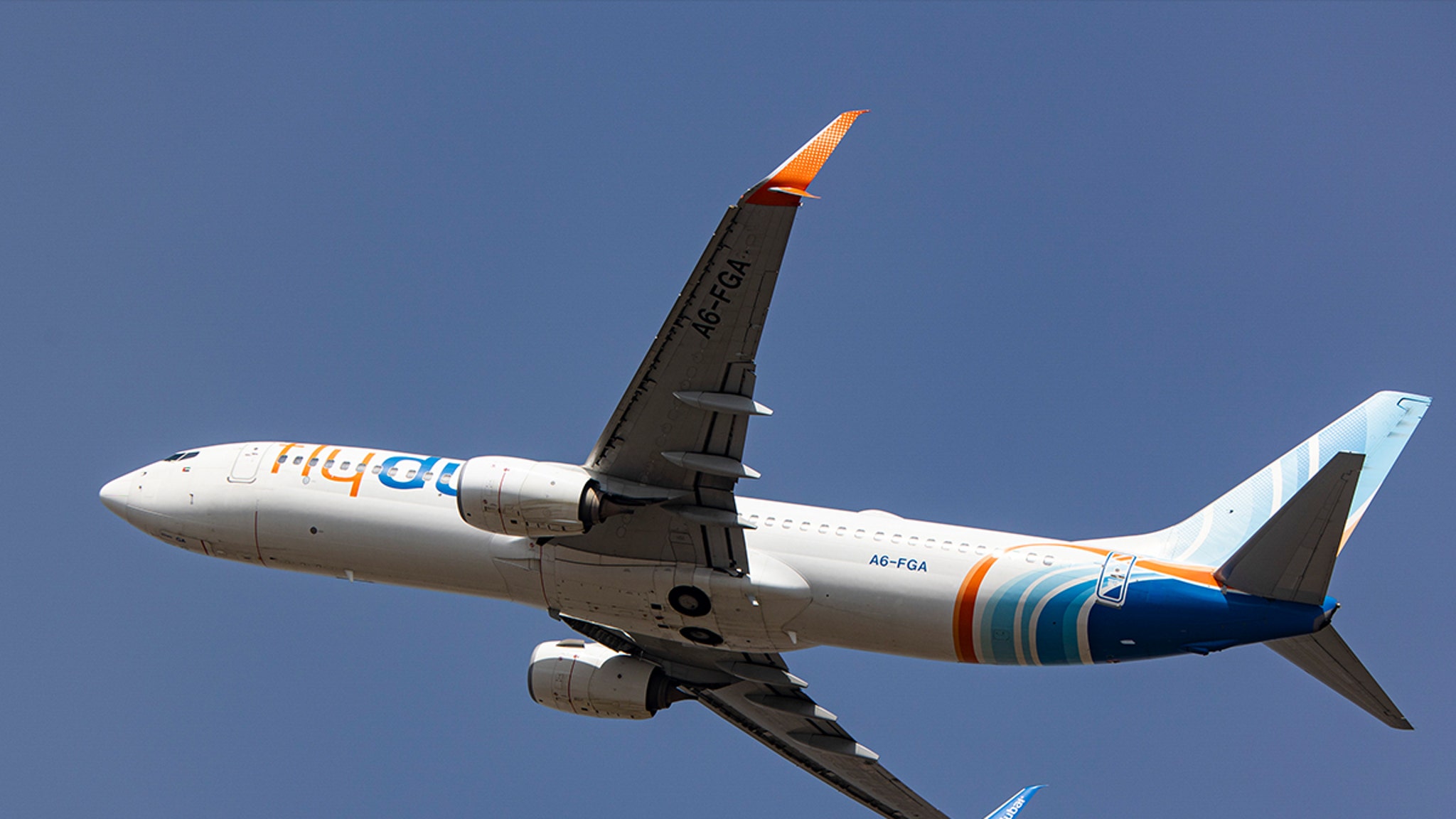
Sensing an emergency of unprecedented proportions, surviving crew members managed to stabilize the aircraft’s trajectory while distress calls were initiated. At 1:44 AM ET, Prince Sultan bin Abdulaziz International Airport in Tabuk, Saudi Arabia, received an urgent distress signal from the cockpit requesting immediate clearance for an emergency landing.
Airport authorities in Tabuk promptly declared a full state of emergency, clearing runways and mobilizing emergency response units. Approximately one hour after the initial distress call, the aircraft touched down safely on the tarmac in Saudi Arabia. Both injured pilots were immediately removed from the aircraft and rushed to a local hospital for emergency medical treatment. Meanwhile, terrified passengers were disembarked and directed to the airport terminal, where they received medical evaluations and psychological support from ground personnel.
Supporting Data and International Involvement
The fallout from the cockpit confrontation immediately drew the attention of defense and intelligence agencies across the region. Because the flight was bound for Israel, Israeli defense forces monitored the unfolding crisis closely, with reports indicating that fighter jets were temporarily scrambled to track the aircraft as it deviated from its flight plan and entered Saudi airspace.
According to reports from CNN, citing confidential briefings from two Israeli officials, one of the pilots involved in the altercation was a national of Oman. Oman is an independent Arab nation that maintains distinct diplomatic boundaries and does not currently share formal diplomatic relations with Israel. The nationality and background of the crew members have become a central focus for investigators attempting to determine whether the altercation was an isolated psychological breakdown, a targeted political act, or a coordinated security breach.
Aviation safety experts have noted that commercial cockpits are meticulously designed as secure, isolated environments intended to prevent unauthorized entry from the passenger cabin. However, the system relies fundamentally on the mutual trust and psychological stability of the two authorized individuals stationed behind the reinforced door. When a hostile act originates from within the flight deck itself, standard security layers—such as reinforced doors and video monitoring systems—are largely circumvented, presenting a uniquely difficult challenge for aviation regulators.
Official Responses and Lack of Comprehensive Statements
As of Wednesday afternoon, official commentary from aviation authorities, airline executives, and government ministries has remained remarkably guarded.
Flydubai released a brief corporate statement acknowledging that one of its operating flights had been diverted to Tabuk, Saudi Arabia, due to an "inflight medical and operational emergency." However, the airline initially refrained from confirming the violent nature of the incident or the alleged use of a weapon inside the cockpit, citing the ongoing active investigation.
Israeli officials speaking anonymously to media outlets have characterized the event as a potential terror attack or hijacking attempt, pointing to the deliberate violence directed at the captain and the geopolitical sensitivities surrounding flights entering Israeli airspace. Conversely, Saudi Arabian authorities have maintained a measured public posture, focusing primarily on the successful emergency response, the triage of the injured crew members, and the safety of the passengers who landed on their soil.
Investigators from civil aviation authorities in the United Arab Emirates, Saudi Arabia, and international bodies such as the International Civil Aviation Organization (ICAO) are expected to collaborate on retrieving the cockpit voice recorder (CVR) and flight data recorder (FDR)—commonly referred to as the "black boxes"—to reconstruct the exact timeline and dialogue that preceded the physical confrontation.
Broader Impact and Implications for Commercial Aviation
The Flydubai incident underscores vulnerabilities that extend far beyond a single airline or regional flight route. For decades, global aviation security has focused heavily on hardening cockpit doors against external threats, particularly in the post-September 11 era. Procedures such as mandatory two-person occupancy rules in cockpits—where a flight attendant must step in if one pilot leaves—were implemented by many international carriers to mitigate the risk of pilot incapacitation or intentional self-harm.
However, incidents involving active conflict between two co-equal crew members inside a locked cockpit are exceedingly rare and statistically anomalous. Aviation psychologists and safety analysts emphasize that commercial aviation relies on rigorous psychological screening, peer-monitoring programs, and mental health support systems to identify warning signs of distress or instability before an individual is cleared to pilot a commercial airliner.
The revelation that the co-pilot allegedly assaulted the captain with a sharp instrument raises urgent regulatory questions regarding security screening protocols for flight crew members. Unlike passengers, pilots and flight crew members typically pass through dedicated, expedited security checkpoints with their flight bags and personal items, operating under the presumption of professional integrity.
Furthermore, the diplomatic sensitivities surrounding the event cannot be understated. The diversion of an Israel-bound commercial flight into Saudi airspace—resulting in a successful emergency landing and cooperation during a crisis—highlights the complex geopolitical dynamics of the Middle East. While diplomatic normalization between Israel and several regional neighbors has advanced in recent years, incidents involving non-aligned nations like Oman and transit hubs like Dubai demonstrate how quickly regional tensions can intersect with commercial aviation safety.
As the investigation progresses, international regulators will face intense pressure to review flight deck security protocols, enhance crew mental health monitoring, and determine whether new preventative measures are required to ensure that the flight deck remains a secure sanctuary rather than a vector for onboard conflict. For the passengers and crew aboard the Wednesday morning flight to Tel Aviv, the terrifying ordeal serves as a stark reminder of the unpredictable perils that can unfold thousands of feet above the earth.