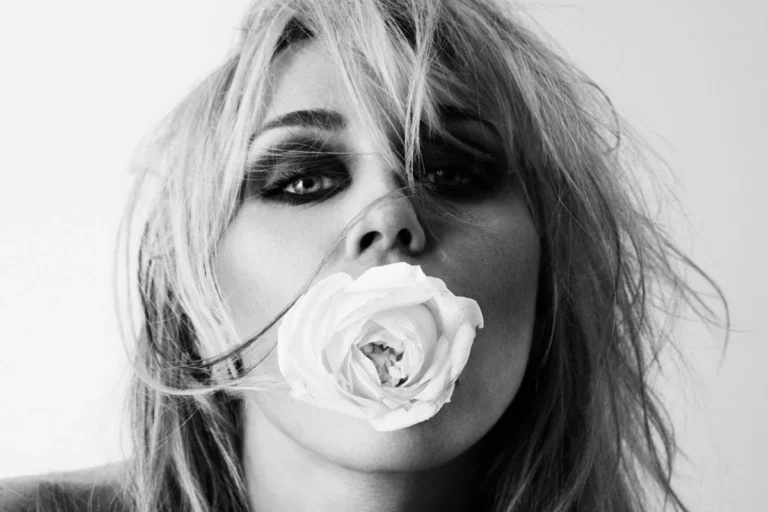
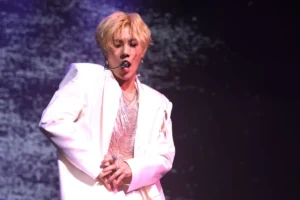


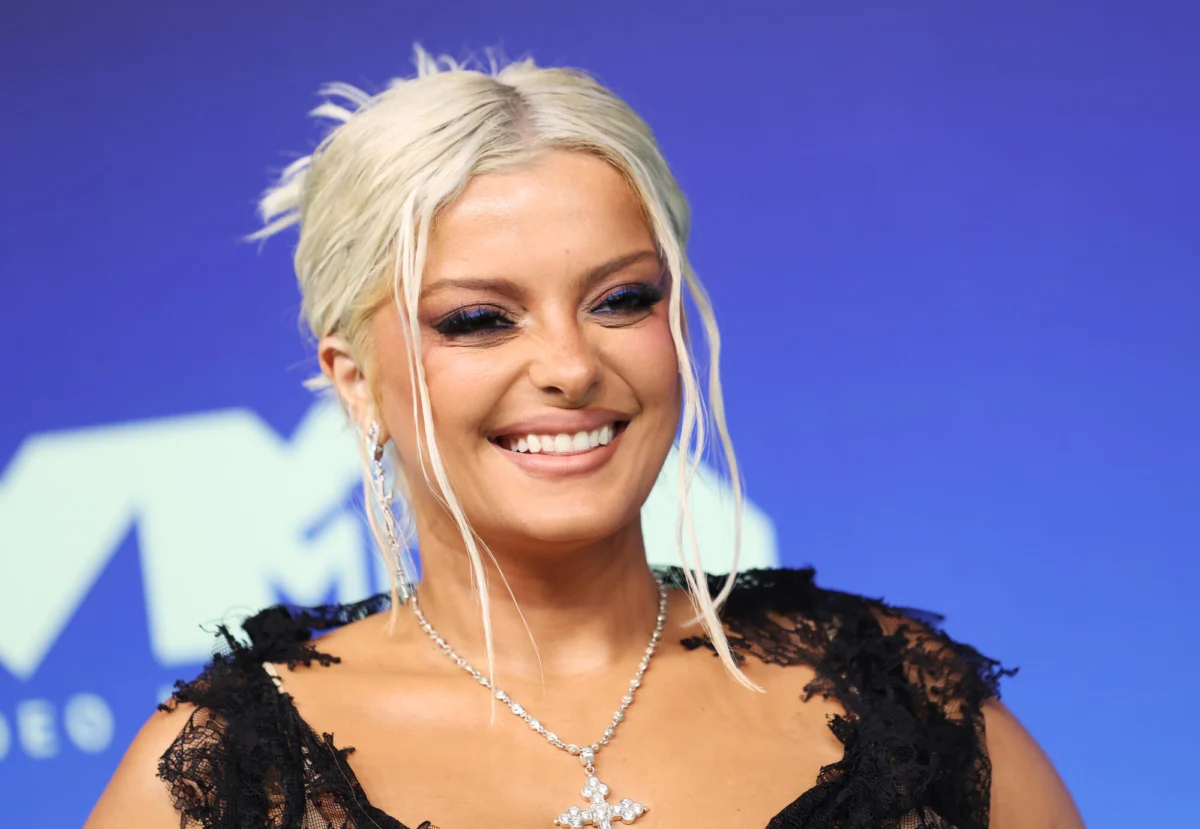
The 2026 MTV Video Music Awards at the Peacock Theater in Los Angeles brought together some of the biggest names in the global music industry, yet amidst the glitz and high-fashion moments of the Sunday, Sept. 27 ceremony, singer-songwriter Bebe Rexha reflected on an enduring act of solidarity from pop superstar Taylor Swift. Speaking candidly with entertainment correspondents on the red carpet, Rexha revisited a challenging period in her career surrounding the 2019 Grammy Awards, highlighting how industry peers responded—and notably, how Swift stepped in when major design houses turned her away.
The incident underscores ongoing conversations within the fashion and entertainment sectors regarding body inclusivity, industry standards, and the silent barriers faced by artists who do not fit traditional runway dimensions. While Rexha’s recent appearance in an all-black Dreaming Eli ensemble highlighted her current standing as a celebrated, self-assured fixture in modern pop and dance music, the memory of Swift’s intervention remains a testament to behind-the-scenes camaraderie among female artists at the highest tiers of commercial music.
Chronology of the 2019 Grammy Awards Controversy
The background of Swift’s intervention traces back to January 2019, weeks ahead of the 61st Annual Grammy Awards. Rexha, who was nominated that year for two major awards—including Best New Artist and Best Country Duo/Group Performance for her global chart-topping collaboration "Meant to Be" with Florida Georgia Line—faced an unexpected hurdle while preparing for the red carpet.
Despite her commercial success and mainstream visibility, the artist revealed that multiple high-end fashion designers and luxury brand representatives declined to dress her for the high-profile ceremony. The primary rationale communicated to her styling team was her physical stature, with several houses asserting that her size—often classified in the industry outside of traditional sample sizes—prevented them from accommodating her.
In response to the rejections, Rexha took to social media in a candid, viral video message that sparked a fierce global debate regarding sizeism in haute couture. In the video, she expressed frustration that designers often expect artists of varying body types to accept exclusion from major cultural moments purely due to garment constraints. The public disclosure immediately drew widespread support from fans, cultural commentators, and fellow musicians, setting off a broader industry reckoning over inclusivity on red carpets.
Taylor Swift’s Private and Public Support
Among those who took notice of Rexha’s public struggle was Taylor Swift. Recognizing the intense public scrutiny and professional isolation that can accompany such industry-wide exclusions, Swift reached out to Rexha directly.
Reflecting on the gesture during her recent red carpet interview at the 2026 VMAs, Rexha detailed the significance of the outreach. Because the two artists are close in age and navigate remarkably similar levels of intense public visibility, Swift’s private message carried substantial emotional weight. Rexha emphasized that while a handful of peers offered encouragement, receiving validation from an artist operating at Swift’s unprecedented commercial and cultural magnitude provided a profound sense of validation and belonging.
"I couldn’t find a dress, and she had reached out to me because we’re the same age," Rexha recalled to reporters, characterizing the interaction as deeply thoughtful. She added that at such an elite echelon of the entertainment business, where competition is frequently manufactured by media outlets, Swift’s choice to foster community rather than indifference made a lasting impression.
Broader Implications for Industry Inclusivity and Designer Accountability
The incident involving Rexha and Swift catalyzed a broader examination of the symbiotic relationship between the fashion industry and the music business. Historically, major fashion houses maintained strict sample-size parameters—typically equivalent to a modern US size 0 to 2—limiting red carpet access primarily to ultra-slim performers and models.
In the wake of Rexha’s 2019 revelations, several independent designers and emerging labels publicly criticized traditional luxury houses for exclusionary practices, offering custom garments to artists of all measurements. Analysts note that while red carpet inclusivity has improved over the past several years—with luxury brands increasingly establishing dedicated custom departments for diverse body types—systemic biases within high fashion remain prevalent. Artists continue to report challenges in sourcing high-end couture outside of standard sample parameters, proving that industry-wide reform is an ongoing process rather than a fully resolved issue.
From the 2019 Grammys to the 2026 VMAs
Seven years after navigating the challenges of the 2019 award season, Bebe Rexha demonstrated absolute confidence on the 2026 MTV Video Music Awards red carpet. Showcasing her enduring influence within the contemporary electronic and dance genres, Rexha arrived at the Peacock Theater nominated in the competitive Best Dance category for her track "New Religion," a high-energy collaboration featuring legendary electronic outfit Faithless. Although the category ultimately honored Madonna’s archival visual project "Confessions II — The Film," Rexha’s nomination reaffirmed her continued relevance and artistic evolution within the pop and dance landscape.
Reflections on Working with Industry Icons: The Legacy of Dolly Parton
During her reflections on the red carpet, Rexha’s thoughts also drifted toward another pivotal figure in her musical journey: the late country music icon Dolly Parton. The two artists previously collaborated on the genre-blending track "Seasons," released in 2023.
Recalling her time in the recording studio and on set with Parton, Rexha shared anecdotes that highlighted the legendary singer’s professional work ethic and personal warmth. Rexha admitted that encountering Parton—who arrived sporting a dramatic corset, towering heels, and her iconic, voluminous hairstyle—initially made her feel underdressed by comparison. However, beyond the visual spectacle of Parton’s enduring star persona, Rexha was most profoundly struck by the country legend’s authentic kindness and boundless energy.
"She was like the most energetic, kind, chill person," Rexha noted, addressing the common disillusionment artists often face when meeting their childhood idols. For Rexha, Parton’s down-to-earth demeanor solidified her status not only as a musical pioneer but as a genuine role model, mirroring the supportive sisterhood she experienced with Taylor Swift years prior.
Analysis of Inter-Artist Solidarity in Modern Music
The public recounting of these industry interactions highlights an evolving paradigm among female recording artists. In an era where digital media frequently amplifies manufactured rivalries between prominent women in entertainment, public acknowledgments of mutual aid—such as Swift assisting Rexha through a fashion crisis or Parton mentoring newer generations—demonstrate a conscious shift toward institutional solidarity.
Industry analysts observe that these narratives serve a dual purpose. On a personal level, they offer emotional reinforcement within an intensely high-pressure commercial environment. On a cultural level, they reshape public expectations of female leadership in music, prioritizing mentorship, resilience, and collective empowerment over competitive isolation. As artists like Bebe Rexha continue to navigate the demands of global superstardom, the enduring impact of these foundational gestures remains an integral part of their professional and personal legacies.