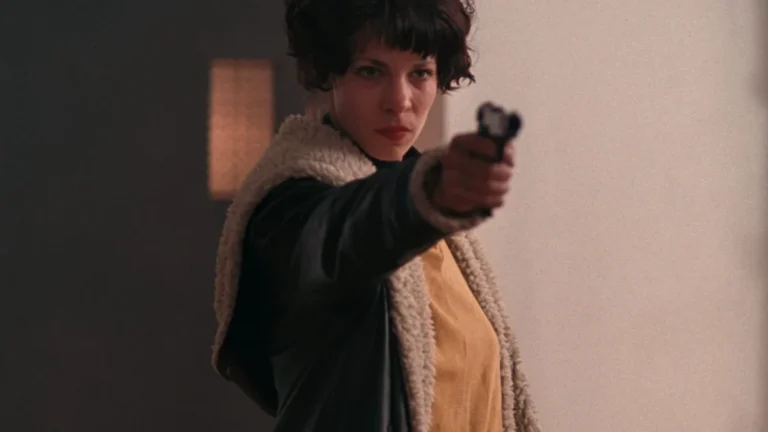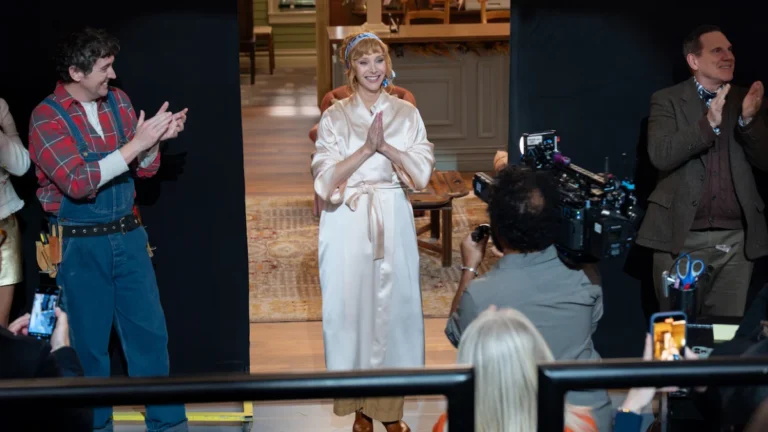

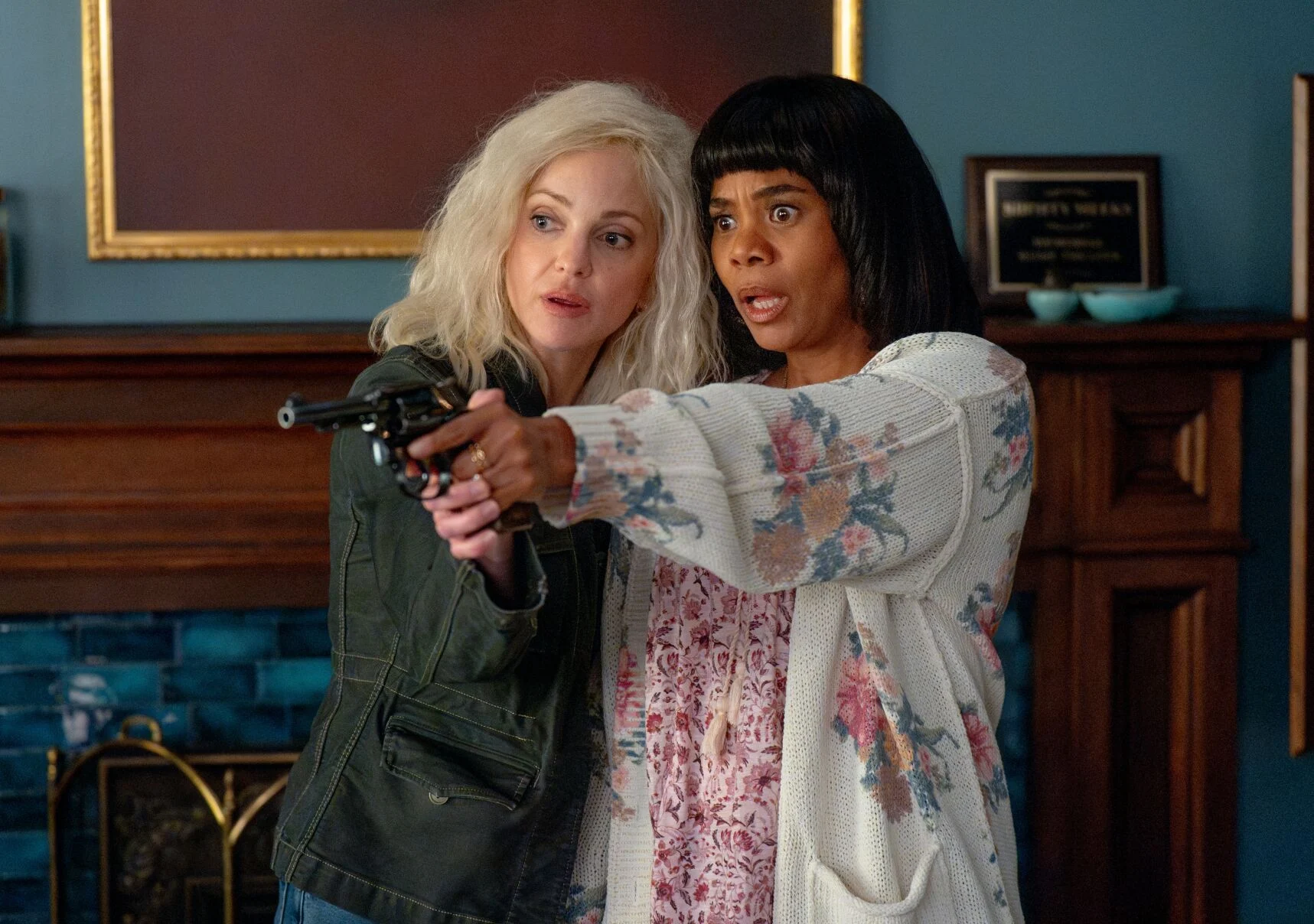
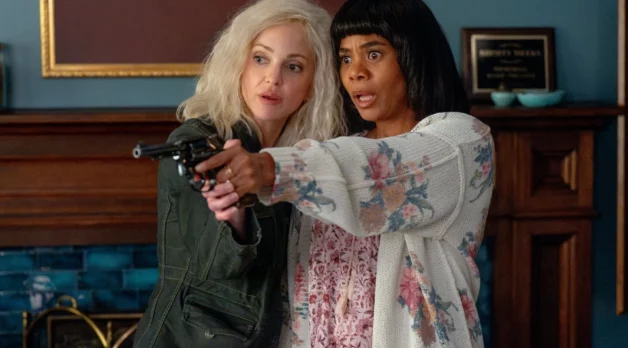
The entertainment landscape of 2026 bears witness to a cinematic homecoming nearly a quarter of a century in the making. The latest installment in the globally renowned spoof franchise, titled simply and pointedly Scary Movie, deliberately omits the numerical digit "6" from its promotional materials and title cards. This omission is far from an accidental oversight; it serves as a calculated form of protest and an unmistakable boundary marker. The Wayans family collectively disowned the three sequels produced during their prolonged absence—specifically Scary Movie 3 through Scary Movie 5, released in 2003, 2006, and 2013, respectively—following a bitter compensation and creative control dispute with Dimension Films and the Weinstein brothers in 2001. This long-standing industry grievance serves not only as personal history for the creators but forms the thematic narrative core of the franchise’s newest chapter.
Operating very much in the tradition of classic Wayans satires, the 2026 production functions as a horror-comedy legacy sequel that simultaneously lampoons its own cinematic lineage while delivering an incisive, systemic critique of the contemporary entertainment industry. It retains the unapologetic, boundary-pushing humor that has long endeared the franchise to its core demographic while triggering sharp division among film critics. By subverting horror tropes and institutional studio politics alike, the film manages to honor its origins while reclaiming a cultural property that helped define turn-of-the-millennium pop culture.
The Evolution of the Spoof: From ZAZ to the Wayans Dynasty
To fully understand the structural DNA of the modern Scary Movie, film historians often trace the lineage back to the foundational work of David Zucker, Jim Abrahams, and Jerry Zucker, commonly known as ZAZ. In the late 1970s and 1980s, the ZAZ team revolutionized comedy by pivoting away from the long-form narrative parodies of Mel Brooks and toward hyper-dense, rapid-fire pop-cultural references. With landmark releases like The Kentucky Fried Movie (1977) and Airplane! (1980), the trio elevated structural absurdity to an art form, intentionally crafting anti-authoritarian, gag-driven counterprogramming during a tumultuous political decade marked by the Vietnam War, Watergate, and shifting civil rights movements.
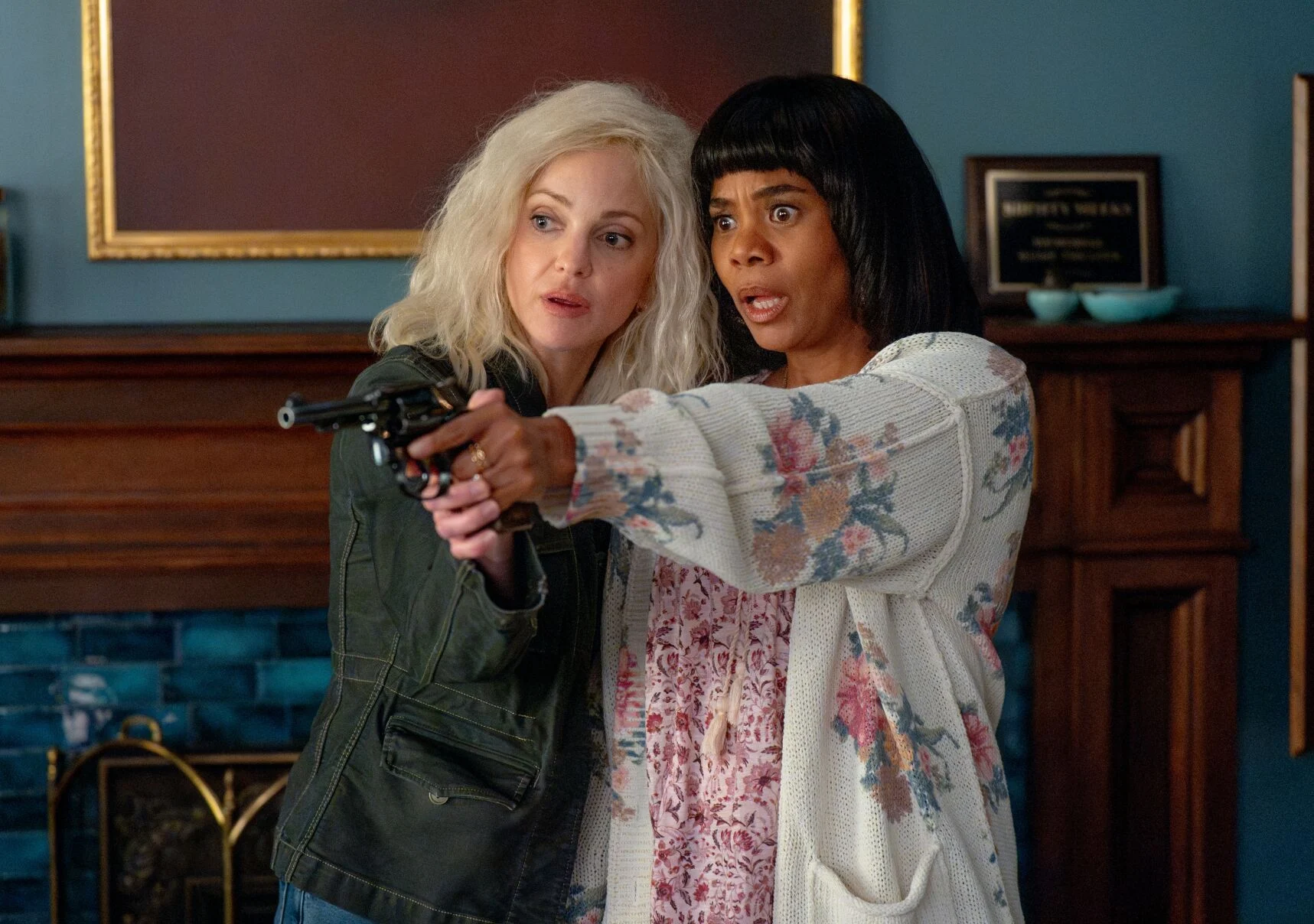
However, when creators like Keenen Ivory Wayans and Robert Townsend entered the arena with Hollywood Shuffle in 1987, they injected a vital new element into the ZAZ framework: biting racial satire and acute cultural criticism. Drawing inspiration from Richard Pryor and classic sketch comedy, the Wayans and Townsend targeted cinematic genres historically marketed to Black audiences—ranging from blaxploitation and inner-city "hood flicks" to standard Hollywood thrillers—exposing how mainstream studios often pandered to and marginalized communities of color with lazy, repetitive tropes. Operating with microscopic budgets compared to their studio-backed contemporaries, these pioneering filmmakers forged a subversive counter-narrative against the traditional white Hollywood power structure, proving that independent Black comedy could achieve profound commercial viability.
A Chronology of Subversion and Franchise Expansion
The trajectory of the Wayans creative empire expanded exponentially following the critical and financial triumph of Hollywood Shuffle. That success granted Keenen Ivory Wayans the necessary institutional clout to launch two defining cultural touchstones: the feature film I’m Gonna Git You Sucka (1988) and the groundbreaking television sketch series In Living Color (1990–1994).
Serving as a rigorous professional incubator for the broader Wayans family, In Living Color fundamentally shifted the national sense of humor. The show dismantled sacred cows on a weekly basis, offering intelligent, piercing commentary on race, media consumption, and pop culture as mediated by white-dominated media conglomerates. This momentum culminated in the 1996 release of Don’t Be a Menace to South Central While Drinking Your Juice in the Hood, a direct satire of the formulaic, tragedy-exploiting inner-city coming-of-age dramas that studios had churned out in the wake of films like Boyz n the Hood (1991) and Menace II Society (1992).
By 2000, the Wayans formula reached its most commercially potent expression with the release of the original Scary Movie. Capitalizing on the late-1990s teen slasher revival spearheaded by films like Scream and I Know What You Did Last Summer, the movie blended highbrow cinematic pastiche with lowbrow gross-out humor. Produced on a modest budget of approximately $19 million for Dimension Films, the picture shattered box-office expectations by grossing an astounding $278 million globally.
The Schism, Corporate Takeover, and Creative Exile
The astronomical financial return of the original film immediately incentivized studio executives to demand a rushed sequel. Released just one year later in 2001, Scary Movie 2 exhibited the structural strains of a compressed production schedule. Shortly thereafter, financial disagreements and disputes over profit participation fractured the relationship between the Wayans family and Dimension Films leadership.
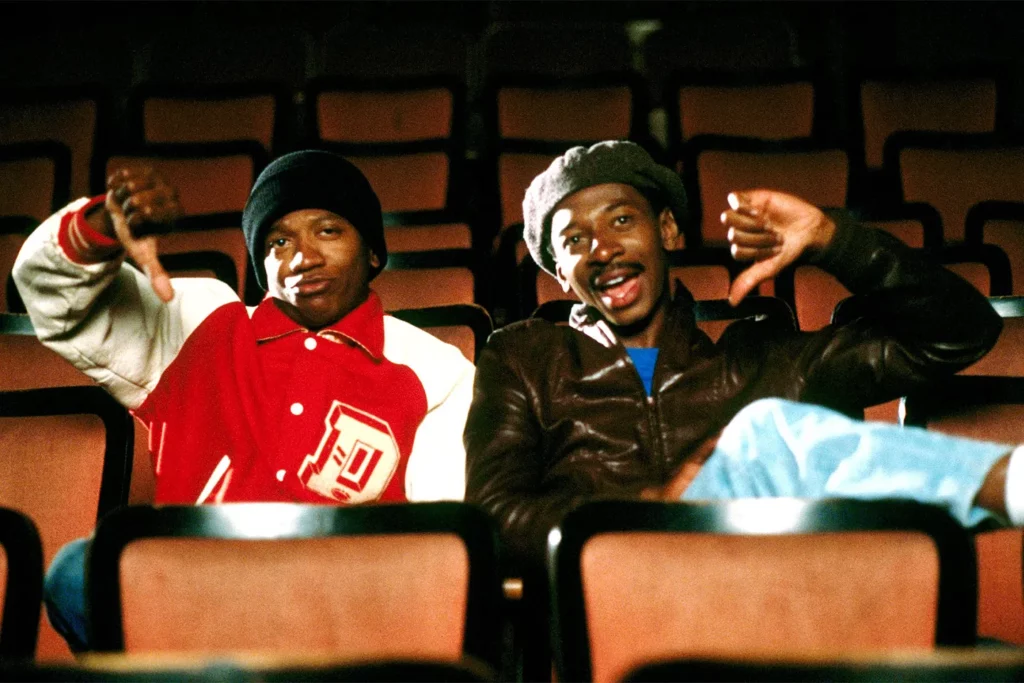
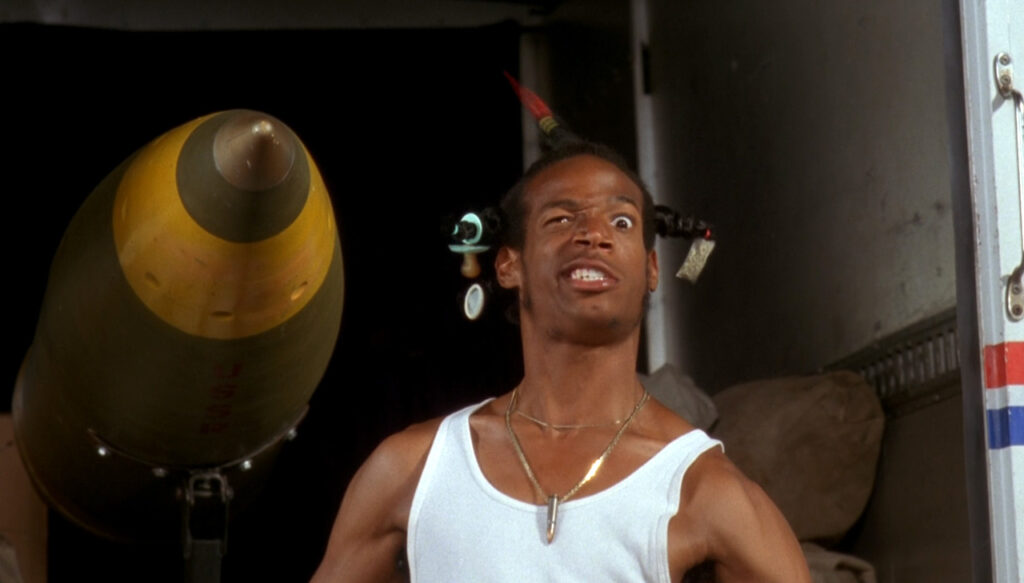
In the wake of their departure, the franchise underwent a corporate and creative pivot. David Zucker, one of the primary architects of the original ZAZ spoof formula, was brought in to direct Scary Movie 3 (2003) and Scary Movie 4 (2006), while subsequent installments traded the distinctive comedic sensibilities of Shawn and Marlon Wayans for studio-assembled casts featuring performers like Simon Rex and Charlie Sheen. In recent retrospective interviews, Marlon Wayans candidly likened the corporate continuation of the franchise without its original creators to watching a cherished family member spiral into substance abuse—a poignant metaphor reflecting the broader historical trend of Black creators being marginalized or deemed expendable once intellectual properties achieve mainstream corporate value.
Industry Implications and the Return of the Originators
The landscape surrounding the 2026 release of the sixth installment indicates a significant shift in industrial power dynamics. With nearly the entire principal cast of the original film reuniting after 25 years, the latest production merges its signature profane slapstick with genuine emotional resonance, celebrating a collaborative bond that launched multiple careers. This blend of irreverence and emotional sincerity has translated into immediate commercial dominance, pulling in an impressive $172 million at the global box office within its first two weeks of release.
Industry analysts note that this triumphant return arrives at a time of broader transformation within Hollywood’s approach to Black-led horror and satire. Last year’s box-office phenomenon Sinners, directed by Ryan Coogler, grossed $370 million while exploring themes of artistic freedom and the exploitation of Black cultural production, subsequently securing historic Academy Award recognition. Observers suggest a parallel between Coogler’s contemporary success and the foundational battles fought decades earlier by Robert Townsend and the Wayans family.
Reflecting on his early mentorship, Townsend often recalls a conversation with legendary actor Sidney Poitier regarding how to maintain professional dignity in an industry historically unaccustomed to affording respect to Black artists. Poitier’s advice was stark and absolute: "I said no. I made sacrifices to do it, but I had the power to say no."
The persistent return of the Wayans family to the spoof genre—a vehicle they weaponized to critique American culture, challenge institutional hierarchies, and demand authentic representation—suggests that today’s filmmakers are increasingly exercising that same power. Whether Hollywood executives are fully absorbing these structural critiques or simply chasing the undeniable profit margins of self-aware satire, the enduring triumph of the Wayans dynasty proves that independent creative vision can ultimately force the industry to listen.