


The Return of the Apex Predator and the Emergence of Ghidora
The narrative begins two years after the conclusion of the previous installment. Japan, still reeling from the physical and psychological devastation of the initial Godzilla attacks, finds itself facing an unprecedented dual-threat scenario. The film opens in Nagano, where a new, avian-dragon-like entity—identified by scientists as Ghidora—emerges from the site of a crashed meteorite. According to character-driven research presented within the film’s narrative, the entity is described as a "chimera," a biological anomaly that exhibits traits from multiple animal species. This creature utilizes high-voltage, orange-hued electrical discharges as a primary offensive capability, leveling urban infrastructure with alarming efficiency.
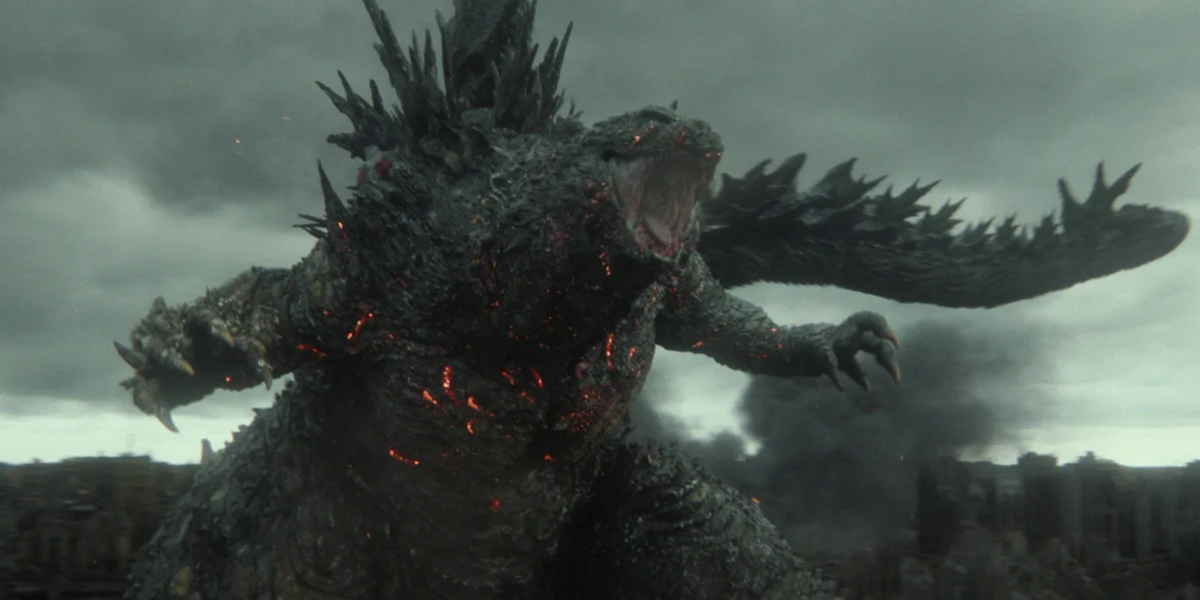
The introduction of Ghidora serves as more than a secondary antagonist; it acts as a catalyst for the return of Godzilla. Despite being neutralized in the final act of the previous film, the iconic kaiju reappears, having reconstituted its biological structure. This dual presence forces the Japanese government and independent civilian coalitions to confront a reality where the existential threat to the nation is no longer a solitary phenomenon.
Production and Technical Execution
Director Takashi Yamazaki, who also penned the screenplay, has maintained a consistent aesthetic and tonal continuity with his previous work. The film reunites the primary cast, including Ryunosuke Kamiki as Shikishima, Minami Hamabe as Noriko, and Hidetaka Yoshioka as Kenji Noda. The production team also features the return of cinematographer Kōzō Shibasaki, whose work emphasizes long-take sequences that deviate from the standard shot-reverse-shot conventions common in contemporary blockbusters.
Technically, the film utilizes a blend of practical-inspired movement and high-fidelity CGI. The visual effects team has refined the "suit-style" locomotion of the creatures, lending a tactile, physical weight to their movements. The production design prioritizes spatial awareness, ensuring that the destruction of buildings and the movement of the monsters are anchored in a realistic, grounded perspective. Naoki Sato’s score plays a crucial role in pacing, utilizing a minimalist approach during dramatic dialogue scenes to emphasize the gravity of the performances, before transitioning into the iconic, thunderous motifs originally composed by Akira Ifukube during high-stakes action sequences.
Narrative Chronology and Character Arcs
The film’s plot is structured around the mobilization of a specialized task force overseen by the Large-Scale Disaster Bureau. The chronology of events is as follows:
- The Nagano Incident: Initial reports of a meteor strike followed by the emergence of Ghidora.
- The Reconstitution of Godzilla: Intelligence confirms the return of the primary kaiju, leading to widespread panic and the failure of existing defense protocols.
- The Mobilization of the Shikishima Family: Recognizing the inability of conventional military forces to contain the dual threat, the central characters are compelled to abandon their domestic lives to support the disaster response.
- Strategic Intervention: Utilizing weather forecasting data provided by Aoyama (Masami Nagasawa) and experimental technology developed by Kenji Murakami (Min Tanaka), the coalition attempts a last-resort maneuver to neutralize the creatures.
The emotional core of the film remains the Shikishima family. Shikishima, a former kamikaze pilot, struggles with the duality of his desire to protect his wife and daughter, Akiko, and his perceived duty to a nation that continues to suffer from the consequences of the war. The inclusion of Sakura Ando’s character, a neighbor and orphanage director, provides a necessary lens through which the audience perceives the impact of these events on the most vulnerable members of society.
Sociopolitical Context and Historical Resonance
Godzilla Minus Zero expands upon the sociopolitical commentary present in the 2023 film. While the first entry focused primarily on the Japanese government’s internal failings and the shadow of the atomic bomb, the sequel incorporates a more complex international dimension. The introduction of U.S. Army personnel highlights the geopolitical friction of the era, reflecting the condescending and often dismissive attitude of occupying forces toward Japanese sovereignty.
The film explores themes of honor, personal duty, and collective responsibility. Through the lens of the characters, the narrative questions the morality of defense strategies that prioritize institutional survival over individual lives. The visual representation of the atomic bomb’s aftermath serves as a sobering reminder of the historical trauma that underpins the Godzilla franchise, framing the monsters not merely as cinematic threats, but as physical manifestations of unresolved national grief.
Analysis of Implications for the Kaiju Genre
The success of the Godzilla franchise, particularly under the direction of Yamazaki, has signaled a shift in global audience preferences. By prioritizing character development and pacing over constant, rapid-fire action, the film manages to sustain tension for over two hours. The decision to limit the musical score in dramatic scenes is a notable departure from the current trend of wall-to-wall sound design in action cinema, allowing the audience to engage more directly with the performances of the lead cast.
From a critical standpoint, the film operates as a hybrid: it satisfies the requirements of a large-scale creature feature while maintaining the narrative density of a historical drama. The "human-in-a-suit" movement style, translated into digital animation, provides a bridge between the classic Toho aesthetic and modern visual fidelity. This balance ensures that the film is accessible to international audiences while respecting the traditional mythos of the character.
Official Responses and Industry Outlook
While specific statements from the production studio, Toho, have focused on the film’s technical achievements, the release strategy suggests a continued commitment to the premium large-format (PLF) experience, specifically IMAX. The film is designed for the largest possible aspect ratio, reflecting a strategy to emphasize the scale and scope of the kaiju conflict. Industry analysts note that the consistency in team composition—retaining the director, cinematographer, and core cast—indicates a long-term strategy for the Godzilla property, one that seeks to build a cohesive, thematic legacy rather than relying on disparate, disconnected sequels.
The integration of real-world historical elements—such as the reconstruction of post-war Japan and the influence of international military powers—positions the film as a significant piece of modern genre fiction. By grounding the fantastical elements of the monsters in the visceral reality of human loss, the film ensures that the stakes remain high. The persistent, looming threat of the kaiju serves as an effective metaphor for the ongoing challenges of the 20th and 21st centuries, ensuring the franchise remains relevant to contemporary audiences.
As the film concludes its theatrical run, the legacy of Godzilla continues to evolve. The mastery of tone demonstrated by Yamazaki confirms that the franchise has moved beyond the simple "monster versus city" trope. Instead, it has established a framework where the spectacle of destruction is a necessary component of a larger, more profound exploration of resilience, guilt, and the inherent difficulty of rebuilding in the wake of total catastrophe. The cinematic return of Godzilla and the introduction of Ghidora in this specific historical context demonstrate that, despite the passing of seven decades, the franchise retains its power to challenge, disturb, and captivate audiences on a global scale.