


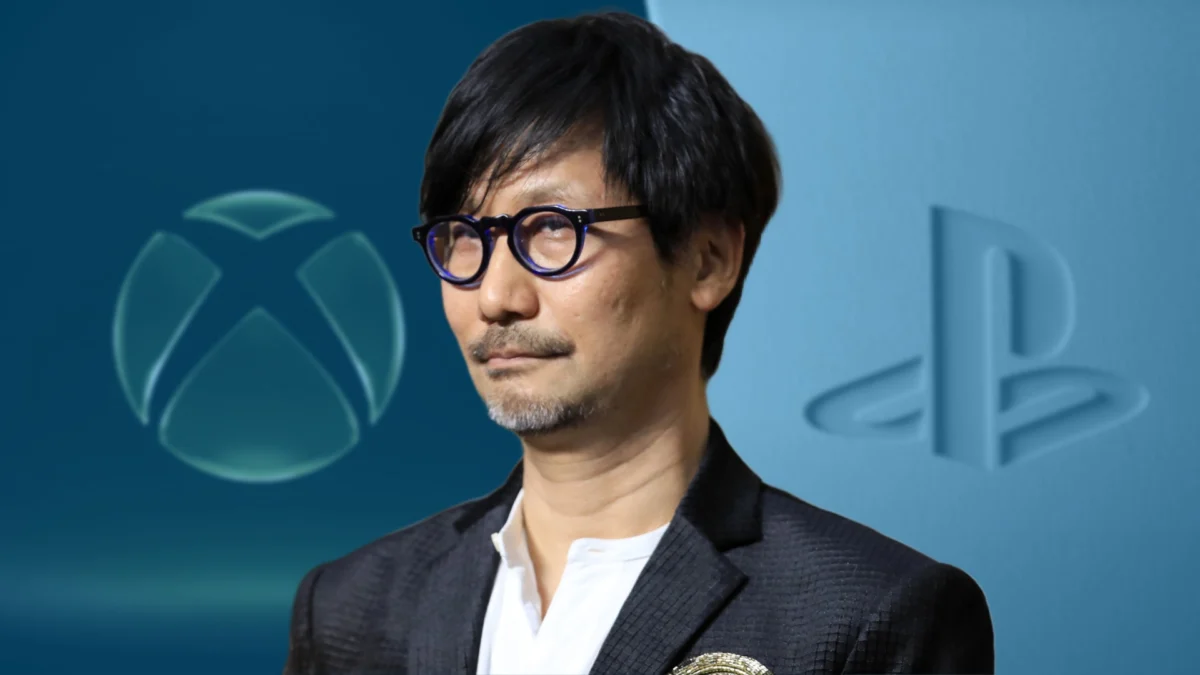
The landscape of the global video game industry has been defined by a series of seismic shifts over the past twenty-four months, marked by widespread studio closures, mass layoffs, and a strategic pivot among major platform holders toward risk mitigation. Within this volatile climate, the announcement that Hideo Kojima’s highly anticipated action-espionage title, Physint, would transition from a PlayStation-exclusive project to one published by Xbox sent shockwaves through the gaming community. Recently, Hideo Kojima provided a candid look at the abrupt dissolution of his partnership with Sony for the project, detailing a period of intense uncertainty for Kojima Productions.
A Chronology of the Shift
The relationship between Hideo Kojima and Sony Interactive Entertainment has historically been one of the most storied alliances in the medium. Following Kojima’s departure from Konami in 2015, Sony provided the foundational support required to establish Kojima Productions and launch the critically acclaimed Death Stranding. For years, the two entities appeared inextricably linked.
However, the tide began to turn behind closed doors. Reports surfaced last week indicating that Sony had opted to "step away" from the development of Physint. The decision was reportedly rooted in concerns regarding the project’s escalating budget, potential profitability, and the long-term strategic value of exclusivity in an increasingly cross-platform market.
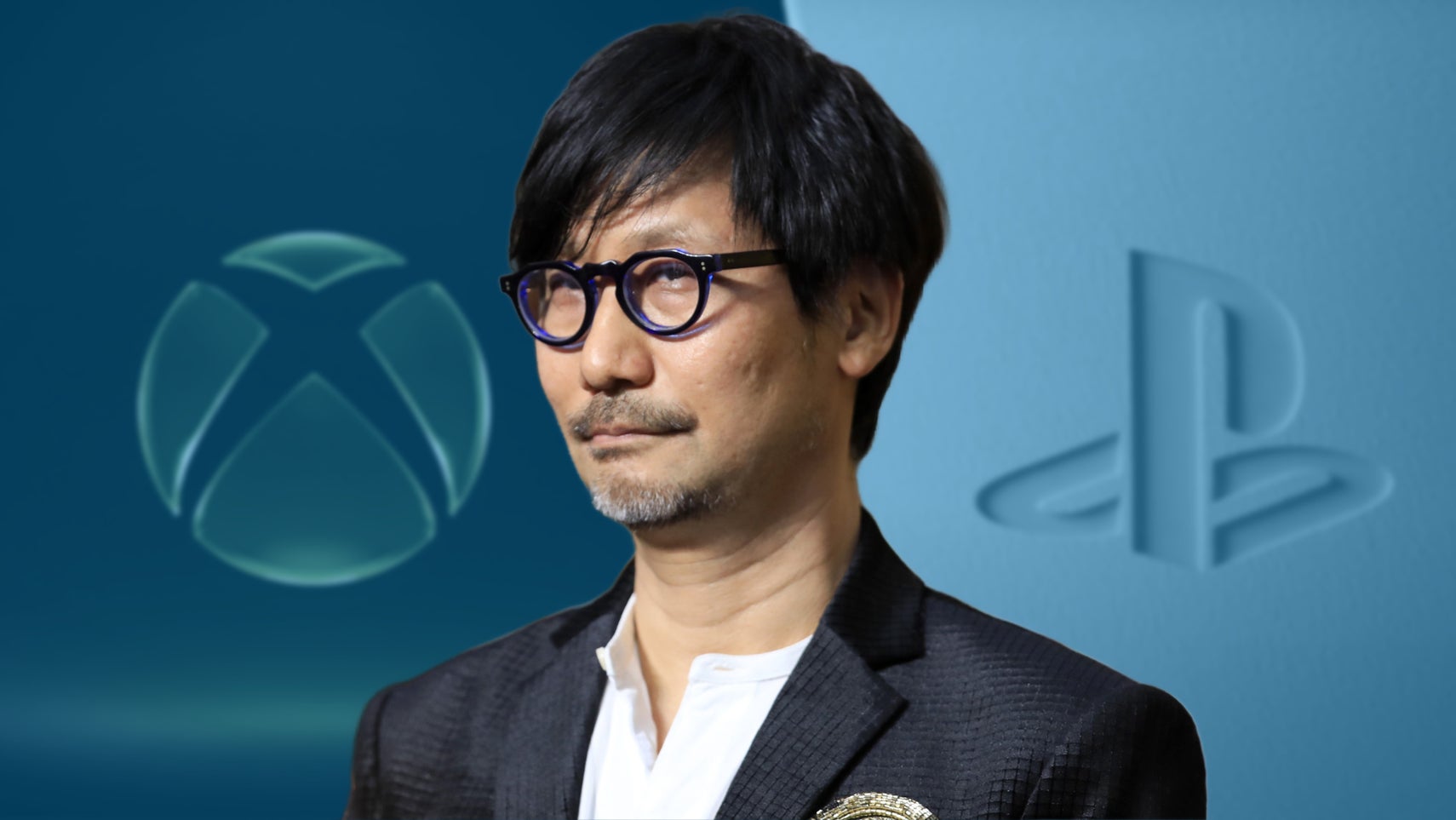
For Kojima, the news came as a complete surprise. In an interview with IGN, the auteur admitted that the meeting during which Sony rescinded its support is now a blur, obscured by the shock of the moment. Kojima noted that despite his long-standing personal and professional ties with figures like Ken Kutaragi and Kazuo Hirai, the modern corporate reality of the gaming industry proved to be unforgiving. For a brief window, the future of the ten-year-old studio felt precarious. The prospect of losing the backing of a primary publisher for a major project threatened not just the game, but the fiscal stability of the studio itself.
The Financial and Strategic Landscape
The broader context of this shift involves a significant tightening of belts across the gaming sector. Throughout 2023 and 2024, the industry witnessed a wave of restructuring. Major publishers, facing inflation, rising development costs, and the need to deliver higher returns on investment, have become increasingly selective.
Industry analysts observe that AAA development cycles have ballooned to five-to-seven-year windows, with budgets often exceeding $200 million. When projects like Physint—which aims to bridge the gap between film and gaming—enter development, they carry inherent risks. Sony’s decision to step away likely reflects a wider trend of "de-risking" portfolios. By moving away from high-budget, single-platform exclusivity in favor of more diversified revenue streams, publishers are attempting to insulate themselves from the potential failure of a single "tentpole" title.
Xbox’s Strategic Intervention
The transition to Xbox as the new publisher for Physint was not merely a logistical change; it was a lifeline that redefined the game’s trajectory. Kojima revealed that the connection with Xbox was already established through their collaborative work on OD, a mysterious horror project also under development at the studio.

When Kojima approached the Xbox leadership team, the reception was reportedly enthusiastic. According to Kojima, the pitch for Physint resonated deeply with the Xbox division, which viewed the project as a critical addition to their growing catalog of high-profile titles. From the perspective of Microsoft’s gaming division, securing a creator of Kojima’s stature—particularly for a project that blends cinematic storytelling with high-octane espionage gameplay—is a significant strategic win.
An Xbox spokesperson reinforced this sentiment, noting that "betting on Kojima-san is an easy call." The partnership is viewed as a mutual investment in the future of the medium, with Microsoft providing the technical support necessary to bring Kojima’s vision to fruition, even as the game’s original distribution plans underwent a total transformation.
Official Responses and the Defense of the Studio
In the wake of speculation regarding the studio’s financial health and its standing within the industry, Kojima Productions issued a formal statement. Addressing rumors regarding the profitability of the Death Stranding franchise and the implications of the Sony split, the studio sought to provide clarity.
The official statement emphasized that the studio remains in a "healthy, profitable state." Kojima Productions explicitly pushed back against the narrative that the partnership shift was indicative of a systemic failure within the studio. Instead, the company framed the event as a challenging, yet navigated, transition. They noted that the rumors regarding their relationship with PlayStation have been exaggerated, stressing that while the publishing landscape for Physint has changed, the underlying professional relationships remain intact.

Broader Implications for the Gaming Industry
The Physint saga serves as a microcosm of the current state of game development. It highlights the tension between creative ambition and corporate fiscal responsibility. For players and stakeholders, the incident underscores several key takeaways:
- The Erosion of Permanence: The concept of "platform loyalty" is becoming increasingly fluid. As development costs rise, the traditional model of console-exclusive publishing is being challenged by the necessity of global reach and multi-platform availability.
- The "Kojima Factor": The ability of Kojima to pivot from Sony to Xbox and receive an enthusiastic reception underscores the immense value of "auteur" status in the gaming industry. While corporations may prioritize budgets, the brand equity of a creator like Kojima remains a powerful asset that can attract new partners regardless of previous allegiances.
- The Precarity of AAA Production: Even the most successful studios are not immune to the cold arithmetic of corporate finance. The fact that a project of Physint’s scale faced cancellation or withdrawal of funding confirms that no game is "safe" until it is in the hands of the consumer.
As development on Physint continues under the banner of Xbox, the industry will be watching closely to see how this transition influences the final product. The move effectively positions Microsoft as a major steward of one of the most anticipated titles in modern gaming, while Sony continues to focus on its own internal pipeline.
Ultimately, the situation represents a rare moment of transparency in an industry often shrouded in non-disclosure agreements and corporate speak. By acknowledging the fear and the "tough times" that characterized the transition, Hideo Kojima has provided a human perspective on the high-stakes world of interactive entertainment. While the studio has weathered the storm, the incident serves as a stark reminder that in the modern era of triple-A gaming, the boundary between creative vision and bottom-line survival is thinner than ever.
With the backing of Microsoft and the continued creative autonomy of Kojima Productions, the focus now shifts back to the game itself. Whether Physint will ultimately fulfill its promise as a revolutionary "action-espionage" experience remains to be seen, but its journey to the screen has already become one of the most defining stories of this console generation. As the dust settles, the industry moves forward, with Xbox betting heavily on a veteran creator who, despite the shifts in his corporate partners, continues to command the attention of the global gaming audience.