




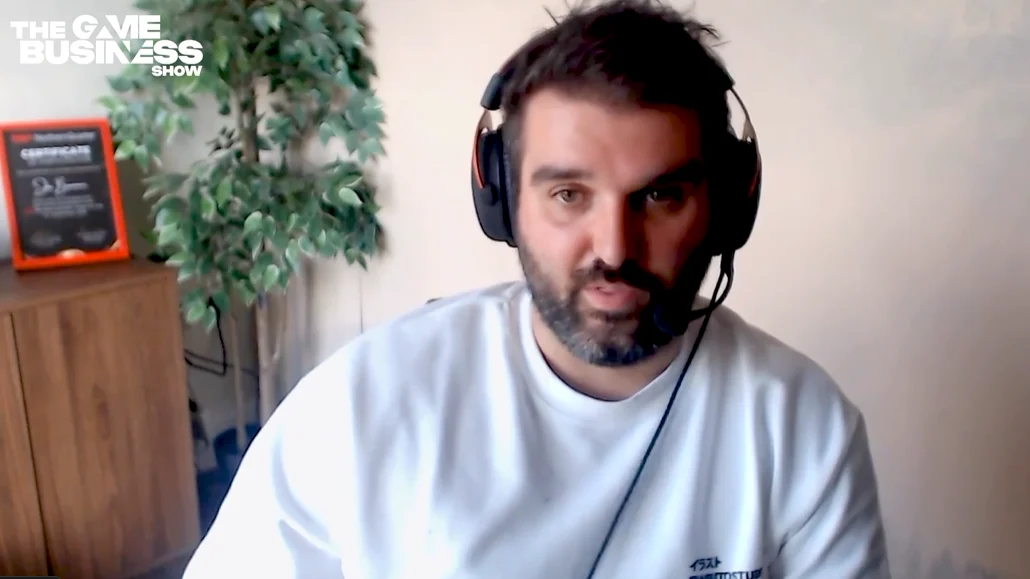
The video game industry is currently embroiled in a fresh debate regarding labor standards and recruitment transparency after comments made by Joe Brammer, CEO of Bulkhead, sparked significant controversy. The developer, known for titles such as The Turing Test, Battalion 1944, and the recent commercial juggernaut Wardogs, candidly discussed his studio’s approach to "crunch"—the industry term for periods of intense, extended overtime—and the use of social media screening during the hiring process. These revelations, which surfaced during an appearance on The Game Business podcast, have prompted a swift defensive response from the executive as the studio navigates the dual pressures of public scrutiny and the rapid success of its latest project.
The Origin of the Controversy
The discord began following Brammer’s appearance on the podcast hosted by Chris Dring. During the discussion, Brammer offered a transparent, albeit polarizing, look at the operational philosophy at Bulkhead. He addressed the reality of crunch, suggesting that while the studio aims to avoid it, it remains an inevitable component of the development lifecycle.
"A lot of people who may have an issue with crunch—rightly so, I understand that issue, we always try and avoid it, but we don’t hide that this is going to happen at some point," Brammer stated. He went on to describe the studio as a high-performance environment, noting that applicants who express strong anti-crunch sentiments on social media platforms are unlikely to be considered for employment, as they would likely feel "slave-driven" in the studio’s current culture.
This admission regarding the systematic monitoring of potential employees’ social media footprints has raised questions about the boundaries of professional vetting. In the United Kingdom, where Bulkhead is based, the Information Commissioner’s Office (ICO) provides strict guidance on pre-employment screening. The ICO stipulates that such checks must be proportionate and relevant to the role, warning that monitoring should only occur if there is a legal obligation or a significant risk to the business, and even then, candidates should be informed of the practice.
Chronology of the Response
Following the broadcast, the commentary spread rapidly across social media platforms, with many industry observers criticizing the suggestion that personal political or social beliefs regarding labor laws could be used as a disqualifier for employment.
- Initial Podcast Airing: Brammer discusses the "balanced" approach to crunch and the reality of the studio’s hiring process.
- Social Media Backlash: Critics characterize the comments as a mandate for unpaid, excessive overtime and an illegal intrusion into the private lives of job seekers.
- Clarification on X (formerly Twitter): Brammer issues a series of posts claiming his comments were taken out of context. He specifically refuted the notion that crunch at Bulkhead is "mandatory," highlighting instead the studio’s benefits, such as a previous four-day work week trial, employee equity sharing, and a policy of giving the entire staff the month of December off.
- Official Statement to Eurogamer: Recognizing the need for a formal response, Brammer provides a detailed breakdown of the specific 2026 instance where crunch was required, reiterating his commitment to transparency.
Examining the "Crunch" Debate
The video game industry has spent the last decade reckoning with the human cost of high-profile game development. From the reported "culture of fear" at major publishers like Rockstar Games during the development of Red Dead Redemption 2 to the widespread exhaustion noted at CD Projekt Red during the final stages of Cyberpunk 2077, the industry is under immense pressure to reform.
Brammer’s defense of his studio’s practices relies on the concept of "balance." He argued that the perception of crunch depends heavily on the individual, stating, "The older guys are like, ‘This isn’t crunch, this is mild overtime.’" However, he acknowledged the inherent tension in such environments, noting that when the studio does require extra hours, it is often a response to technical bottlenecks, such as build times that necessitate manual oversight.
"In June 2026, we were late for the Wardogs beta build," Brammer clarified in his statement. "I apologized and said the only way I thought we could get the game into beta was by working an extra two hours a day, Monday through Thursday, for four weeks… It was optional; four people opted out, nothing happened to them and nothing will."
Data and Financial Context
The success of Wardogs has provided a financial backdrop for these discussions. Selling two million copies in its first five days of release, the game is a significant economic success. Brammer emphasizes that this success is shared with the staff, noting that 80 percent of the company’s shares are owned by 50 percent of the employees.
For the CEO, the trade-off for the occasional, intense bursts of work is a direct path to financial stability for his team. "If we’re going to be a company who says, ‘We do crunch,’ then we have to also say, ‘But you get something for it,’" he remarked. "We want people to know that those people who do work hard get that return, and it is life-changing."
Regulatory and Ethical Implications
The legal concerns regarding social media vetting remain a significant point of contention. While Brammer stated that his comments were intended to reflect the "culture" rather than a rigid recruitment policy, the incident highlights a tension between modern HR practices and the informal, "all-hands-on-deck" culture common in independent game development.
UK employment law is designed to protect employees from discriminatory hiring practices, and the use of social media as a filter for, say, an applicant’s stance on labor rights, could be interpreted as a violation of these protections. Employment lawyers note that while checking publicly available information is not inherently illegal, the intent behind the check determines the liability. If a candidate can prove they were rejected specifically because of their political views on labor unions or work-life balance, they may have grounds for a claim.
Brammer addressed this in his follow-up statement: "Where we do consider publicly available information as part of recruitment, it is done in line with applicable UK employment and data protection law. We don’t access private accounts or carry out covert or intrusive checks. My comments were really about being upfront about the kind of studio we are."
Broader Industry Impact
The situation at Bulkhead serves as a microcosm for a larger, ongoing shift in the games industry. As studios transition from the "crunch-by-default" era to one that prioritizes sustainable development, leaders are finding themselves at odds with both the workforce and the legal structures governing employment.
Brammer’s frustration with UK labor laws—specifically regarding his attempts to implement flexible, non-traditional working arrangements—reflects a common sentiment among independent founders who feel that rigid, legacy-era regulations stifle innovation in workplace structure. He noted that even well-intentioned initiatives, such as flexible paternity leave or the four-day work week, often hit roadblocks because they do not fit into the standard, "one-size-fits-all" framework of current HR legislation.
Ultimately, the controversy surrounding Bulkhead does not appear to be a case of systemic abuse, but rather a clash of communication styles. By being overtly candid about his expectations, Brammer has invited intense scrutiny, highlighting the difficulty of maintaining a "tight-knit," high-performance team while operating in a modern, highly regulated, and increasingly sensitive global labor market. As Wardogs continues its commercial trajectory, the industry will be watching to see if Bulkhead’s model of "transparent intensity" can scale without further alienating the developer community or drawing the ire of labor regulators.