
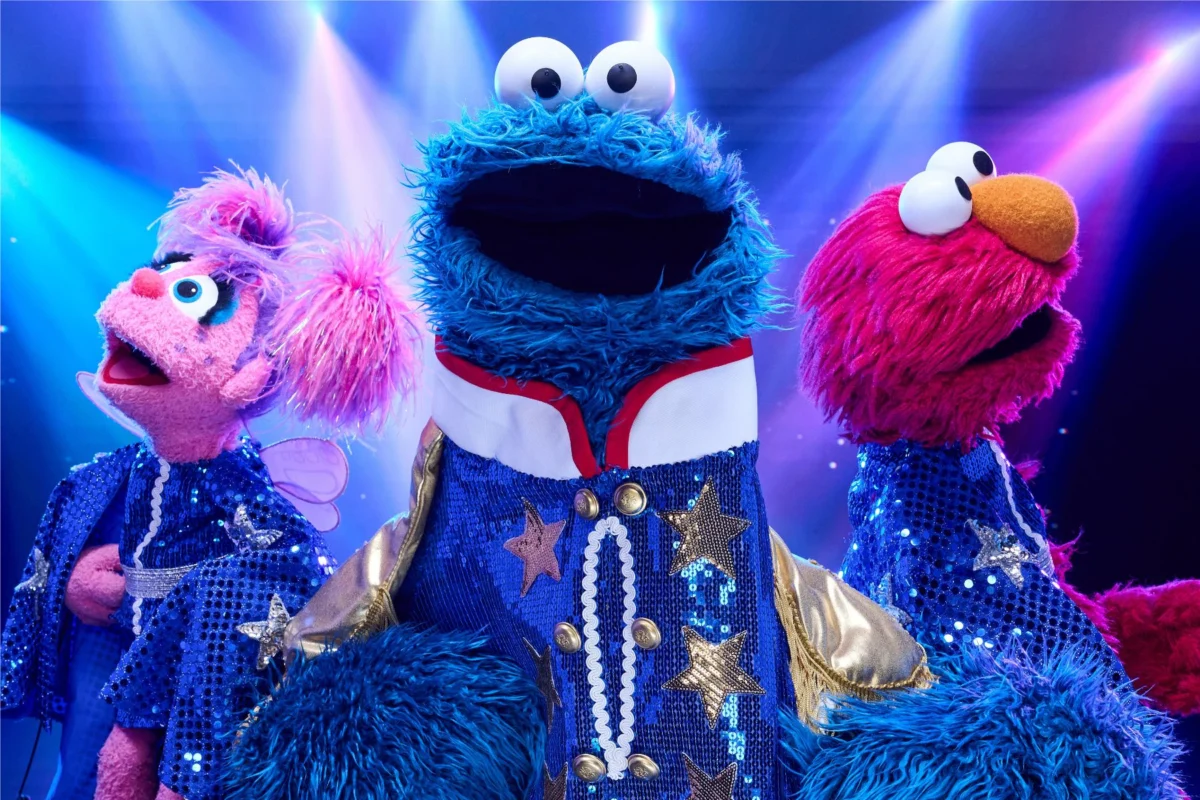
The intersection of contemporary pop culture and early childhood education reached a whimsical new milestone on Wednesday, September 16, when Sesame Workshop unveiled its latest musical parody. Cookie Monster, accompanied by longtime Muppet favorites Elmo and Abby Cadabby, stepped into the global spotlight with a vibrant, sparkly homage to Chappell Roan’s breakout pop anthem "Hot to Go!" Titled "Got to Go," the newly released music video reimagines the high-energy club track as an enthusiastic, high-concept potty-training anthem designed for toddlers, preschoolers, and their millennial parents. Complete with signature choreography, shimmering blue ensembles, and an educational spelling lesson, the release marks another strategic step in Sesame Street’s ongoing initiative to bridge generational musical trends with fundamental developmental milestones.
The Main Facts of the Release
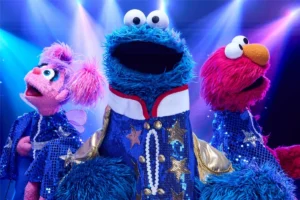
Released via YouTube and major streaming platforms, the "Got to Go" music video finds Cookie Monster ditching his traditional craving-driven persona to embrace full pop diva status. Trading in his usual aesthetic for a dazzling, glitter-encrusted blue outfit directly inspired by Chappell Roan’s iconic stage wear, the beloved Muppet takes center stage to lead a troupe of dancers through a meticulously choreographed bathroom routine. Elmo and Abby Cadabby quickly join the proceedings, donning matching shimmering blue attire that mirrors the theatrical flair of Roan’s original visual style.
Rather than altering the infectious, driving rhythm that propelled the original track up the Billboard charts, the arrangement retains the exact structural hooks of "Hot to Go!" However, the lyrical content is entirely reframed to address the intricacies of early childhood hygiene. The chorus replaces Roan’s invitation to spell out H-O-T-T-O-G-O with a visual and auditory spelling lesson for P-O-T-T-Y. As the characters dance, oversized, brightly colored letters materialize on screen, turning a routine developmental hurdle into an interactive literacy lesson. Educational experts note that embedding foundational spelling directly into repetitive, high-tempo choreography leverages cognitive association, making it easier for young children to recognize letters while absorbing behavioral cues.
Background Context and the Parody Party Initiative
The arrival of "Got to Go" is far from a standalone viral marketing stunt; it serves as a central highlight of Sesame Street’s broader creative venture titled Parody Party. Released on July 26 through Arts Music, Parody Party is a comprehensive seven-song EP engineered to translate contemporary mainstream pop culture into child-appropriate educational media. The project reflects a deliberate pivot by Sesame Workshop to engage not only its core demographic of young children but also the adult caregivers—predominantly Millennials and Gen Z parents—who consume chart-topping music on streaming services like Spotify and Apple Music.
The strategic rationale behind the Parody Party collection lies in shared media consumption. By curating a tracklist of universally recognized hits, Sesame Street creates a bridge between adult pop culture and toddler entertainment, alleviating the fatigue often experienced by parents listening to children’s music. The EP features reimagined takes on an eclectic mix of contemporary chart-dominating tracks. Alongside Chappell Roan’s "Hot to Go!", the album includes "I Just Might" (a spin on Bruno Mars), RAYE’s viral hit "Where Is My Husband!", "Golden" by HUNTR/X from the animated project KPop Demon Hunters, Taylor Swift’s ubiquitous empowerment anthem "Shake It Off," Icona Pop’s high-energy track "I Love It," and Carly Rae Jepsen’s enduring pop classic "Call Me Maybe."
Chronology of Development and Release
The genesis of Parody Party and its standout visual components required months of cross-platform collaboration between Sesame Workshop’s creative teams, educational advisors, and musical arrangers.
- Late Spring 2024: Production begins on the Parody Party audio tracks, with producers carefully selecting mainstream hits that feature repetitive lyrical structures and strong rhythmic beats—elements ideal for language acquisition and motor skill development.
- July 26: Arts Music officially releases the Parody Party EP across all major digital streaming platforms, instantly generating digital buzz among pop music fans and parenting blogs alike due to the surprising inclusion of artists like Chappell Roan and RAYE.
- September 16: Sesame Workshop premieres the official music video for "Got to Go" on YouTube, accompanied by a social media rollout across TikTok, Instagram, and X (formerly Twitter). The video immediately trends across digital platforms, drawing widespread praise from pop music critics and viral media outlets for its faithful replication of Chappell Roan’s aesthetic.
Supporting Data and Demographic Impact
The release capitalizes on the massive cultural footprint established by Chappell Roan throughout 2024. Roan’s original track, "Hot to Go!", became a defining anthem of the year, famous for its synchronized arm movements and stadium-wide chant-alongs. By translating these viral dance mechanics into a potty-training narrative, Sesame Workshop taps into established behavioral psychology: children learn effectively through imitation, rhythm, and physical movement.
Data from child development studies consistently demonstrate that musical mnemonics significantly accelerate habit formation in children aged two to five. Traditional potty-training methodologies often rely on repetitive verbal reminders; however, integrating a dynamic pop composition alters the neurological response to the task. The upbeat tempo stimulates dopamine release, transforming a potentially stressful or mundane hygienic chore into a rewarding, gamified experience. Furthermore, the inclusion of spelling elements supports early literacy acquisition, reinforcing letter recognition in a multisensory environment.
Official Responses and Industry Reception
While the fictional Muppet characters remain the face of the project, representatives from Sesame Workshop have emphasized that the modernizing of classic educational content is vital for maintaining relevance in a fragmented media landscape.
"Children today are growing up in a hyper-connected sonic environment where they are exposed to adult pop music long before they enter formal schooling," noted an anonymous media analyst specializing in children’s television programming. "By taking these culturally dominant songs and re-contextualizing them around universal childhood milestones like potty training, Sesame Workshop is not only entertaining the child but also building a profound cultural bridge with the parent."
Industry observers have also noted the acute cultural savvy required to secure licensing and adapt tracks by artists at the absolute peak of their commercial viability, such as Chappell Roan and Taylor Swift. Rather than watering down the original production values, the audio arrangements for Parody Party preserve the sonic integrity, mixing styles, and vocal production quality of the source material. This commitment to professional-grade audio production has earned the project unexpected praise from adult music critics, many of whom have humorously reviewed the children’s covers alongside mainstream releases.
Broader Impact and Cultural Implications
The cultural resonance of "Got to Go" extends far beyond daytime toddler viewing routines. In an era where digital content consumption is heavily driven by viral moments and cross-demographic appeal, Sesame Street has mastered the art of transmedia synergy. The video functions simultaneously as an essential developmental tool for parents and a piece of nostalgic, highly shareable internet culture for adults.
As streaming services continue to dominate how music and television are consumed, legacy educational franchises must adapt to survive. Initiatives like Parody Party prove that educational integrity does not need to be compromised by commercial pop culture integration. Instead, when executed with precision and creative respect, contemporary pop music can serve as a powerful vehicle for early childhood education. By transforming the universal cultural phenomenon of Chappell Roan into a lesson on bathroom hygiene, Sesame Street has once again demonstrated its unparalleled ability to reflect the modern world while remaining singularly focused on the developmental needs of the next generation.