


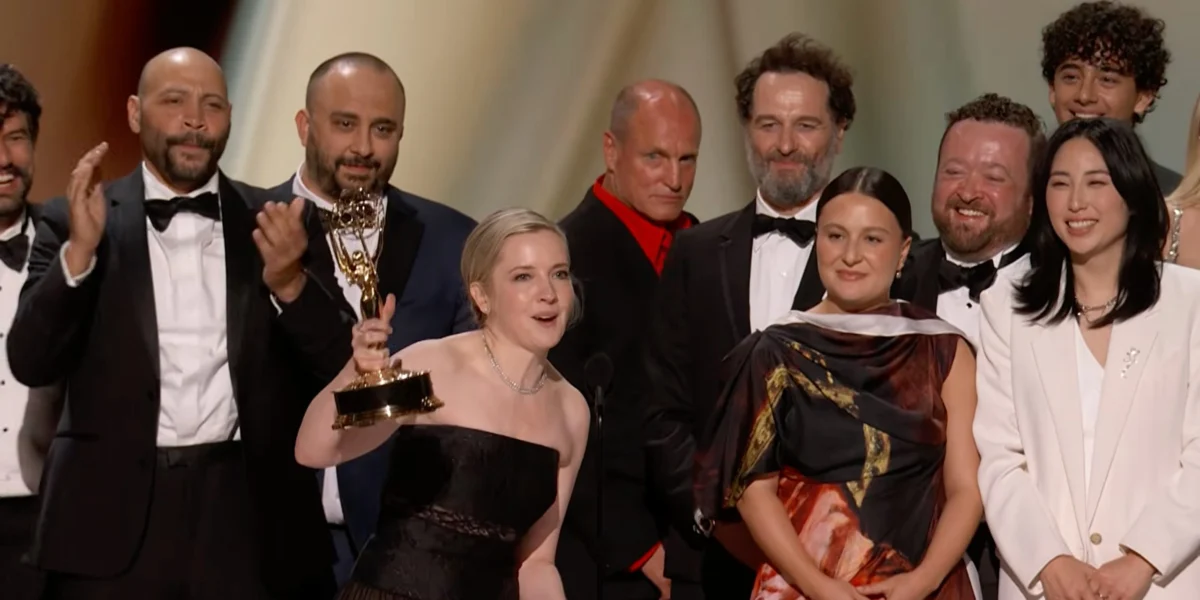
The 78th Primetime Emmy Awards concluded last night, marking a pivotal moment in the evolution of the television industry as it continues to grapple with the shifting landscape of streaming consumption, production cycles, and the integration of new narrative formats. The ceremony, which celebrated the finest achievements in television during the past year, served as a barometer for cultural relevance, highlighting both established juggernauts and the emergence of limited series that have redefined the medium. As the industry pivots toward the intense focus of the upcoming Oscar season, the television community paused to evaluate a night defined by both predictable triumphs and unexpected upsets.
The broadcast, while focusing on the recognition of artistic excellence, also served as a focal point for the logistical challenges inherent in the current era of "Peak TV." With members of the critical and media community, including representatives from Next Best Picture, balancing their attendance at the Toronto International Film Festival (TIFF) against the live coverage of the ceremony, the event highlighted the increasingly global and overlapping nature of the entertainment industry’s calendar.
A Chronology of the Television Awards Cycle
The road to the 78th Primetime Emmy Awards began in late 2025, following a year of intense production schedules. The nomination phase, which concluded in July 2026, saw a record number of submissions, underscoring the sheer volume of content currently competing for audience attention. Throughout the summer, industry pundits and trade publications tracked the "For Your Consideration" campaigns, which were noted for their reliance on digital engagement and targeted streaming pushes.
The ceremony itself followed a traditional structure, though it was marked by the distinct hosting style of Mariska Hargitay, whose presence added a layer of industry gravitas to the proceedings. The event was characterized by a rapid succession of awards, reflecting the Television Academy’s ongoing efforts to streamline the broadcast to maintain viewer retention in an age of fragmented digital consumption.
Supporting Data and Industry Trends
An analysis of the 78th Emmy winners reveals a sustained trend toward the dominance of limited series. Historically, the Emmys have shifted from rewarding long-running network procedurals to prioritizing high-budget, star-driven limited series that offer a self-contained narrative arc. Data from the last three cycles suggests that streaming platforms, particularly those with expansive back-catalogs, have secured a higher percentage of wins compared to traditional linear broadcast networks.
This shift is not merely stylistic but financial. The cost-per-episode for winning series has trended upward, reflecting the industry’s shift toward "prestige" television as a means of reducing subscriber churn. Furthermore, the 78th edition saw an increase in international representation, reflecting the broader global appetite for non-English language content that has been successfully distributed through major platforms. The integration of international series into the main categories remains a topic of significant discourse within the Academy, as it forces a reevaluation of what constitutes a "Primetime" production.
Evaluating the Production and Hosting
The presentation of the 78th Emmy Awards was noted for its technical proficiency and its attempt to balance the ceremony’s length with the need to honor a wide breadth of craft categories. The inclusion of specialized awards—often relegated to the Creative Arts ceremony—within the main broadcast was a point of contention among industry analysts. However, the decision to maintain a tighter focus on major categories was generally viewed as a successful effort to boost engagement.
Mariska Hargitay’s performance as host was widely analyzed for its blend of humor and institutional respect. As a veteran of the procedural format, her presence bridged the gap between the traditional network television model and the new streaming paradigm. Observers noted that her ability to navigate the stage and maintain the pacing of the event provided a necessary anchor during a night that saw several high-profile, and at times unpredictable, outcomes.
Analysis of Wins and Industry Implications
The winners of the 78th Primetime Emmy Awards provide a clear picture of the current priorities of the Television Academy. Categories that once favored broad-appeal comedies and dramas are increasingly recognizing series that engage with complex socio-political themes. The awards for writing and directing specifically demonstrated a preference for character-driven narratives that challenge traditional tropes.

One of the most significant implications of this year’s results is the validation of the "event series" model. Studios and streamers are increasingly utilizing limited series to anchor their platforms, and the Academy’s consistent recognition of these projects suggests that the trend will continue into the next cycle. For the traditional studios, the challenge remains: how to maintain a competitive edge in a market where the barrier to entry for high-quality production has been significantly lowered by streaming infrastructure.
The Impact of the Next Best Series Podcast
In the immediate aftermath of the ceremony, industry analysts, including Daniel Howat, Amy Kim, and Alyssa Christian, convened to provide a detailed breakdown of the night’s events. Their discourse, captured in the most recent episode of the Next Best Series Podcast, serves as a primary source for understanding the critical consensus regarding the winners and the show’s overall presentation.
Their analysis, which touches upon the "shocking" nature of certain wins, underscores the unpredictability of the current awards landscape. By placing these wins within the context of the wider industry, the podcast provides listeners with an essential framework for interpreting the evening. This episode marks a transition in the podcast’s schedule as the team shifts focus toward the upcoming film awards season. While the podcast serves as an independent analysis, its popularity reflects the growing audience demand for in-depth, post-ceremony commentary that goes beyond the surface-level reporting found in mainstream news outlets.
Future Outlook and Broader Implications
As the television industry looks toward 2027, the 78th Emmys will be remembered as a transitionary event. The challenges faced by the organizers—managing the logistics of an global industry, maintaining audience interest, and balancing the influence of streamers—will only intensify.
The shift toward a more fragmented media landscape means that the "water cooler" moments that once defined the television experience are becoming increasingly rare. The Emmys attempt to aggregate these moments into a single, cohesive narrative of the year’s best television. However, as the volume of content continues to grow, the ability of any single awards body to definitively crown the "best" is under constant pressure.
Furthermore, the economic pressures on the industry, including labor negotiations, production costs, and the need for fiscal sustainability, suggest that the coming year will be one of consolidation. Studios may look to reduce the volume of content, focusing instead on high-impact projects that have the potential to garner the type of recognition seen at this year’s Emmys.
Conclusion and Resources for Further Engagement
The 78th Primetime Emmy Awards were more than a night of accolades; they were an assessment of the current state of artistic labor in the television industry. Whether through the lens of the critical analysis provided by platforms like Next Best Picture or the official records maintained by the Television Academy, the results offer a roadmap for the future of the medium.
For those interested in exploring the intricacies of these awards, resources such as the Next Best Picture Podcast offer a detailed look at the winners and the broader implications of their success. The availability of such content on platforms like the Evergreen Podcasts Network ensures that the discourse remains accessible to a wide audience. As the industry moves into the next phase of its evolution, the insights provided by those who track the awards cycle will remain an invaluable resource for understanding the trends that shape our screens.
The industry’s commitment to rewarding innovation, despite the complexities of the modern landscape, ensures that the Primetime Emmy Awards will continue to serve as a critical, albeit evolving, institution. The conversations initiated by this year’s winners, from the nature of storytelling to the mechanics of the industry itself, will undoubtedly inform the creative decisions of writers, producers, and executives in the months to come. As the curtains close on this year’s ceremony, the focus shifts, yet the pursuit of excellence remains the primary driver of the television industry. The 78th Primetime Emmy Awards have set a high bar for the year ahead, challenging creators to push the boundaries of what is possible in an increasingly competitive and rapidly changing environment.