

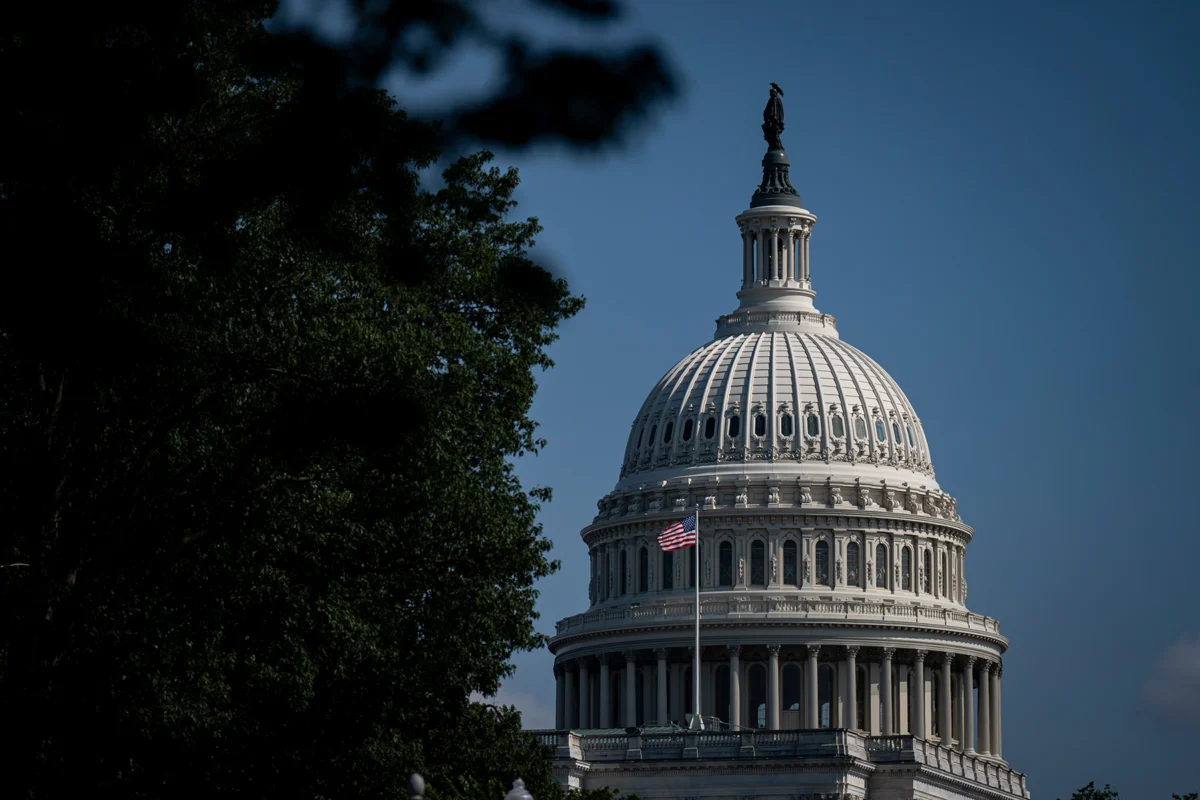
The 119th United States Congress has inherited a dense legislative agenda that directly intersects with the modern music ecosystem, prompting major trade organizations, independent creators, and corporate entertainment giants to mobilize lobbying efforts in Washington, D.C. At the heart of these legislative battles are profound questions regarding copyright protection, artificial intelligence integration, ticketing transparency, royalty distribution, and live event economics. As lawmakers draft, debate, and revise federal statutes, industry stakeholders are paying close attention to Capitol Hill, recognizing that the resulting policy shifts will shape the operational realities of the commercial music marketplace for years to come.
To navigate this complex regulatory environment, industry monitors and trade publications are maintaining comprehensive tracking mechanisms to follow how individual bills progress through congressional committees, floor votes, and eventually the presidential desk. The stakes are particularly high given the rapid evolution of digital streaming platforms, the proliferation of generative artificial intelligence, and mounting consumer frustration over ticketing monopolies and hidden fees.
Legislative Background and Structural Realities
The formulation of music industry policy in Washington is a multi-layered marathon that routinely spans multiple congressional sessions. Proposed laws rarely travel a straight path; instead, they typically originate as companion bills introduced simultaneously in both the House of Representatives and the Senate. Once filed, these measures are referred to specific committees—such as the House Judiciary Committee or the Senate Committee on Commerce, Science, and Transportation—where they undergo rigorous review, expert hearings, and strategic markups.
Throughout this process, lawmakers reconcile differing versions of bills, negotiate compromises between opposing industry factions, and build the requisite bipartisan coalitions necessary to survive Senate filibusters and secure a majority vote in the House. Only after successfully clearing both chambers can a unified bill be sent to the president for final enactment into law.
Historically, music-related legislation has enjoyed robust bipartisan backing. Lawmakers from both sides of the aisle frequently find common ground on issues concerning intellectual property rights enforcement and economic development within their home districts. However, fierce lobbying battles frequently erupt behind closed doors. Major record labels, digital service providers (DSPs), independent publishers, performing rights organizations (PROs), live entertainment conglomerates like Live Nation, and grassroots advocacy groups like the Recording Academy and the Recording Industry Association of America (RIAA) routinely deploy significant financial resources and legal expertise to influence the final text of these federal statutes.
Key Areas of Legislative Focus in the 119th Congress
The legislative proposals currently under consideration target several distinct pillars of the music business, reflecting the broad scope of economic and legal challenges facing the industry today.
1. Songwriting, Licensing, and Royalty Reform
The digital age has fundamentally altered how music is consumed, yet legacy copyright frameworks often struggle to keep pace with technological innovation. Lawmakers in the 119th Congress are reviewing several bills designed to modernize statutory licensing rates, close loopholes in performance royalty collections, and ensure that songwriters and composers receive fair compensation when their works are utilized across terrestrial radio, streaming services, and digital video platforms. Past legislative victories, such as the Music Modernization Act of 2018, set a precedent for sweeping administrative overhauls, and current proposals seek to build upon that framework to address residual imbalances in mechanical and performance royalties.
2. The Artificial Intelligence Frontier
Perhaps the most rapidly evolving legislative battleground involves the rise of generative artificial intelligence. The ability of AI models to ingest copyrighted master recordings and musical compositions to generate convincing soundalikes and unauthorized vocal clones has triggered alarm bells across the creative community. Pending legislation aims to establish stringent federal guardrails against unauthorized digital replicas, protect the publicity rights of performers, and clarify copyright ownership boundaries when human authorship is combined with machine learning algorithms. Industry advocates argue that without immediate federal intervention, artists risk losing control of their likenesses and revenue streams to unregulated technological disruption.
3. Ticketing Transparency and Live Event Economics
The live music sector, which rebounded aggressively following pandemic-era shutdowns, faces intense scrutiny over ticketing practices, secondary market speculation, and opaque fee structures. Federal lawmakers are weighing measures aimed at curbing predatory bot operations, mandating all-inclusive upfront pricing across primary and secondary ticketing platforms, and addressing consolidation within the live entertainment supply chain. Consumers and independent venue operators have increasingly called upon Congress to break up monopolistic practices and restore a fair, competitive marketplace for live concert ticket sales.
4. Tourism and Cultural Heritage
Beyond digital platforms and live venues, federal policy frequently impacts the cultural infrastructure that sustains regional music economies. Bills supporting music tourism, heritage preservation, and federal recognition of historic recording studios seek to stimulate local economic growth while preserving the foundational history of American popular music. These measures often leverage federal grants, tax incentives, and cross-agency promotional campaigns to bolster cultural tourism corridors across the United States.
Industry Advocacy and Stakeholder Alignment
The advocacy landscape surrounding the 119th Congress is characterized by unprecedented alignment among traditional rivals, as well as calculated friction between tech platforms and content creators. Major trade bodies—including the RIAA, the Recording Academy, the American Association of Independent Music (A2IM), and the National Music Publishers’ Association (NMPA)—have actively endorsed a slate of priority bills aimed at protecting intellectual property.
Concurrently, corporate giants and labor unions alike have engaged Washington policy-makers to ensure their operational interests are safeguarded. For instance, representatives from the live entertainment sector frequently testify before congressional committees regarding secondary ticketing abuses and antitrust concerns, while tech industry representatives lobby to maintain safe harbor provisions and foster an environment conducive to software innovation.
This delicate balancing act underscores the fundamental tension of modern copyright law: fostering technological advancement while simultaneously guaranteeing that creators retain exclusive rights to monetize their artistic output.
Analytical Implications for the Broader Economy
The ultimate enactment of the bills currently tracked by industry analysts carries profound implications not only for major entertainment conglomerates and chart-topping artists, but also for the vast ecosystem of independent creators, session musicians, songwriters, and small business owners who form the backbone of the musical economy.
If successful, the legislative initiatives before the 119th Congress could establish global regulatory benchmarks, particularly in the realm of artificial intelligence governance and copyright enforcement. Conversely, legislative gridlock or heavily watered-down compromises could leave creators vulnerable to ongoing revenue erosion in an increasingly automated and consolidated media landscape.
As the 119th Congress progresses through its legislative calendar, tracking the trajectory of these pending bills remains essential for industry participants seeking to anticipate regulatory shifts, adapt their business models, and protect the economic viability of musical creation in the United States.