The modern obsession with hyper-productivity and round-the-clock multitasking has found a poignant, beautifully crafted mirror in the newly released, hand-drawn animated short film Off-Time. Created entirely by Ukrainian animation artist and filmmaker Nata Metlukh, the ten-minute project has officially made its debut online following a successful and acclaimed run on the international festival circuit. The film, which addresses the pervasive cultural phenomenon of burnout, offers a striking visual narrative about a data engineer whose rigid, algorithmic approach to daily existence ultimately leads to profound disorder.
As contemporary society grapples with peak burnout culture and the relentless pressures of the digital age, Metlukh’s labor-intensive artistic triumph captures a universal anxiety. By exploring the friction between human limitations and the tyranny of the clock, the short film transcends its minimalist premise to deliver a deeply resonant meditation on modern life, time management, and the unexpected liberation found when systematic control collapses.
Main Facts of the Production and Narrative
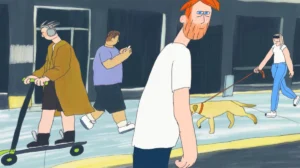
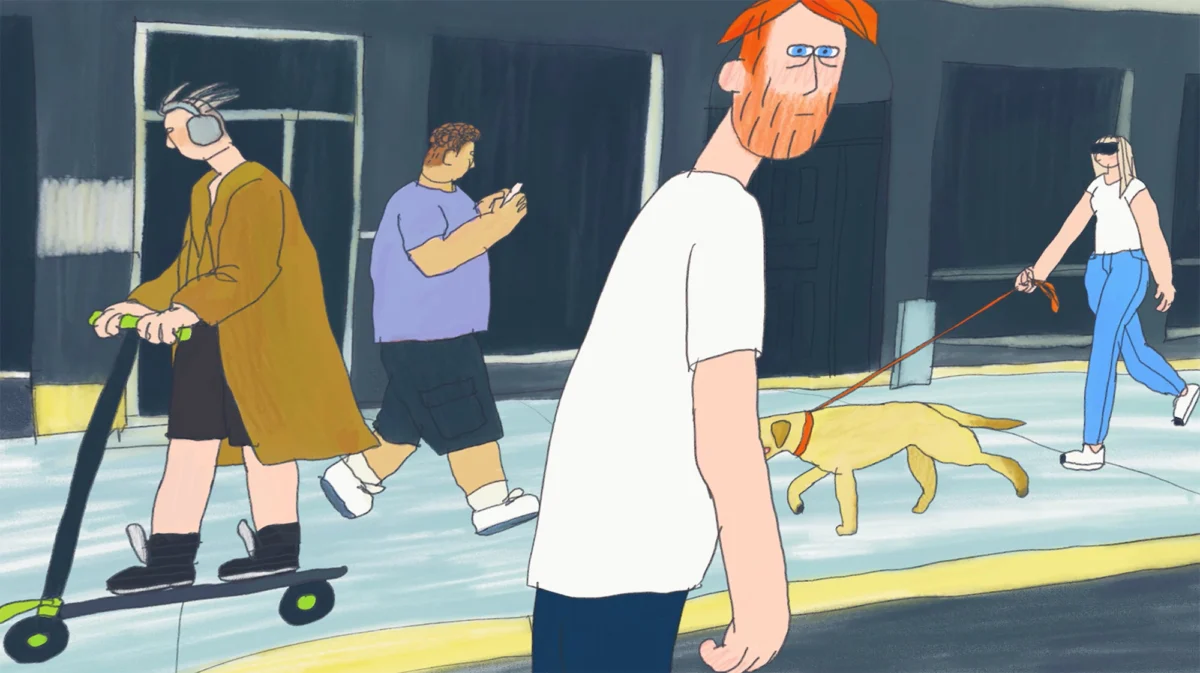
At its core, Off-Time follows the frantic daily routine of a data engineer who is utterly convinced that hyper-multitasking is the ultimate solution to the modern time deficit. Armed with a spreadsheet mentality, he attempts to compress, optimize, and micro-manage every single second of his waking existence. However, the film subverts this premise immediately: despite his obsessive oversight, his domestic environment spirals into disarray, professional obligations pile into insurmountable backlogs, and routine tasks—such as cooking breakfast—consistently end in scorched failure.
It is only when the rigid framework of time literally and metaphorically breaks apart that the protagonist stumbles upon genuine joy, peace, and human presence. Running a full ten minutes—a substantial length for an independent hand-drawn short—the film utilizes every frame to build a meticulously detailed, visually unique world. The animation is characterized by expressive linework, vibrant yet controlled color palettes, and striking compositions that reflect the internal psychological state of the protagonist.

The project features original sound design and musical composition by Maksym Andrukh, whose auditory landscape amplifies the frantic ticking of the clock, the clatter of digital environments, and the eventual, liberating silence of disrupted time. Metlukh, who is originally from Ukraine and currently based in California, served as the sole animator and creator, bringing a singular artistic vision to fruition over several years of painstaking hand-drawn craftsmanship.
Chronology and Production Timeline
The genesis of Off-Time dates back to the early 2020s, a period defined globally by shifts in work culture, remote isolation, and a renewed cultural examination of how human beings allocate their time. In 2022, the production received a critical early boost when Metlukh was selected for the prestigious Hiroshima Artist-in-Residence program. This residency provided foundational support, allowing the filmmaker to develop the structural narrative and visual language of the ambitious project.
Over the next several years, Metlukh dedicated herself to the arduous, frame-by-frame process of hand-drawing the entire production. While many contemporary animators rely heavily on digital shortcuts and automated interpolation software, Metlukh embraced traditional hand-made animation techniques to imbue the project with organic texture and emotional resonance.
Following its completion, Off-Time entered the international film festival circuit, where it enjoyed a stellar reception. In 2025, the film achieved significant milestones, capturing the Grand Prix at the Golden Kuker Animation Film Festival in Bulgaria and earning the prestigious Satoshi Kon Award for Excellence in Animation at the Fantasia International Film Festival. The online premiere in September 2026, brought to wider public attention via digital curators such as Catsuka, successfully transitioned the award-winning short from the festival circuit to a global audience via YouTube.
Supporting Data and Creative Background

The critical acclaim garnered by Off-Time is the latest achievement in Nata Metlukh’s established career as an independent animation filmmaker and illustrator. Known for her incisive, witty, and visually distinct storytelling, Metlukh’s body of work frequently explores contemporary social behaviors, psychological quirks, and systemic absurdities. Her previous projects have similarly earned recognition for their sharp observational humor and distinct graphical aesthetics.
The production of a ten-minute, single-artist hand-drawn animation is a statistical rarity in the modern commercial animation landscape. While major studios rely on hundreds of specialized artists, render farms, and substantial capital investments, independent shorts like Off-Time rely entirely on the stamina, multidisciplinary skill set, and long-term dedication of the creator. Metlukh’s portfolio, detailed across her official website and professional channels, highlights a career dedicated to independent artistic integrity and hand-crafted visual narratives.
Furthermore, the collaboration with sound designer Maksym Andrukh represents a crucial component of the film’s success. In traditional animation, sound often acts as a secondary layer; in Off-Time, the audio architecture works in tandem with the visuals to mirror the protagonist’s descent into frantic multitasking and his subsequent awakening.
Critical Response and Festival Accolades
The trajectory of Off-Time from a residency-supported concept to an award-winning festival darling underscores the universal resonance of its subject matter. Industry professionals and festival juries have repeatedly praised the film for its technical precision, narrative economy, and thematic relevance.
When the film secured the Satoshi Kon Award for Excellence in Animation at the Fantasia International Film Festival in 2025, the recognition cemented its status as a standout achievement in the global animation community. Jurors and critics highlighted Metlukh’s ability to translate an abstract psychological burden—the modern obsession with efficiency—into tangible, visually inventive physical comedy and drama.

The subsequent Grand Prix win at the Golden Kuker Animation Film Festival further validated the film’s artistic merit, positioning Metlukh as a formidable voice in contemporary independent animation. Reviewers upon the film’s 2026 digital release have similarly emphasized its timeliness, noting that its thematic exploration of burnout feels increasingly urgent as global workforce pressures evolve.
Broader Impact and Cultural Implications
The release of Off-Time arrives at a critical cultural juncture. As post-pandemic workforce transformations, the proliferation of digital communication tools, and the normalization of hustle culture continue to reshape daily life, burnout has transitioned from an individual medical concern to a systemic societal issue. Sociologists and occupational psychologists frequently point to the illusion of multitasking as a primary driver of chronic stress, cognitive fatigue, and diminished productivity.
By engaging directly with these themes through the disarming medium of hand-drawn animation, Metlukh offers audiences a safe, reflective space to confront their own lifestyle habits. The narrative arc of the data engineer—whose relentless pursuit of efficiency paradoxically destroys his ability to live—serves as a gentle yet biting satire of modern optimization culture.
Beyond its cultural commentary, Off-Time stands as a testament to the viability and power of independent, auteur-driven animation. In an entertainment ecosystem increasingly dominated by algorithmic content generation and corporate uniformity, Metlukh’s commitment to hand-made, deeply personal artistry demonstrates the irreplaceable value of human perspective. For viewers navigating the complexities of the modern attention economy, the film provides not only aesthetic delight but a timely reminder of the profound necessity of slowing down, letting go of artificial control, and embracing the unpredictable rhythms of authentic life.