



The landscape of modern horror has increasingly embraced visceral, physical metaphors to explore contemporary socioeconomic anxieties. Following in the footsteps of recent high-profile cinematic explorations of bodily autonomy and systemic pressure, French filmmaker Marion Le Coroller has stepped into the international spotlight with her feature-length directorial debut, Sanguine, which is receiving alternative titles across global markets, including Species in English-language territories and Mutation for its upcoming distribution in South Korea. Promoted by international distributors as "The Substance for the Burnout Generation," the film has officially debuted its first-ever Korean teaser trailer and promotional posters, generating significant buzz among genre enthusiasts following its initial festival run earlier this year.
Main Facts and Narrative Premise
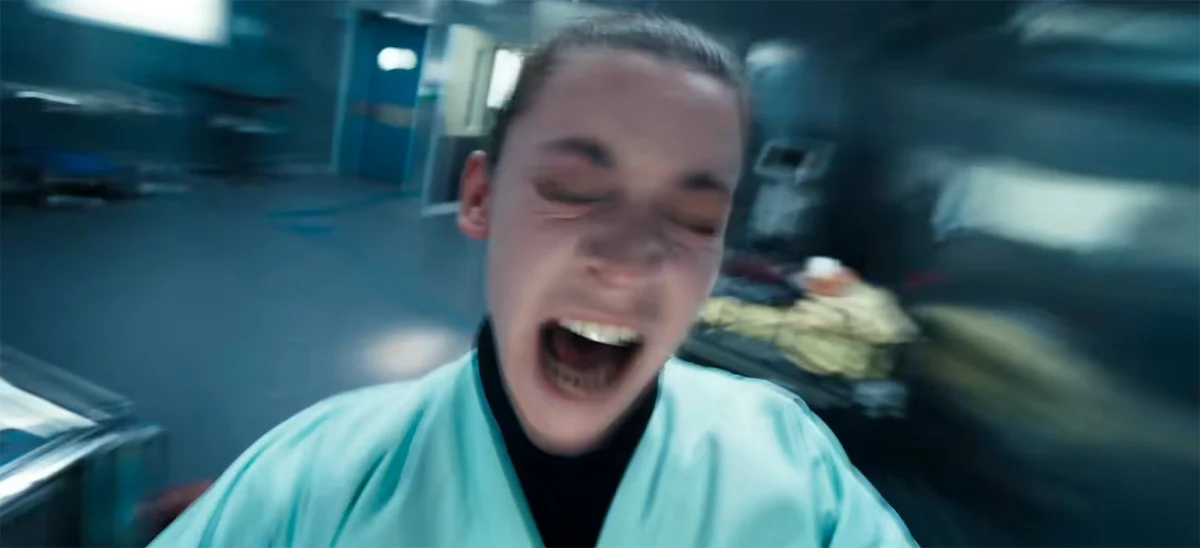
At the core of Sanguine is an unflinching look at the toll of institutional overwork, medical burnout, and generational exhaustion. The narrative centers on Margot, played by rising talent Mara Taquin, a young and ambitious medical intern who has secured a placement in one of the country’s most fiercely competitive hospital emergency rooms. Plunge into a high-stakes, hyper-demanding environment where the margin for error is nonexistent, Margot quickly finds herself struggling to keep pace with the relentless physical and psychological demands of her position.
The plot thickens when Margot is tasked with treating a succession of patients around her own age who present with bizarre, inexplicable medical symptoms that defy standard diagnoses. As she attempts to uncover the underlying pathology connecting these peculiar cases, her own physical form begins to undergo increasingly radical, disturbing, and grotesque transformations. The film utilizes these grotesque body horror elements to externalize the silent agony of youth subjected to extreme occupational pressure, late-stage capitalism, and systemic burnout.

Aside from Mara Taquin in the lead role, the international cast features a dynamic ensemble of performers, including seasoned French actress Karin Viard, Kim Higelin, and Sami Outalbali. The screenplay was co-written by director Marion Le Coroller and Thomas Pujol, with production duties handled by Carole Lambert.
Chronology of the Festival Circuit and Release Timeline
The journey of Sanguine from a completed production to a globally discussed genre property has spanned several key milestones across the international film festival calendar throughout 2026. The chronological rollout of the film highlights its strategic positioning within the global fantasy and horror festival circuit:
- May 2026: Sanguine celebrates its world premiere at the prestigious 2026 Cannes Film Festival, securing a coveted slot in the festival’s specialized Midnight Screenings section. This platform introduces the film to international critics, buyers, and genre aficionados.
- Summer 2026: Following its Cannes debut, the film travels to the United Kingdom for a screening at FrightFest London, alongside a prominent presentation at Germany’s established Fantasy Filmfest, further solidifying its reputation as a transatlantic genre talking point.
- September 14, 2026: Noori, a prominent South Korean entertainment and distribution entity, drops the official local teaser trailer and promotional posters for the film under its regional title, Mutation, alongside the English designation Species.
- Fall 2026: The film is scheduled to screen at the Bucheon International Fantastic Film Festival (BIFAN) in South Korea, widely recognized as one of Asia’s premier genre film events.
- November 2026: Mutation is slated for a theatrical release across South Korean cinemas, marking its first major commercial rollout in an international market. As of this reporting, a specific North American or domestic U.S. theatrical release date has not yet been finalized by domestic distributors.
Supporting Data and Contextual Background
Body horror as a cinematic subgenre has experienced a notable commercial and critical renaissance in the mid-2020s. Films that interrogate societal anxieties through the literal mutation, decay, or transformation of the human anatomy have found receptive audiences among younger demographics navigating uncertain economic climates. The tagline utilized by international marketers comparing Sanguine to Coralie Fargeat’s acclaimed body horror feature The Substance is indicative of a broader industry trend: positioning high-concept, female-led body horror as a vehicle for systemic critique.

For director Marion Le Coroller, Sanguine represents a significant step up in scale and visibility. Le Coroller previously directed the feature Built 2 Kill, in addition to a curated selection of short-form narrative projects. Her transition into high-concept horror via Sanguine demonstrates an alignment with contemporary European genre cinema, which has increasingly utilized dark, visceral aesthetics to address institutional failures within healthcare, corporate labor structures, and modern urban existence.
Critical Reception and Audience Expectations
Initial critical responses to Sanguine following its Midnight section premiere at the Cannes Film Festival were notably mixed, a common trajectory for provocative, boundary-pushing genre cinema that prioritizes sensory discomfort over conventional narrative closure. While some reviewers debated the pacing and tonal consistency of the narrative, the film’s striking practical effects, bold cinematography, and uncompromising thematic focus earned praise from dedicated horror purists.
The strategy of leaning into the "burnout generation" messaging aims to capitalize on a demographic shift in horror viewership. Contemporary audiences, particularly millennials and Gen Z workers facing high living costs, precarious employment, and systemic institutional exhaustion, have demonstrated a profound appetite for horror cinema that reflects real-world anxieties. By translating the abstract psychological weight of professional burnout into tangible, flesh-and-blood biological horror, Sanguine taps into a collective cultural neurosis.
Official Responses and Industry Implications

While major studio executives have largely remained tight-lipped regarding specific international box office projections for Sanguine, independent acquisition agents have monitored the title closely since its Cannes bow. The enthusiastic pickup by South Korean distributors—culminating in its upcoming showcase at BIFAN and subsequent November theatrical rollout—demonstrates the strong cross-cultural appeal of elevated European horror within Asian genre markets.
The decision to market the film under three distinct titles—Sanguine in France, Species for general international sales, and Mutation in South Korea—reflects the complex mechanics of global film distribution. Distributors frequently adapt titles to align with local linguistic nuances and genre expectations, ensuring that audiences immediately grasp the core premise of the film, whether through the connotation of physical alteration (Mutation) or biological classification (Species).
Broader Impact and Future Outlook for the Genre
As Sanguine prepares for its commercial debut in South Korea and continued festival circulation, its trajectory serves as a bellwether for the health of independent European genre cinema. The ability of mid-budget horror films to bypass traditional arthouse gatekeeping by leveraging high-concept imagery and relatable modern themes underscores a shifting paradigm in international film financing and distribution.
Whether Sanguine will secure a wide theatrical and streaming release in North America remains a point of speculation for industry observers, though the online traction generated by its newly released Korean teaser trailer suggests a healthy baseline of anticipation among horror communities worldwide. As distributors continue to gauge interest, the film stands as a visceral reminder of the toll exacted by modern labor cultures—a cinematic wound opened wide for audiences to witness firsthand.