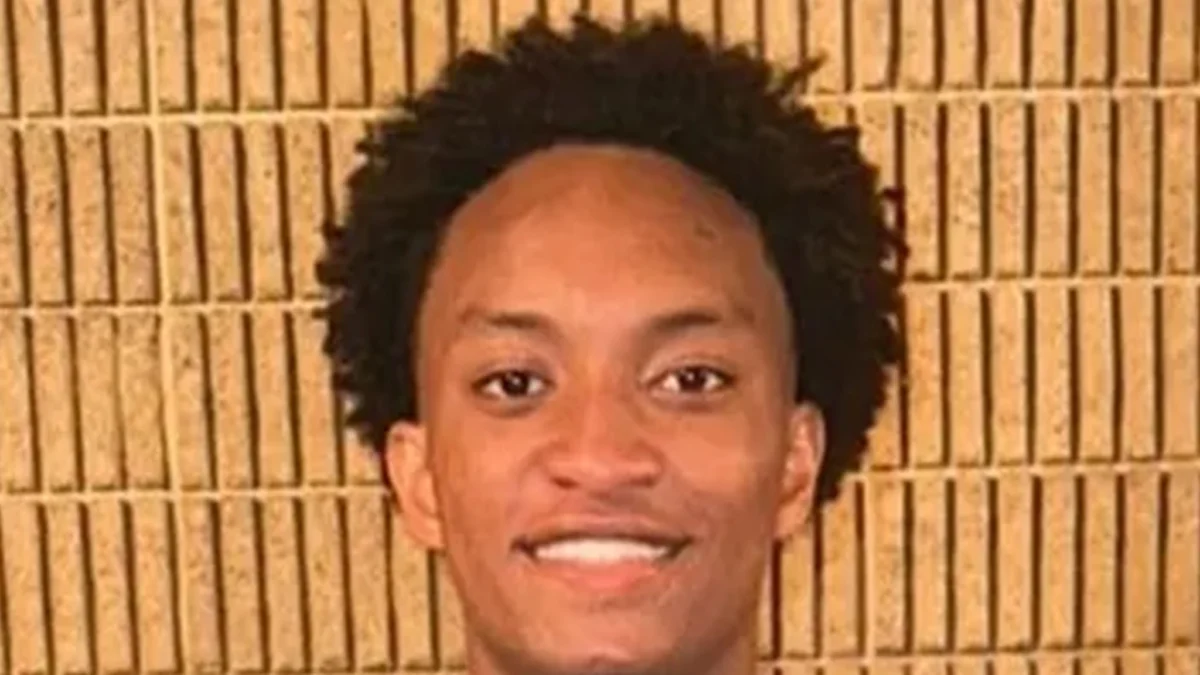
Warren Hudson, who has identified himself as the "best friend" of the late Nolan Wells and was among the last individuals to see the 18-year-old alive, has publicly broken his silence regarding the tragic passing of his peer. In an emotional statement, Hudson conveyed his profound grief over Wells’ death and expressed significant distress over the unsubstantiated rumors implicating him in foul play, which have rapidly proliferated across social media platforms and local discourse. His remarks, reported by the New York Post, underscore the intense pressure and emotional toll placed upon those connected to high-profile, mysterious deaths, particularly when public speculation outpaces factual information.
"It’s a sick world we’re living in," Hudson told the New York Post, his voice reportedly laden with emotion. "It’s terrible. Nolan was my best friend." His sentiment captures the anguish of losing a close companion compounded by the torment of being wrongly accused. He further emphasized the lack of concrete evidence fueling the online frenzy: "There’s no facts out, just a lot of rumors. That’s just how the internet is today. That’s really it, it’s horrible." This plea for restraint and reliance on verified information highlights a recurring challenge in contemporary crime reporting, where the speed of digital communication often prioritizes sensationalism over substantiated details.
A Fateful Fourth of July: The Disappearance and Discovery
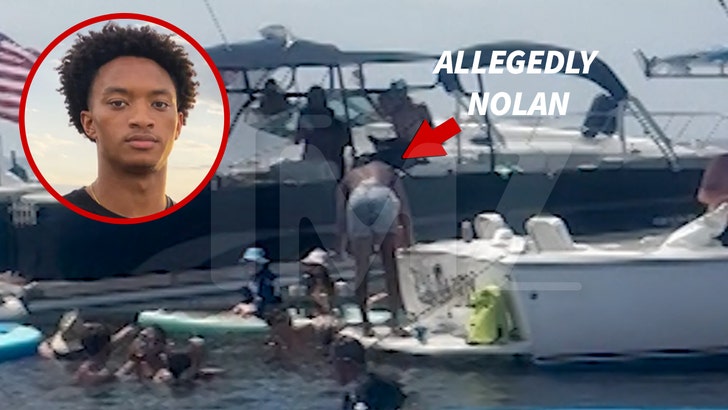
The tragic chain of events began on the Fourth of July weekend, a time traditionally marked by celebration and leisure. Nolan Wells, along with Warren Hudson and other friends, embarked on a boat trip in the vicinity of Horn Island, a serene, uninhabited barrier island off the coast of Mississippi, part of the Gulf Islands National Seashore. This picturesque setting, usually a haven for recreational activities, would soon become the focal point of a harrowing search and a somber discovery.
According to available information, Nolan Wells was last definitively seen around 4:30 PM on July 4th. The precise circumstances of his disappearance from the boat or the island remain unclear, forming the core mystery of the ongoing investigation. When Wells failed to return or make contact, a massive search operation was initiated. Multiple agencies, including the U.S. Coast Guard, local law enforcement (such as the Jackson County Sheriff’s Office), and dedicated volunteers, launched an extensive air, land, and sea search across the complex coastal waters and marshlands surrounding Horn Island. The urgency of the search was amplified by the inherent dangers of the open water, strong currents, and the remote nature of the barrier islands, which present significant challenges to recovery efforts.
After two days of relentless searching, hope dwindled, and the worst fears were confirmed. On July 6th, Nolan Wells’ body was discovered on the shoreline of Horn Island. The grim finding shifted the focus from a rescue mission to a death investigation, immediately raising questions about how an 18-year-old could vanish from a boat trip with friends and be found deceased under unexplained circumstances. The lack of immediate public information regarding the cause or manner of death only fueled public speculation, setting the stage for the rumors that have since plagued Hudson and the Wells family.
The Weight of Suspicion: Warren Hudson’s Ordeal
In the wake of such a tragedy, particularly one cloaked in mystery, public discourse often seeks immediate answers, sometimes prematurely assigning blame. Warren Hudson, by his own admission, was among the last to see Nolan Wells alive, placing him in an unenviable position at the center of public scrutiny. The internet, with its capacity for rapid information dissemination and unverified conjecture, quickly became a breeding ground for theories ranging from accidental drowning to deliberate foul play. As the "best friend" present during the final known hours, Hudson inevitably became a target for these burgeoning rumors.
Hudson’s emotional interview with the New York Post serves as a poignant reminder of the personal cost of such widespread speculation. His assertions of a deep friendship with Nolan are juxtaposed against the insidious nature of online accusations. While law enforcement agencies typically maintain strict protocols regarding the release of investigative details to protect the integrity of their work and the privacy of those involved, this necessary silence can inadvertently create a vacuum that social media readily fills with unconfirmed narratives. Hudson’s distress is palpable, highlighting the psychological burden of being linked, however unfairly, to the death of a loved one, particularly when the public, hungry for explanations, is quick to jump to conclusions.
The public’s tendency to scrutinize those closest to a victim in mysterious deaths is well-documented. In the absence of official statements, the narrative often defaults to suspicion, especially when the facts are scarce. Hudson’s frustration with the "sick world" and the prevalence of "rumors" over "facts" reflects a broader societal challenge: balancing the public’s right to information with the imperative to protect individuals from undue defamation and to ensure a fair investigative process.
Dual Investigations: Seeking Answers Beyond the Official Narrative
The complexity and unanswered questions surrounding Nolan Wells’ death have prompted his family to embark on an independent quest for truth, running parallel to the official law enforcement investigation. This decision to conduct their own inquiry, including commissioning an independent autopsy, suggests a profound desire for comprehensive answers and, perhaps, a degree of dissatisfaction or distrust regarding the scope or pace of the official process.
Local authorities, likely led by the Jackson County Sheriff’s Office with potential assistance from state agencies like the Mississippi Bureau of Investigation, are undoubtedly pursuing all leads. A standard death investigation involves meticulous evidence collection, witness interviews, forensic analysis, and a thorough medical examination to determine the cause and manner of death. This process, especially in cases involving water and remote locations, can be protracted and challenging. Factors such as environmental conditions, the state of the body, and the absence of direct witnesses can complicate the establishment of a clear timeline or definitive cause.
The family’s decision to order an independent autopsy is a significant step. While official autopsies are conducted by medical examiners as part of the legal process, an independent examination by a private pathologist can offer a second opinion or explore avenues that might not be prioritized by the state. This often occurs when families have specific concerns about potential foul play, seek to verify findings, or simply desire a more detailed and independent assessment of injuries or circumstances surrounding the death. Should the findings of the independent autopsy differ significantly from the official report, it could introduce further complexity into the case and potentially lead to legal challenges or renewed investigative efforts. This parallel approach underscores the family’s unwavering commitment to uncovering every possible detail surrounding Nolan’s untimely demise.
A Community Mourns, Leaders Demand Justice
On Monday, July 20, 2026, just over two weeks after his body was found, Nolan Wells was laid to rest in a poignant funeral service at Center Pointe Church in Ocean Springs, Mississippi. The ceremony was a somber occasion, bringing together family, friends, and community members united in grief and a shared demand for justice. The attendance and participation of prominent national figures underscored the growing public interest and the perceived gravity of the case.
The service was officiated by the renowned civil rights leader, Reverend Al Sharpton, whose presence signaled the broader implications of Wells’ death and the community’s call for transparency and thoroughness in the investigation. Rev. Sharpton, known for advocating for justice in cases involving marginalized communities and suspicious deaths, delivered a powerful eulogy that resonated with the congregation’s sorrow and their collective yearning for accountability. His involvement often elevates a local tragedy to a national conversation, drawing attention and resources that might not otherwise be available.
Adding to the impactful presence at the funeral, acclaimed filmmaker and media mogul Tyler Perry also attended, demonstrating his solidarity with the Wells family. Both Sharpton and Perry made a significant and immediate contribution to the pursuit of justice by jointly announcing a substantial reward. Each pledged $50,000, creating a combined reward of $100,000 for any information that leads to the arrest and conviction of those responsible for Nolan Wells’ death. This substantial sum serves as a powerful incentive for potential witnesses to come forward, particularly if they possess information that they might otherwise be reluctant to share. The offering of such a large reward by high-profile individuals strongly suggests a belief, shared by the family and their advocates, that Nolan Wells’ death was not merely an accident but potentially involved criminal conduct, necessitating a dedicated effort to uncover the truth.
Broader Implications: Social Media, Trust, and the Quest for Truth
The tragic death of Nolan Wells and the subsequent public reaction highlight several critical implications in contemporary society, particularly concerning the role of social media, public trust in institutions, and the enduring quest for truth in mysterious circumstances.
The rapid spread of unverified rumors and accusations against Warren Hudson exemplifies the double-edged sword of social media in high-profile cases. While platforms like X (formerly Twitter), Facebook, and Instagram can mobilize communities, disseminate urgent information, and foster collective action, they also serve as uncontrolled conduits for misinformation and character assassination. The emotional distress articulated by Hudson underscores the profound harm that can be inflicted when online speculation replaces diligent investigative reporting. This phenomenon often places immense pressure on individuals peripherally involved in a tragedy, even before any official findings are released. Law enforcement agencies face the delicate task of managing public information flow without compromising ongoing investigations, a challenge frequently exacerbated by the rapid pace of online discourse.
Furthermore, the Wells family’s decision to launch an independent investigation and commission a separate autopsy speaks volumes about the erosion of public trust in official processes, especially when initial information is scarce or perceived as inadequate. In cases where the circumstances are ambiguous, families often feel compelled to take matters into their own hands to ensure that every possible avenue is explored. This desire for independent verification, while understandable, can sometimes create friction with official investigators, who must adhere to specific legal and procedural guidelines. The involvement of figures like Rev. Al Sharpton and Tyler Perry, who command significant public platforms, further amplifies the call for transparency and thoroughness, implicitly questioning whether the official investigation alone will suffice to deliver comprehensive justice.
The combined $100,000 reward also carries significant implications. It not only provides a powerful financial incentive but also sends a clear message that the family and their supporters believe there is information being withheld or that foul play is highly probable. Such a reward can be instrumental in breaking the silence that sometimes surrounds mysterious deaths, encouraging individuals who might have crucial details to overcome fears or loyalties and speak to authorities. However, it also raises the stakes, potentially attracting false leads or opportunists, which can further complicate an already intricate investigation.
As the community grapples with the loss of Nolan Wells, the ongoing investigations will continue to seek clarity. The case serves as a stark reminder of the devastating impact of unexplained deaths on families and friends, the complexities of modern investigations in the digital age, and the unwavering human desire for truth and justice, even when confronted by a landscape of rumors and unanswered questions. The coming weeks and months will be crucial as both official and independent inquiries strive to piece together the events of that fateful Fourth of July and bring closure to a community yearning for answers.