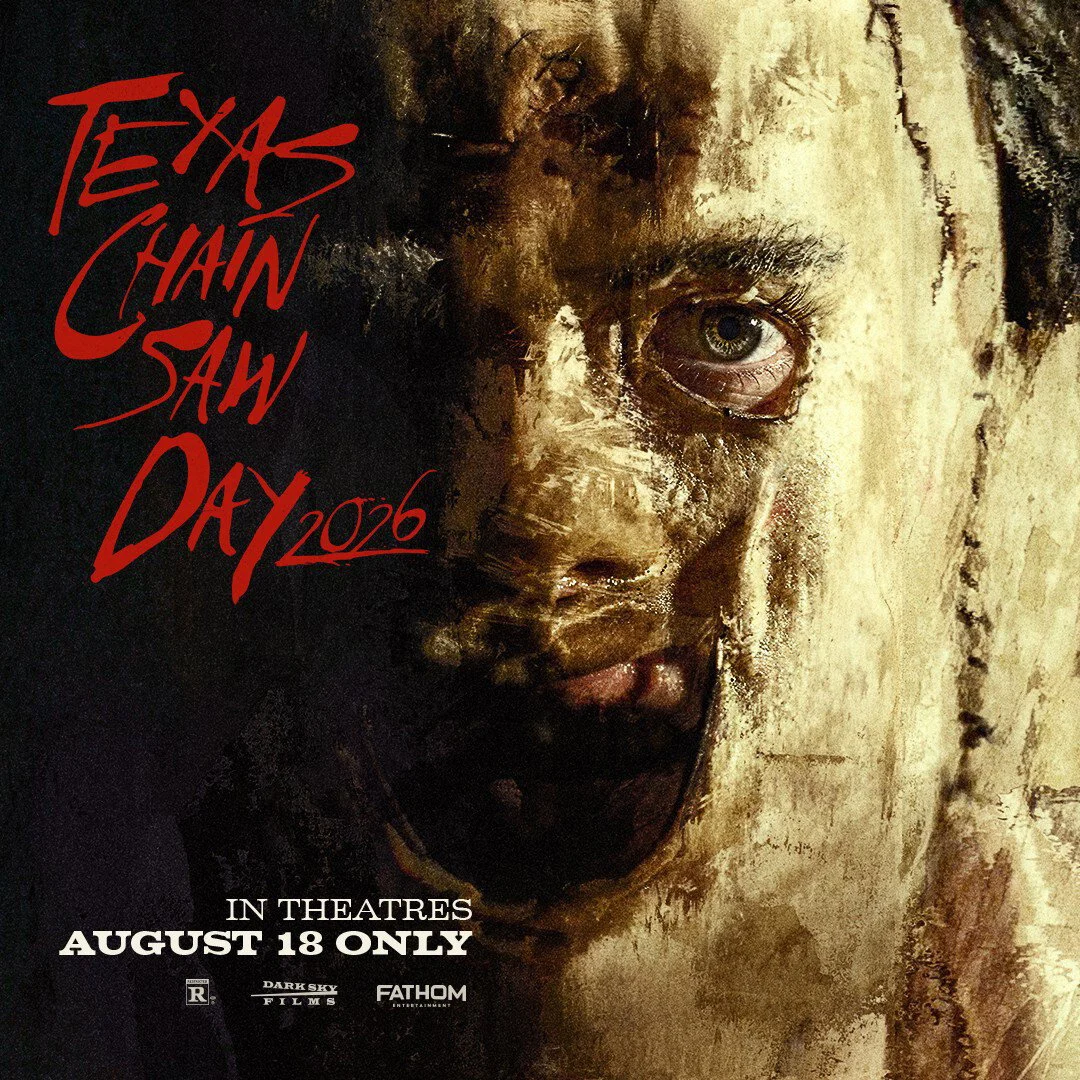
Dark Sky Films and Fathom Events have officially declared August 18th as "Texas Chain Saw Day," an annual observance designed to celebrate the enduring legacy of Tobe Hooper’s seminal 1974 horror masterpiece, The Texas Chain Saw Massacre. The inaugural event in 2026 will be marked by a nationwide theatrical re-release and, notably, the debut of a fully rotoscoped animated reimagining of the classic film, meticulously crafted by hand under the direction of Paul Beck, known for his work on A Scanner Darkly and Apollo 10-1/2. This innovative approach seeks to introduce the visceral horror to new audiences through a distinct artistic lens while honoring the film’s original raw intensity.
The announcement by Dark Sky Films and Fathom Events underscores a strategic effort to both preserve and re-contextualize one of cinema’s most influential horror features. The special event screening on August 18th will be available in theaters across the nation, promising an immersive experience that includes an exclusive behind-the-scenes featurette. This segment will delve into the painstaking artistry of rotoscoping, highlighting the intricate manual process involved in transforming the live-action footage into a hand-drawn animation, a clear rejection of AI-driven techniques in favor of traditional craftsmanship.
The Enduring Legacy of The Texas Chain Saw Massacre
Released in October 1974, The Texas Chain Saw Massacre transcended its low-budget origins to become a cultural phenomenon and a cornerstone of the horror genre. Directed by Tobe Hooper from a script co-written with Kim Henkel, the film followed a group of five friends who, while on a road trip through rural Texas, fall prey to a family of cannibals, most notably the iconic, chainsaw-wielding Leatherface. Starring Marilyn Burns, Paul A. Partain, Edwin Neal, Jim Siedow, and Gunnar Hansen as Leatherface, the film distinguished itself with a raw, documentary-style aesthetic that blurred the lines between fiction and reality, creating an unparalleled sense of dread and unease.
Upon its initial release, the film garnered significant controversy and was banned in several countries due to its perceived extreme violence. However, its artistic merits and profound impact on cinematic storytelling quickly became evident. Critics and scholars later lauded its innovative use of suspense, its psychological terror over gratuitous gore, and its commentary on societal anxieties. Made for less than $140,000, The Texas Chain Saw Massacre defied expectations, earning a surprising $30 million at the box office during its first run, cementing its status as one of the most successful independent films of its era and a testament to Hooper’s visionary direction.
Tobe Hooper’s Vision and the Birth of a Subgenre
Tobe Hooper’s directorial approach for The Texas Chain Saw Massacre was groundbreaking. Following his debut feature Eggshells (1971), Hooper intentionally crafted a film that felt less like a conventional horror movie and more like a disturbing true-crime exposé. This commitment to verisimilitude was achieved through a combination of gritty cinematography, minimal lighting, and a relentless, almost suffocating atmosphere. The film’s opening narration, falsely claiming the events were real, further heightened this effect, playing on the audience’s subconscious fears.
Hooper’s genius lay in his ability to suggest horror rather than explicitly show it. While the title implied graphic violence, much of the film’s terror stemmed from implied brutality, disturbing sound design, and the psychological torment inflicted upon its characters, particularly Marilyn Burns’ Sally Hardesty. The infamous dinner scene, a masterclass in sustained discomfort, showcases the family’s grotesque normalcy and Sally’s utter helplessness, solidifying the film’s reputation for pushing boundaries. This raw, unflinching style profoundly influenced the nascent slasher genre and countless subsequent horror films, proving that psychological terror could be far more potent than overt gore. Hooper’s work on The Texas Chain Saw Massacre established him as a master of horror and left an indelible mark on the cinematic landscape, a legacy further explored in his subsequent films like Eaten Alive (1976) and Poltergeist (1982).

Rotoscoping: A Hand-Drawn Reimagining
The decision to re-present The Texas Chain Saw Massacre through rotoscoped animation is a bold and artistically significant choice. Rotoscoping is an animation technique dating back to 1915, where animators trace over live-action footage frame by frame to produce realistic movement. This method imbues animated characters with naturalistic fluidity and expression that is often difficult to achieve through traditional cel animation alone. Its application here represents a fascinating intersection of classic horror and a venerable animation art form.
Paul Beck, the director tasked with this ambitious project, brings a rich background in rotoscoping to the table. His previous work on films such as Richard Linklater’s A Scanner Darkly (2006) and Apollo 10-1/2: A Space Age Childhood (2022) demonstrates a mastery of the technique and an understanding of its potential for enhancing narrative and thematic depth. For The Texas Chain Saw Massacre, this method promises to offer a fresh perspective on familiar scenes, potentially amplifying the film’s nightmarish qualities through the surreal, dreamlike aesthetic inherent to rotoscoping. The announcement explicitly stating "no AI, all by hand" serves as a powerful artistic statement in an era increasingly dominated by artificial intelligence in creative fields. This commitment to traditional, labor-intensive animation underscores a respect for the craft and a desire to deliver a truly unique artistic experience.
Paul Beck and the Artistic Choice of Analog Animation
Paul Beck’s involvement is pivotal to this reimagining. His expertise with rotoscoping is not merely technical but deeply artistic, allowing him to explore the psychological undercurrents of a narrative through a unique visual language. In A Scanner Darkly, rotoscoping served to distort reality, reflecting the characters’ drug-induced paranoia and the film’s themes of identity dissolution. For The Texas Chain Saw Massacre, Beck’s approach could similarly be used to heighten the film’s inherent dread and madness. The hand-drawn nature of rotoscoping introduces a subjective, almost painterly quality that can abstract the horror, making it feel simultaneously more distant and more deeply unsettling.
The "all by hand" mantra resonates deeply within the animation community and among cinephiles who value authentic craftsmanship. It positions this animated version not as a mere novelty, but as a dedicated artistic interpretation, a labor of love that speaks to the enduring power of Hooper’s original vision. This choice differentiates it sharply from other modern re-imaginings or remakes, emphasizing artistic integrity over technological shortcuts. Industry observers suggest that this method could allow for subtle enhancements to the film’s atmosphere, perhaps exaggerating certain grotesque details or emphasizing the surreal terror in ways live-action could not. The result is anticipated to be a version that simultaneously respects the original’s grim realism while filtering it through a uniquely expressive artistic medium.
A Chronology of Anniversaries and Restorations
The "Texas Chain Saw Day 2026" event is part of a larger continuum of efforts to celebrate and preserve The Texas Chain Saw Massacre. The film first premiered on October 11th, 1974. Its 50th Anniversary was celebrated with significant fanfare in 2024, including a widely acclaimed 4K restoration that brought renewed clarity and detail to Hooper’s original vision. This restoration, re-released by Dark Sky Films in theaters on October 1st, 2024, allowed both veteran fans and new viewers to experience the film’s raw power on the big screen with unprecedented visual fidelity. The 2024 re-release was accompanied by a robust marketing campaign, including a "stupendous trailer" that reminded audiences of the film’s visceral impact.
The decision to designate August 18th as "Texas Chain Saw Day" and to launch this rotoscoped version in 2026 demonstrates a commitment to an ongoing celebration beyond singular anniversaries. It establishes a recurring calendar event, ensuring the film remains a subject of discussion, analysis, and theatrical presentation for years to come. This strategy positions The Texas Saw Massacre not merely as a historical artifact but as a living, evolving piece of cinematic art, capable of fresh interpretations and continuous engagement with new generations of viewers.
Fathom Events: Bringing Classics Back to the Big Screen
Fathom Events plays a crucial role in making "Texas Chain Saw Day 2026" a nationwide spectacle. As a leading content provider specializing in live events for cinemas, Fathom has carved a niche by bringing classic films, opera, ballet, concerts, and special screenings to a broad audience. Their business model thrives on creating unique, communal cinematic experiences that cannot be replicated at home. For films like The Texas Chain Saw Massacre, which benefit immensely from a shared audience reaction and the grandeur of the big screen, Fathom’s distribution network is invaluable.

Their partnership with Dark Sky Films for this event underscores Fathom’s commitment to cult classics and genre cinema. By hosting the special event screening on August 18th, Fathom ensures that the rotoscoped version, along with its exclusive behind-the-scenes content, receives the theatrical premiere it deserves. This aligns with Fathom’s mission to provide alternative content that complements traditional film releases, offering audiences diverse programming options and a reason to visit their local cinema. The accessibility of a nationwide release through Fathom’s extensive network guarantees that fans across the country will have the opportunity to participate in this unique celebration.
The Cultural Impact and Influence on Horror Cinema
The Texas Chain Saw Massacre remains an unparalleled force in horror cinema, its influence echoing through countless films, television shows, and pop culture references. Its gritty realism and emphasis on psychological dread over explicit gore helped to redefine the horror genre in the 1970s. It laid foundational groundwork for the slasher subgenre that would dominate the 1980s, inspiring filmmakers to create their own masked killers and isolated, vulnerable protagonists. Films like Halloween (1978), Friday the 13th (1980), and countless others owe a significant debt to Hooper’s creation, particularly in their use of menacing, silent antagonists and their focus on relentless pursuit.
Beyond the slasher genre, The Texas Chain Saw Massacre also contributed to the found-footage aesthetic, years before films like The Blair Witch Project (1999) popularized it. Its pseudo-documentary style and stark, often disturbing imagery resonated with a generation grappling with the aftermath of Vietnam and Watergate, reflecting a societal unease and a loss of innocence. The film’s themes of cannibalism, rural decay, and the breakdown of traditional family structures continue to be analyzed by film scholars, solidifying its status as a piece of art that reflects and critiques its socio-political landscape. The continued re-releases and now this innovative animated interpretation serve as testaments to its enduring relevance and its unshakeable grip on the collective cinematic consciousness.
Anticipation and Implications for Film Preservation
The announcement of "Texas Chain Saw Day 2026" and the rotoscoped animated version has generated considerable anticipation within the horror community and among animation enthusiasts. The prospect of experiencing a foundational horror text through such a distinct artistic filter offers a compelling reason for re-engagement. For long-time fans, it presents a novel way to revisit a beloved classic, potentially revealing new nuances or intensifying existing fears. For newcomers, it could serve as an accessible entry point into a film that, despite its acclaim, can be challenging due to its raw and unsettling nature.
This initiative also carries significant implications for film preservation and the future of classic cinema. By investing in innovative reinterpretations like rotoscoping, filmmakers and distributors are demonstrating new ways to keep classic films relevant and engaging for contemporary audiences. It moves beyond simple restoration, suggesting that re-animation or artistic re-framing can be a powerful tool for extending a film’s cultural lifespan. It also highlights the growing appreciation for analog, hand-crafted artistic processes in an increasingly digital world. As Dark Sky Films and Fathom Events invite audiences to join the celebration on August 18th, 2026, they are not merely commemorating a film; they are championing a new paradigm for interacting with cinematic history, proving that even nearly fifty years after its debut, The Texas Chain Saw Massacre still possesses the power to shock, innovate, and inspire.