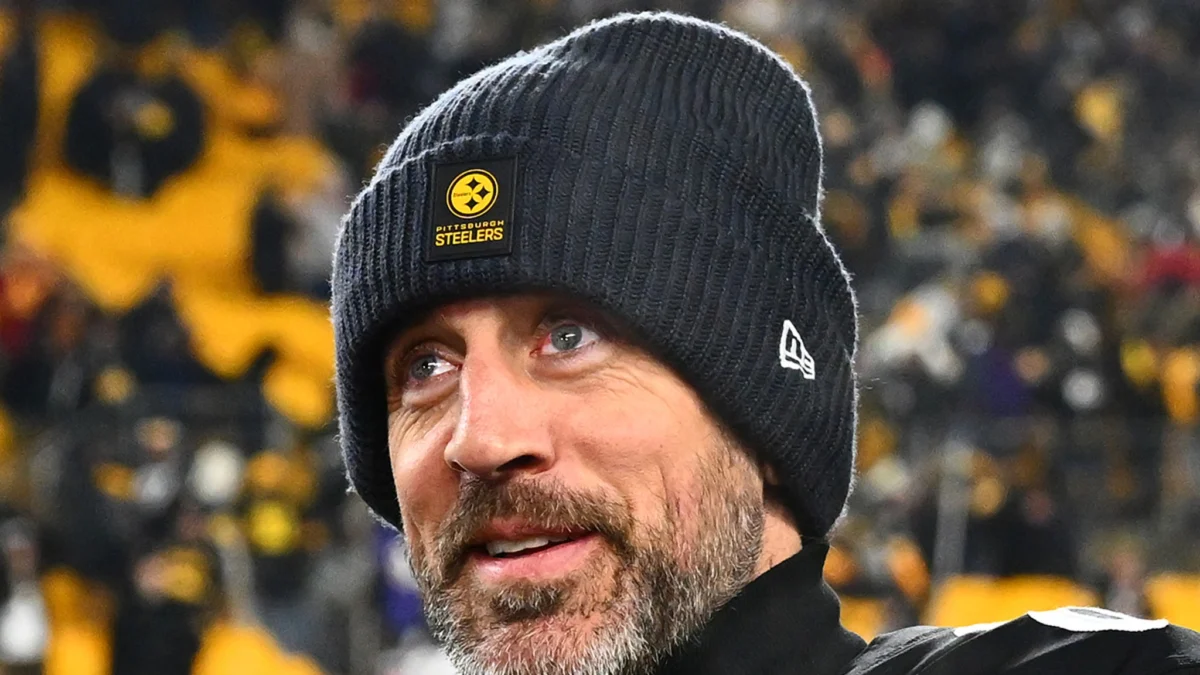
Pittsburgh Steelers quarterback Aaron Rodgers, one of the National Football League’s most decorated and enigmatic figures, has publicly confirmed a significant step toward reconciling with his immediate family after years of widely publicized estrangement. On Monday, July 21, 2026, Rodgers shared a series of photographs on his Instagram account depicting a reunion with his mother, Darla, his father, Ed, and his brother, Luke. The post, captioned "Another bonding week #fam," marks a notable shift in a family dynamic that has been a subject of intense media scrutiny and public speculation for nearly a decade. While the reunion signals a thawing of relations with several key family members, the conspicuous absence of his other brother, Jordan Rodgers, leaves the full extent of the family’s reconciliation open to further questions.
A Decade of Estrangement Culminates in Partial Reunion
The rift within the Rodgers family first captured widespread public attention in 2016, a pivotal year that inadvertently thrust the private struggles of a prominent NFL star into the glaring spotlight of reality television. At the time, Aaron Rodgers was firmly entrenched as the franchise quarterback for the Green Bay Packers, having already secured a Super Bowl XLV victory and two NFL MVP awards. His younger brother, Jordan Rodgers, was a contestant on the twelfth season of ABC’s popular reality dating show, "The Bachelorette." During his appearance on the show, Jordan candidly discussed his strained relationship with Aaron, revealing that the two were not in contact and that Aaron had largely distanced himself from the family. These revelations, made on a platform watched by millions, ignited a media firestorm, transforming what had been a private family matter into a recurring storyline in sports and entertainment news cycles.
The public discussion surrounding the Rodgers family intensified as Jordan’s comments detailed a deeper, more enduring separation than many had previously understood. He spoke about the difficulty of having a famous brother who was not present in their lives, implying a significant emotional distance. Aaron Rodgers, known for his guarded nature regarding his personal life, initially remained largely silent on the matter, further fueling speculation and public curiosity. His reticence, while characteristic, often led to interpretations that painted a picture of deep-seated issues within the family unit.
The impact of this public disclosure was profound. For years, every mention of the Rodgers family in the media, whether concerning Aaron’s on-field performance or his personal life, was inevitably accompanied by references to the family feud. This ongoing narrative created an undercurrent of unresolved tension, even as Aaron continued to achieve unparalleled success in his professional career. The emotional toll of such a public estrangement on all parties involved, while not explicitly detailed by the family, could be inferred from the persistent media inquiries and the nature of their separation. The Instagram post on July 21, 2026, therefore represents not just a private moment of reunion, but a public declaration of an attempt to mend long-standing fences, offering a glimpse of healing after years of apparent discord.
The Genesis of the Rift: Public Revelations and Philosophical Divergence
While the public became aware of the family rift in 2016, Aaron Rodgers himself provided deeper insights into its origins in the 2024 Netflix docuseries, "Aaron Rodgers: Enigma." In the documentary, Rodgers delved into the philosophical and personal reasons behind his estrangement, offering a narrative that extended far beyond simple family disagreements. He spoke candidly about his upbringing in a "very white, dogmatic church," characterizing the environment under his family’s roof as one defined by a rigid, black-and-white structure. This upbringing, according to Rodgers, instilled a belief system where everything was absolute – "their way or the highway," with "their way was heaven, and everything else was hell, and somebody had to be right and somebody had to be wrong."
Rodgers articulated a personal journey of intellectual and spiritual evolution that began in his high school years, stating he "just slowly uncoupled from that." This "uncoupling" represented a profound divergence from the belief system and strictures that had governed his early life and, by extension, his family’s worldview. His narrative suggested that the estrangement was not merely a result of fame or individual disagreements, but rather a fundamental clash of worldviews and an assertion of personal autonomy in the face of deeply ingrained family expectations. This explanation provided a crucial context for understanding the protracted nature of the rift, suggesting that it was rooted in core identity and belief rather than superficial disputes.
The documentary offered a rare glimpse into the internal struggles of a high-profile athlete grappling with personal authenticity and familial pressures. Rodgers’ willingness to share these intimate details underscored the depth of his convictions and the personal cost of his journey toward self-discovery. This narrative resonated with many who have experienced similar challenges in reconciling personal growth with deeply held family traditions or religious beliefs. The "Enigma" series, through Rodgers’ own words, painted a picture of a man who chose his own path, even if it meant a temporary separation from those he loved.
Public Statements and the Path to Reconciliation
Prior to the recent Instagram post, Aaron Rodgers had also addressed his family issues more directly in a March 2026 appearance on "The Pat McAfee Show," a widely followed sports talk program where Rodgers frequently serves as a guest. During this segment, Rodgers spoke about instances where his family had "taken shots at him in the media." He emphasized his decision not to engage in public feuds, stating his belief that "enough is enough." This statement was interpreted by many as a plea for privacy and a desire to move past the public airing of grievances, indicating a potential readiness to heal.
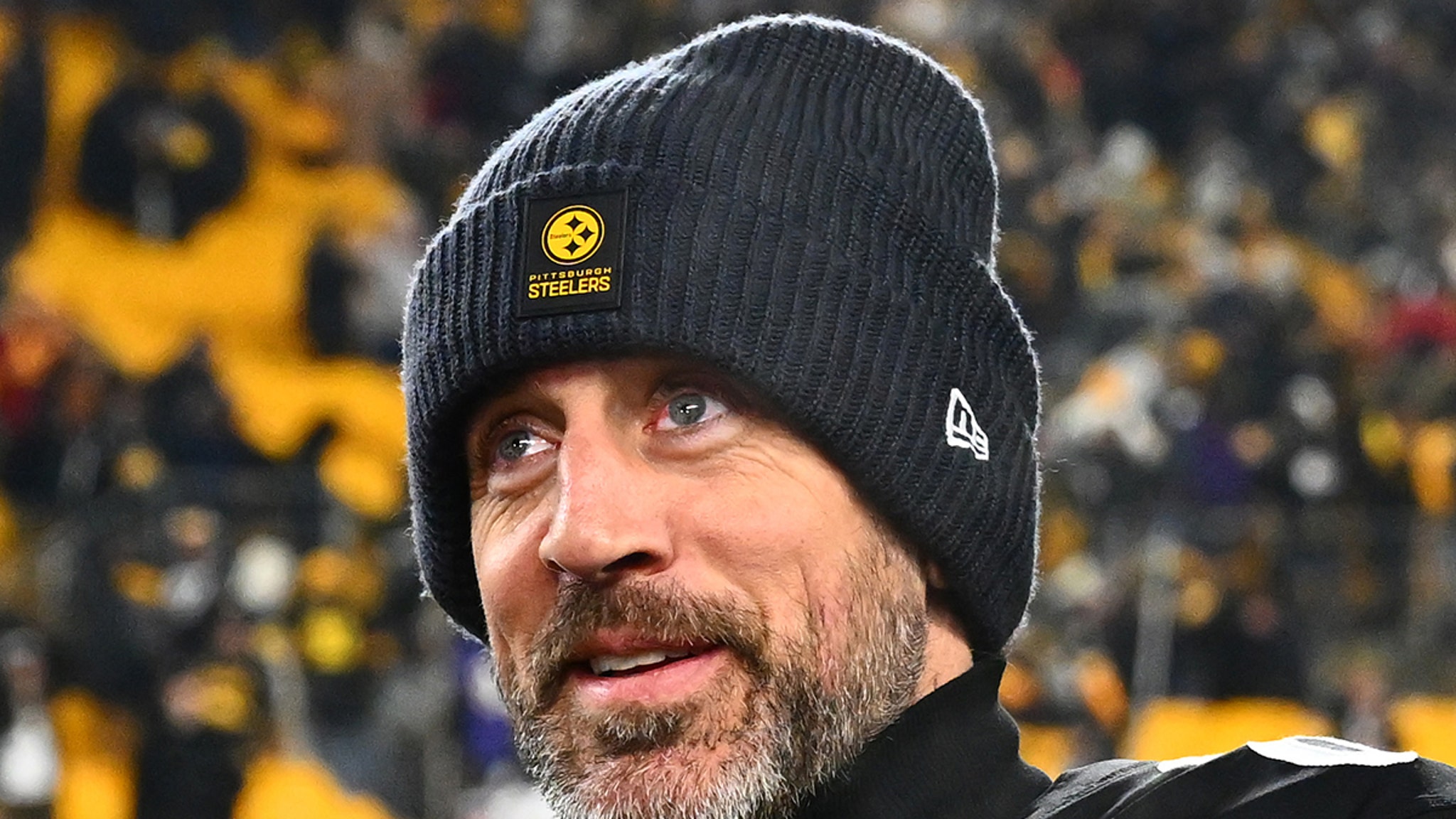
His comments on "The Pat McAfee Show" signaled a shift in his approach. While he had largely maintained silence in the immediate aftermath of Jordan’s "Bachelorette" revelations, his later public statements demonstrated a willingness to acknowledge the rift on his own terms and express a desire for resolution. The fact that he chose to address it on a platform like "The Pat McAfee Show," where he has a more relaxed and candid rapport with the hosts and audience, suggested a calculated move to communicate his perspective directly, bypassing the often-sensationalized interpretations of other media outlets. This public acknowledgment of the challenges, coupled with a stated desire to move forward without further public acrimony, laid some groundwork for the subsequent reunion.
The March 2026 interview, combined with the earlier revelations in "Aaron Rodgers: Enigma," provided a comprehensive timeline of the family’s struggles and Rodgers’ personal journey. These public statements, while not revealing every detail, offered enough context for the public to understand the complexity of the situation. They also highlighted Rodgers’ personal growth and his evolving perspective on family, reconciliation, and the boundaries between public and private life. The gradual unfolding of this narrative, from initial public shock to personal reflection, has culminated in the tangible step of a family reunion, albeit one that is still in progress.
The Unaddressed Chapter: Jordan Rodgers’ Absence
While the reunion with his parents, Darla and Ed, and brother, Luke, represents a significant positive development, the absence of Jordan Rodgers from the Instagram photos is a crucial detail that underscores the ongoing complexities of the family dynamic. Jordan Rodgers, who brought the family’s issues to national attention, remains an unaddressed piece of this reconciliation puzzle. The original article notes that it is "unclear where that relationship stands," a sentiment that resonates with the public’s understanding of the situation.
Jordan Rodgers’ initial comments on "The Bachelorette" were particularly impactful because they were made in a highly emotional context, directly addressing the pain of familial estrangement. His subsequent public career, including his role as a sports commentator, has kept him in the public eye, often leading to renewed questions about his relationship with his superstar brother. For many years, both brothers have navigated their careers with the backdrop of this unresolved family tension. The current reunion, while positive, suggests that the path to full reconciliation may still be fractured or incomplete.
The public and media will undoubtedly continue to monitor whether Jordan eventually joins the family in these bonding moments. His absence serves as a reminder that family reconciliation is often a multi-faceted process, rarely linear, and sometimes involves different timelines for different relationships within the same family unit. It raises questions about whether the issues between Aaron and Jordan are distinct from those with the rest of the family, or if they require a different approach to healing. The "unclear" status of their relationship indicates that while progress has been made, there are still chapters to be written in the Rodgers family saga.
Broader Implications for a Public Figure
Aaron Rodgers’ decision to publicly share his family reunion carries several significant implications, both for his personal life and his public persona. For years, the narrative surrounding Rodgers has often highlighted his intellectual curiosity, his philosophical explorations, and at times, his perceived aloofness or controversial opinions. The public estrangement from his family contributed to this complex image, often painting him as a solitary figure. This reunion, even if partial, humanizes Rodgers, presenting him as someone actively working through personal challenges and seeking connection.
In an era where celebrity lives are meticulously scrutinized, Rodgers’ journey toward reconciliation can be seen as a testament to the enduring power of family bonds and the personal growth that often accompanies self-reflection. It demonstrates a willingness to bridge divides, which can positively influence public perception. For an athlete who has consistently challenged conventional norms and expectations, this move toward traditional family unity could resonate with a broad audience.
Furthermore, this event contributes to the broader societal conversation about family estrangement, a phenomenon that affects countless individuals, not just public figures. Rodgers’ openness about his past struggles and his current efforts toward healing can offer a relatable narrative for others facing similar challenges. It underscores the idea that even deep-seated rifts can begin to mend, and that personal evolution can lead to renewed connections.
From a media perspective, the story of the Rodgers family reconciliation will undoubtedly continue to unfold. Every future interaction, or lack thereof, particularly concerning Jordan Rodgers, will be subject to analysis. The public’s sustained interest in this story highlights the unique position of athletes like Rodgers, whose personal lives often become extensions of their public narratives, influencing how they are perceived beyond their professional achievements. As Rodgers enters what is likely the twilight of his illustrious NFL career, now with the Pittsburgh Steelers, this personal reconciliation adds another layer to his legacy, suggesting a journey toward holistic well-being that extends beyond the football field. The July 21, 2026, Instagram post marks not an end, but a hopeful new beginning in a long and complex family narrative.