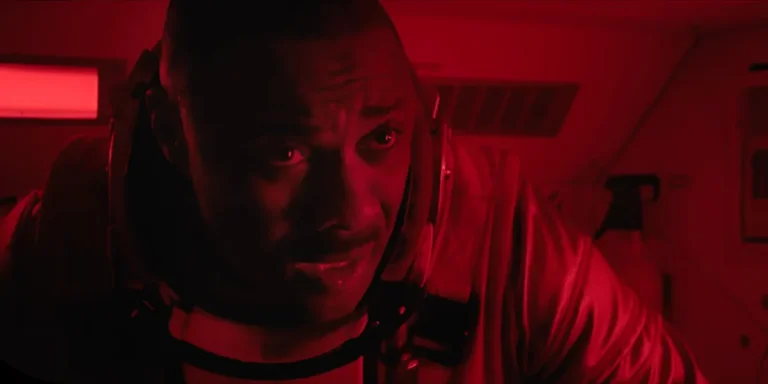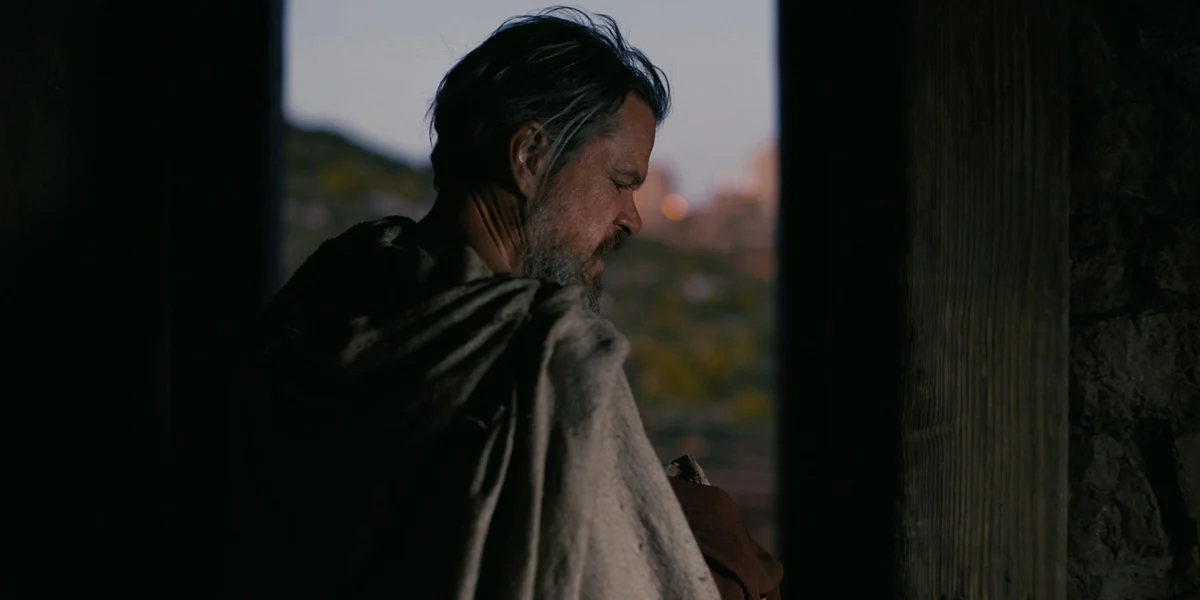
As the dust settles from the initial, overwhelmingly positive social media reactions and the anticipation for tomorrow’s full review scores, the cinematic landscape is abuzz with the potential impact of "The Odyssey." This highly anticipated film, helmed by visionary director Christopher Nolan, stands at a critical juncture, poised to either validate early Oscar buzz or forge a new path in its director’s already storied career. Beyond its critical reception, the film’s sheer scale, amplified by its IMAX presentation, and its projected box office performance, could secure it a Best Picture nomination, a testament to Nolan’s enduring influence on the Academy’s highest honor.
Nolan’s Ascent in the Expanded Best Picture Era
Should "The Odyssey" achieve a Best Picture nomination, it would mark the third such nod for Nolan in his last four directorial efforts and his fourth overall. This consistent recognition places him in an increasingly rarefied stratum of filmmakers, a group that has consistently captured the Academy’s attention in the modern era. The stakes are even higher if the film is perceived as a genuine contender for the win, potentially elevating Nolan to an elite tier in Hollywood history, a place reserved for directors who have not only shaped cinematic narratives but also consistently earned the industry’s ultimate accolades.
The evolution of the Best Picture category itself is intrinsically linked to Nolan’s career trajectory. The widely discussed snub of his 2008 blockbuster, "The Dark Knight," from the Best Picture field is often cited as a catalyst for the Academy’s decision to expand the number of nominations beyond five the following year. This expansion, implemented in 2009, ushered in a new era where a broader spectrum of films could be recognized. In the 17 years since this significant change, only a select group of directors have managed to consistently secure Best Picture nominations. Nolan, with his unique blend of intellectual depth and commercial appeal, has been a prominent figure within this exclusive circle. The potential nomination for "The Odyssey" would further solidify his position, potentially placing him at the very apex of this distinguished list.
Charting the Course: Directors with Multiple Best Picture Nominations
Since the expansion of the Best Picture category in 2009, a few directors have distinguished themselves with multiple nominations:
- Steven Spielberg: With six nominations to his name, Spielberg remains a formidable presence. The anticipation for his latest work, "Disclosure Day," to potentially become his seventh nomination underscores his ongoing relevance.
- Martin Scorsese: A titan of cinema, Scorsese has garnered four Best Picture nominations in this era.
- Christopher Nolan: Currently boasting three nominated films in this period, Nolan is on the cusp of joining Spielberg and Scorsese at the highest echelon. He is part of a distinguished group of ten directors who have achieved this feat, including Denis Villeneuve, Quentin Tarantino, Greta Gerwig, Yorgos Lanthimos, Paul Thomas Anderson, Guillermo del Toro, Adam McKay, Alexander Payne, and David O. Russell.
If "The Odyssey" secures a nomination, Nolan will break away from this tie, joining Spielberg and Scorsese in the exclusive club of directors with four or more Best Picture nominations in the expanded era.
The Villeneuve Factor and Franchise Recognition
The landscape of directorial acclaim is dynamic, and Denis Villeneuve presents an interesting parallel. If his highly anticipated 2026 release, "Dune: Part Three," garners similar critical acclaim, box office success, and spectacle as "The Odyssey" is projecting, he too could find himself in contention for multiple nominations. However, Villeneuve’s potential nominations would largely stem from the "Dune" franchise, with "Arrival" being his sole non-franchise nominee. In contrast, Nolan’s consistent nominations across four distinct projects would likely command a different kind of admiration, highlighting his versatility and ability to innovate across diverse narratives. The critical reception of "Dune: Part Three" will be crucial; if it is hailed as Villeneuve’s "Oppenheimer," a directorial masterpiece in its own right, it could propel him into contention for awards beyond franchise recognition.
The Unwritten Rule of the Second Win
While Spielberg and Scorsese have achieved remarkable success in the expanded era, their nomination tallies are accompanied by certain nuances. Notably, none of their Best Picture nominees since 2009 have gone on to win the award, nor have these nominations directly resulted in Best Director wins for them in this period. Both directors had already secured these prestigious Oscars in the pre-expanded ballot era, and their earlier "coronations" preceded Nolan’s potential breakthroughs. This historical pattern suggests an unwritten Academy tendency: once a director has secured a Best Picture win, the Academy appears hesitant to bestow a second win upon them. "The Odyssey" presents Nolan with an opportunity to challenge this established precedent.
"The Odyssey" as a Best Picture Frontrunner
Currently, "The Odyssey" holds the top spot on numerous preseason Best Picture rankings, including those from Next Best Picture. If the film sustains its momentum through the awards season, it could achieve a significant historical feat. A Best Picture win for "The Odyssey" would not only make Nolan the only director to win Best Picture twice in the expanded era but also the first to achieve this since Clint Eastwood’s dual victories for "Unforgiven" (1992) and "Million Dollar Baby" (2004). This accomplishment would place him in the company of cinematic legends such as Milos Forman, David Lean, Francis Ford Coppola, Robert Wise, Vincente Minnelli, William Wyler, Elia Kazan, Frank Capra, and Frank Lloyd, all of whom have won the Best Picture award twice in Oscar history.
The Director’s Race: Best Director and Screenwriting Accolades
Beyond Best Picture, the race for Best Director is also a significant battleground. Alejandro G. Iñárritu set a formidable benchmark by winning consecutive Best Director Oscars for "Birdman" (2014) and "The Revenant" (2015). However, Iñárritu is also reportedly in contention with his new film, "Digger," potentially posing a challenge to Nolan’s aspirations, although the film’s reception is still largely tied to its lead actor, Tom Cruise.
Should Nolan receive a Best Director nomination for "The Odyssey," it would be his third in the expanded era, following his nods for "Dunkirk" (2017) and "Oppenheimer" (2023). This would place him in a tie for second place with Spielberg, David O. Russell, and Paul Thomas Anderson, trailing only Martin Scorsese’s four nominations. Importantly, Nolan would join Paul Thomas Anderson as the only directors in this group to have also won Best Picture and Best Director since 2009, irrespective of whether he secures a second win in either category. The potential for Iñárritu to also achieve a third Best Director nomination for "Digger" adds another layer of intrigue to this competitive field.
Nolan’s prowess extends to his writing as well. A Best Adapted Screenplay nomination for "The Odyssey" would be his third in this era, following "Inception" (2010) and "Oppenheimer" (2023). This places him ahead of Scorsese, who has had no writing nominations since 2009, and Spielberg, with one for "The Fabelmans" (2022). Iñárritu has one writing win for "Birdman," while David O. Russell has two nominations and one win for "One Battle After Another" (2010). Paul Thomas Anderson has three writing nominations and one win for "One Battle After Another" (2010). While Anderson achieved a clean sweep in Best Adapted Screenplay last year, Nolan’s potential win in this category for "The Odyssey," even if it proves to be a critical and commercial juggernaut, is less certain. Notably, Best Adapted Screenplay was the sole Oscar "Oppenheimer" did not win in 2023, a fact that might influence perceptions.
Defining an Era: Nolan’s Enduring Impact
Regardless of the number of wins, the nominations themselves for "The Odyssey" would represent a significant historical marker for Nolan. The sheer volume of nominations he could accumulate would further cement his status as a defining figure of the last 18 years, if not the entire 21st century. His persistent presence in major Oscar categories, particularly in the expanded Best Picture era, where he has been a constant factor since its inception, speaks volumes about his consistent output and the Academy’s regard for his work.
"Oppenheimer" elevated Nolan’s Oscar profile significantly with its multiple wins. However, "The Odyssey" only needs to secure its place as a nominee to vault him into the very top tier of directorial achievement in the modern Academy Awards. A potential win would elevate him even further, solidifying his legacy.
The trajectory of "The Odyssey" in the coming weeks and months, from its initial reception to its potential Oscar nominations, will be closely watched. Even if the film doesn’t secure repeat wins, the sheer act of being nominated across multiple key categories would ensure Nolan’s ascent in the annals of Oscar history. The expanded ballot, a change that arguably began in response to his film’s exclusion, now stands as a testament to his enduring influence, with "The Odyssey" poised to be a pivotal chapter in this ongoing narrative.
Are you excited to see "The Odyssey?" When are you seeing it? Which Oscar nominations do you think it will receive? Please let us know in the comments section below and on Next Best Picture’s X account.
You can follow Robert and hear more of his thoughts on the Oscars & Film on X @Robertdoc1984