


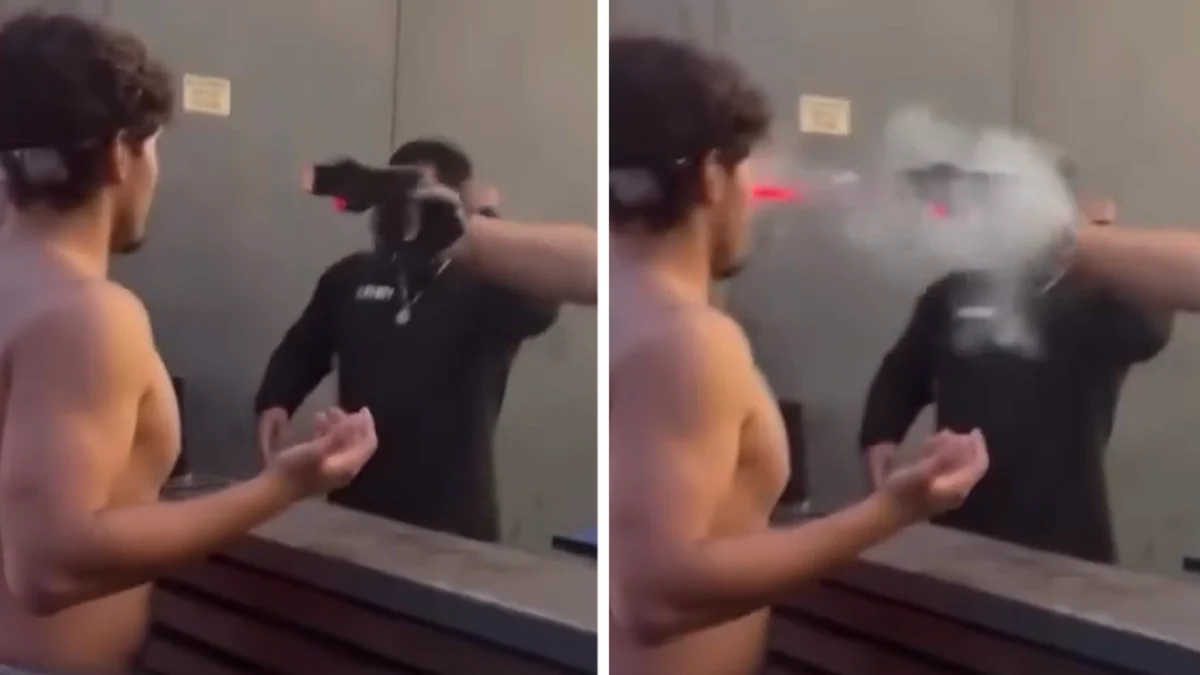
A security guard has been apprehended and booked on two felony charges following a shocking incident where he allegedly discharged a Taser dart directly into the face of a patron at a popular Northern California establishment. The event, captured on video by a witness and subsequently disseminated widely across social media platforms, has ignited a fierce public debate concerning the appropriate use of force by private security personnel and the accountability of individuals entrusted with maintaining public safety. The incident unfolded on Wednesday night, June 25, 2026, at Park 101, a well-known venue located in Carlsbad, California, a coastal city in San Diego County.
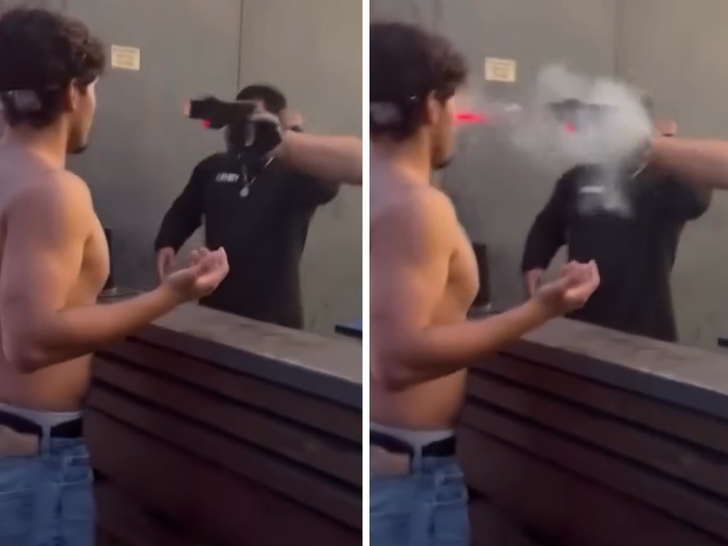
The alarming footage, which rapidly achieved viral status after being posted online, depicts a tense confrontation that escalated abruptly and violently. The video shows the patron engaged in a discussion with at least two security guards. The exchange, the precise nature of which remains under investigation, took an extreme turn when one of the guards, later identified as David Marquez, suddenly produced a Taser device. Without apparent warning or a visible immediate threat justifying such an extreme measure, Marquez deployed the Taser at point-blank range, embedding a dart directly into the young man’s face. The impact caused the victim to collapse instantly to the ground, writhing in evident pain and distress. Immediately following the brutal discharge, a bystander, acting as a good Samaritan, rushed to the aid of the fallen patron, offering assistance as the chaotic scene continued to unfold.
Carlsbad police officers, who were on routine patrol in the vicinity, were quickly alerted to the incident. Witnesses flagged down the officers, drawing their attention to the unfolding emergency and the victim’s critical condition. A spokesperson for the Carlsbad Police Department later confirmed to reporters that officers promptly initiated an investigation upon arrival. The crucial piece of evidence, the viral video documenting the entire alleged assault, played a pivotal role in the immediate law enforcement response. Upon reviewing the compelling footage, officers swiftly moved to identify and arrest the security guard involved.
The Arrest and Legal Proceedings
The security guard, David Marquez, was taken into custody on the scene. Following his arrest, Marquez was transported and booked into the Vista County jail. He faces serious criminal charges, specifically assault with a deadly weapon and assault with a stun gun, both of which are classified as felonies under California law. The classification of a stun gun as a "deadly weapon" in this context underscores the severity with which the legal system views its misuse, especially when deployed in a manner capable of causing severe bodily harm or even death. The legal process is expected to be lengthy, involving detailed investigations, witness testimonies, and expert analyses of the incident. Marquez’s defense will likely focus on his perception of threat or adherence to security protocols, while the prosecution will highlight the apparent lack of immediate threat and the disproportionate use of force depicted in the video.
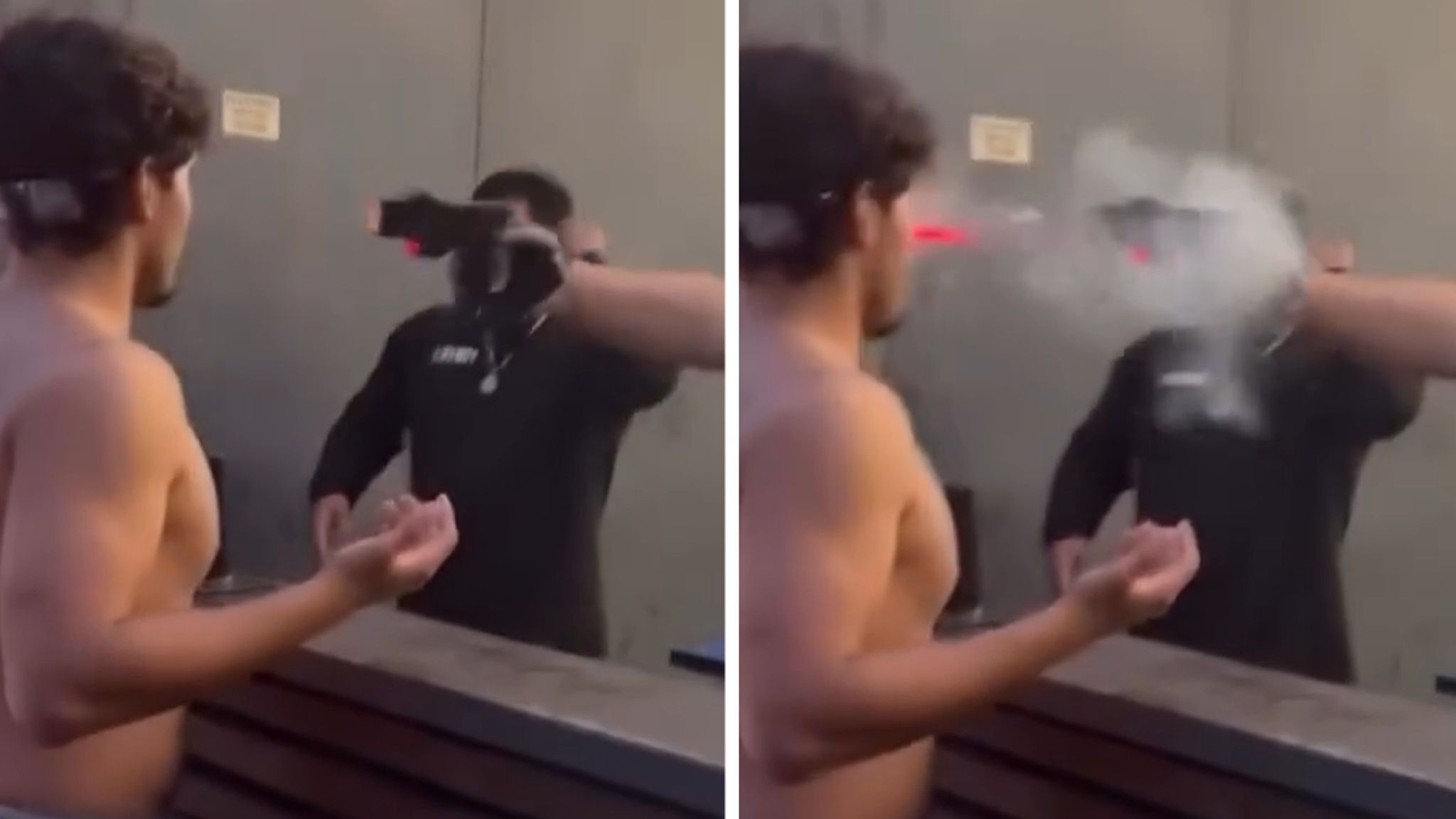
The victim of this violent encounter was immediately rushed to a local trauma center to receive urgent medical attention for his injuries. While the exact extent and long-term implications of the injuries sustained from a Taser dart impacting the face are not yet publicly known, medical experts confirm that such an injury can be extremely serious. The face contains numerous sensitive structures, including eyes, nerves, and blood vessels, and an electrical shock in this region can lead to severe pain, tissue damage, temporary or permanent blindness, nerve damage, and other debilitating conditions. The victim’s recovery and the full assessment of his injuries will be critical components of the ongoing investigation and subsequent legal proceedings.
A Deeper Look at the Incident’s Chronology
The timeline of events leading up to the arrest and subsequent charges offers a clear, albeit disturbing, picture of the incident’s progression:
- Wednesday Night, June 25, 2026: The confrontation begins at Park 101 in Carlsbad, CA, between a patron and security personnel.
- Escalation: An verbal exchange, details of which are still being gathered, rapidly intensifies.
- Taser Deployment: Security guard David Marquez deploys a Taser, firing a dart into the patron’s face at close range.
- Victim Collapses: The patron falls to the ground, experiencing immediate pain and incapacitation.
- Witness Intervention: A good Samaritan rushes to assist the injured victim.
- Video Recording: A witness records the entire incident, capturing the critical moments of the Taser discharge.
- Police Notification: Carlsbad police officers on patrol are flagged down by witnesses or alerted to the disturbance.
- Police Arrival and Review: Officers arrive on the scene, assess the situation, and are shown the viral video footage.
- Arrest: Based on the video evidence and witness accounts, David Marquez is arrested.
- Victim Transport: The injured patron is transported to a trauma center for urgent medical care.
- Booking: Marquez is booked into Vista County jail on felony charges.
- Thursday, June 26, 2026 (Morning): News of the incident and the viral video spreads widely, leading to public outcry and media reports. The Carlsbad Police Department confirms the arrest and ongoing investigation.
Understanding Taser Technology and Its Risks
Tasers, officially known as conducted electrical weapons (CEWs), are designed as "less-lethal" tools primarily used by law enforcement and, increasingly, private security for subduing combative or non-compliant individuals without resorting to deadly force. They work by delivering an electrical shock that temporarily incapacitates the muscular system. However, the term "less-lethal" does not imply "risk-free." Medical literature and law enforcement guidelines emphasize that Tasers should be deployed to specific target areas, typically the torso or back, to maximize effectiveness and minimize the risk of severe injury. The face, head, neck, and groin are generally considered high-risk areas due to the presence of vital organs, major arteries, and sensitive nerve clusters.
Deployment to the face, as allegedly occurred in this incident, carries significant risks, including:
- Eye Injury: Permanent blindness or severe damage if a dart strikes the eye.
- Nerve Damage: Facial nerves are delicate, and electrical shock can cause temporary or permanent paralysis or loss of sensation.
- Dental Injury: Damage to teeth or gums.
- Trauma from Fall: The sudden incapacitation can cause the individual to fall uncontrollably, leading to head injuries, fractures, or other blunt force trauma.
- Cardiac Risks: While rare, electrical shocks can potentially trigger cardiac events in susceptible individuals.
The manufacturer of Tasers, Axon Enterprise Inc., provides extensive training and guidelines for safe and effective use, explicitly warning against targeting sensitive areas. The alleged actions of David Marquez appear to contravene standard safety protocols and best practices for Taser deployment, raising serious questions about his training, judgment, and adherence to established use-of-force policies.
Security Protocols and Training Under Scrutiny
This incident casts a harsh spotlight on the training, oversight, and operational protocols governing private security personnel. Security guards, particularly those authorized to carry and use less-lethal weapons like Tasers, are expected to undergo rigorous training that covers de-escalation techniques, appropriate use-of-force continuums, legal parameters, and the safe deployment of their equipment. The apparent instantaneous escalation from a verbal interaction to a Taser discharge at point-blank range, targeting a vulnerable area, suggests a potential failure in one or more of these critical areas.
- De-escalation Failure: Professional security training heavily emphasizes verbal de-escalation as the primary tool to manage conflicts. The video suggests a rapid bypass of these techniques.
- Use of Force Continuum: Security personnel are typically trained to follow a "use of force continuum," escalating force only as necessary to match the threat level. Taser deployment is generally reserved for situations where an individual poses an active threat of harm to themselves or others, or is actively resisting arrest. A verbal dispute, without further aggressive action, would typically not warrant such a severe response.
- Weapon Proficiency and Judgment: Even with a Taser, judgment in deployment is paramount. The decision to fire at someone’s face, given the known risks, indicates a severe lapse in judgment or a disregard for established safety protocols.
Park 101, as the employer of the security guard, may also face significant legal and reputational consequences. Establishments employing security personnel are generally responsible for ensuring their guards are properly trained, licensed, and adhere to industry standards and company policies. The incident will undoubtedly prompt an internal review of Park 101’s security hiring practices, training programs, and incident response protocols. A hypothetical statement from the venue’s management would likely express deep regret over the incident, confirm full cooperation with law enforcement, and announce an immediate internal investigation, potentially leading to the termination of the involved guard and a re-evaluation of their security contractor or in-house team.
The Power of Social Media and Public Outcry
The rapid dissemination of the incident video across social media platforms like Twitter (now X) and others played a crucial role in bringing the event to widespread public attention and prompting swift official action. In an era dominated by smartphones and instant connectivity, citizen journalism often serves as a powerful check on authority and a catalyst for justice. The raw, unfiltered nature of the footage provided undeniable evidence that bypassed potential initial narratives, allowing the public to witness the alleged assault firsthand.
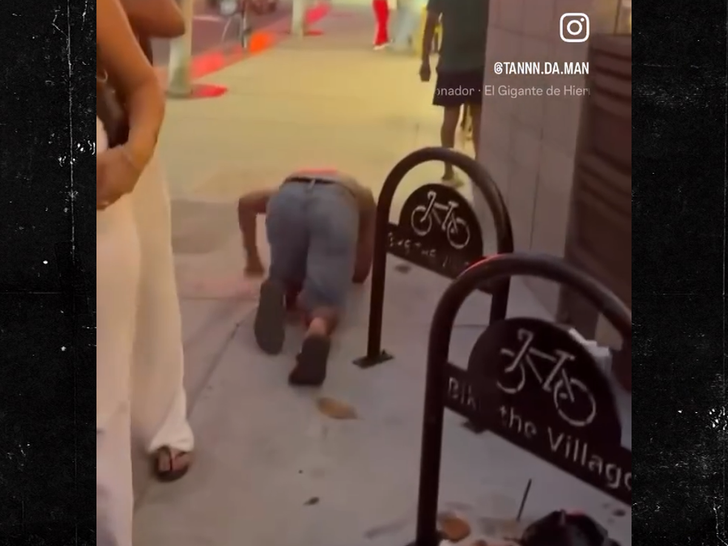
The viral spread of the video triggered an immediate wave of public outrage. Social media users expressed shock, anger, and calls for justice, condemning the security guard’s actions as excessive and brutal. This collective public pressure often accelerates official investigations and ensures accountability, as public institutions become acutely aware of the scrutiny they are under. The incident adds to a growing catalog of instances where citizen-recorded videos have exposed alleged misconduct by security personnel and law enforcement, reinforcing the role of technology in contemporary accountability efforts.
Broader Implications for Private Security
This incident in Carlsbad is likely to have broader implications for the private security industry, both in California and potentially nationwide.
- Enhanced Regulation: There may be renewed calls for stricter state and local regulations concerning the training, licensing, and oversight of private security guards, especially those authorized to carry weapons. This could include mandatory advanced training in de-escalation, conflict resolution, and precise use-of-force guidelines.
- Insurance and Liability: Businesses employing security services will face increased scrutiny regarding their liability insurance and the due diligence performed on their security providers. The financial implications of such an incident, including potential lawsuits for civil damages, can be substantial for both the individual guard and the employing entity.
- Public Trust: Incidents like this erode public trust in security personnel. For the industry to maintain its legitimacy, it must demonstrate a commitment to professionalism, accountability, and the ethical use of force.
Community Reaction and Moving Forward
The Carlsbad community, known for its scenic beauty and family-friendly atmosphere, has reacted with shock and concern. Residents are grappling with the unsettling reality of such a violent incident occurring in a local establishment. Community leaders and local advocacy groups may seize this moment to initiate discussions on public safety, the role of security, and avenues for ensuring accountability. The focus will undoubtedly shift towards supporting the victim, ensuring a fair legal process, and implementing measures to prevent similar incidents in the future.
As the investigation continues, the Carlsbad Police Department has stated it is actively seeking any additional witnesses or video footage that could provide further context or clarify the motive behind the security guard’s actions. The legal proceedings against David Marquez will proceed through the court system, where he will have the opportunity to present his defense. Meanwhile, the victim’s recovery remains paramount, and the incident serves as a stark reminder of the critical importance of responsible training, strict protocols, and unwavering accountability for those entrusted with maintaining order and safety in public spaces. The outcome of this case will undoubtedly set a precedent and influence future discussions on the standards and responsibilities of private security personnel across the region.