


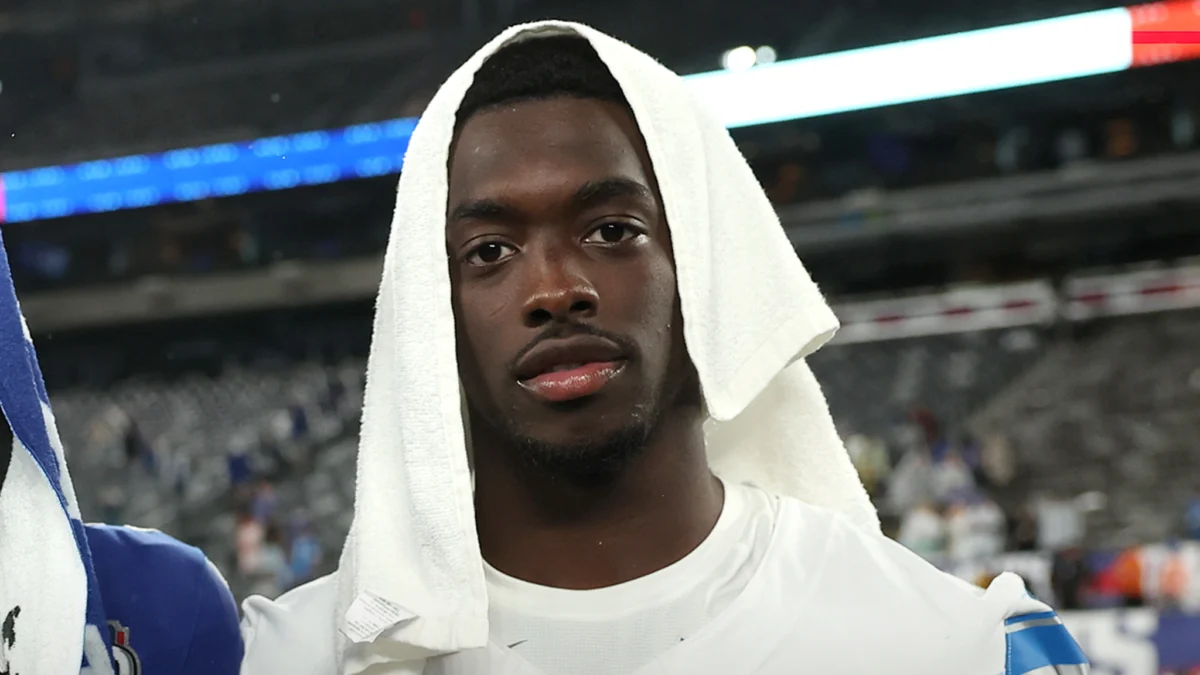
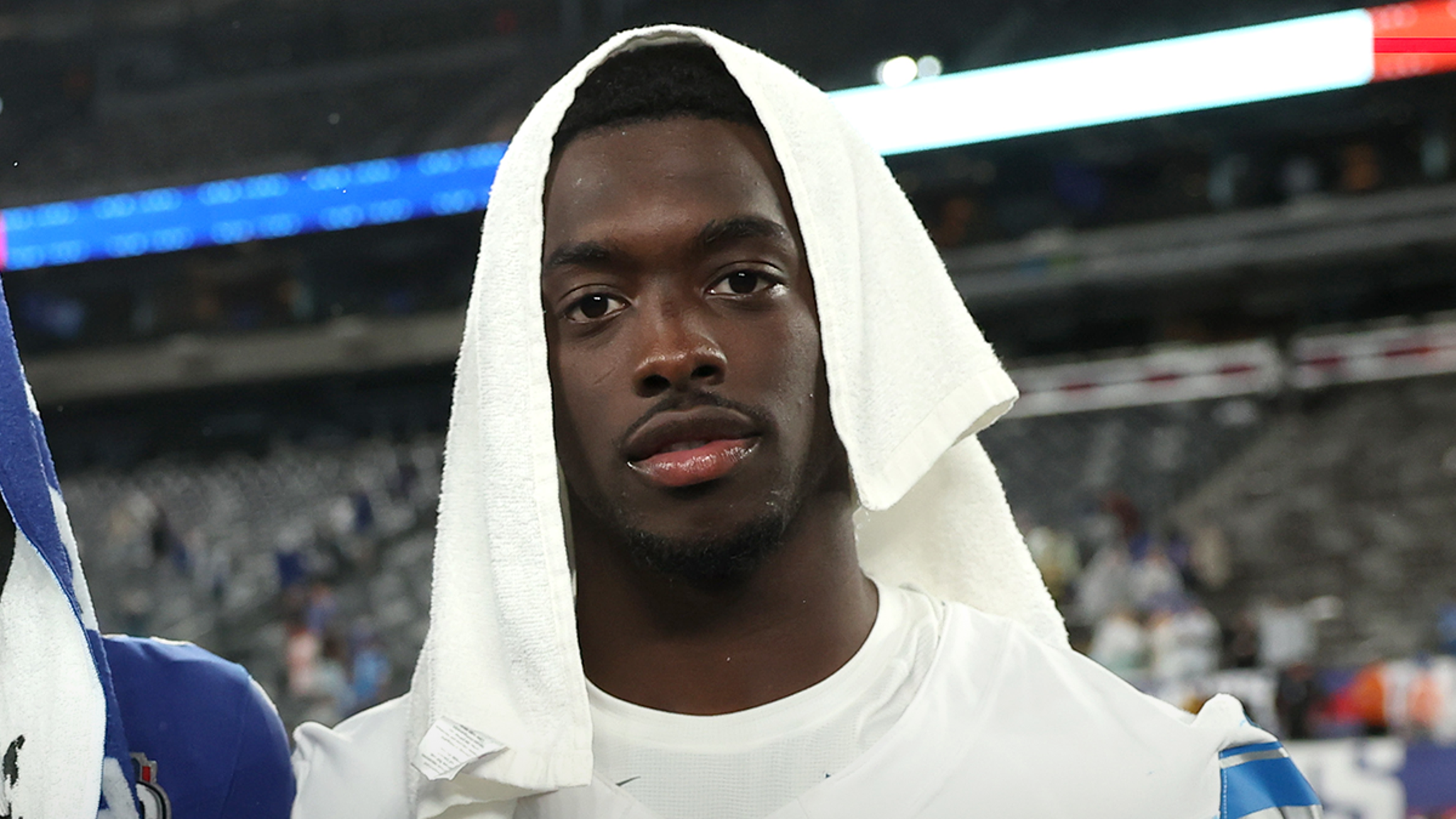
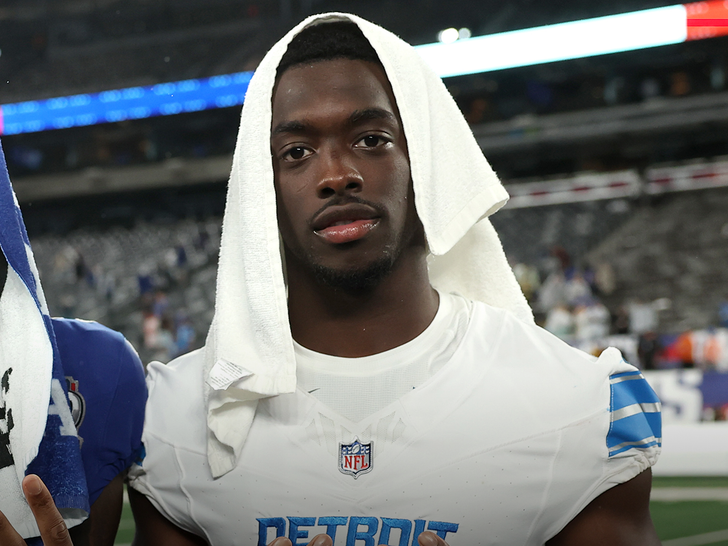
Detroit Lions’ cornerback Terrion Arnold, a prominent figure in the National Football League, surrendered to law enforcement authorities in Florida on Wednesday evening, June 24, 2026, to face multiple felony charges including kidnapping and robbery. The 23-year-old athlete, a first-round draft pick in 2024, has vehemently denied any involvement in the alleged incidents and has publicly stated his intention to vigorously defend himself in court. His booking at 10:11 PM local time saw him processed into a Hillsborough County jail facility, where he is currently being held without bond, underscoring the severe nature of the allegations.
The Allegations and Charges
The charges levied against Arnold are substantial and carry significant legal weight. He faces four counts of robbery with a firearm or deadly weapon and four counts of kidnapping with intent to harm or terrorize. These grave accusations stem from an alleged incident that reportedly occurred in Tampa, Florida, in February 2026. While the specific details of the alleged events have not been fully disclosed by law enforcement at this early stage, the inclusion of "with a firearm or deadly weapon" in the robbery charges and "with intent to harm or terrorize" in the kidnapping charges suggests a highly serious and potentially violent encounter.
The legal system in Florida categorizes such offenses as first-degree felonies, which can carry severe penalties, including lengthy prison sentences, especially when a firearm is involved, often triggering minimum mandatory sentencing guidelines. For a public figure like Arnold, the implications extend beyond potential legal ramifications, touching upon his professional career, public image, and endorsement opportunities.
A Chronology of Events and Defense’s Stance
The timeline of this developing story begins with the alleged incident in February 2026. For months following this event, allegations against Arnold reportedly "floated around," indicating a period of investigation or pre-charge scrutiny by authorities. Throughout this period, Arnold consistently maintained his innocence, a position he continues to hold steadfastly. His surrender on June 24, 2026, marks a formal progression in the legal process, moving from a period of alleged wrongdoing and rumor to concrete charges and formal legal proceedings.
Following his surrender, Terrion Arnold’s representative, Denise White, issued a forceful statement to TMZ Sports on Tuesday night, immediately refuting the charges and asserting her client’s innocence. White’s statement emphasized a categorical denial of any involvement by Arnold in the matters underlying the allegations. "Terrion Arnold categorically denies any involvement in the matters underlying the allegations made against him and maintains his innocence," White stated.
The defense’s strategy, as outlined by White, appears to hinge on two critical points: a perceived lack of credible evidence directly linking Arnold to the allegations, and the alleged unreliability of key witnesses. White elaborated, "There is no credible evidence linking Mr. Arnold to these allegations. Instead, the government appears to be relying on testimony from multiple convicted felons who have admitted their own involvement and may have substantial incentives to shift blame in an effort to lessen their sentences." This suggests that the defense plans to challenge the credibility of the prosecution’s witnesses, a common tactic in criminal defense, particularly when dealing with individuals who may have their own legal entanglements. White concluded her statement by affirming Arnold’s resolve to fight the charges, expressing confidence that "the judicial process will lead to his ultimate vindication."
The Legal Landscape and What Comes Next
Arnold’s current status of being held without bond highlights the severity with which the court views the charges. In Florida, a judge typically orders a defendant to be held without bond in cases involving extremely serious felonies, particularly those with elements of violence, where there is deemed to be a significant flight risk or a danger to the community. This decision is usually made after an initial appearance or bond hearing, where a judge assesses the nature of the charges, the defendant’s ties to the community, and any prior criminal history.
The next steps in the legal process for Arnold will likely include an arraignment, where he will formally enter a plea (expected to be "not guilty"). This will be followed by discovery, where both the prosecution and defense exchange evidence and witness lists. Pre-trial motions, including motions to suppress evidence or challenge witness testimony, are also standard. The complexity of multiple felony charges, especially those involving firearms and kidnapping, suggests that this will be a protracted legal battle, potentially leading to a jury trial if no plea agreement is reached. The defense’s early assertion about the unreliability of witnesses suggests that the trial could involve extensive cross-examination and scrutiny of the accusers’ backgrounds and motivations.
Implications for Terrion Arnold and the Detroit Lions
The arrest and charges against Terrion Arnold cast a significant shadow over his burgeoning NFL career and present an immediate challenge for the Detroit Lions organization. As a 2024 first-round draft pick, Arnold was viewed as a cornerstone of the Lions’ defense, a promising young talent expected to contribute significantly for years to come. His performance in his rookie season had already solidified his status as a key player, making this legal entanglement particularly disruptive.
For the Lions, the immediate priority will be to gather information and assess the situation. Typically, NFL teams issue carefully worded statements in such circumstances, often indicating awareness of the situation, a commitment to monitoring developments, and a policy of refraining from further comment on ongoing legal matters. The team’s coaching staff and front office will undoubtedly be concerned about the potential impact on team morale, training camp preparations, and the overall public image of the franchise. While the team will likely support Arnold through the legal process, the serious nature of the charges could lead to internal discussions about his immediate future with the team, especially if the legal proceedings extend into the upcoming NFL season.
The NFL’s Personal Conduct Policy will also come into play. Regardless of the outcome of the criminal proceedings, the league has the authority to investigate allegations of off-field misconduct and impose disciplinary actions, including fines, suspensions, or even banishment from the league, if it determines that a player has violated the policy. Commissioner Roger Goodell holds broad powers in this regard. Historically, the NFL has taken a firm stance on issues involving violence, particularly those related to firearms and kidnapping. The league’s investigation would run parallel to the criminal justice process, meaning Arnold could face NFL sanctions even if he is ultimately acquitted in court, or before a verdict is reached. The perception of the league, which has made concerted efforts to address player conduct, will undoubtedly influence its response.
Beyond the immediate legal and team implications, Arnold’s personal brand and potential endorsement deals are also at risk. Professional athletes, especially high-profile draft picks, often secure lucrative endorsement contracts early in their careers. Allegations of this magnitude can severely damage a player’s marketability, leading to the suspension or termination of existing deals and making future opportunities scarce, irrespective of legal innocence.
Broader Context and Public Scrutiny
This incident also highlights the intense scrutiny professional athletes face, where personal legal troubles become front-page news. The public, media, and fans alike will closely follow the developments in Arnold’s case, weighing the presumption of innocence against the gravity of the charges. The defense’s claims regarding unreliable witnesses, particularly "convicted felons," will undoubtedly add a layer of complexity and public debate, inviting questions about the integrity of the evidence and the motivations of those making the accusations.
The situation serves as a stark reminder of the challenges and responsibilities that come with being a high-profile athlete, where off-field conduct can have profound and lasting consequences on one’s career and personal life. As the story continues to unfold, all eyes will be on the Hillsborough County legal system and the actions of the Detroit Lions and the NFL, as they navigate this serious and developing situation involving one of their promising young stars. The legal battle is expected to be lengthy and complex, with significant ramifications for all parties involved.