A Public Plea for Early Detection
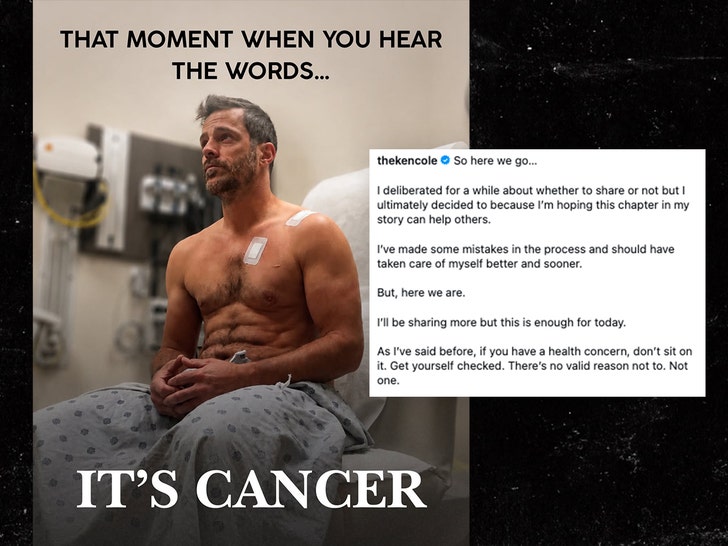
Ken McNickle’s revelation was more than just a personal disclosure; it was a powerful public health message. In his Instagram post, which quickly garnered widespread attention, he expressed a poignant regret: "As I’ve said before, if you have a health concern, don’t sit on it. Get yourself checked. There’s no valid reason not to. Not one." This direct appeal stemmed from his personal experience, as he candidly admitted wishing he had taken better care of himself "better and sooner." The implication of delayed action underscores a common pitfall in healthcare—the tendency to postpone check-ups or ignore concerning symptoms until a condition progresses. McNickle’s honesty serves as a stark reminder that even individuals who project an image of robust health can face serious medical challenges, and that early intervention often significantly improves outcomes.
The Instagram post included a series of photos depicting McNickle at what appeared to be a medical facility, with visible white patches on his chest, indicative of medical preparation or treatment. Overlaying these images were texts reflecting his emotional journey, acknowledging moments of despair but ultimately reaffirming his resolve to persevere for his family. "Because there’s always a choice. And I’m choosing optimism, health, happiness, and the knowing that the spirit has me. And most importantly, I’m choosing love," he wrote, articulating a resilient mindset in the face of adversity. This declaration of choosing optimism and love highlights the significant psychological component of battling a serious illness, where mental fortitude and a strong support system play crucial roles.
McNickle’s Journey: From Fiji to Philanthropy
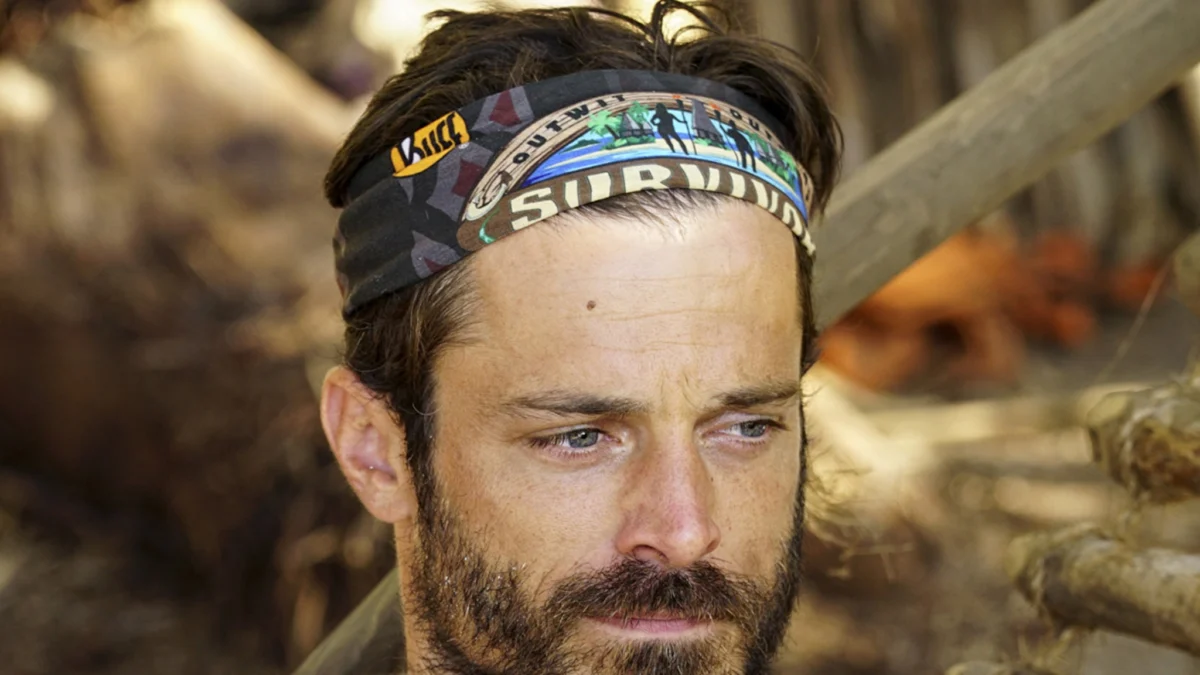
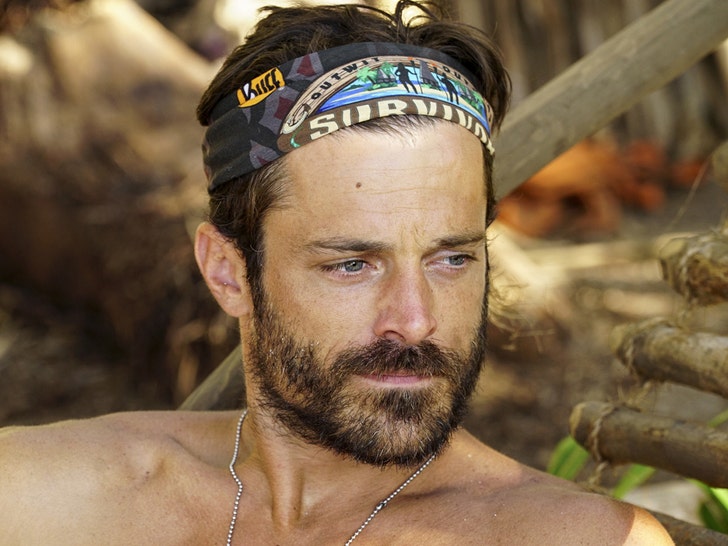
Kenneth "Ken" McNickle first captured public attention in 2016 when he competed on Survivor: Millennials vs. Gen X, the 33rd season of the acclaimed reality competition series. Hailing from Denver, Colorado, McNickle quickly distinguished himself with his strong moral compass, physical prowess, and genuine demeanor. Often referred to as "the provider" by his tribemates, he earned respect for his unwavering loyalty, particularly to fellow contestant David Wright, and his ability to contribute to the tribe’s survival. Throughout the season, McNickle became known for his surprising strategic finds, including a hidden immunity idol that he famously refused to use, instead holding onto it in a display of confidence and trust in his alliance. His journey was marked by significant challenge wins and a consistent demonstration of integrity, which resonated deeply with viewers.
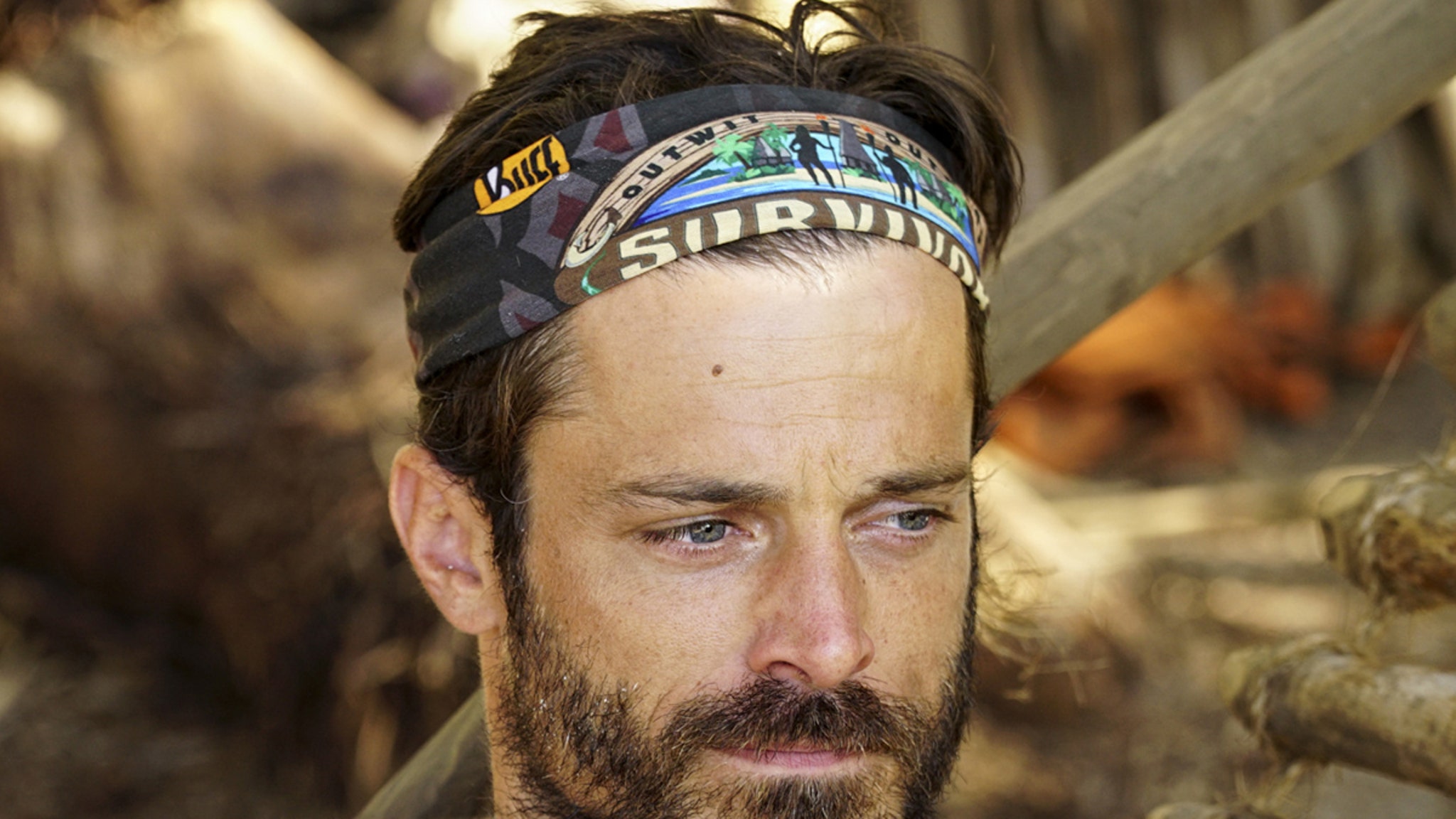
Despite his strategic gameplay and challenge performance, McNickle’s quiet leadership and strong ethical stance sometimes put him at odds with the more aggressive strategic players. He ultimately made it to the final tribal council, finishing as the runner-up to winner Adam Klein. His performance earned him a significant fan following, drawn to his authenticity and his embodiment of traditional Survivor values like integrity and resilience.
Following his Survivor appearance, McNickle leveraged his newfound platform to continue his work as a model and expand his endeavors as a life coach. His public persona consistently reflected a commitment to physical fitness, mental well-being, and community engagement. He has been an advocate for various causes, often sharing insights on personal growth and healthy living. This public image of vitality makes his recent cancer diagnosis particularly impactful, serving as a powerful illustration that health challenges can affect anyone, regardless of their apparent fitness or lifestyle. His ability to openly share his vulnerability, even after cultivating an image of strength, further solidifies his connection with his audience.
The Impact of a Public Health Revelation
McNickle’s decision to disclose his cancer diagnosis publicly aligns with a growing trend among celebrities who use their platforms to raise awareness about health issues. When public figures share such personal battles, it often humanizes conditions that can feel distant or abstract to the general population. This visibility can lead to increased public discussion, reduced stigma, and, crucially, a surge in people seeking medical advice for their own potential symptoms. For instance, well-documented cases of celebrities sharing their cancer diagnoses have led to measurable increases in screening rates for specific cancers. McNickle’s direct call to action—"Get yourself checked. There’s no valid reason not to. Not one"—is precisely the kind of message that can empower individuals to overcome procrastination or fear and prioritize their health.
The importance of early detection in cancer treatment cannot be overstated. According to numerous public health organizations, including the American Cancer Society and the World Health Organization, diagnosing cancer at an early stage significantly increases the chances of successful treatment and long-term survival. For many common cancers, the five-year survival rate can be dramatically higher when detected early compared to late-stage diagnoses. For example, localized skin cancers, if caught early, have a nearly 100% survival rate. While McNickle did not specify his diagnosis, his experience underscores the universal truth that delaying medical evaluation can have serious consequences. His message resonates with the broader public health campaigns that continually advocate for regular check-ups, awareness of bodily changes, and prompt consultation with healthcare professionals. This phenomenon is often termed "the celebrity effect" in public health, where the personal narratives of well-known individuals can catalyze positive health behaviors on a wide scale.
The "Survivor" Community Rallies
The Survivor community is renowned for its tight-knit nature and strong bonds formed through shared, intense experiences. Contestants often forge lifelong friendships and maintain a supportive network long after their respective seasons conclude. Upon hearing of Ken McNickle’s diagnosis, it is highly anticipated that he would receive an outpouring of support from fellow Survivor alumni, the show’s production team, and its vast global fan base. While specific statements from former castmates were not immediately available following the announcement, the pattern of solidarity within the Survivor family suggests a wave of encouragement, prayers, and well wishes would undoubtedly reach him.
Past instances have shown Survivor contestants rallying around their peers during times of personal crisis, whether it be illness, loss, or other significant life challenges. This collective empathy often extends beyond personal friendships, uniting individuals from different seasons who share the unique bond of having endured the demanding social and physical game. Fans, who have invested emotionally in these contestants’ journeys, also play a significant role, often creating online forums and campaigns to send messages of support, reflecting the deep connection many viewers feel to the reality stars. McNickle, with his universally admired persona from Season 33, is particularly poised to receive this robust community support, which can be a vital source of strength during a challenging health battle. This collective outpouring of goodwill serves not only to comfort the individual but also to reinforce the broader human connection that Survivor inadvertently fosters.
Navigating the Path Forward: Optimism Amidst Adversity
McNickle’s choice to share his diagnosis publicly, alongside his message of optimism and love, provides a valuable lesson in coping with severe health challenges. Facing a cancer diagnosis often brings a complex array of emotions, including fear, uncertainty, and grief. His acknowledgment of sometimes feeling like "giving up" is a raw and honest portrayal of this struggle, making his ultimate choice for "optimism, health, happiness, and…love" all the more powerful. This perspective aligns with psychological research suggesting that a positive outlook, coupled with strong social support and a sense of purpose, can significantly impact a patient’s resilience and overall well-being during treatment. His stated motivation, his family, underscores the profound role that personal relationships play in providing the strength needed to face such an ordeal.
As a life coach, McNickle has likely spent years guiding others through their own personal challenges, emphasizing self-care, mindfulness, and resilience. Now, he faces the ultimate test of applying these very principles to his own life. His public sharing of this deeply personal journey not only empowers others but also serves as a testament to his own commitment to authenticity and the principles he espouses professionally. While the specific details of his treatment plan remain private, the medical community generally emphasizes a multi-faceted approach to cancer care, often involving surgery, chemotherapy, radiation therapy, targeted therapies, or immunotherapy, tailored to the specific type and stage of cancer. Regardless of the path ahead, McNickle’s public declaration of choosing hope and love sets a powerful example for how one can confront profound adversity with grace and determination.
The Broader Call to Action
Ken McNickle’s cancer diagnosis and subsequent public announcement represent a critical moment for reinforcing the broader public health imperative of self-care and timely medical intervention. His experience underscores that health is a continuous journey, not a destination, and that vigilance is paramount. While the entertainment industry often showcases the glamorous aspects of celebrity life, McNickle’s vulnerability highlights the universal human experience of confronting illness. His candidness not only educates but also validates the struggles of countless individuals facing similar health battles.
The ongoing conversation around celebrity health disclosures contributes significantly to breaking down barriers of fear and misinformation surrounding diseases like cancer. By using his platform to advocate for early detection, McNickle has transformed a personal challenge into a powerful public service announcement. His words serve as a potent reminder for everyone, regardless of age, background, or perceived health status, to listen to their bodies, consult healthcare professionals when concerns arise, and never underestimate the value of proactive health management. As McNickle embarks on his journey toward recovery, his message of choosing optimism and love in the face of adversity will undoubtedly continue to inspire and resonate, leaving a lasting impact far beyond the realm of reality television. His courageous decision to share his story reinforces that in matters of health, awareness and action are the ultimate forms of empowerment.