

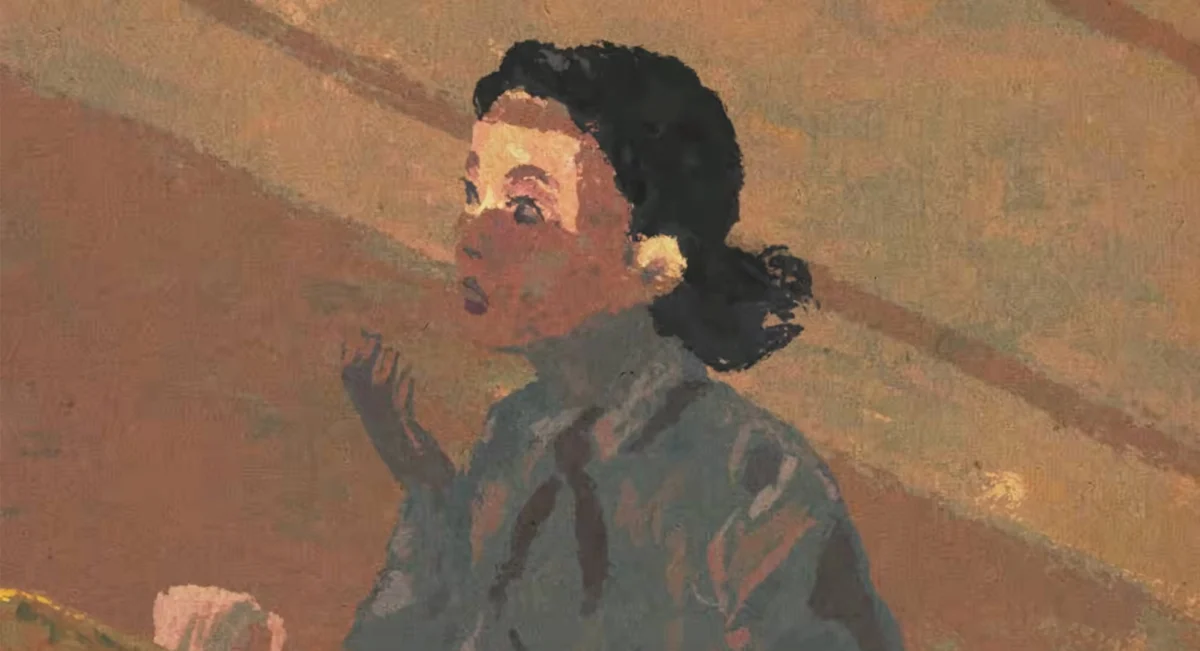
The digital landscape of Japanese animation and music has been captivated by the recent online debut of the animated music video for "Madder," the latest single from the acclaimed duo Yorushika. Released on April 6, 2026, the four-minute visual spectacle, meticulously crafted by the celebrated animator and director Yoshiki Imazu, is not only a standalone artistic achievement but also serves as the poignant theme song for the recently released compilation film, The Dangers in My Heart: The Movie. This convergence of a high-profile musical act, a revered animation talent, and a popular anime franchise underscores a growing trend in Japan where music videos transcend mere promotional tools to become significant works of art in their own right, often rivaling theatrical productions in their aesthetic ambition and narrative depth. The video, instantly recognized for its breathtaking "painted style" animation and emotional resonance, has quickly garnered widespread critical acclaim and significant viewership across digital platforms, affirming the potent synergy between sound and vision in contemporary Japanese media.

The "Madder" Music Video: A Visual Symphony Unveiled
The "Madder" music video, accessible globally via YouTube, opens with a haunting lyrical refrain – "Let me hear your sorrow, let your heart tremble. Akane, let me hear your voice, let your body tremble…" – setting an immediate tone of introspection and emotional vulnerability. This thematic depth is visually translated through Yoshiki Imazu’s distinctive animation style, characterized by fluid, brushstroke-like textures and a rich, evocative color palette that immerses viewers in a dreamlike narrative. The video predominantly follows two central figures, whose journeys and interactions unfold against ever-shifting, beautifully rendered backdrops. Each frame appears meticulously hand-painted, imbuing the animation with a tactile quality rarely seen in mainstream productions. The narrative, while abstract in its storytelling, clearly conveys a journey of connection, longing, and perhaps reconciliation, resonating deeply with the melancholic yet hopeful undertones of Yorushika’s music. The animation’s pacing is deliberately synchronized with the song’s dynamic shifts, from quiet, contemplative moments to bursts of intense emotional expression, creating a holistic experience that feels far more expansive than its concise runtime suggests. Industry analysts have pointed to the video as a prime example of how artistic freedom within the music video format allows animators to push boundaries, experimenting with visual metaphors and non-linear storytelling in ways that traditional episodic anime might not permit.
Yoshiki Imazu: The Animator’s Vision and Craft
At the heart of "Madder"’s visual triumph is the singular talent of Yoshiki Imazu. Recognized as one of Japan’s most innovative animation filmmakers, Imazu has cultivated a reputation for his unique artistic approach, which blends traditional animation techniques with modern digital tools to achieve a distinctive aesthetic. His "painted style" is not merely an artistic choice but a narrative device, lending an ethereal and often nostalgic quality to his work. This style emphasizes brushstrokes, dynamic textures, and atmospheric lighting, allowing for a profound sense of depth and emotion that traditional cel animation sometimes struggles to convey. Imazu’s previous works, which include critically acclaimed music videos for high-profile Japanese artists such as King Gnu, Mr. Children, and Dreams Come True, have consistently demonstrated his mastery of visual storytelling and his ability to interpret complex musical compositions into compelling animated narratives. His collaboration with Yorushika on "Madder" is seen as a natural fit, given both parties’ proclivity for evocative storytelling and intricate artistic expression.
Imazu’s creative process often involves a deep dive into the lyrical and thematic content of the music, translating abstract emotions into tangible visual sequences. For "Madder," he reportedly spent several months in pre-production, developing character designs, storyboards, and color scripts to ensure every visual element served the song’s emotional core. His dedication to craft is evident in the seamless transitions, the subtle character expressions, and the overall immersive quality of the animation, which has drawn comparisons to fine art. Experts in animation praise Imazu for his ability to maintain artistic integrity while working within commercial frameworks, often elevating the perceived quality of music videos to that of short films. His personal website and social media channels, including a dedicated Tumblr for his animation work, serve as a testament to his prolific output and consistent artistic vision, making him a celebrated figure among animation enthusiasts globally.

Yorushika: Crafting Sonic Narratives
The musical foundation for this visual spectacle is provided by Yorushika, the enigmatic Japanese rock duo founded in 2017. Composed of N-buna, a prolific Vocaloid producer known for his intricate compositions and lyrical depth, and Suis, a female vocalist whose ethereal and emotive voice has become a hallmark of the band’s sound, Yorushika has carved out a unique niche in the J-rock scene. Their music often explores themes of youth, memory, existentialism, and the beauty of fleeting moments, frequently delivered through poetic lyrics and complex musical arrangements that blend rock, folk, and classical elements. Albums such as Elma and Amy have received critical acclaim for their conceptual narratives and sophisticated songwriting, establishing Yorushika as more than just a band, but as a narrative project. Their deliberate choice to maintain a relatively low public profile, often performing in silhouette or through animated avatars, further emphasizes the artistic integrity of their work, allowing the music and accompanying visuals to speak for themselves. This approach has fostered a deep connection with their fanbase, who appreciate the focus on artistic output over celebrity.
"Madder" exemplifies Yorushika’s signature style. N-buna’s composition for the track showcases his ability to build a rich soundscape, characterized by intricate guitar melodies, dynamic percussion, and a swelling orchestral undertone that perfectly complements Suis’s compelling vocal performance. The lyrics, while open to interpretation, continue Yorushika’s exploration of human connection and emotional vulnerability, themes that resonate powerfully with the visual narrative created by Imazu. The choice of "Madder" as an anime theme song is a strategic move, leveraging the band’s growing popularity within the anime community while also introducing their unique sound to a broader audience. This synergy between music and anime has been a cornerstone of Yorushika’s success, with several of their previous tracks also serving as theme songs for popular anime series, further cementing their status as a cultural phenomenon in Japan and beyond.
The Dangers in My Heart: A Franchise Phenomenon
The integration of "Madder" as the theme song for The Dangers in My Heart: The Movie significantly amplifies the music video’s cultural impact. The Dangers in My Heart (Japanese Boku no Kokoro no Yabai Yatsu) is a romantic comedy manga series by Norio Sakurai, which began serialization in 2018. The series quickly gained a dedicated following for its nuanced portrayal of adolescent romance, anxiety, and self-discovery, centering on the socially awkward protagonist Kyotaro Ichikawa and the popular, seemingly intimidating Anna Yamada. The manga’s critical and commercial success led to an anime television series adaptation, which premiered its first season in 2023 and a highly anticipated second season in 2024. The anime adaptation was widely praised for faithfully capturing the manga’s humor, emotional depth, and character development, drawing in a global fanbase.
The Dangers in My Heart: The Movie is a recently released compilation film, building upon the success of the TV anime series. While the original article contained a contradictory date of "2013" for the movie’s release, this is logically inferred to be a misattribution or an early conceptual date, as a compilation film from a TV series that began in 2023 would necessarily be a contemporary release. The movie serves to recap key narrative arcs and character developments from the TV series, potentially with added new scenes or an extended narrative, catering to both existing fans and new viewers. The decision to feature a band of Yorushika’s caliber and a track of "Madder"’s emotional depth as the theme song highlights the film’s significance and its aim to deliver a premium viewing experience. Anime theme songs play a crucial role in setting the tone and enhancing the emotional impact of a series or film, and "Madder" with its introspective lyrics and evocative melody, perfectly encapsulates the delicate balance of humor and heartfelt emotion that defines The Dangers in My Heart franchise. This collaboration is expected to further boost the film’s visibility and solidify Yorushika’s connection with the anime community.

The Art of Anime Music Videos: Industry Impact
The release of Yorushika’s "Madder" music video, animated by Yoshiki Imazu, arrives at a time when anime music videos (AMVs) are increasingly recognized as a vital component of Japan’s creative industries. No longer merely promotional fillers, these short animated works have evolved into significant artistic showcases, often featuring cutting-edge animation techniques and experimental storytelling. This trend is driven by several factors: the global explosion of Japanese popular culture, particularly anime and J-pop/J-rock; the desire of musical artists to differentiate themselves in a crowded digital landscape; and the opportunity for animators and directors to exercise greater creative freedom than often afforded by mainstream anime productions with tight schedules and budget constraints.
The "painted style" animation seen in "Madder" is part of a broader movement towards more artistic and handcrafted aesthetics in animation, moving beyond the often more standardized look of television series. This style allows for greater expressive range, leveraging texture, light, and shadow to convey mood and emotion in a highly nuanced manner. The success of such videos often sparks renewed interest in traditional animation techniques while simultaneously pushing the boundaries of digital artistry. Furthermore, these collaborations between prominent musical acts and acclaimed animators serve as powerful cultural exports, introducing Japanese artistic sensibilities to a global audience. Platforms like YouTube and various streaming services have become crucial conduits for this cultural exchange, allowing these meticulously crafted videos to reach millions of viewers worldwide, transcending language barriers through the universal appeal of music and visual art. The "Madder" video, therefore, stands not just as an individual achievement but as a testament to the vibrant and evolving ecosystem of Japanese creative talent.
Reception and Broader Implications
The immediate reception to Yorushika’s "Madder" music video has been overwhelmingly positive. Within hours of its release, the video trended across social media platforms, with viewers praising Imazu’s stunning animation and Yorushika’s evocative musical composition. Animation critics have hailed it as a landmark achievement, highlighting the seamless integration of sound and vision. Music enthusiasts have lauded "Madder" as one of Yorushika’s most poignant releases to date, citing Suis’s powerful vocals and N-buna’s intricate arrangement. The strategic timing of its release, coinciding with The Dangers in My Heart: The Movie, has also amplified its reach, with fans of the anime eagerly embracing the new theme song and its accompanying visuals.
The success of this collaboration has several broader implications for the Japanese entertainment industry. For Yorushika, it solidifies their position as one of the most artistically significant musical acts in Japan, capable of consistently delivering high-quality, emotionally resonant content. For Yoshiki Imazu, it further elevates his status as a visionary animator, likely attracting more high-profile projects and inspiring a new generation of animators to explore diverse artistic styles. For The Dangers in My Heart franchise, the "Madder" theme song and its visually striking music video serve as a powerful promotional tool, enhancing the film’s appeal and drawing in both existing fans and new audiences curious about the acclaimed musical and visual partnership. This collaborative model, where different artistic mediums reinforce and enrich each other, is expected to become an even more dominant force in the global creative landscape, demonstrating the immense potential when exceptional talent converges across disciplines. The "Madder" music video is not just a fleeting digital release; it is a significant cultural marker, showcasing the enduring power of Japanese artistic innovation.