



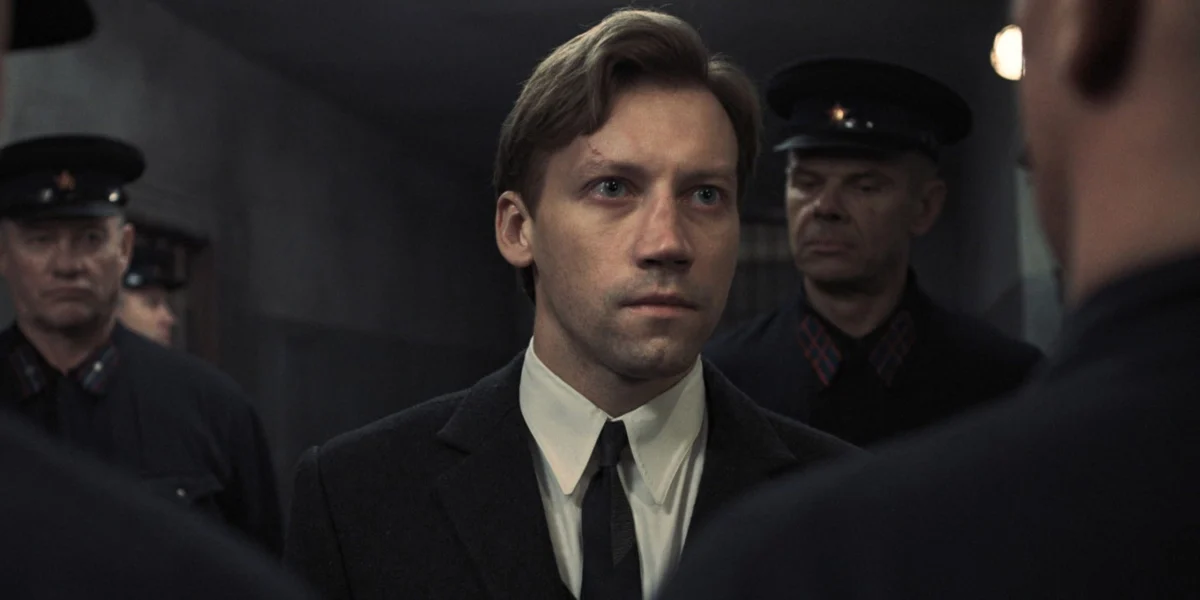
Acclaimed Ukrainian filmmaker Sergei Loznitsa’s latest cinematic offering, "Two Prosecutors," a historical drama set to captivate audiences in 2025, has already garnered significant international attention following its world premiere. The film, penned and directed by Loznitsa, draws its narrative inspiration from the novella of the same name by Georgy Demidov. Starring the talents of Aleksandr Kuznetsov and Aleksandr Filippenko, "Two Prosecutors" plunges viewers into the grim realities of Joseph Stalin’s Great Purge, chronicling the arduous journey of a young Soviet prosecutor determined to secure justice for a political prisoner amidst the pervasive terror of the era.
The film’s auspicious debut occurred within the highly competitive main competition of the 78th Cannes Film Festival, a prestigious platform for cinematic excellence. There, "Two Prosecutors" not only received a chorus of positive reviews from critics but also distinguished itself by clinching the festival’s esteemed François Chalais Prize. This recognition underscores the film’s critical acclaim and its powerful resonance with international audiences and industry professionals alike.
Sergei Loznitsa, known for his unflinching examinations of historical and political themes, provided an insightful glimpse into the creation of "Two Prosecutors" through an exclusive interview with Next Best Picture. The accompanying video and audio interviews, available for viewing and listening, offer a deeper understanding of the director’s artistic vision and the challenges inherent in bringing such a sensitive historical period to the screen. The film is slated for a theatrical release on March 20th, distributed by Janus Films, a company renowned for its commitment to showcasing auteur cinema and significant international films.
Historical Context: The Great Purge and its Echoes
"Two Prosecutors" navigates the treacherous waters of the Great Purge, a brutal period in Soviet history that spanned roughly from 1936 to 1938, although its effects were felt for years. This campaign of political repression orchestrated by Joseph Stalin targeted perceived enemies of the state, leading to mass arrests, show trials, executions, and forced labor in gulag camps. Millions of Soviet citizens, including Communist Party officials, military leaders, intellectuals, and ordinary citizens, fell victim to this wave of paranoia and state-sponsored violence. The period was characterized by a pervasive atmosphere of fear, where accusations, often fabricated, could lead to swift and devastating consequences. The legal system was manipulated to serve the interests of the state, with predetermined outcomes for those accused of treason or anti-Soviet activities.
The novella by Georgy Demidov, upon which the film is based, likely delves into the specific legal and ethical dilemmas faced by individuals within the Soviet justice system during this tumultuous era. The title itself, "Two Prosecutors," suggests a potential exploration of contrasting ideologies or approaches to justice, perhaps highlighting the moral compromises or internal conflicts experienced by those tasked with upholding the law in a lawless regime. The presence of Aleksandr Kuznetsov and Aleksandr Filippenko, both accomplished actors with a history of portraying complex characters, further hints at a nuanced and compelling dramatic performance.
Cannes Film Festival Recognition: A Testament to Cinematic Merit
The 78th Cannes Film Festival, held annually in Cannes, France, is one of the oldest and most prestigious film festivals in the world. It serves as a vital platform for filmmakers to debut their work, gain international exposure, and engage with the global film community. The main competition section is the most coveted, featuring a curated selection of films vying for the festival’s highest honors, most notably the Palme d’Or.
The François Chalais Prize, awarded to "Two Prosecutors," is a significant accolade. Named after the renowned French journalist and war correspondent François Chalais, this prize is often given to films that possess a strong humanitarian or social message, reflecting Chalais’s own commitment to truth and justice. Winning this award at Cannes indicates that "Two Prosecutors" not only excels in its cinematic craft but also carries a powerful and relevant thematic weight that resonated with the festival jury and critics. The positive reviews from the festival circuit suggest that the film has successfully captured the attention of seasoned film critics who are often discerning in their assessments of historical dramas and political narratives.

The Filmmaker’s Perspective: Sergei Loznitsa’s Vision
Sergei Loznitsa has established himself as a formidable voice in contemporary cinema, particularly for his documentaries and fictional films that grapple with the complex and often painful history of the Soviet Union and Eastern Europe. His previous works, such as "In the Fog" (2012) and "Donbass" (2018), have explored themes of war, trauma, and the moral ambiguities of historical events. Loznitsa’s directorial style is often characterized by its meticulous attention to historical detail, its unflinching gaze at difficult subjects, and its ability to evoke a profound sense of atmosphere and psychological depth.
In his interview, Loznitsa likely elaborated on his motivations for adapting Demidov’s novella, the research undertaken to authentically portray the era of the Great Purge, and his approach to directing actors like Kuznetsov and Filippenko. Discussions about the challenges of depicting state-sanctioned terror and the internal struggles of characters caught within such a system would be central to understanding his artistic process. His emphasis on the "two prosecutors" in the title might also reveal a focus on the human element within the oppressive machinery of the state, exploring how individuals navigate their conscience and their duties under duress.
The decision to cast Aleksandr Kuznetsov and Aleksandr Filippenko is also noteworthy. Kuznetsov, a rising star known for his intense performances, is well-suited to portray a young prosecutor grappling with moral quandaries. Filippenko, a veteran actor with a vast repertoire, could lend gravitas and a nuanced portrayal to a more experienced figure within the legal system, perhaps one who has already compromised his principles or is on the verge of doing so.
Distribution and Anticipation: Janus Films and the Road to Release
The distribution of "Two Prosecutors" by Janus Films signifies its potential for critical and commercial success within arthouse and independent cinema circles. Janus Films is a highly respected distributor known for its curated selection of international and classic films, often championing works by renowned directors. Their involvement suggests that "Two Prosecutors" is considered a film of significant artistic merit, likely to appeal to audiences seeking thoughtful and challenging cinematic experiences.
The March 20th release date positions the film for a strong showing in the spring film season. Following its Cannes premiere and the positive buzz generated, the theatrical release will be a crucial period for the film to connect with a wider audience. The availability of the film in theaters will allow viewers to experience Loznitsa’s vision on the big screen, an essential element for appreciating the visual storytelling and immersive atmosphere of historical dramas.
Broader Impact and Implications
The release of "Two Prosecutors" arrives at a time when discussions surrounding historical memory, political repression, and the role of justice systems are particularly relevant. In an era of resurgent authoritarianism and ongoing geopolitical conflicts, films that critically examine the consequences of unchecked state power and the suppression of dissent hold significant societal importance.
"Two Prosecutors" has the potential to:
- Educate Audiences: By dramatizing the horrors of the Great Purge, the film can serve as a powerful educational tool, bringing a lesser-understood but critical period of history to the attention of a new generation.
- Spark Dialogue: The film’s exploration of moral compromise, individual agency, and the subversion of justice could ignite important conversations about ethical responsibility, particularly for those in positions of power.
- Highlight the Importance of Independent Cinema: The film’s journey from an independent novella to an internationally recognized film screened at Cannes and distributed by a respected art-house distributor underscores the vital role of independent cinema in providing diverse perspectives and challenging narratives.
- Reinforce the Power of Storytelling: Sergei Loznitsa’s commitment to using film as a medium to confront difficult historical truths reinforces the power of narrative to preserve memory, foster empathy, and encourage critical thinking.
The success of "Two Prosecutors" at Cannes and its upcoming theatrical release mark a significant moment for Ukrainian cinema and for Sergei Loznitsa’s distinguished career. The film’s exploration of a dark chapter in history, coupled with its critical acclaim, positions it as a must-see for cinephiles and those interested in the enduring impact of political power and the human struggle for justice. The forthcoming months will reveal the full extent of its impact as audiences engage with this compelling historical drama.