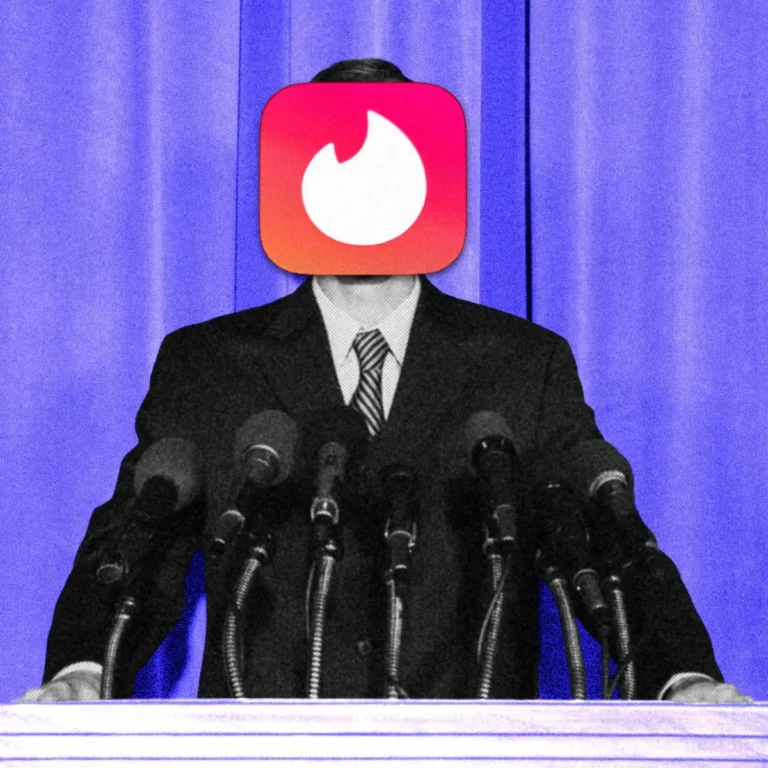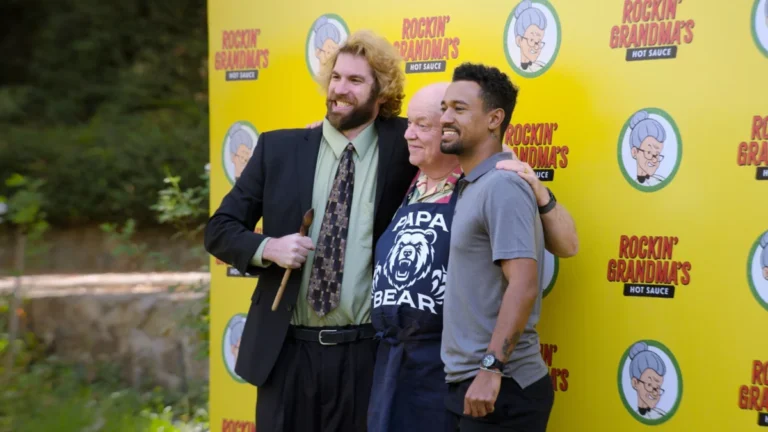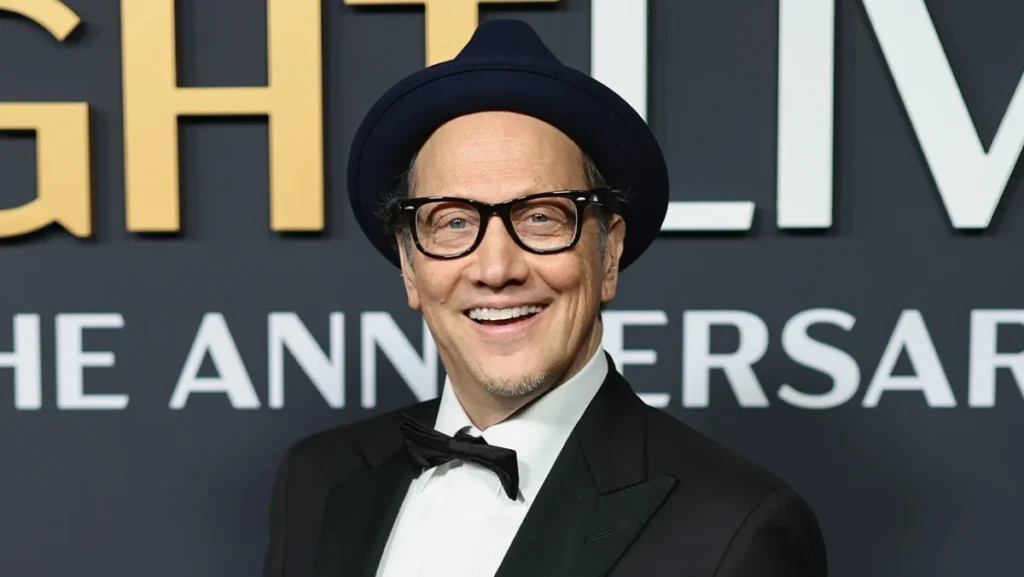




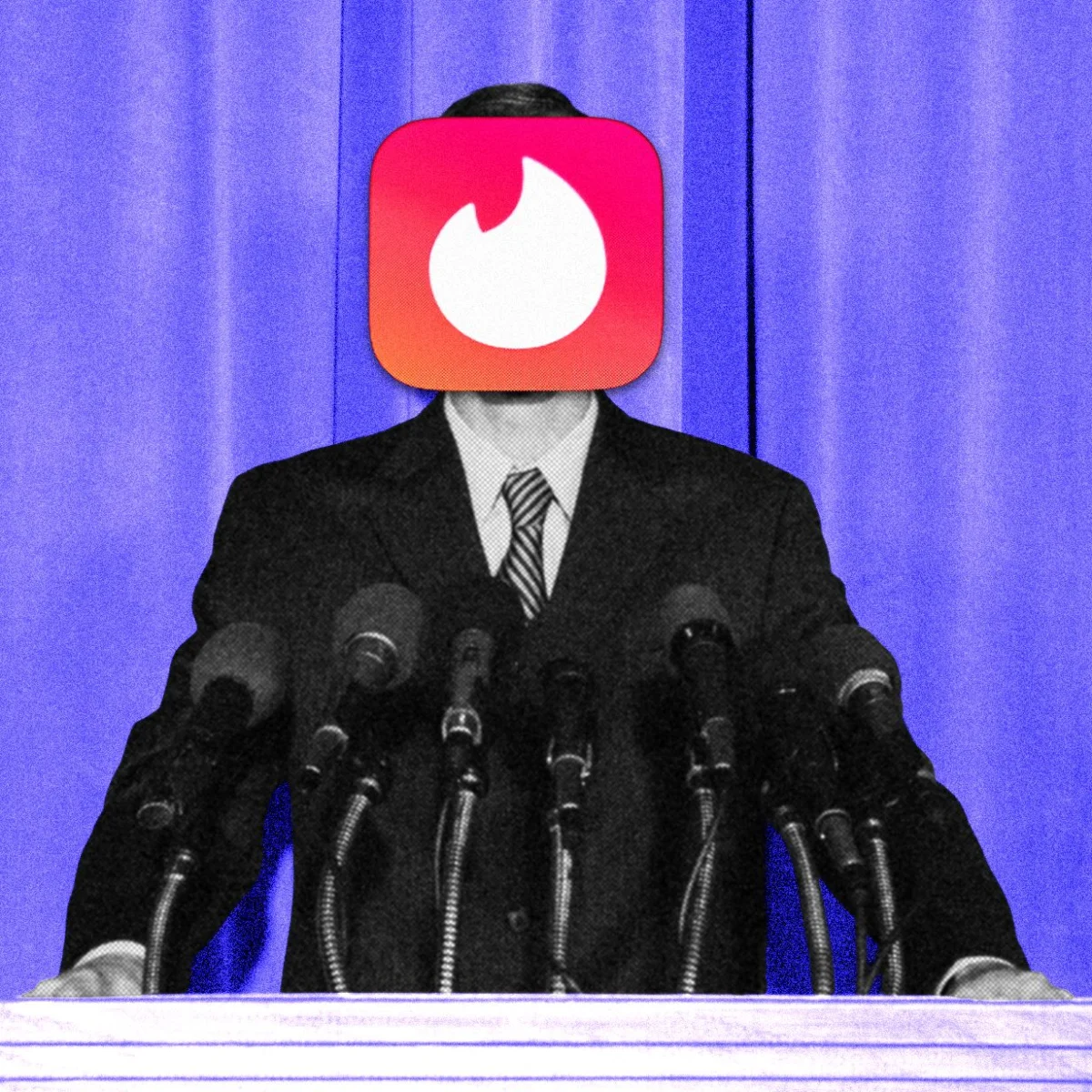
Tinder, the platform that once revolutionized digital romance through the gamification of the "swipe," is currently undergoing its most significant structural and philosophical transformation since its inception in 2012. At a recent high-profile media event held at the El Rey Theater in Los Angeles, the company’s latest chief executive, Spencer Rascoff, officially reintroduced the app to the public, signaling a departure from the high-speed hookup culture that defined its first decade. This strategic pivot comes at a critical juncture for the company, as it faces a shrinking user base, increased competition from niche dating platforms, and a growing sentiment among users that the "dating apocalypse" has rendered digital courtship more exhausting than rewarding.
The rebrand is centered on a suite of more than a dozen new features designed to foster "low-pressure connections." However, for some long-term users, these innovations serve as a reminder of the platform’s previously rigid enforcement of community guidelines. Lauren Grauer, a talent marketer based in New York, recently highlighted this tension after viewing an advertisement for "Double Date," a new feature that allows users to pair their profiles with friends to swipe on other pairs. Grauer noted that four years prior, she had been permanently banned from the app for attempting to create a shared profile with a friend—a practice then prohibited under Tinder’s strict anti-account-sharing policies. In a TikTok video that has since gained significant traction, Grauer expressed a sentiment shared by many former users, stating that while the feature itself is a logical evolution, the company’s history of "criminalizing" early innovators of the social-dating format has left a lingering sense of distrust.
The Evolution of the Digital Dating Landscape
To understand Tinder’s current trajectory, it is necessary to examine the broader chronology of the industry. The era of geo-location-based dating began in 2009 with the launch of Grindr, which utilized GPS technology to connect users within the LGBTQ+ community. However, it was Tinder’s arrival in 2012 that brought the technology to the mainstream. By introducing the swipe mechanism, Tinder transformed dating from a labor-intensive process of filling out long-form questionnaires into a rapid-fire visual experience.
By 2016, Tinder had secured approximately 25 percent of the U.S. dating market share, boasting an estimated 50 million global users. This dominance led to a wave of competitors, including Bumble, which focused on female-led interactions; Hinge, which marketed itself as "the app designed to be deleted"; and Feeld, which catered to alternative relationship structures. Despite the proliferation of options, the industry began to experience a "saturation point" by the early 2020s. Critics and sociologists began to warn of the "dating apocalypse," a phenomenon where the infinite choice provided by apps led to a paradox of choice, resulting in lower user satisfaction and a decline in meaningful relationships.
Financial Performance and Market Realities
The impetus for Tinder’s radical rebrand is grounded in stark financial data. According to recent reports from Match Group, Tinder’s parent company, the platform has seen a consistent decline in its paying member base. In the final quarter of 2025, the number of paying users dropped by 8 percent, falling to 8.8 million. This decline is particularly concerning for investors, as Tinder remains the primary revenue driver for Match Group, which also owns Hinge, OkCupid, and Plenty of Fish.
CEO Spencer Rascoff’s leadership represents a "course correction" intended to stabilize these numbers. During his address at the El Rey Theater, Rascoff acknowledged that the metrics of success for the app are shifting. "Just getting matches is not the goal," Rascoff told the audience. "People are craving connection. Humans need humans." This statement marks a fundamental change in the company’s internal benchmarks, moving away from maximizing the number of swipes toward increasing the quality of user engagement.
Integration of Artificial Intelligence and New Features
The centerpiece of the "new Tinder" is the integration of advanced Artificial Intelligence (AI) to facilitate more personalized experiences. One of the most discussed features is "Chemistry," an AI-powered tool that requests access to a user’s camera roll. The algorithm analyzes the user’s photos to identify hobbies, personality traits, and lifestyle preferences, which it then uses to enhance the user’s profile and matching accuracy. While this level of data access has raised privacy concerns, Tinder has been quick to clarify that it does not store the raw data analyzed from the photos, utilizing the information only to generate profile insights.
In addition to "Chemistry," the app has introduced "Astrology Mode," a feature designed to appeal to Gen Z’s interest in zodiac compatibility. This mode automatically pairs users based on their astrological signs and provides "compatibility scores" based on their birth charts. These features are part of a broader attempt to move the app into the "social discovery" space, where the goal is not necessarily a romantic match but a shared experience or interest.
Safety and the Challenge of Content Moderation
As Tinder leans more heavily into AI, it is also upgrading its safety protocols. The "Are You Sure?" feature, which prompts users to reconsider sending messages containing potentially "harmful language," has been updated with more sophisticated natural language processing. Similarly, the "Does This Bother You?" tool now automatically blurs profane or harassing text, requiring the recipient to opt-in to view the message.
However, the efficacy of these tools remains a subject of debate. For many marginalized users, the experience on Tinder continues to be fraught with challenges that AI has yet to solve. Kobe Mehki, a 23-year-old trans singer-songwriter, shared her experiences of returning to the app only to face constant hypersexualization and intrusive questioning regarding her identity. Mehki noted that many male users interact with her as if she were "not even a real person," focusing entirely on her trans status rather than her personality or ambitions. This highlights a persistent issue within the platform: while AI can filter for specific "banned" words, it often fails to detect the nuanced harassment and dehumanization that occurs in interpersonal digital interactions.
Broader Implications for the Tech Industry
Tinder’s pivot is reflective of a wider trend in the technology sector, where "engagement" is no longer the sole metric of value. As users become more conscious of their "digital well-being," platforms are being forced to prove that they provide genuine utility rather than just a dopamine loop. The success of Tinder’s rebrand will likely serve as a bellwether for the rest of the "swipe economy." If Tinder can successfully transition from a hookup app to a social connection platform, it may provide a roadmap for other legacy apps struggling with user fatigue.
Furthermore, the company’s reliance on AI to "reestablish trust" is a high-stakes gamble. Match Group was subject to an alleged data breach in early 2025, which compromised information across several of its platforms, including Hinge and OkCupid. Asking users to grant an AI access to their personal camera rolls in the wake of such security lapses requires a level of brand loyalty that may no longer exist among the younger demographic.
Conclusion and Future Outlook
The transformation of Tinder under Spencer Rascoff is an ambitious attempt to reclaim the platform’s status as a cultural leader. By embracing features like "Double Date" and "Chemistry," the app is attempting to mirror the way people connect in the physical world—through friends, shared interests, and social contexts. However, the company must contend with the "ghosts" of its past policies and the inherent difficulties of moderating a platform with millions of diverse users.
Whether these changes can reverse the decline in paying members remains to be seen. The dating app market is increasingly fragmented, with Gen Z users showing a preference for "organic" meeting methods or smaller, community-focused apps. Tinder’s challenge is to prove that it can still facilitate the "human connection" it now champions, without losing the simplicity that made it a global phenomenon in the first place. As the digital dating landscape continues to evolve, Tinder’s rebrand stands as a testament to the fact that in the world of technology, even the most dominant giants must eventually adapt or face obsolescence.