


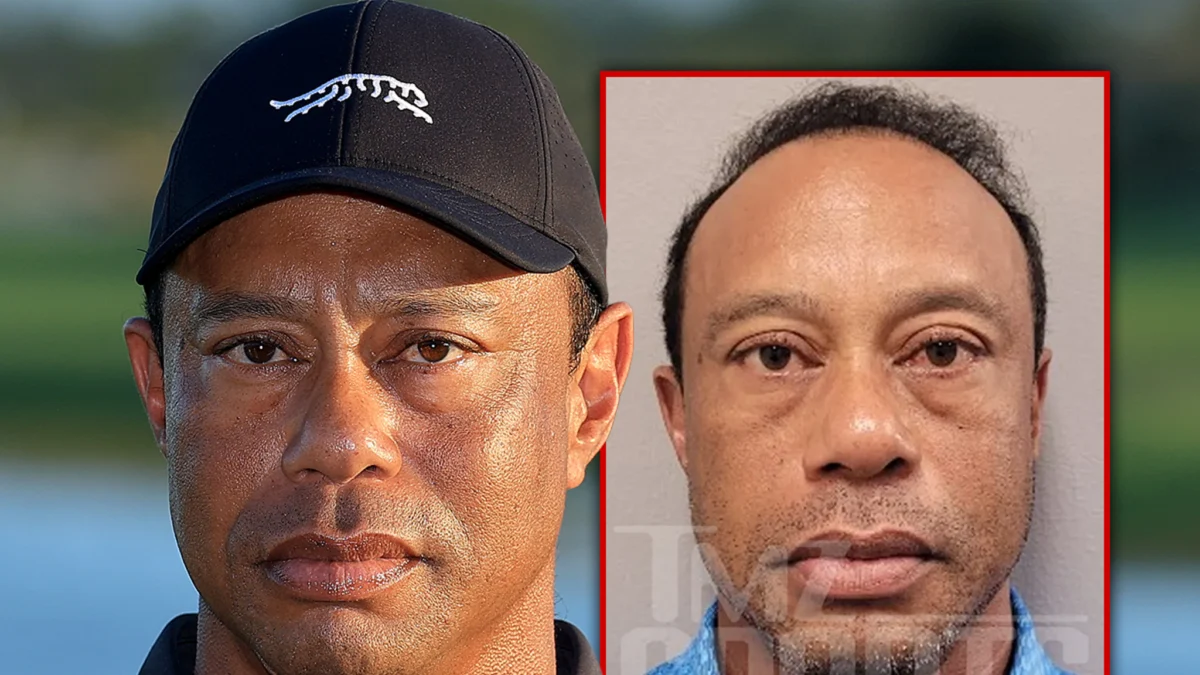
The recent DUI arrest involving golf icon Tiger Woods has reportedly sparked significant concern and frustration within his closest circle, with sources indicating a growing sentiment that the celebrated athlete needs to confront his current reality and adopt behavior more befitting his 50 years of age. This latest incident, which saw Woods’ vehicle crash and overturn, has reignited discussions about his personal struggles, career trajectory, and the pressures faced by aging sports legends.
The Incident: A New Chapter of Concern
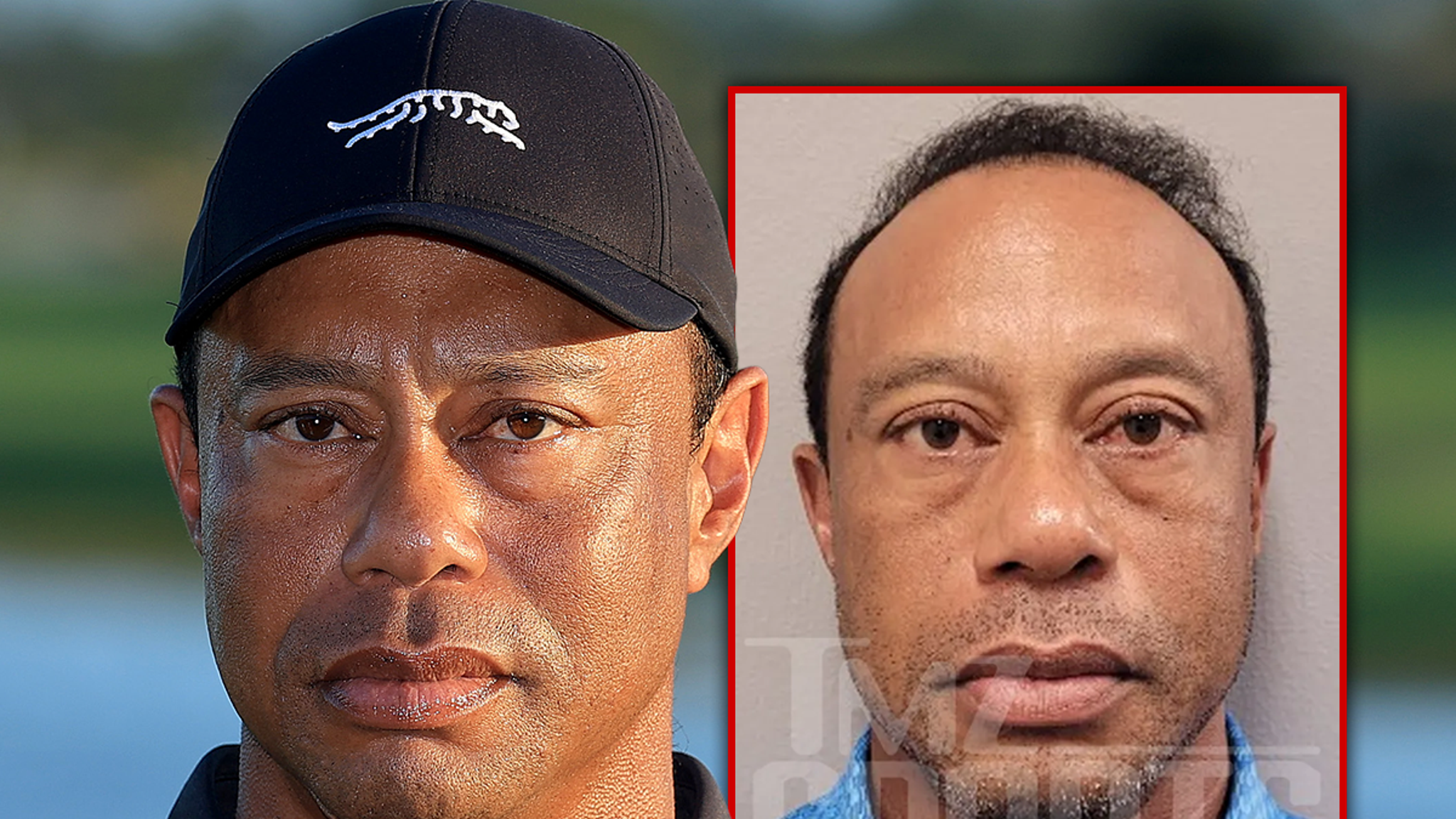
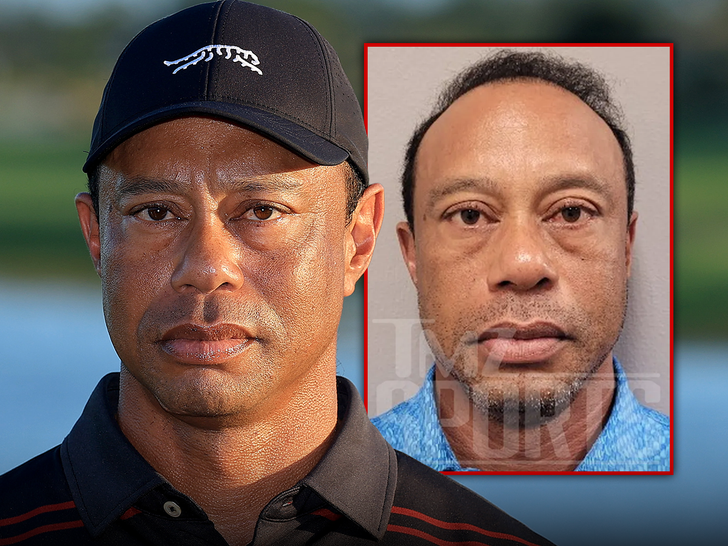
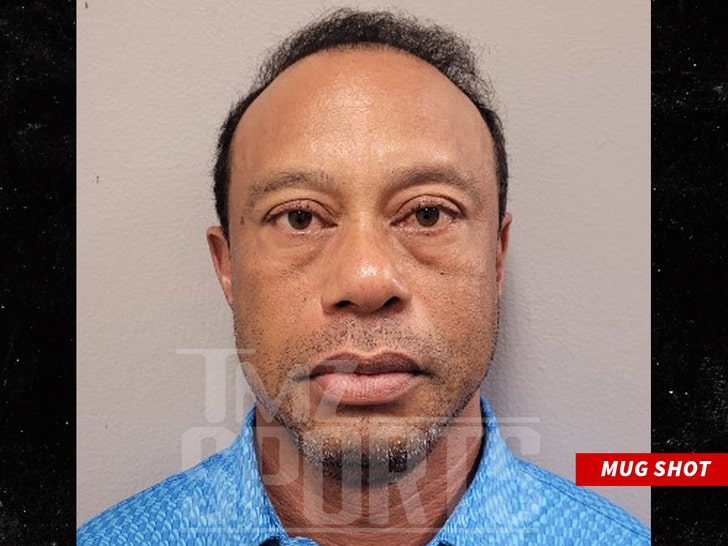
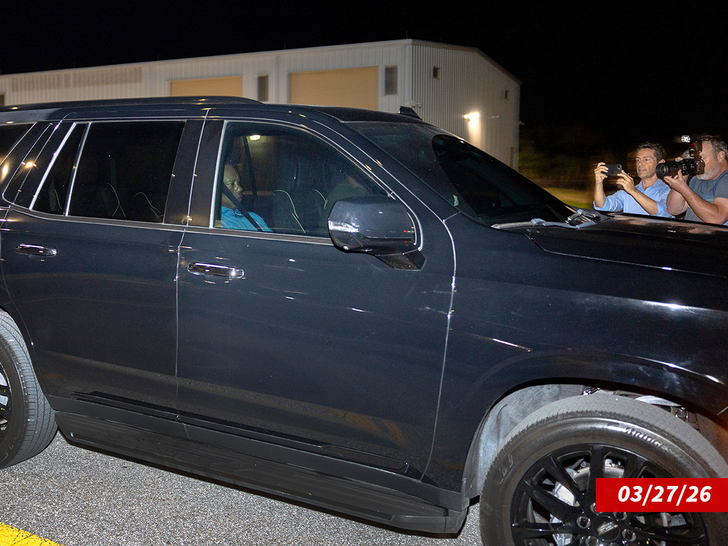
On the morning of Friday, March 27th, 2026, Tiger Woods was arrested on suspicion of driving under the influence by the Martin County Sheriff’s Department in Jupiter, Florida. Authorities reported that Woods was traveling at a high rate of speed on a two-lane road when his Range Rover clipped the back of a pickup truck, subsequently rolling over. The crash site and the subsequent mugshot quickly became viral images, once again placing the legendary golfer under an intense global spotlight for reasons unrelated to his prowess on the green. He was released from custody shortly after his arrest, but the incident immediately sent ripples through the sports world and his personal life. This was not the first time Woods had faced such charges, drawing comparisons to a similar DUI arrest in 2017, which had then prompted a public apology and a period of professional treatment.
An Inner Circle’s Plea for Maturity
According to a source close to Woods, as reported by People magazine, there is a palpable sense of exasperation among his friends regarding his ongoing struggles. "Tiger has yet to look in the mirror and say, ‘You’re 50 years old and need to act like it,’" the source revealed, underscoring a perceived disconnect between Woods’ chronological age and his reported actions. This sentiment suggests that those closest to him believe Woods is failing to acknowledge the natural progression of life and career, particularly for an athlete whose physical prime is long past.
The frustration extends beyond the immediate incident, touching upon the broader context of Woods’ career and personal well-being. The source elaborated that Woods is "enabled by people making money off of his talent and reputation." This enabling environment, it is suggested, prevents him from confronting difficult truths about his health and future. For many athletes who achieve immense wealth and fame at a young age, a cadre of professionals—agents, managers, publicists, and even friends—often surrounds them, sometimes inadvertently shielding them from the full consequences of their actions or the need for personal growth. This dynamic can create a bubble where self-reflection is difficult, and accountability is diffused.
Furthermore, the source pointed to Woods’ physical and mental state, stating, "with his injuries and age, he is frustrated and depressed about his state of health." This candid assessment provides a crucial insight into the psychological toll that years of elite competition and subsequent debilitating injuries have taken on him. Woods has undergone multiple back surgeries, knee operations, and other procedures, transforming him from a seemingly invincible athlete into one constantly battling pain and rehabilitation. His fervent desire to compete in major tournaments like the Masters, despite his physical limitations, is portrayed as a source of deep personal conflict. The friends’ message is clear: "He wants to play in major tournaments like the Masters, but he needs to get real. Once he does that, he should be better off because people do like Tiger. He is a good person." This reflects a belief that a fundamental shift in perspective is necessary for Woods to find peace and move forward positively.
Strained Personal Relationships: Vanessa Trump’s Ultimatum
The repercussions of the DUI extend deeply into Woods’ personal relationships. His girlfriend, Vanessa Trump—known as the ex-wife of Donald Trump Jr.—is reportedly taking a firm stance on his behavior. A source close to the situation conveyed to the Daily Mail that Vanessa is not only "disappointed" but also "a little bit pissed" about the arrest. The severity of her concern is underscored by an apparent ultimatum: "He has to get things under control, or she’s not going to stick around."
This statement highlights the potential for significant personal fallout from this latest incident. For someone in a high-profile relationship, the repeated public scrutiny and legal troubles can strain even the strongest bonds. Vanessa Trump’s reported position suggests a demand for accountability and a clear expectation for Woods to address his issues. The prospect of losing a significant personal relationship could serve as another powerful catalyst for Woods to reassess his choices and lifestyle. Such pressure from a romantic partner often carries a different weight than the advice of friends or professional associates, introducing a more immediate and personal consequence.
A History of Highs and Lows: The Tiger Woods Saga
To understand the current predicament, it is essential to contextualize Tiger Woods’ journey within his illustrious, yet often tumultuous, career. Woods burst onto the professional golf scene in the mid-1990s, quickly establishing himself as a generational talent. His dominance, charisma, and groundbreaking achievements, including his historic 1997 Masters victory and the "Tiger Slam" in 2000-2001, transcended the sport and made him a global icon. He became synonymous with excellence, discipline, and mental fortitude, earning hundreds of millions in endorsements and inspiring a new generation of golfers.
However, his personal life began to unravel dramatically in late 2009. A highly publicized car crash outside his Florida home led to revelations of multiple extramarital affairs, shattering his carefully cultivated image as a devoted family man. The ensuing scandal resulted in his divorce from Elin Nordegren, the loss of numerous high-profile endorsements, and a significant public backlash. Woods took an indefinite break from golf to address his personal issues, marking a profound shift in his public narrative from an untouchable champion to a flawed, struggling individual.
The years following 2009 were characterized by a relentless battle with injuries. From recurring knee problems to a series of debilitating back surgeries, Woods’ physical health became a constant obstacle to his return to competitive form. His powerful, aggressive swing, while revolutionary in his prime, also put immense strain on his body. Each attempted comeback was met with setbacks, leading to prolonged periods of absence from the PGA Tour. This physical torment, coupled with the immense pressure to live up to his own legendary standards, likely contributed to the "frustration and depression" reported by his friends.
The 2017 DUI arrest in Jupiter, Florida, served as another stark reminder of his personal struggles. At the time, Woods was found asleep at the wheel of his car, and toxicology reports revealed a cocktail of prescription drugs in his system. He later pleaded guilty to reckless driving, entered a diversion program, and publicly stated he was seeking professional help to manage pain medication and sleep disorders. This incident marked a low point, but also a period where he seemingly began to address his issues more directly. His subsequent, improbable victory at the 2019 Masters was hailed as one of the greatest comebacks in sports history, a narrative of redemption that captivated the world. This recent DUI arrest, however, threatens to undo much of that progress and reignite old concerns.
Analysis of Implications: Career, Public Image, and Personal Well-being
The latest DUI arrest carries significant implications for Tiger Woods on multiple fronts:
Career Trajectory: At 50 years old, an age when most golfers are either retired or playing in senior tours, Woods’ desire to compete at the highest level is already a remarkable feat. However, incidents like this cast a shadow over his commitment and ability to prepare physically and mentally. While his 2019 Masters win demonstrated his undeniable talent, consistent performance requires rigorous training, discipline, and a stable personal life. Sponsors, who had cautiously returned after his 2019 triumph, may once again reconsider their associations, particularly given the repeated nature of such incidents. His legacy, already complex, risks being further defined by these personal struggles rather than solely by his unparalleled achievements.
Public Image and Perception: Woods has experienced a rollercoaster of public opinion. From the untouchable hero to the disgraced celebrity, and then to the redeemed legend, his narrative has been closely followed. This new DUI arrest, especially in light of the previous one, challenges the redemption arc. While many fans retain a deep affection for him, repeated transgressions can erode public goodwill and patience. The perception of a man unable to "act his age" or "get things under control" could overshadow his attempts at a professional comeback, making it harder for the public to fully embrace him.
Health and Well-being: The underlying issues of frustration, depression, and physical pain, as highlighted by his inner circle, point to a deeper struggle with mental and physical health. Elite athletes, particularly those who face career-ending injuries, often grapple with identity crises, chronic pain management, and the psychological impact of losing their primary purpose. If Woods is indeed self-medicating or struggling to cope with these pressures, professional intervention and consistent support are paramount. This incident serves as a stark reminder that even the most accomplished individuals are susceptible to human vulnerabilities.
Legal and Financial Ramifications: While the immediate legal consequences for a DUI in Florida can vary, they typically involve fines, license suspension, mandatory DUI education programs, and potential probation. Given his previous record, the legal system may take a sterner view. Beyond the direct legal penalties, there are potential financial implications from lost endorsements or opportunities, further adding to the strain.
Official Silence and the Path Forward
As of the current reporting, neither Tiger Woods nor his official team has issued a statement regarding the March 27th, 2026 arrest. This silence is common in high-profile legal matters, often advised by legal counsel to avoid prejudicing a case or making statements that could be used against the individual. However, the absence of an immediate response also leaves a vacuum, allowing speculation and concern from his inner circle and the media to dominate the narrative.
For Woods, the path forward appears to require more than just legal navigation. It demands a profound period of self-reflection and a genuine commitment to addressing the underlying issues that seem to be fueling these recurring personal crises. The clear messages from his friends and girlfriend suggest that the time for superficial fixes has passed. At 50, a critical juncture for self-assessment, the expectation is for a maturity that matches his years, enabling him to find a more stable and fulfilling personal life, whether or not his golf career continues at its legendary heights. The world watches, hoping that this latest setback can finally be the catalyst for the sustained change his loved ones are so desperately seeking.