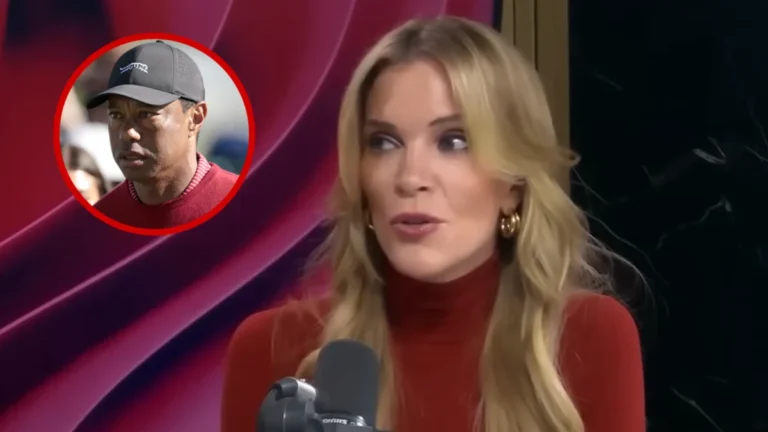




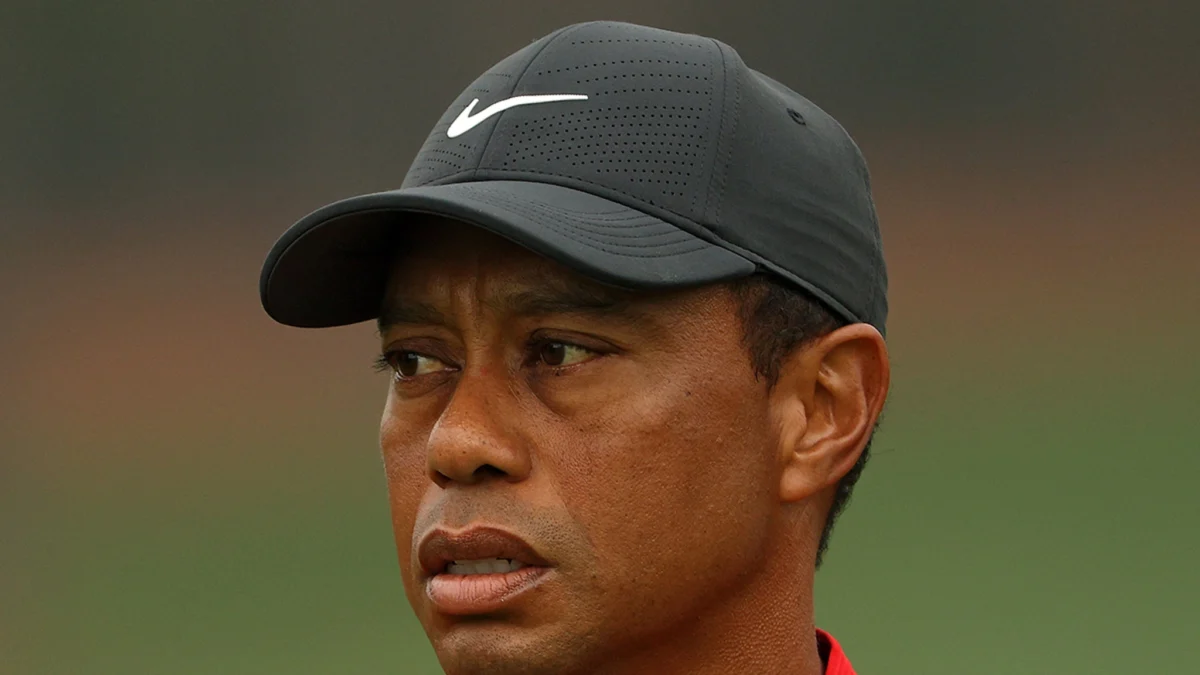
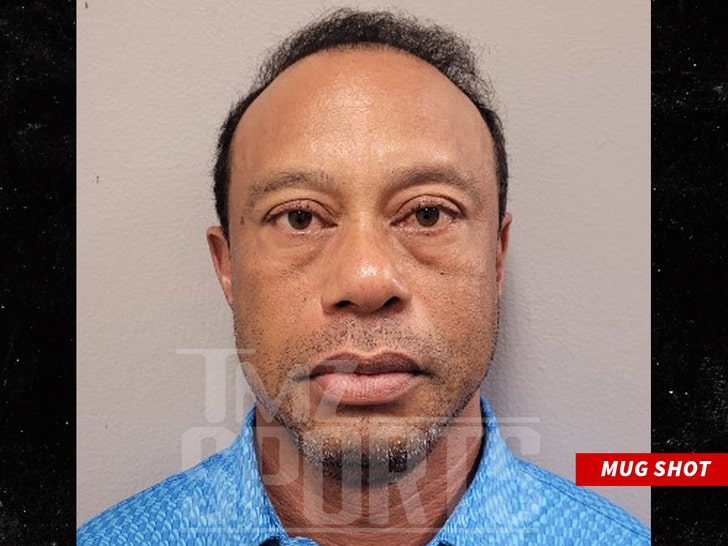
Golf icon Tiger Woods has received judicial approval to travel outside the state of Florida, a significant development in the wake of his recent arrest on charges of driving under the influence (DUI). The decision, handed down by a Florida judge on Wednesday, April 1, 2026, grants Woods a measure of freedom despite the ongoing legal proceedings, allowing him to pursue personal and professional commitments, most notably his announced intention to seek professional treatment. This ruling follows a period of intense public scrutiny after Woods was involved in a rollover crash and subsequently arrested, facing charges of DUI with property damage and refusal to submit to a sobriety test.
The Court’s Decision and Immediate Implications
The motion to permit out-of-state travel was filed on behalf of Woods by his attorney, Douglas Duncan. Woods himself was not present at the hearing, a common practice in such preliminary legal matters. The judge’s assent to the request underscores a degree of confidence in Woods’s adherence to legal protocols and potentially acknowledges the stated purpose behind the travel. While the specific destination or reasons for the travel were not explicitly detailed in the public documents obtained by TMZ Sports, the timing strongly suggests a connection to Woods’s recent public statement regarding his commitment to seeking professional help for his well-being.
The ability to travel unencumbered by geographical restrictions imposed by the court is a crucial aspect for any individual facing legal charges, particularly for a high-profile figure like Woods whose life and career often demand extensive travel. It indicates that the court does not view him as a flight risk or a threat to public safety if allowed to leave the state. For Woods, this permission is not merely logistical; it represents a critical step towards addressing the personal challenges he has publicly acknowledged. The legal system, while maintaining its due process, often makes allowances for individuals to pursue necessary medical or therapeutic interventions, especially when such actions are deemed beneficial for their rehabilitation and can contribute positively to their overall case management.
Tiger Woods’ Statement on Seeking Treatment
Just days before the judge’s ruling, on Tuesday, March 31, 2026, Tiger Woods released a candid statement addressing his current situation. He announced his decision to "step away for a period of time to seek treatment" and to prioritize his health. In his statement, Woods emphasized the necessity of this step, articulating, "This is necessary in order for me to prioritize my well-being and work toward lasting recovery. I’m committed to taking the time needed to return in a healthier, stronger, and more focused place, both personally and professionally. I appreciate your understanding and support, and ask for privacy for my family, loved ones and myself at this time."
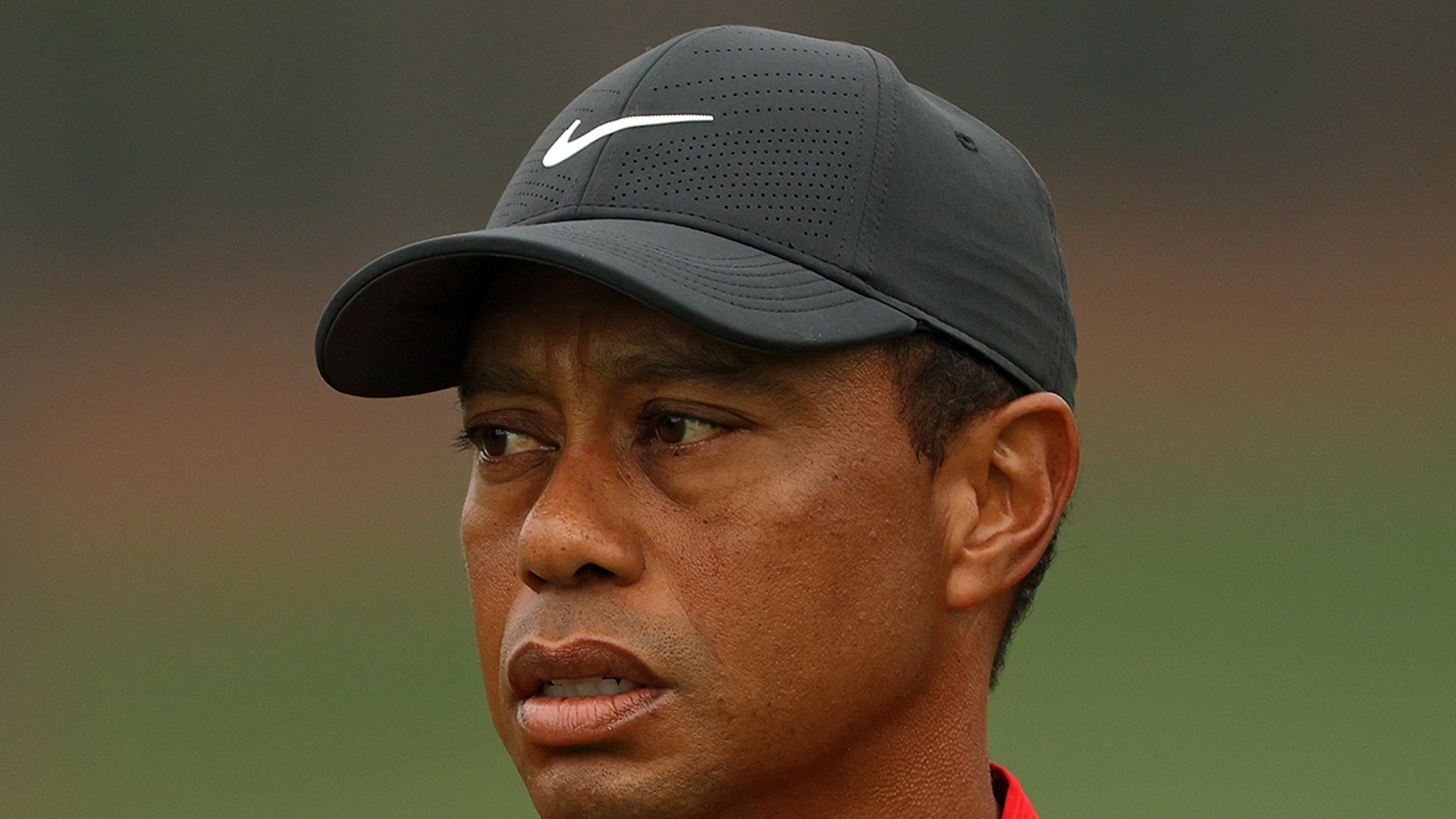
This public declaration marks a significant moment for the golf legend, signaling a proactive approach to his personal struggles. The language used, focusing on "well-being," "lasting recovery," and a "healthier, stronger, and more focused place," suggests a comprehensive commitment to addressing underlying issues that may have contributed to the recent incident. Given his previous experiences with treatment following a 2017 DUI arrest, this current endeavor is likely to involve an intensive, structured program, which often requires an out-of-state facility to ensure privacy and a focused environment away from media scrutiny and daily distractions. The court’s approval of his travel request aligns seamlessly with the plausible requirement of such a treatment program, providing him the necessary mobility to access specialized care.
Chronology of Recent Events: The DUI Arrest and Crash
The sequence of events leading to the judge’s decision began on Friday, March 27, 2026, when Tiger Woods was involved in a single-vehicle rollover crash in Florida. Details emerging from the incident painted a concerning picture. According to official reports, Woods claimed he was distracted by his phone and radio inside his pickup truck when he failed to notice the vehicle in front of him slowing down, leading to the accident.
Upon arrival at the scene, deputies reported observing "severe signs of impairment" in Woods. Their account noted that he appeared sweaty, lethargic, and exhibited bloodshot and glassy eyes. These physical indicators raised immediate concerns about his sobriety and ability to operate a vehicle safely. Furthermore, deputies stated that Woods refused to submit to a sobriety test at the scene, a decision that has led to a separate charge under Florida law. During the subsequent investigation, two loose hydrocodone pills, a powerful opioid pain medication, were reportedly found in his pocket. Hydrocodone is commonly prescribed for severe pain, often associated with post-surgical recovery or chronic conditions.
Following his arrest, Woods was booked and later released. On Tuesday, March 31, 2026, through his attorney, he entered a not guilty plea to the charges of DUI with property damage and refusal to submit to a test. The not guilty plea is a standard legal maneuver that allows an individual to challenge the prosecution’s evidence and proceed to trial, or to negotiate a plea agreement. This legal step underscores the beginning of a potentially protracted legal battle, even as Woods concurrently seeks personal treatment.
Background and Precedent: Woods’ Past Legal Encounters
This recent incident is not Woods’s first public entanglement with DUI charges and subsequent treatment. In May 2017, he was arrested for DUI in Jupiter, Florida, after police found him asleep at the wheel of his car. Toxicology reports from that incident revealed a cocktail of prescription drugs in his system, including Vicodin, Dilaudid, Xanax, Ambien, and THC (though the THC was not linked to marijuana use, but rather an unidentified source). Following that arrest, Woods publicly acknowledged his struggles and entered an out-of-state private treatment program to manage his medications and address issues related to pain management and sleep disorders.
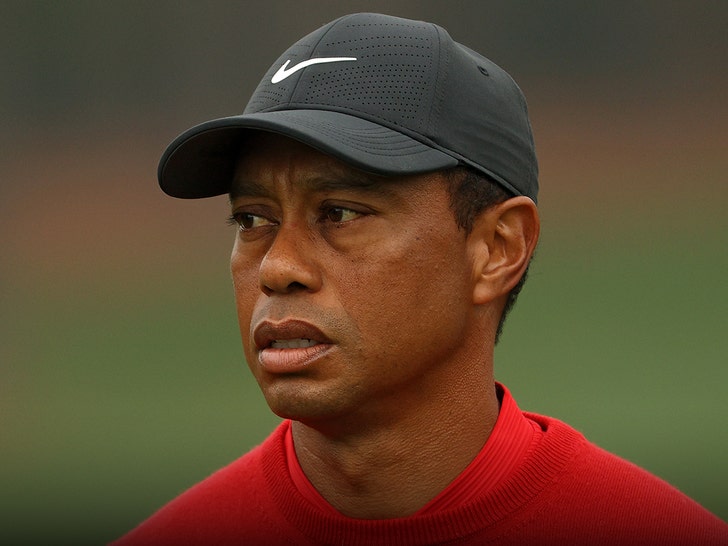
His history of injuries, particularly multiple back surgeries and knee operations, has been a well-documented saga throughout his career. These significant physical traumas have often necessitated strong pain management strategies, including the use of opioid medications. While such medications are legitimate for pain relief, their misuse or improper management can lead to dependency and impairment, as tragically highlighted in his past incidents. The 2017 episode served as a stark reminder of the immense pressures and physical tolls endured by elite athletes, and the challenges they face in managing chronic pain while maintaining peak performance. His decision to seek treatment then, and again now, reflects a pattern of confronting these issues head-on, albeit under unfortunate circumstances. The current travel request, therefore, carries the weight of this precedent, suggesting a similar path towards recovery.
Legal Process and Potential Outcomes
Woods currently faces charges of DUI with property damage and refusal to submit to a test. In Florida, DUI charges can carry severe penalties, including fines, probation, mandatory participation in DUI school, vehicle impoundment, and potential jail time, especially if there are aggravating factors or prior offenses. The "property damage" component could potentially increase the severity of the charge, depending on the extent of the damage caused in the crash. The refusal to submit to a test also carries its own penalties, often resulting in an automatic suspension of driving privileges for a period, regardless of the outcome of the DUI charge itself.
Given Woods’s high public profile, his legal team, led by Douglas Duncan, will likely navigate these charges with meticulous care. The "not guilty" plea signifies an intent to challenge the state’s case. Legal strategies could involve scrutinizing the police procedures during the arrest, the accuracy of the field sobriety tests (if any were performed before refusal), and the interpretation of the "signs of impairment." Furthermore, Woods’s decision to seek treatment could be presented as a mitigating factor during sentencing, should a conviction occur or a plea agreement be reached. Courts often view proactive steps toward rehabilitation favorably.
The legal process for a DUI typically involves several stages: arraignment (where the plea is entered), discovery (where both sides exchange evidence), pre-trial motions, and potentially a trial. Plea bargaining is also common, where the defense and prosecution negotiate a lesser charge or sentence in exchange for a guilty or no-contest plea. For Woods, the interplay between his legal defense and his commitment to treatment will be a crucial aspect of how his case unfolds, aiming to achieve the most favorable outcome while addressing his personal health challenges.
Impact on Woods’ Professional Career and Public Image
The repeated incidents involving DUI and prescription medication have undeniably cast a long shadow over Tiger Woods’s legendary career. While his athletic prowess and numerous major championship victories have cemented his status as one of golf’s all-time greats, these personal setbacks have consistently tested the resilience of his public image. Each new incident reopens wounds and prompts renewed discussions about the pressures he faces, his personal well-being, and his ability to manage life outside the demanding confines of professional golf.
Sponsorships, a significant component of any elite athlete’s financial portfolio, are particularly sensitive to such controversies. While major sponsors like Nike largely stood by him through earlier scandals, repeated incidents test the limits of even the strongest brand loyalty. Companies meticulously manage their public image, and associations with legal troubles, particularly those involving substance use, can be detrimental. The long-term impact on his endorsement portfolio, therefore, remains a concern, though his unparalleled status in golf might offer some buffer.
From a professional golf standpoint, Woods has been on a long and arduous journey to return to competitive form following multiple surgeries. His recent attempts to play have been sporadic, marked by both flashes of brilliance and ongoing struggles with physical recovery. This latest incident, coupled with his decision to step away for treatment, adds another layer of uncertainty to his competitive future. While the golf world universally wishes for his personal recovery, the practical implications for his playing career, including potential further hiatuses and the mental and physical toll of recovery, are considerable. His focus, as stated, is on a "healthier, stronger, and more focused place," which may or may not immediately translate into a return to the rigorous demands of professional golf.
The Broader Context of Addiction and Recovery in Sports
Tiger Woods’s struggles, while highly publicized due to his celebrity, are not isolated incidents in the world of professional sports. Athletes across various disciplines face immense physical and psychological pressures, often leading to chronic pain, mental health challenges, and, in some cases, reliance on substances for relief or performance. The culture of "playing through pain" can sometimes foster an environment where athletes may push their bodies to extreme limits, leading to injuries that require powerful medications. The transition from legitimate pain management to dependency can be insidious, and the public nature of their lives only exacerbates the difficulty of seeking help.
The increased awareness surrounding mental health and addiction in sports, however, is leading to a more supportive environment. High-profile athletes like Woods seeking treatment can help destigmatize these issues, encouraging others, both within and outside the sports world, to address their own struggles. Sports organizations and leagues are increasingly investing in comprehensive wellness programs for athletes, recognizing that their well-being extends beyond physical performance. Woods’s public statements, emphasizing "lasting recovery" and prioritizing "well-being," contribute to this evolving narrative, highlighting that even the most successful individuals are not immune to personal battles and that seeking help is a sign of strength, not weakness.
Conclusion
The Florida judge’s decision to permit Tiger Woods out-of-state travel marks a procedural win for the golf legend, providing him the necessary flexibility to pursue the professional treatment he has publicly committed to. This development is intricately woven into a complex tapestry of recent legal challenges, a public admission of personal struggles, and a history of navigating physical and personal adversities. As Woods embarks on this path toward "lasting recovery," his legal battle against DUI charges simultaneously continues. The coming months will be critical, as he endeavors to address his health, manage his legal obligations, and ultimately, strive to return to a place of personal and professional stability. The world watches, hoping for a positive outcome to both his recovery journey and the resolution of his legal challenges.