



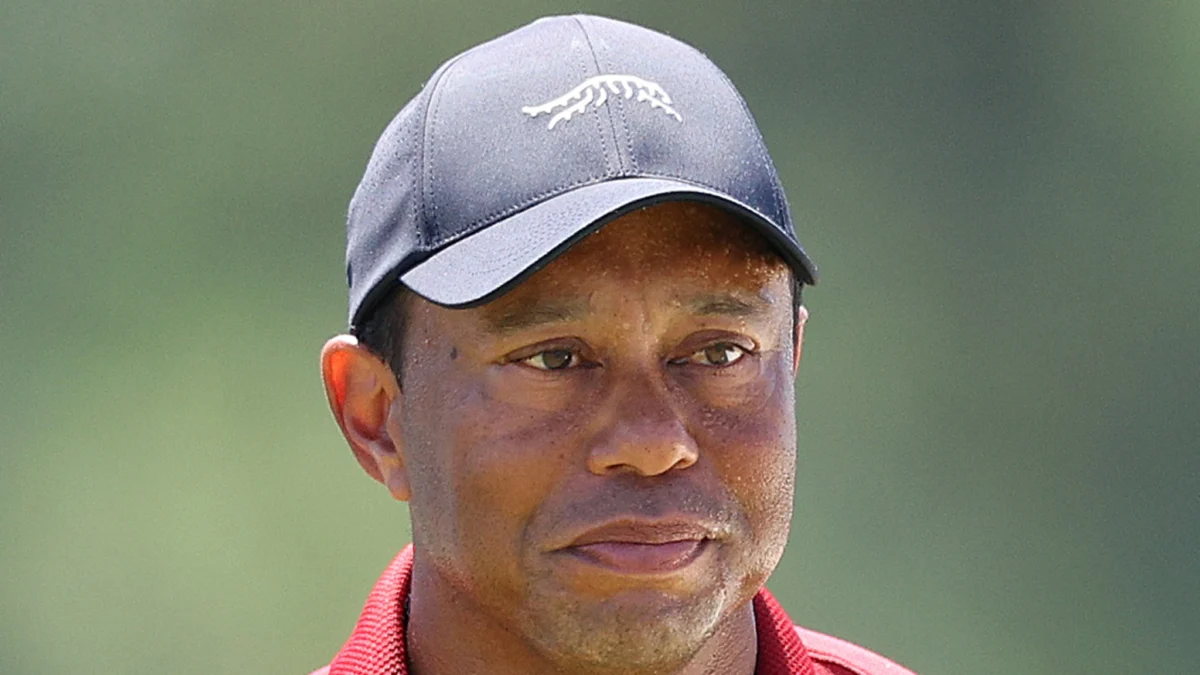
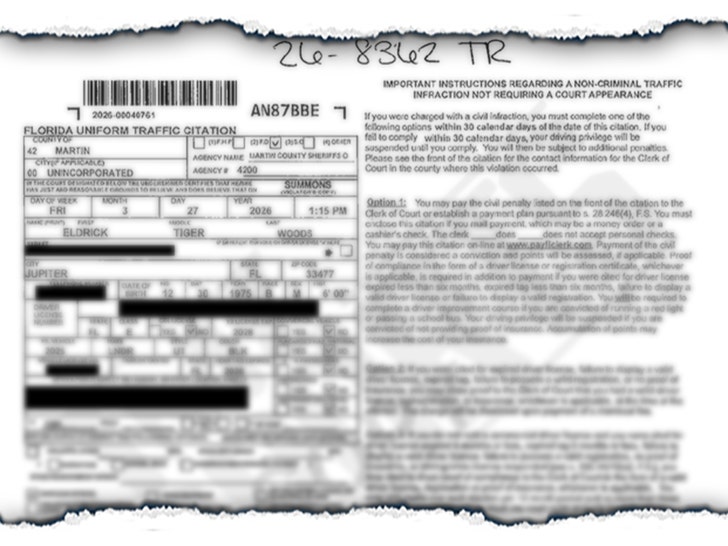
Golf icon Tiger Woods faces an additional legal hurdle following his rollover accident and subsequent arrest, as he has now been issued a citation for careless driving. This new charge, a non-criminal traffic violation, comes alongside the previously reported DUI charges, adding another layer of complexity to the ongoing legal proceedings for the celebrated athlete. The citation, carrying a fine of $163, was formally filed in Martin County on Thursday, April 2, 2026, the same day authorities released compelling body camera footage from the scene of the incident. This development underscores the multifaceted nature of the legal challenges confronting Woods, whose public image and illustrious career have been repeatedly scrutinized following various personal and professional setbacks.
The Incident and Initial Arrest: A Chronology of Events
The series of events began on Friday, March 27, 2026, when Tiger Woods was involved in a significant single-vehicle rollover accident. Emergency services were dispatched to the scene, where they discovered Woods near his extensively damaged Range Rover. Initial reports indicated that the golf legend was conscious but disoriented. The body camera footage, released to the public on Thursday, April 2, 2026, provided a stark visual account of the immediate aftermath. In the footage, Woods is seen kneeling just feet from the wreckage, engaging with law enforcement officers. He offered an explanation for the crash, stating that he "looked down" at his phone, and "all of a sudden — boom." This statement immediately raised concerns about distracted driving, a factor that likely contributed to the subsequent careless driving citation.
Officers at the scene initiated a series of field sobriety tests to assess Woods’ condition. According to police reports, Woods reportedly failed these tests, leading to his placement in handcuffs and formal arrest on suspicion of driving under the influence (DUI). During the interaction, Woods informed officers that he had taken prescription medication earlier in the day. Further investigation at the scene included an officer searching his pockets, where two hydrocodone pills were discovered. The body camera footage also captured Woods in the back of a police cruiser, exhibiting signs of distress, including sweating and hiccuping. These details painted a concerning picture of his state following the accident.
The incident quickly garnered widespread media attention, not only due to Woods’ celebrity status but also because of the serious nature of the charges. Driving under the influence carries significant legal consequences, often involving fines, license suspension, mandatory education programs, and potential jail time, depending on the jurisdiction and the specifics of the offense. The added element of property damage further elevates the severity of the DUI charge, which in Florida, where the incident occurred, can lead to increased penalties.
The Careless Driving Citation: A Deeper Look
The citation for careless driving, filed in Martin County, represents a distinct charge from the DUI. While the DUI alleges impairment, the careless driving charge specifically addresses the manner in which Woods was operating his vehicle at the time of the accident. Careless driving, under Florida Statute 316.1925, is defined as driving any vehicle in a "careless or negligent manner, so as to endanger the life or property of any person, or to cause damage to the property of any person." This definition aligns with Woods’ own admission of looking down at his phone, which strongly suggests a lapse in attention and a failure to maintain due care while driving.
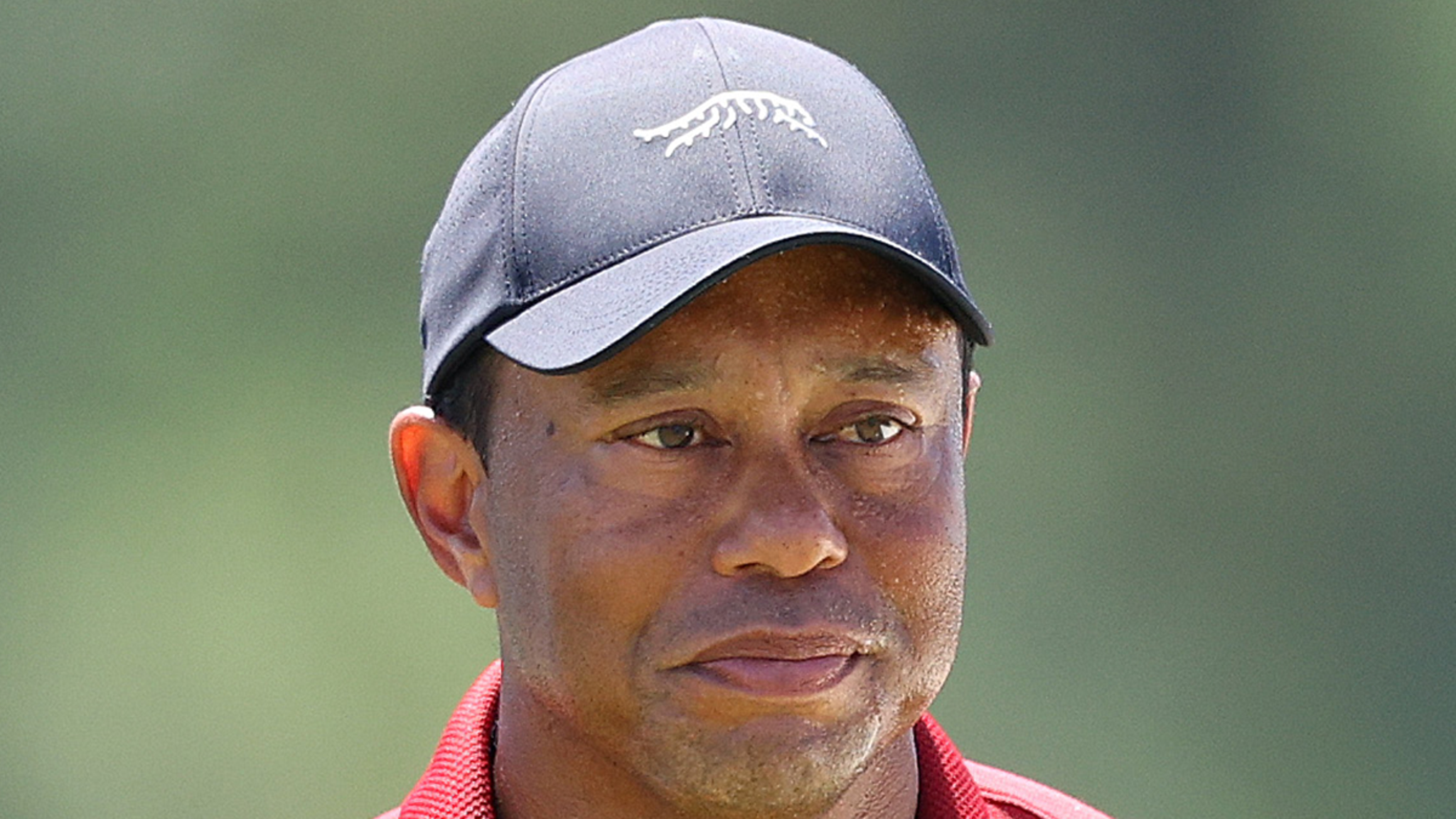
Unlike a DUI, which is typically a criminal offense (misdemeanor for first offenses), careless driving is classified as a non-criminal traffic infraction. This means it is generally handled in traffic court and does not carry the same potential for jail time or a permanent criminal record as a DUI conviction. However, it does result in points being assessed against one’s driver’s license, which can lead to increased insurance premiums and, if accumulated, potential license suspension. The $163 fine associated with this citation is a standard penalty for such an infraction in Florida.
The decision to issue a careless driving citation in addition to the DUI charges indicates that law enforcement believes there were two distinct contributing factors to the accident: impaired driving and negligent operation of the vehicle. It provides an alternative or supplementary basis for legal action, ensuring that all aspects of the driving behavior leading to the crash are addressed under the relevant statutes. For Woods, this means navigating two separate legal processes, albeit with one being less severe than the other.
Legal Ramifications and Ongoing Proceedings
Tiger Woods is currently facing two misdemeanor charges: DUI with property damage and refusal to submit to a urine test. The refusal to submit to a urine test is a significant aspect of the case in Florida. Under Florida’s implied consent law, drivers are deemed to have consented to chemical tests of their breath, blood, or urine if arrested for DUI. A refusal to comply can lead to automatic suspension of driving privileges for a year or more, even if the driver is ultimately acquitted of the DUI charge. This adds a layer of complexity to Woods’ defense and could have immediate practical consequences for his ability to drive.
Woods has formally pleaded not guilty to the charges through his legal representation. This "not guilty" plea is a standard legal maneuver that allows the defense to challenge the prosecution’s evidence and arguments. His next court appearance is scheduled for May 5, 2026, where further legal proceedings are expected to unfold. The legal strategy will likely involve scrutinizing the police procedures during the arrest, the administration of field sobriety tests, the chain of custody for any evidence (like the hydrocodone pills), and the interpretation of the body camera footage. Given the high-profile nature of the defendant, the case is expected to draw considerable media and public scrutiny, and the legal team will be under immense pressure to meticulously dissect every detail.
The combination of charges—DUI, refusal to test, and careless driving—presents a comprehensive legal challenge. While the careless driving citation is less severe, it provides additional evidence of poor judgment and potentially distracted driving, which could indirectly strengthen the prosecution’s overall narrative regarding Woods’ conduct on the day of the accident.
Tiger Woods’ Public Profile and Past Incidents: A Recurring Narrative
This incident is not the first time Tiger Woods has found himself entangled in legal and personal controversies that have drawn intense public scrutiny. His career, marked by unparalleled success on the golf course, has also been punctuated by significant personal setbacks that have profoundly impacted his public image.
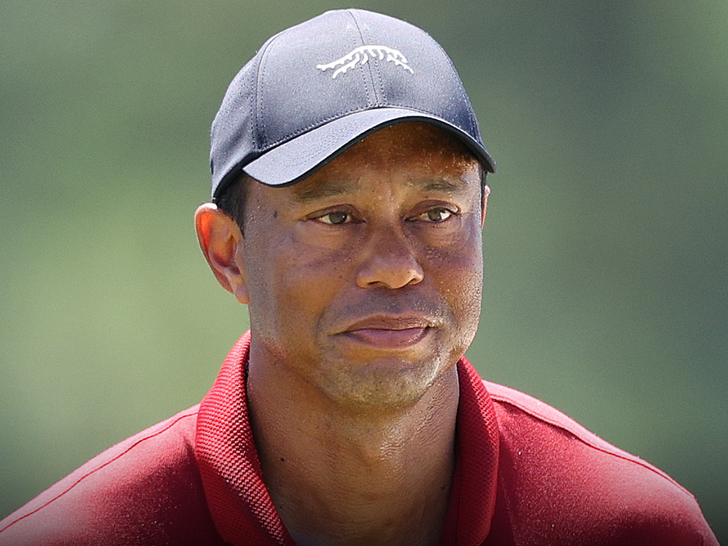
In 2009, Woods became embroiled in a scandal involving multiple extramarital affairs, which led to the breakdown of his marriage, a temporary withdrawal from professional golf, and the loss of several lucrative endorsement deals. This period marked a dramatic shift in his carefully cultivated "clean-cut" persona and exposed the immense pressures and temptations that often accompany global superstardom.
More recently, in May 2017, Woods was arrested for DUI in Jupiter, Florida. That incident also involved prescription medication. He was found asleep at the wheel of his car, and toxicology reports later revealed a cocktail of prescription drugs in his system, including hydrocodone, hydromorphone, alprazolam, zolpidem, and THC. Following that arrest, Woods pleaded guilty to reckless driving, a lesser charge, and entered a diversion program that included probation, a fine, and mandatory DUI school. He publicly apologized and sought professional help for managing pain medication and sleep disorders. This 2017 incident serves as a critical piece of background, suggesting a potential pattern related to prescription drug use and driving. The current 2026 incident, again involving hydrocodone and a DUI charge, will inevitably invite comparisons and raise questions about his ongoing management of these issues.
Woods’ career has also been plagued by numerous injuries, particularly to his back and legs, which have necessitated multiple surgeries and prolonged periods of rehabilitation. Elite athletes often face immense pressure to perform while managing chronic pain, and prescription pain medications are sometimes part of their recovery regimen. While this context does not excuse impaired driving, it offers a glimpse into the physical demands and potential challenges faced by athletes at the pinnacle of their sport. The public and media, while empathetic to physical suffering, also expect responsible behavior, especially from figures who serve as role models.
Broader Implications: Legacy, Endorsements, and Public Trust
The implications of these new charges for Tiger Woods extend far beyond the immediate legal penalties. For an athlete of his stature, every public incident, particularly one involving law enforcement and questions of judgment, carries significant weight regarding his legacy, endorsement portfolio, and public trust.
From a legacy perspective, Woods is widely considered one of the greatest golfers of all time. His achievements—15 major championships, 82 PGA Tour wins—are etched in sports history. However, the recurring personal controversies risk overshadowing his athletic brilliance in the public consciousness. Each incident chips away at the narrative of a flawless competitor, replacing it with a more complex, and at times troubled, human story.
Endorsement deals, a cornerstone of financial success for elite athletes, are particularly vulnerable in such situations. Corporations invest heavily in an athlete’s image and reputation, and incidents that damage that image can lead to the termination or non-renewal of lucrative contracts. While Woods has retained some long-standing sponsors through previous controversies, the cumulative effect of repeated legal issues could test the loyalty of even his most steadfast partners. Sponsors often have "morality clauses" in their contracts, allowing them to distance themselves from athletes whose conduct brings disrepute. The financial impact, therefore, could be substantial.
Furthermore, these incidents erode public trust. Woods commands a massive global following, and many view him as an aspirational figure. When such figures are involved in incidents like DUI and careless driving, it sends a message that can be disappointing and concerning to fans, particularly younger generations who look up to him. Rebuilding public trust is a slow and arduous process, requiring consistent demonstration of accountability and reformed behavior.
Societal Context: The Dangers of Distracted and Impaired Driving
Beyond Tiger Woods’ personal circumstances, this incident serves as a stark reminder of the broader societal dangers of distracted and impaired driving. Distracted driving, particularly due to cell phone use, has become a leading cause of accidents, injuries, and fatalities worldwide. A momentary lapse of attention, as Woods himself described ("looked down at his phone"), can have catastrophic consequences for the driver, passengers, and innocent bystanders.
Impaired driving, whether from alcohol or prescription medications, is equally perilous. Medications that affect judgment, reaction time, or motor skills can render a driver as dangerous as someone under the influence of alcohol. Public awareness campaigns consistently highlight the importance of understanding the side effects of medications and refraining from driving if impaired. Woods’ case, involving both a potential distraction and admitted use of prescription medication, tragically encapsulates multiple high-risk behaviors on the road.
Law enforcement agencies and traffic safety organizations continuously advocate for stricter enforcement and public education to combat these issues. High-profile cases, while unfortunate for the individuals involved, often serve to underscore the importance of these safety messages to a wider audience.
Conclusion: An Uncertain Path Forward
As Tiger Woods prepares for his May 5 court date, the future remains uncertain. He faces a complex legal battle with multiple charges, each carrying its own set of potential penalties and implications. The addition of the careless driving citation, while less severe than the DUI, further solidifies the narrative of negligent behavior leading to the accident.
The coming months will see his legal team working to navigate the charges, potentially seeking a plea agreement or challenging the evidence in court. Simultaneously, Woods will continue to face intense public scrutiny, with every development in the case closely watched by fans, media, and sponsors. This incident marks another challenging chapter in the life of a sports legend, forcing him and the public to confront difficult questions about accountability, personal struggles, and the enduring impact of choices made off the golf course. The legal process will run its course, but the repercussions for Tiger Woods’ legacy and public image are likely to be profound and long-lasting.