

The Irish film industry is once again in the global spotlight with the recent premiere of The Three Urns, a compelling road trip comedy-drama starring the esteemed Irish actor Ciaran Hinds. Unveiled at the prestigious 2026 Dublin Film Festival, the film, co-written and co-directed by John-Paul Davidson and Oscar-winning composer Stephen Warbeck, has garnered attention for its unique narrative, stellar ensemble cast, and a distinctive blend of humor and heartfelt emotion set against the verdant landscapes of Ireland. Scheduled for an Irish theatrical release starting April 17th, 2026, via Break Out Pictures, the film’s international distribution remains a subject of keen anticipation, particularly for audiences in the United States.
The Genesis and Narrative Core of The Three Urns
The Three Urns is the second collaborative feature from the directorial duo of John-Paul Davidson and Stephen Warbeck, following their critically acclaimed 2020 film, The Man in the Hat. Their latest offering delves into the poignant journey of a grieving widower, portrayed with characteristic depth by Ciaran Hinds, who returns to his native Ireland from France to fulfill the solemn duty of spreading his beloved wife’s ashes. What begins as a solitary pilgrimage quickly evolves into an unforeseen odyssey filled with eccentric encounters and unexpected companionship. The narrative premise alone sets a tone of whimsical melancholy, promising a cinematic experience that navigates the complexities of loss with an undercurrent of gentle humor.
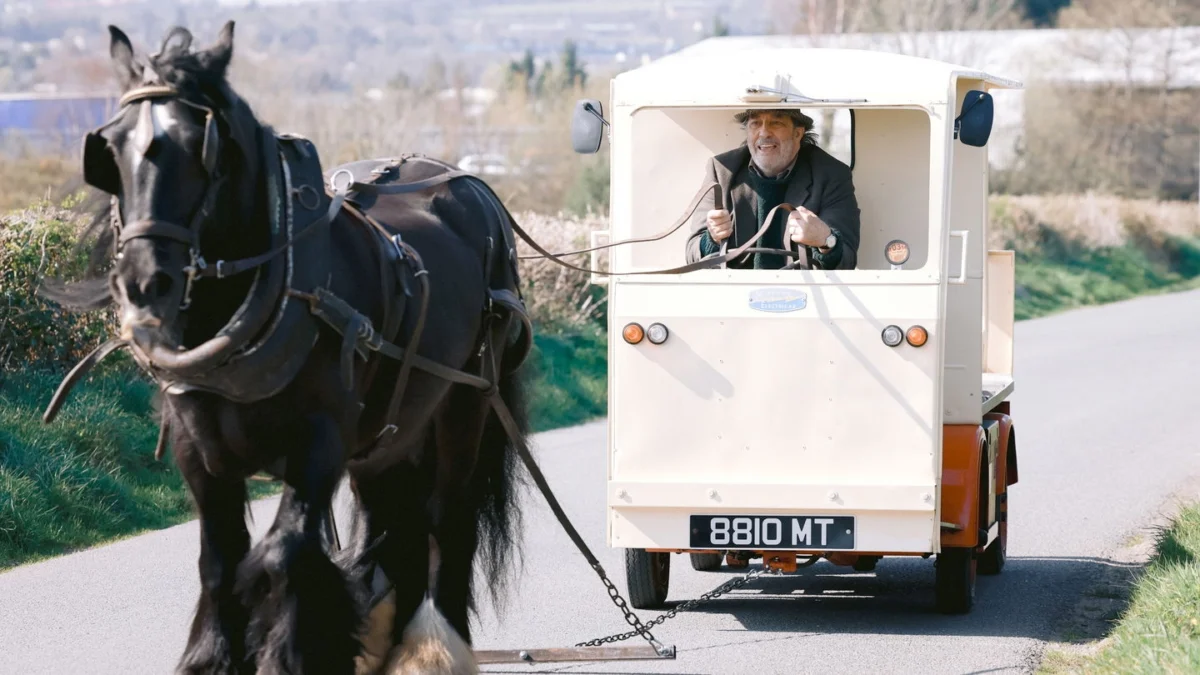
The film’s central conceit, as revealed in the newly released trailer and promotional materials, involves Hinds’ character embarking on this crucial mission in an unconventional mode of transport: a milk float. This choice immediately signals the film’s departure from conventional road trip tropes, injecting an element of charming absurdity. The plot thickens with the introduction of a beautiful French woman, played by Olga Kurylenko, who pursues him in a smart car perpetually plagued by battery issues. This dynamic sets up a series of comedic scenarios and provides the framework for the protagonist to encounter a diverse array of characters, each contributing to the fabric of his transformative journey. Davidson and Warbeck have crafted what is described as a "gentle character piece," where the physical journey across Ireland serves as a metaphor for an internal quest for connection and meaning in the aftermath of profound loss.
A Masterclass in Ensemble Acting: The Cast
The film boasts an impressive and eclectic ensemble cast, a testament to the script’s appeal and the directors’ vision. Leading the charge is Ciaran Hinds, an actor celebrated for his formidable presence and ability to convey immense emotional depth with subtle nuance. Hinds’ career spans decades, marked by roles in critically acclaimed films such as There Will Be Blood, Munich, Tinker Tailor Soldier Spy, and his Oscar-nominated performance in Kenneth Branagh’s Belfast. His portrayal of "The Man" in The Three Urns is expected to leverage his talent for embodying stoicism alongside vulnerability, making him an ideal choice for a character grappling with grief while navigating an unpredictable world. His return to an Irish setting for such a deeply personal story adds an extra layer of authenticity and resonance.

Joining Hinds is Olga Kurylenko, the Ukrainian-French actress known for her roles in blockbusters like Quantum of Solace (as a Bond girl), Oblivion, and The Death of Stalin. Her involvement as the enigmatic French woman in pursuit adds an international flavor and a potential romantic or dramatic foil to Hinds’ character, hinting at themes of new beginnings and unexpected connections. Her presence is crucial to the film’s comedic chase element and will likely provide a contrasting energy to Hinds’ more subdued performance.
The supporting cast is equally distinguished, featuring a host of celebrated British and Irish talent. Stephen Fry, an icon of British comedy and intellect, brings his unique brand of wit and warmth, promising to infuse his scenes with memorable charm. Stephen Dillane, an acclaimed actor known for his intense performances in Game of Thrones and John Adams, is another significant addition, suggesting a range of character types encountered by the protagonist. Sinéad Cusack, a revered Irish actress with a formidable stage and screen career, will undoubtedly bring gravitas and authenticity to her role. Lisa Dwan, an Irish actress and writer known for her compelling theatrical performances, and Ingeborga Dapkunaite, a Lithuanian actress with an extensive international filmography, round out the diverse ensemble, ensuring a rich tapestry of interactions and performances. The collective talent assembled for The Three Urns underscores the project’s artistic ambition and its potential to deliver nuanced character studies within a comedic framework.
The Creative Vision: Davidson and Warbeck’s Collaborative Approach
John-Paul Davidson and Stephen Warbeck’s partnership is a fascinating blend of documentary filmmaking experience and musical genius. Davidson, with a background rooted in documentaries and television dramas (including Boys from Brazil, Gentlemen Don’t Eat Poets, The Sweatbox, and Seve: The Movie), brings a keen eye for observational detail and a naturalistic approach to storytelling. Stephen Warbeck, on the other hand, is an Academy Award-winning composer, recognized for his iconic score for Shakespeare in Love (1998). His transition into co-directing with Davidson, particularly on character-driven narratives, highlights a multifaceted artistic sensibility. Warbeck’s profound understanding of rhythm, mood, and emotional resonance through music undoubtedly informs the pacing and tonal shifts within their films.
Their previous collaboration, The Man in the Hat, also a road trip film set in France, showcased their ability to craft quiet, contemplative journeys punctuated by whimsical encounters. That film, starring Ciarán Hinds in a more silent, observational role, set a precedent for their current endeavor. The Three Urns appears to build upon this established dynamic, further refining their unique directorial voice which blends understated humor with genuine human emotion. Their approach turns a simple journey into a deeper exploration of memory, loss, and the human capacity for renewal, often through the lens of unexpected human connection. The "whimsical Irish road tale" descriptor suggests a conscious effort to imbue the narrative with a sense of charm and enchantment inherent to the Irish landscape and its storytelling traditions.
Thematic Exploration: Grief, Connection, and the Irish Landscape
At its heart, The Three Urns is a story about processing grief. The act of spreading ashes is a universal ritual, symbolizing release and remembrance. By placing this ritual within a road trip narrative, the film allows for a gradual unfolding of the protagonist’s emotional state, mirroring the physical progression of his journey. Each encounter, from wandering priests and horse traders to mystic gatherings and traveling artists, adds a layer to his understanding of his own loss and his place in the world. These interactions are not merely plot devices but serve as catalysts for reflection and growth, illustrating how external connections can aid in internal healing.

The film’s setting in Ireland is not incidental; it is integral to its character and themes. The Irish landscape, with its rugged beauty, ancient traditions, and vibrant culture, provides a rich backdrop for a journey of self-discovery. The "kooky characters" alluded to in the initial description are likely drawn from the rich tapestry of Irish archetypes, contributing to the film’s comedic elements while also grounding it in a specific cultural context. The journey through Ireland itself becomes a character, influencing the mood and atmosphere of the film, and offering visual poetry to accompany the emotional narrative. The film promises a "good romp through Ireland," implying a celebration of the country’s spirit, its people, and its ability to offer solace and unexpected joy even in times of sorrow.
Festival Acclaim and Distribution Outlook
The premiere of The Three Urns at the 2026 Dublin Film Festival marked a significant milestone for the film. The Dublin Film Festival is a key event in the international film calendar, renowned for showcasing both established and emerging Irish talent, as well as significant international cinema. A premiere at such a festival typically generates critical buzz and can be a crucial stepping stone for securing broader distribution deals. While specific critical reactions from the festival are not detailed in the provided information, the very fact of its inclusion and subsequent Irish release date suggests a positive reception within industry circles.
Break Out Pictures, the distributor handling the film’s release in Ireland, is known for championing independent Irish cinema. Their decision to debut The Three Urns in Irish cinemas on April 17th, 2026, indicates confidence in its appeal to a domestic audience. For independent films, securing local distribution is often the first hurdle, paving the way for potential international sales.
However, the current lack of a confirmed US release date highlights a common challenge for independent, non-English language (or English-language films from smaller markets) productions. While films starring internationally recognized actors like Ciaran Hinds and Olga Kurylenko often have an advantage, the independent market is highly competitive. Securing a distribution deal in major markets like the United States typically depends on a combination of festival acclaim, critical reviews, audience reception, and the perceived commercial viability of the film. The unique premise and strong cast of The Three Urns make it a strong contender for eventual acquisition by a North American distributor, potentially for a limited theatrical run followed by VOD or streaming platform release. The phrase "stay tuned" implies ongoing efforts to secure these crucial international deals, reflecting the dynamic and often protracted nature of film distribution.
The Enduring Appeal of the Road Trip Narrative
The road trip genre holds a timeless appeal in cinema, offering a flexible framework for exploring themes of self-discovery, human connection, and the unpredictable nature of life. From classic American road movies like Easy Rider and Thelma & Louise to more international and introspective journeys, these films often resonate because they mirror the journey of life itself—full of detours, unexpected companions, and transformative experiences. The Three Urns positions itself firmly within this tradition, but with a distinctly Irish flavor and a focus on the emotional rather than purely adventurous aspects of travel.

The combination of comedic elements with a serious underlying theme of grief ensures that the film is not merely a lighthearted romp but a meaningful exploration of the human condition. The humor serves as a counterpoint to the sorrow, making the emotional journey more palatable and relatable. This delicate balance is a hallmark of successful character-driven dramas and comedies, promising an experience that is both entertaining and thought-provoking. The film’s emphasis on "a moving search for connection and meaning" suggests that while the protagonist begins his journey isolated by grief, he will ultimately find solace and understanding through the very human connections he makes along the way.
In conclusion, The Three Urns emerges as a promising entry into the canon of Irish cinema, offering a rich tapestry of character, humor, and heartfelt emotion. With the combined talents of directors John-Paul Davidson and Stephen Warbeck, and a formidable cast led by Ciaran Hinds, the film is poised to captivate audiences with its unique take on grief, resilience, and the enduring power of human connection amidst the enchanting backdrop of Ireland. As it embarks on its theatrical run in Ireland, the global film community watches with anticipation for its wider release, hoping to partake in this whimsical and poignant journey.