

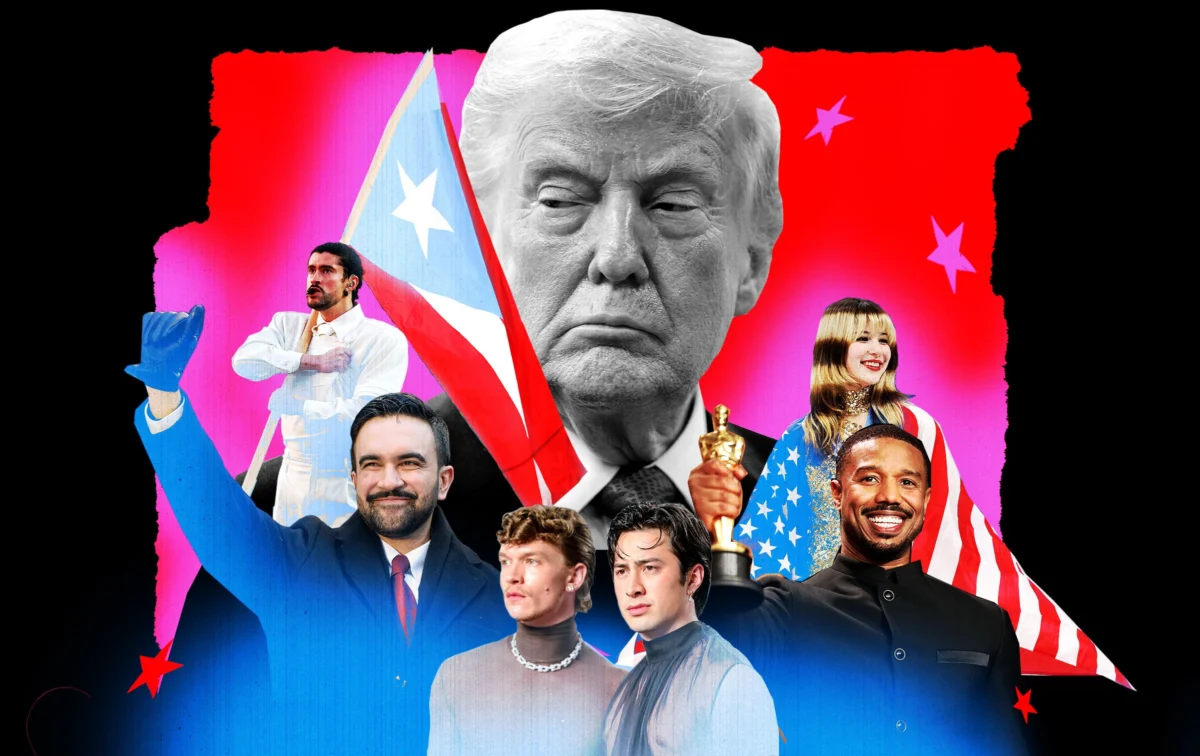
The 2024 presidential election concluded with a decisive victory for Donald Trump, an event framed by his supporters not merely as a political transition but as a definitive cultural mandate to dismantle the ideological framework known as "wokeness." For the MAGA movement, the return of the Trump administration signaled the end of a decade-defined era of social justice activism, diversity mandates, and progressive linguistic norms. However, as the second term begins, a counter-phenomenon tentatively labeled "Woke 2" has emerged, suggesting that the ideological struggle for America’s cultural identity is entering a more aggressive and less performative phase. This shift reflects a deepening polarization where cultural expression and political resistance are becoming increasingly intertwined, even as the federal government moves to institutionalize a reactionary agenda.
The Linguistic Evolution: From Awareness to Pejorative
The term "woke" underwent one of the most rapid and comprehensive semantic shifts in modern American history. Originating in African-American Vernacular English (AAVE), the phrase "stay woke" was historically a call for Black Americans to remain vigilant against systemic racism and social injustice. Its usage dates back to the early 20th century, notably appearing in the works of Lead Belly and later becoming a central tenet of the 2014 Black Lives Matter protests following the shooting of Michael Brown in Ferguson, Missouri.
By the late 2010s, the term was adopted by broader liberal circles to denote a general awareness of systemic inequities regarding race, gender, and sexuality. However, this period of mainstream adoption also invited a fierce backlash. Conservative strategists and cultural commentators successfully weaponized the word, transforming it into a catch-all pejorative for any policy or cultural product they deemed overly progressive or exclusionary of traditional norms. By the 2024 election cycle, the specificity of the term had been largely eroded, replaced by a symbolic utility that allowed the right wing to channel populist frustration against corporate DEI (Diversity, Equity, and Inclusion) initiatives, academic curricula, and representative media.
The 2024 Election as a Cultural Inflection Point
The 2024 election results provided what many on the right viewed as a "death knell" for this era of progressive influence. The victory was interpreted as a permission structure for a return to a pre-2010s social order. This sentiment was echoed by figures in the financial and corporate sectors, who signaled a retreat from the "brand activism" that characterized the previous decade. A Wall Street executive, speaking to the Financial Times, described the post-election atmosphere as a "new dawn" where the fear of "cancel culture" had been replaced by a renewed freedom to utilize language previously deemed offensive.
This shift has been accompanied by a rapid de-escalation of corporate social responsibility programs. Major firms that had previously championed social causes began quietly dismantling their DEI departments and scaling back their involvement in LGBTQ+ advocacy, citing a need to return to "neutrality" and "merit-based" systems.
Chronology of the "Woke" Narrative Shift
The trajectory of the "woke" discourse can be categorized into four distinct phases:
- 2012–2016 (The Emergence): The term transitions from AAVE to a mainstream rallying cry during the Ferguson protests and the rise of the Black Lives Matter movement.
- 2017–2020 (The Institutionalization): Following the 2016 election and the 2020 George Floyd protests, progressive social justice language is adopted by Fortune 500 companies, universities, and government agencies.
- 2021–2024 (The Backlash): Conservative legislatures pass "anti-woke" laws targeting Critical Race Theory and gender-affirming care. The term becomes a central pillar of the GOP’s national platform.
- 2025–Present (The Woke 2 Reaction): After the 2024 election, a more radicalized and less institutional version of progressive activism emerges, moving away from corporate-friendly symbols toward direct community organizing and aggressive cultural critique.
The Emergence of Woke 2: Resistance Through Culture
Despite the executive branch’s efforts to suppress progressive ideology, a new cultural movement is gaining momentum. Proponents and observers refer to this as "Woke 2." Unlike its predecessor, which was often criticized for being "performative"—exemplified by the 2020 image of Democratic lawmakers kneeling in Kente cloth—Woke 2 is characterized by a more confrontational and unapologetic aesthetic.
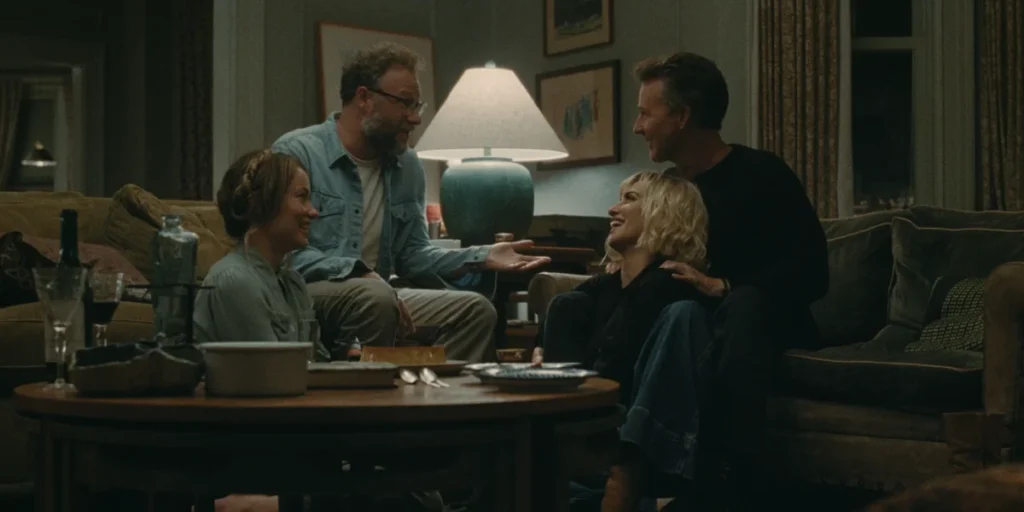
This movement is increasingly visible in mass media and entertainment. For example, the Super Bowl halftime show featuring Bad Bunny, performed almost entirely in Spanish, achieved record-breaking viewership despite significant online backlash from nationalist groups. Similarly, the commercial and critical success of films like Sinners and One Battle After Another, which directly address the history of racial violence in America, suggests that a substantial portion of the domestic market remains hungry for narratives that explore systemic injustice.
Data from the UCLA Hollywood Diversity Report supports this trend. The 2025 study found that films with diverse casts (where people of color comprise 31% to 40% of the lead roles) consistently outperformed more homogeneous productions at the box office. This economic reality creates a tension between the political desire to "end wokeness" and the market reality of a diverse, globalized consumer base.
Shifting Demographics and Political Disillusionment
While the Trump administration maintains a firm grip on the federal apparatus, polling data suggests a complex shift in public sentiment. Recent surveys indicate that key segments of the 2024 coalition—including independents, younger men, and certain sectors of the working class—are beginning to express dissatisfaction with the administration’s focus on cultural grievances over economic stability.
The "No Kings" protests, which drew millions of participants to major cities in the months following the inauguration, highlighted a growing anxiety regarding executive overreach and the erosion of democratic norms. These protests were notable for their lack of traditional party branding, instead focusing on broader themes of anti-authoritarianism and economic equity. This suggests that the "Woke 2" sentiment is not necessarily a resurgence of the Democratic Party establishment, but rather a more decentralized form of grassroots resistance.
The Disconnect Between Culture and Policy
The cultural "wins" celebrated by the left—such as the election of Muslim socialist Zohran Mamdani as Mayor of New York City or the success of LGBTQ-themed media—stand in stark contrast to the material realities of the current administration’s policies. While progressives find solace in media representation, the executive branch has moved forward with an aggressive agenda:
- Immigration: Immigration and Customs Enforcement (ICE) has expanded its operations, conducting high-profile raids in urban centers and increasing surveillance at major airports.
- Foreign Policy: Tensions with Iran have escalated into a direct military conflict, a move that many geopolitical analysts describe as lacking a clear strategic pretext and risking global energy stability.
- Economy: Although the administration has emphasized deregulation, early data suggests that the wealth gap is widening, with the economically disadvantaged facing increased costs for basic goods and housing.
Edward Ongweso Jr., a prominent researcher and critic, argues that the concept of "Woke 2" may be a double-edged sword. While it offers a sense of hope and a framework for cultural resistance, it also risks becoming another form of "coping" that fails to address the underlying power structures. Ongweso emphasizes that meaningful change will require "organizing workplaces and communities in real life" rather than relying on digital memes or representational victories.
A "Meaner" Political Ethos
A defining characteristic of this new era is a shift in the tone of political discourse. Activists like Mohammad Abbasi suggest that the "polite" progressive discourse of the 2010s is being replaced by a more aggressive rhetorical style. This involves directly mocking the "performative masculinity" and perceived insecurities of right-wing figures. This "meaner" version of progressivism abandons the concern that specific insults might offend broader groups, focusing instead on cutting through the "vulgarities" of reactionary politics with equally sharp retorts.
This shift is partly a reaction to the Trump campaign’s own rhetoric of "retribution." As the administration seeks to settle scores with its political enemies, the opposition has increasingly adopted a "revenge fantasy" of its own. On social media platforms, this manifests as visions of a radicalized future where traditional hierarchies are completely inverted and those responsible for current policies are held to account in "Nuremberg-style trials."
Broader Impact and Future Implications
The emergence of "Woke 2" represents a fundamental recalibration of the American culture war. The era of "Woke 1" was defined by institutional adoption and corporate-friendly activism. In contrast, "Woke 2" appears to be more strategic, less reliant on mainstream validation, and more willing to engage in the same type of "scorched-earth" cultural tactics used by the right.
As the Trump administration continues to implement its policy agenda, the cultural sphere remains the primary battleground for the opposition. The success of diverse media, the rise of local progressive leaders, and the evolution of digital resistance suggest that the "death of wokeness" was prematurely declared. Instead, the ideology has mutated, becoming more resilient and perhaps more dangerous to the status quo.
The ultimate efficacy of this movement remains to be seen. Without control of the legislative or judicial branches, the "Woke 2" movement is currently a cultural force without a direct mechanism for federal policy change. However, the history of American politics suggests that cultural shifts often precede political ones. If the current administration’s policies lead to continued economic and social friction, the "thrillingly vivid" promise of a more radical, compassionate, and strategic progressive movement may move from the realm of memes into the reality of the next electoral cycle.