


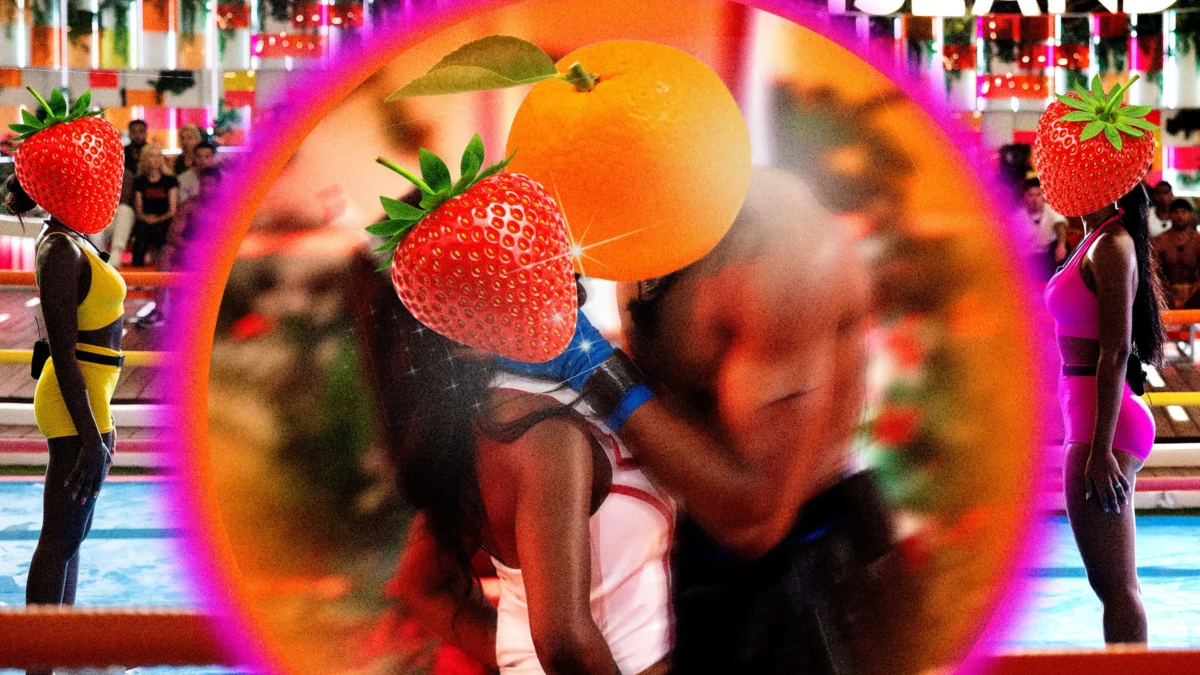
Over the past week, a burgeoning digital subculture has solidified its presence across social media platforms, driven by a series of hyper-realistic, AI-generated videos featuring anthropomorphic fruit characters engaged in high-stakes domestic dramas. Leading the charge is an Instagram account known as FruitvilleGossip, which has garnered over 300,000 views in less than five days for its series, Fruit Paternity Court. The show utilizes advanced artificial intelligence to depict a clementine mother seeking to confirm the parentage of her tangerine infant, with a character named Mr. Mike the mango standing as the prospective father. The narrative concludes with a character named Dr. Lime delivering DNA results that confirm Mr. Mike is not the biological parent. This bizarre yet addictive format has sparked a wave of "brainrot" content that is currently dominating algorithms on TikTok, Instagram, and X (formerly Twitter).
While the premise may appear whimsical, the content has drawn significant scrutiny for its recurring themes of domestic upheaval, public shaming, and violence. Observers and media scholars note that these videos often lean into misogynistic tropes, where female fruit characters are depicted as unfaithful, leading to scenes of verbal abuse, physical altercations, and even the metaphorical "death" of fruit infants. Despite the controversial nature of the narratives, the engagement metrics are staggering. One of the most prominent accounts in this space, Ai Cinema, has amassed more than 3.3 million TikTok followers and over 200 million combined views for its parody series, Fruit Love Island, in a span of just ten days.
The Technological Infrastructure of AI-Generated Dramas
The rapid proliferation of these videos is intrinsically linked to the accessibility of sophisticated text-to-video AI generators. Creators in this space, including the 20-year-old UK-based computer science student behind Fruit Paternity Court, utilize tools such as Google Veo, Kling AI, and OpenAI’s Sora. These platforms allow users to input complex prompts to generate high-fidelity animations that mimic the aesthetic of major studios like Pixar.
A typical prompt used to generate a character for these series involves specific instructions regarding lighting, texture, and personality. For instance, the creator of Fruit Paternity Court shared a prompt for a "sassy" strawberry character: "Anthropomorphic strawberry character with a sassy facial expression, small jeweled crown on her leaf, glossy red skin, thin cartoon arms and legs, hands on hips. Confident pose. Hyper-saturated colors, soft studio lighting, white background. Pixar-meets-brainrot style. Full body shot, 9:16 vertical format."
The use of the term "brainrot" in the prompt reflects a self-aware engagement with a specific internet aesthetic characterized by absurd, low-effort-but-high-engagement content designed to capture short attention spans. The irony of using "Pixar-style" prompts is heightened by the recent dissolution of Disney’s partnership with OpenAI, which was originally intended to integrate Disney characters into the Sora ecosystem. As major studios pull back, independent creators are filling the vacuum by repurposing these high-end animation styles for crude, viral-ready narratives.
Chronology of the AI Fruit Phenomenon
The rise of AI fruit content did not occur in a vacuum; it is the latest iteration in a series of digital trends that prioritize shock value and rapid-fire consumption.

- Early March 2024: The first wave of AI-generated fruit content begins to appear on TikTok. These early videos were largely experimental, focusing on simple animations of fruit talking or dancing.
- Mid-March 2024: Creators begin to implement serialized storytelling. Fruit Love Island debuts, mimicking the format of popular reality television. Within 48 hours, the account gains its first million followers.
- Late March 2024: The trend diversifies into specific sub-genres, including "Paternity Court" and "Crime Dramas." Accounts like FruitvilleGossip emerge, focusing on "scandalous" domestic situations.
- Current Week: The trend reaches a fever pitch. Brands begin to engage with the content in the comments sections, and mainstream media outlets start reporting on the phenomenon. Simultaneously, platforms like TikTok begin issuing takedowns for community guideline violations related to depicted violence and harassment.
This timeline suggests a transition from purely technical demonstrations of AI capability to the creation of a new medium of entertainment: the "microdrama." This format, popularized by apps like ReelShort, involves episodes that are only 60 to 90 seconds long, designed specifically for vertical viewing and social media sharing.
Supporting Data and Audience Demographics
The scale of the AI fruit trend is reflected in its massive engagement data. Fruit Love Island currently holds a following larger than many established cable television networks. The series has produced over 21 episodes, each averaging between 5 million and 15 million views.
Data from social media analytics tools suggest that the audience for this content is diverse but skews heavily toward Gen Z and Gen Alpha. The comments sections are populated by "real" profiles rather than bots, according to media researchers. Jessica Maddox, an associate professor of media studies at the University of Georgia, notes that the engagement appears organic. "I clicked on people’s profiles; these are real profiles, thousands of followers, no signs of inorganic activity," Maddox observed. "People just like it."
The engagement is not limited to passive viewing. Fans have created fan art, memes, and "lore" wikis dedicated to characters like "Choclatina" and "Strawberto." Even celebrities have been swept up in the trend; pop singer Zara Larsson recently posted a TikTok referencing her investment in the characters, though she later deleted the post following backlash regarding the content’s perceived "slop" status.
Ethical Concerns and Platform Responses
The primary criticism of the AI fruit trend centers on the nature of the "drama" depicted. Many videos feature female characters being punished for perceived transgressions, ranging from infidelity to passing gas. In some extreme examples, characters are ground up in blenders or thrown out of windows.
Professor Jessica Maddox argues that this content mimics the violence against women often seen in traditional reality TV but without any of the legal or ethical "guardrails" that govern television production. "Reality TV, for all its faults, at least has a couple of guardrails in place. Here, no one is stopping them. They can be as violent and misogynistic and aggressive as they want," Maddox stated.
The platforms themselves have begun to react. On a recent Tuesday, the creator of Fruit Love Island revealed that nine of their videos had been removed for violating TikTok’s community guidelines. While the specific violations were not named, they likely fall under categories of "harassment and bullying" or "violent and graphic content." The creator claimed they were being "mass reported" by users who found the content offensive or harmful.

Commercial Implications and the Future of Content Creation
The economic potential of AI-generated microdramas is significant. While many of these accounts are too new to be fully monetized through official creator funds, the path to profitability is clear. High view counts can lead to revenue-sharing agreements, brand sponsorships, and the eventual migration of audiences to paywalled apps.
Already, major brands are attempting to capitalize on the trend’s reach. The prebiotic soda brand Olipop and the snack company Slim Jim have been spotted commenting on viral AI fruit videos, signaling that corporate marketing departments view these accounts as viable platforms for brand awareness, despite the controversial content.
For the traditional entertainment industry, the rise of AI fruit dramas poses a unique challenge. Ben L. Cohen, an actor who has worked on human-led vertical microdramas, notes that AI is significantly cheaper and faster to produce than content involving human actors, sets, and crews. "It’s much cheaper and faster to churn out AI fruit episodes than actual productions," Cohen remarked. He also raised concerns about the psychological impact of this content on viewers, describing it as "cartoonish abuse" that still normalizes aggressive behavior.
Broader Impact and Theoretical Analysis
The "Fruit Drama" phenomenon represents a convergence of three major digital trends: the advancement of generative AI, the rise of "brainrot" as a deliberate aesthetic, and the shortening of global attention spans. These videos are designed to be "sticky"—jarring enough to stop a user from scrolling, but short enough to require no significant cognitive investment.
From a media theory perspective, this content functions as a form of "digital slop"—low-quality, high-volume content that fills the gaps in social media feeds. However, the high levels of emotional investment from the audience suggest that even "slop" can foster a sense of community and narrative engagement. As AI tools become even more sophisticated, the line between "brainrot" and legitimate digital storytelling will likely continue to blur.
In conclusion, the AI fruit drama trend is more than a fleeting internet joke; it is a case study in how generative technology can be used to bypass traditional media structures. While it offers a new form of entertainment that resonates with millions, it also raises urgent questions about the types of narratives we are willing to consume and the ethical boundaries of AI-generated violence and shaming. As platforms grapple with regulation and creators continue to push the envelope of absurdity, the fruit of the AI revolution remains both sweet and profoundly bitter.