



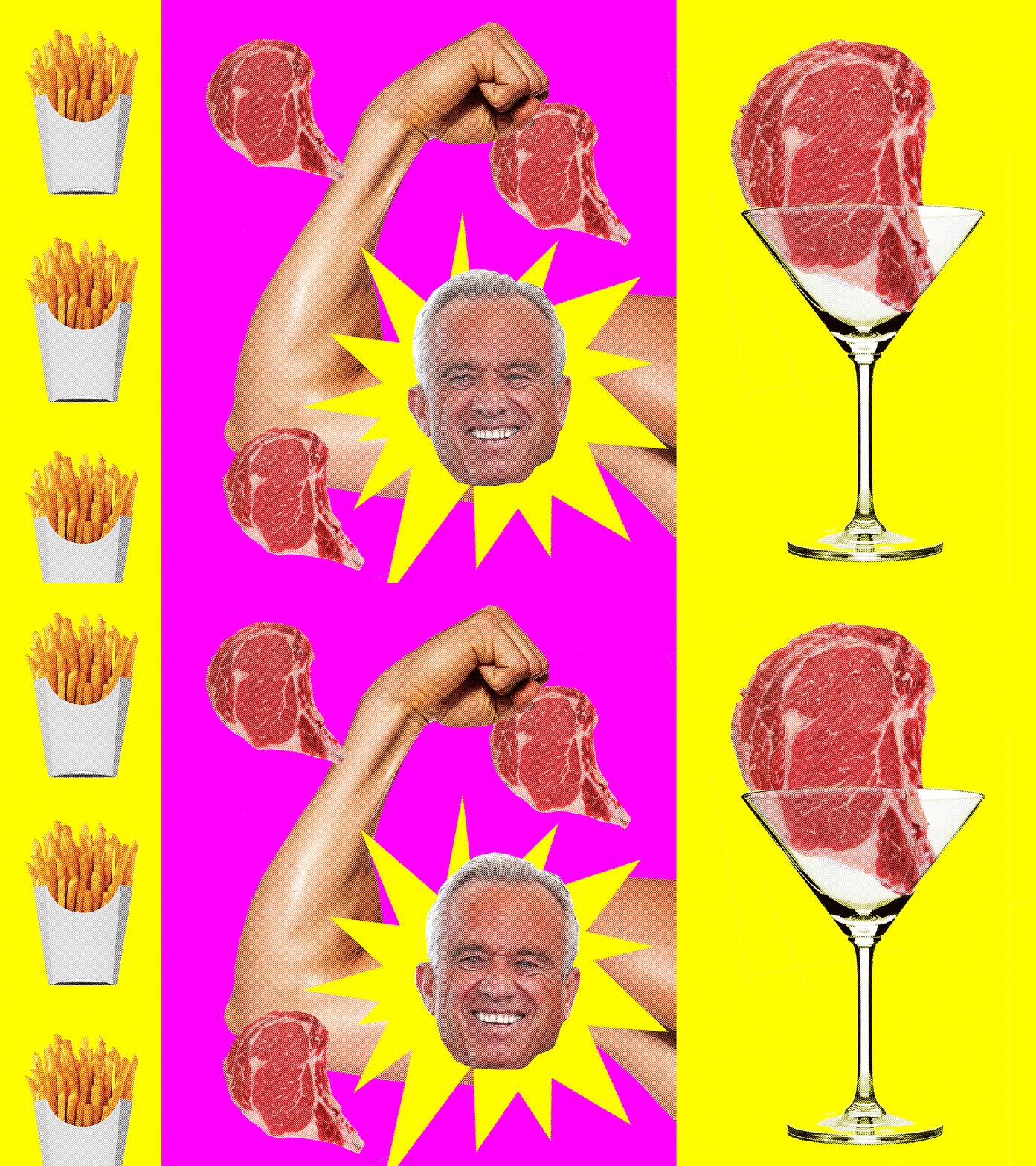
The landscape of American nutrition is undergoing a fundamental transformation as federal health agencies pivot away from decades of carbohydrate-centric guidance toward a model that prioritizes protein consumption. This shift, spearheaded by the U.S. Department of Health and Human Services (HHS) under the leadership of Robert F. Kennedy Jr., has sparked a massive commercial response, leading to a marketplace flooded with high-protein iterations of traditional ultra-processed foods. While the administration frames this "historic reset" as a necessary correction to a "war on protein," the practical application of these guidelines reveals a complex intersection of marketing, public health science, and consumer experience. For many Americans attempting to reconcile these new standards with a modern lifestyle, the result is often a diet defined more by expensive supplements and "protein-washed" junk food than by improved metabolic health.
The Historic Reset: A New Federal Nutrition Mandate
In early 2025, the HHS unveiled a comprehensive overhaul of the federal dietary guidelines, marking the most significant change in nutritional policy since the introduction of the Food Pyramid in the 1990s. The central pillar of this "Make America Healthy Again" (MAHA) agenda is the prioritization of protein, with the department asserting that previous guidance had unfairly "demonized" the macronutrient in favor of carbohydrates. The new recommendations suggest that Americans should aim for a daily intake of 1.2 to 1.6 grams of protein per kilogram of body weight—a significant increase from the long-standing Recommended Dietary Allowance (RDA) of 0.8 grams per kilogram.
To promote this agenda, federal officials have engaged in a high-visibility campaign, linking protein consumption to physical vigor and national resilience. Public appearances at Texas barbecue establishments, dairy farms in Pennsylvania, and high-profile fitness events have sought to put protein "at the center of the American plate." This policy shift is not merely a suggestion for athletes or bodybuilders; it is framed as a universal health requirement for all demographics, intended to combat the rising rates of chronic illness and obesity.
The Commercial Boom: From "Boy Kibble" to Protein-Washed UPFs
The food and beverage industry has responded to the federal shift with unprecedented speed. Market analysts report a surge in "protein-maxxing" products, ranging from protein-infused coffee and sodas to high-protein snacks and fast-food meals. This commercialization has created a new category of "protein-washed" ultra-processed foods (UPFs). These products allow manufacturers to market traditionally unhealthy items—such as sugary cereals, pastries, and fried snacks—as health-conscious choices by simply adding whey, soy, or pea protein isolates.
One notable example is the rise of niche "masculinity-branded" foods, such as "Man Cereal," which retails for approximately $20 per box and features additives like creatine and maple bacon flavoring. Despite the high price point and "sigma" branding, these products often offer only marginal increases in protein compared to traditional, less expensive options. Similarly, major fast-food chains like Chipotle and Subway have introduced "protein cups" and "protein pockets," which remove bread or vegetables in favor of concentrated servings of processed meats. This trend has been colloquially dubbed "boy kibble" by some social media circles, reflecting a utilitarian, almost industrial approach to human nutrition.
A Week of Protein-Maxxing: A Case Study in Physical Impact
To understand the practical implications of the HHS guidelines, a case study was conducted following a typical consumer attempting to meet the 138-gram daily protein threshold (based on the weight of an average adult male) using readily available commercial products. The experiment revealed a significant gap between the theoretical benefits of high protein and the physical reality of a diet dominated by protein-enriched processed goods.
The Morning Routine: High Cost, Low Return
The experiment began with breakfast items marketed specifically for their protein content. Products like "Protein Boostin’ Brown Sugar Cinnamon Pop-Tarts" and "Kodiak Cakes French Toast Sticks" were tested. Analysis showed that these items provided roughly 10 grams of protein per serving—actually less than a standard bowl of wheat cereal with milk, which provides approximately 13 grams. The high cost of these "functional" foods (often 50% to 100% higher than standard versions) suggests that consumers may be paying a premium for marketing rather than actual nutritional density.
Liquid Protein: The Rise of Functional Beverages
Supplementing protein through beverages has become a cornerstone of the new diet culture. The study included Starbucks’ vanilla protein latte (27g), Dunkin’s fruit-flavored protein refreshers (15g), and specialized "clear protein" sodas. While these products facilitate reaching the daily gram target, they often contain artificial sweeteners, thickeners, and chalky textures that lead to gastrointestinal discomfort. The use of whey protein in water-based drinks, such as Isopure, resulted in a "milky aftertaste" and a physical sensation of heaviness that many consumers find unappealing.
Fast Food and "Boy Kibble"
Lunches consisted of high-protein specials from national chains. Chipotle’s "protein cup"—a serving of adobo chicken without rice, beans, or vegetables—provided 32 grams of protein but lacked the fiber and micronutrients necessary for a balanced meal. Subway’s "Italian Trio" protein pocket (23g) offered a similar experience, replacing the sandwich structure with a simple meat wrap. Participants in the study reported feeling "sluggish" and "unwell" by the middle of the week, suggesting that high protein intake in the absence of complex carbohydrates and fiber may negatively impact energy levels and digestion.
Scientific Perspectives and Potential Health Risks
The scientific community remains divided on the long-term implications of the "protein-maxxing" trend. David Seres, a clinical ethicist and retired professor of medicine at Columbia University Medical Center, has voiced significant concerns regarding the federal government’s new stance. According to Seres, most Americans already consume adequate protein through a standard diet, and the "war on protein" narrative lacks a basis in historical nutritional policy.
"There’s a lot of pushback from the scientific community for things that are not adequately proven and may have potential harm," Seres noted. He warned that the unprecedented federal endorsement of high-protein, low-carb diets—previously considered fad diets—could lead to unintended health consequences. Potential risks include:
- Renal Stress: Excessive protein intake can place a significant burden on the kidneys, particularly in individuals with undiagnosed underlying conditions.
- Dehydration: The metabolic process of breaking down protein requires more water than carbohydrates or fats, increasing the risk of chronic dehydration.
- Nutritional Deficiencies: By "prioritizing protein" at the expense of other food groups, consumers may inadvertently reduce their intake of essential fiber, vitamins, and minerals found in fruits, vegetables, and whole grains.
- The UPF Trap: The reliance on protein-enriched processed foods means consumers are still ingesting high levels of sodium, preservatives, and artificial additives, which the MAHA agenda originally sought to eliminate.
Socioeconomic Implications and Food Deserts
The shift toward a high-protein mandate also raises questions about food equity. High-quality protein sources, such as fresh salmon, grass-fed beef, and organic poultry, are significantly more expensive than carbohydrate-based staples. For Americans living in "food deserts" or those facing economic hardship, meeting the new HHS guidelines often means relying on the very ultra-processed "protein-washed" foods that experts warn against.
The cost of the experimental diet described above—including $20 cereal and $5 "protein cups"—is prohibitive for a large segment of the population. Critics argue that without addressing the affordability of whole foods, the new federal guidelines may exacerbate the health divide between socioeconomic classes, leaving lower-income individuals to choose between insufficient protein intake or a diet of "boy kibble" and processed supplements.
Broader Impact: Culture, Marketing, and the Future of the American Plate
The cultural impact of the protein-maxxing movement extends beyond the grocery store. It has become intertwined with a specific brand of modern masculinity and "wellness influencer" culture. The marketing of products as "sigma" or "manly" suggests that nutrition is being used as a tool for identity signaling rather than just biological sustenance.
Furthermore, the focus on beef tallow and "anti-seed-oil" sentiment often accompanies the high-protein narrative. While some proponents argue that animal fats are superior to vegetable oils, the clinical evidence remains a subject of intense debate. The result is a consumer base that is increasingly skeptical of traditional nutritional science and more susceptible to "health-washing" by brands that align with their political or cultural worldviews.
Conclusion: The Need for Nuance in Nutritional Policy
While the HHS’s "historic reset" aims to address the chronic health crisis in the United States, the first wave of its implementation suggests that protein is not a panacea. The case study of a high-protein week resulted in physical malaise, gastrointestinal distress, and a reliance on expensive, highly processed products. As Dr. Seres pointed out, "It’s still not necessarily healthy just because it’s had protein added to it."
The challenge for the current administration and the public health community will be to move beyond the "war on protein" rhetoric and provide a more nuanced framework. A truly healthy American plate likely requires a balance of high-quality proteins, fiber-rich vegetables, and complex carbohydrates, rather than a singular focus on a macronutrient that has been co-opted by the ultra-processed food industry. Until then, the "protein paradox" will continue: a nation obsessed with muscle-building nutrients that feels increasingly unwell.