



The cinematic landscape is already abuzz with the early arrivals of potential Best Picture contenders, signaling a year that could redefine the Academy’s embrace of large-scale, ambitious filmmaking. With "Project Hail Mary" captivating audiences in theaters and the critical acclaim for "Michael" continuing to grow, the industry is witnessing a strong opening salvo of films that blend commercial appeal with artistic merit. This summer’s slate is particularly noteworthy, featuring two highly anticipated auteur blockbusters: Christopher Nolan’s "The Odyssey" and Steven Spielberg’s return to science fiction with "Disclosure Day." As the year progresses, the fall promises to unveil further contenders such as "Digger," "Narnia," and the concluding chapter of Denis Villeneuve’s acclaimed "Dune" saga, "Dune: Part Three." This collection of seven potential blockbusters, each boasting significant budgets and directorial pedigree, is prompting a re-examination of historical Oscar trends and the evolving definition of a Best Picture nominee.
The expansion of the Best Picture category to a minimum of five nominees and a maximum of ten in 2009 marked a pivotal shift in Academy voting. This change was intended to broaden the scope of nominated films, acknowledging a wider range of cinematic achievements and potentially allowing for more commercially successful films to receive consideration alongside smaller, independent features. Historically, the inclusion of blockbusters in the Best Picture race has been a fluctuating phenomenon. Prior to the expansion, films like "The Lord of the Rings: The Return of the King" (2003) achieved significant Oscar success, including a Best Picture win, demonstrating that large-scale productions could indeed be recognized. However, the years immediately following the expansion saw a more consistent, albeit limited, inclusion of blockbuster fare.
Blockbuster Inroads into Best Picture: A Historical Overview
A look at the Best Picture nominees since the category’s expansion reveals a dynamic relationship between commercial success and critical acclaim:
- 2009: The inaugural year of the expanded field saw two significant blockbusters nominated: James Cameron’s $237 million "Avatar" and the animated hit "Up," with a $175 million budget. "Avatar’s" groundbreaking visual effects and immersive world-building cemented its place, while "Up" demonstrated the Academy’s willingness to recognize ambitious animated storytelling. Other nominees that year included critically lauded films like "The Hurt Locker," which ultimately won Best Picture, and "Inglourious Basterds."
- 2010: This year featured two more prominent blockbusters: Christopher Nolan’s "Inception" ($160 million budget) and Pixar’s "Toy Story 3" ($200 million budget). "Inception" garnered praise for its innovative narrative and visual spectacle, while "Toy Story 3" was lauded for its emotional depth and masterful animation. The Best Picture winner was "The King’s Speech."
- 2011: The trend saw a slight dip with only one clear blockbuster nominated: Martin Scorsese’s "Hugo" ($150-$170 million budget). While "Hugo" was a technical marvel and a passion project for Scorsese, it did not achieve the same box office success as its blockbuster predecessors. "The Artist" ultimately took home the Best Picture award.
- 2012: Two blockbusters made the cut: Quentin Tarantino’s $100 million "Django Unchained" and Ang Lee’s visually stunning "Life of Pi" ($120 million budget). Both films were celebrated for their artistic vision and technical achievements, with "Life of Pi" eventually winning Best Director for Ang Lee. "Argo" secured the Best Picture Oscar.
- 2013: The year saw two major blockbuster contenders: Alfonso Cuarón’s groundbreaking $80-$130 million "Gravity" and Martin Scorsese’s $100 million "The Wolf of Wall Street." "Gravity" was a critical and commercial triumph, lauded for its technical innovation and intense narrative, while "The Wolf of Wall Street" was recognized for its audacious storytelling and performances. "12 Years a Slave" was the eventual Best Picture winner.
- 2014: This year stands out as an anomaly, with no films clearly fitting the "blockbuster" definition (typically a production budget exceeding $100 million) nominated for Best Picture. The nominated films, such as "Birdman," "Boyhood," and "The Grand Budapest Hotel," leaned heavily towards independent and art-house cinema. "Birdman" ultimately won Best Picture.
- 2015: A strong resurgence of blockbusters occurred with three nominated films: George Miller’s visually spectacular "Mad Max: Fury Road" ($154.6-$185.1 million budget), Ridley Scott’s "The Martian" ($108 million budget), and Alejandro G. Iñárritu’s "The Revenant" ($135 million budget). "Mad Max: Fury Road" was hailed as a masterclass in action filmmaking, "The Martian" was praised for its blend of scientific accuracy and humor, and "The Revenant" captivated audiences with its brutal realism. "Spotlight" took home the Best Picture award.
- 2016: Similar to 2014, this year saw no major blockbusters nominated for Best Picture. Films like "Arrival," "La La Land," and "Moonlight" dominated the conversation, with "Moonlight" eventually winning Best Picture.
- 2017: Christopher Nolan’s war epic "Dunkirk" ($100 million budget) was the sole blockbuster nominated. The film was lauded for its innovative non-linear storytelling and immersive sound design. "The Shape of Water" ultimately won Best Picture.
- 2018: Ryan Coogler’s groundbreaking "Black Panther" ($200 million budget) shattered expectations, becoming the first superhero film to be nominated for Best Picture. Its cultural impact and critical success were undeniable. "Green Book" was the eventual Best Picture winner.
- 2019: Two major blockbusters secured nominations: James Mangold’s "Ford v Ferrari" ($130 million budget) and Martin Scorsese’s ambitious "The Irishman" ($159-$250 million budget). "The Irishman," despite its massive budget, was critically acclaimed for its mature storytelling and stellar performances. "Parasite" made history as the first non-English language film to win Best Picture.
- 2020/2021 (Pandemic-Affected Year): This period, marked by widespread cinema closures and a shift to streaming, saw no blockbuster films nominated for Best Picture. The nominated slate, including "Nomadland" (the eventual winner), "The Father," and "Judas and the Black Messiah," reflected a more intimate and character-driven selection.
- 2021: Two blockbusters returned to the Best Picture race: Denis Villeneuve’s visually stunning "Dune" ($165 million budget) and Steven Spielberg’s ambitious "West Side Story" ($100 million budget). "Dune" was praised for its epic scale and visual artistry, while "West Side Story" was lauded for its vibrant direction and musicality. "CODA" was the surprise Best Picture winner.
- 2022: This year saw a strong showing with two major blockbusters: James Cameron’s "Avatar: The Way of Water" ($350-$460 million budget) and Joseph Kosinski’s "Top Gun: Maverick" ($170-$177 million budget). Both films were immense commercial successes and garnered significant critical praise. "Everything Everywhere All at Once" ultimately took home the Best Picture Oscar.
- 2023: The most recent awards season saw three significant blockbusters nominated: Greta Gerwig’s cultural phenomenon "Barbie" ($128-$145 million budget), Martin Scorsese’s historical epic "Killers of the Flower Moon" ($200-$215 million budget), and Christopher Nolan’s critical and commercial juggernaut "Oppenheimer" ($100 million budget). "Oppenheimer" went on to win Best Picture, marking a significant moment for a large-scale, R-rated biopic.
Across these 15 years and 156 nominated films, approximately 19% have been considered blockbusters based on their production budgets exceeding $100 million. On average, about 1.7 blockbuster films per year have been nominated for Best Picture. This data underscores the Academy’s evolving, yet often selective, embrace of high-budget cinema.
A Stacked Field for the Upcoming Awards Season
The current outlook for the upcoming awards season suggests a potentially unprecedented convergence of blockbuster filmmaking and Oscar consideration. Seven films are already generating significant buzz:
- "Project Hail Mary": Based on Andy Weir’s best-selling novel, this sci-fi adventure, directed by Dan Trachtenberg, has already made a significant impact since its release. Its blend of scientific ingenuity, compelling character development, and emotional resonance has resonated with both critics and audiences, positioning it as an early frontrunner.
- "The Odyssey": Christopher Nolan’s ambitious undertaking promises a visually spectacular and thematically rich exploration of epic proportions. Nolan’s consistent track record of critical acclaim and audience adoration, particularly following the success of "Oppenheimer," makes this a near-certain contender. The film’s sheer scale and intellectual ambition are hallmarks of his directorial style, often appealing to Academy voters.
- "Disclosure Day": Steven Spielberg’s foray back into science fiction after a hiatus of over forty years carries immense weight. Spielberg is a revered figure within the Academy, and his ability to blend blockbuster spectacle with heartfelt storytelling is well-established. While often categorized as "blockbuster Steve," his films also possess a capacity for prestige, as seen in past works. The involvement of legendary composer John Williams further bolsters its potential for awards recognition, particularly in the Original Score category.
- "Digger": Directed by Alejandro G. Iñárritu, a two-time Best Director Oscar winner, this project is shrouded in anticipation. While Iñárritu’s last film, "Bardo, False Chronicle of a Handful of Truths," did not connect with audiences or critics as widely as his previous works, the director’s artistic vision and the potential for a deeply personal and visually striking narrative cannot be underestimated. The film’s potential to tap into a similar vein of original storytelling that resonated with "Sinners" and "One Battle After Another" in previous years is a notable factor.
- "Narnia": Greta Gerwig’s adaptation of C.S. Lewis’s beloved fantasy series for Netflix is generating considerable excitement. Gerwig’s proven ability to imbue her projects with a unique voice and emotional depth, as demonstrated by "Lady Bird" and "Little Women," suggests that this "Narnia" adaptation could transcend typical fantasy fare. The comparison to the recent Netflix blockbuster "Frankenstein" highlights the streamer’s ambition to secure major awards contenders. The success of this film will likely hinge on Gerwig’s distinctive directorial stamp and how effectively it distinguishes itself from previous iterations.
- "Dune: Part Three": As the concluding chapter of Denis Villeneuve’s ambitious adaptation of Frank Herbert’s seminal novel, "Dune: Part Three" carries the weight of expectation. The first two installments have already earned critical acclaim and multiple Oscar nominations, solidifying the franchise’s prestige. While sequels can sometimes face diminishing returns in awards circles, the narrative arc of "Dune" and its positioning as a grand finale suggest a strong potential for Best Picture recognition, aiming to emulate the success of "The Lord of the Rings: The Return of the King."
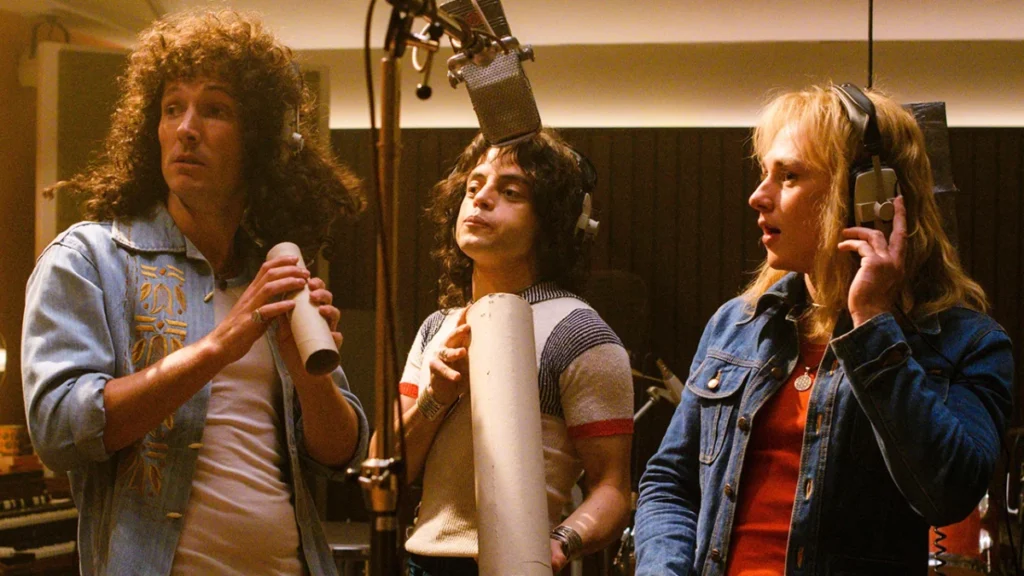
- "Michael": Directed by Antoine Fuqua and focusing on the life of Michael Jackson, this musical biopic possesses a unique set of potential outcomes. The immense global fame of its subject guarantees significant audience interest. While critical reception remains to be seen, the film’s success could mirror that of "Bohemian Rhapsody," drawing in a broad audience and sparking awards season conversations, even if its critical standing is more divisive. The potential for this film to attract audiences beyond the typical cinephile demographic is a significant factor.
Analyzing the Trends: The Evolving Blockbuster-Oscar Dynamic
The historical data reveals a clear trend: the Academy’s willingness to nominate blockbusters for Best Picture has fluctuated but has generally seen an increase since the category’s expansion. The years 2015, 2022, and 2023 stand out with three or more blockbuster nominations, indicating a growing acceptance of large-scale, commercially successful films within the prestigious category. The pandemic years represented a temporary dip, but the return of these genre films to the forefront suggests a resurgence.
The "yellow or red flags" mentioned in the original analysis likely refer to factors such as critical reviews, box office performance relative to budget, directorial track record, and the film’s ability to generate broad appeal beyond its core audience. For instance, while a film might have a massive budget, a lukewarm critical reception or a failure to connect with audiences beyond a niche demographic can hinder its awards prospects. Conversely, films that excel in critical acclaim, audience engagement, and possess a strong artistic vision, regardless of budget, tend to fare better.
The notion of "blockbuster appetite being satisfied" by certain films, as observed in 2022 with "Avatar: The Way of Water" and "Top Gun: Maverick," suggests a potential saturation effect. If multiple massive tentpoles dominate the box office and cultural conversation, the Academy might implicitly feel that the blockbuster genre has been sufficiently represented, potentially opening doors for more diverse cinematic voices.
Predicting the Contenders: A Calculated Approach
Based on historical patterns and current buzz, predicting the number of blockbuster Best Picture nominees for the upcoming season requires a balanced perspective. The average of 1.7 nominees per year suggests that two such films are a reasonable expectation. However, the sheer volume and pedigree of the potential contenders this year could push that number higher.
- "Project Hail Mary" appears to be a strong contender, benefiting from early positive reception and a compelling narrative.
- "The Odyssey" and "Disclosure Day", with their celebrated directors and ambitious scope, are almost certainly in the conversation. Nolan’s recent Oscar success and Spielberg’s revered status provide significant advantages.
- "Dune: Part Three" is a strong candidate due to the franchise’s established critical and awards presence. Its completion of a beloved trilogy could be a significant factor.
The remaining three – "Digger," "Narnia," and "Michael" – present more variable potential. "Digger" hinges on Iñárritu’s ability to recapture the magic of his earlier works. "Narnia" depends heavily on Gerwig’s unique directorial vision and its ability to stand out. "Michael" has the potential for massive audience appeal, reminiscent of "Bohemian Rhapsody," but its critical reception will be key.
The inclusion of films like "Dune: Part Three" for Best Visual Effects and John Williams for Best Original Score for "Disclosure Day" highlights the broader impact of these blockbusters beyond just the Best Picture race. These films often excel in technical categories, further cementing their presence within the awards ecosystem.
Ultimately, while the exact number of blockbuster nominees remains speculative, the current landscape suggests a highly competitive year where large-scale, ambitious cinema is poised to make a significant mark on the Academy Awards. The interplay between commercial success, critical acclaim, and directorial vision will continue to shape the narrative of who gets recognized and why, reinforcing the dynamic and ever-evolving nature of the Best Picture race. The question is not if blockbusters will be nominated, but rather how many will be able to transcend their genre to capture the Academy’s highest honor.