

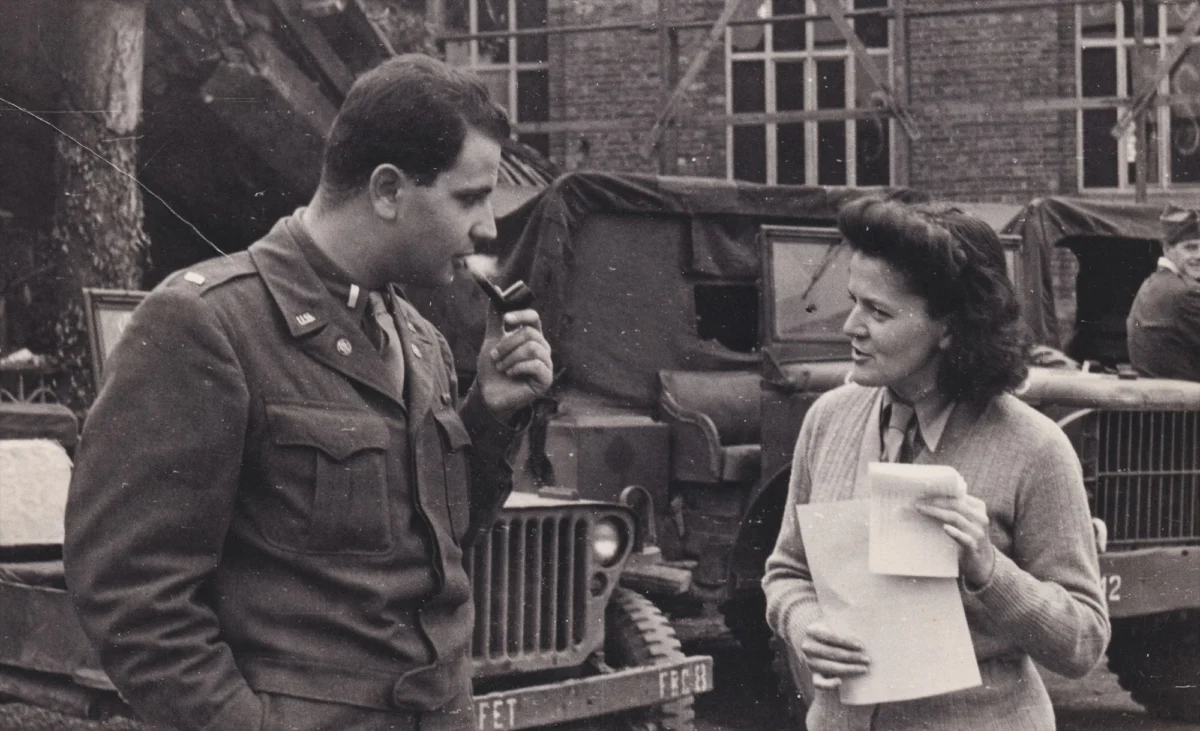
Dogwoof has officially released the trailer for The Last Spy, a highly anticipated documentary film that promises an unfiltered look into the life of one of the Central Intelligence Agency’s (CIA) most influential spymasters, Peter Sichel. The film, which has garnered attention on the international festival circuit, details Sichel’s extraordinary journey from a Jewish refugee fleeing Nazi Germany to a pivotal figure in Cold War espionage, culminating in his decision to publish his memoirs unredacted, challenging the CIA’s efforts to censor his narrative.
A Life Forged in Crisis: From Refugee to "Wunderkind" Spy
Born into a prominent German Jewish wine merchant family in Mainz in 1922, Peter Sichel’s early life was irrevocably shaped by the rise of Nazism. The Sichel family, proprietors of the famed H. Sichel Söhne winery and creators of the Blue Nun brand, was forced to flee their homeland in 1937, eventually finding refuge in the United States. This harrowing experience instilled in Sichel a profound understanding of geopolitical instability and the critical importance of intelligence in safeguarding democracy.
Upon his arrival in the U.S., Sichel quickly demonstrated exceptional intellectual acumen and a keen understanding of European affairs, particularly Germany. His fluency in multiple languages and intimate knowledge of German culture made him an invaluable asset to the burgeoning American intelligence apparatus during World War II. He joined the Office of Strategic Services (OSS), the precursor to the CIA, where his talents were immediately recognized. Sichel rapidly ascended through the ranks, earning the moniker "Wunderkind" for his precocious abilities and strategic insights. His work with the OSS involved clandestine operations aimed at undermining the Nazi regime, often operating under immense pressure and personal risk. This period laid the groundwork for a distinguished career defined by discretion, sharp intellect, and an unwavering commitment to national security.
Berlin and the Cold War: At the Epicenter of Espionage
Following the conclusion of World War II, as the global political landscape shifted from the battle against fascism to the ideological confrontation of the Cold War, Peter Sichel transitioned to the newly formed Central Intelligence Agency. His expertise in German affairs positioned him perfectly for a critical role in the divided city of Berlin, which quickly became the hottest front in the Cold War’s shadow war. Sichel was appointed the first CIA Station Chief in post-war Berlin, a testament to his exceptional capabilities and the trust placed in him by the nascent agency.
Berlin during the Cold War was a cauldron of espionage, a city bisected by the Iron Curtain, where agents from East and West constantly vied for information and influence. Sichel’s tenure as Station Chief placed him at the heart of this intricate web of covert operations. He was instrumental in establishing intelligence networks, recruiting assets, and analyzing Soviet intentions, playing a critical role in shaping U.S. policy in one of the most volatile regions of the world. His work involved navigating complex moral dilemmas, making decisions with far-reaching consequences, and constantly assessing the shifting allegiances and threats posed by Soviet expansionism. The film explores these challenging aspects of his career, providing an unprecedented glimpse into the psychological toll and ethical quandaries inherent in high-stakes espionage.
The Cold War era was characterized by a relentless pursuit of intelligence, with both sides employing every available means to gain an advantage. From the Berlin Blockade (1948-1949) to the construction of the Berlin Wall (1961), Sichel would have been intimately involved in monitoring Soviet actions and devising counter-intelligence strategies. His leadership in Berlin would have involved overseeing everything from communications intercepts to human intelligence gathering, all against a backdrop of constant tension and the ever-present threat of nuclear conflict. The documentary promises to reveal how Sichel’s insights contributed to America’s understanding of Soviet capabilities and intentions, offering a nuanced perspective on some of the most critical geopolitical maneuvers of the 20th century.
The Unredacted Truth: Sichel’s Battle for His Narrative

As Peter Sichel approached his centennial, he felt compelled to document his extraordinary life and career. His decision to write his memoirs, however, brought him into direct conflict with the very organization he had served for decades. The CIA, citing national security concerns and the imperative to protect classified information, returned a heavily redacted manuscript to Sichel. This act of censorship, rather than deterring him, solidified his resolve to tell his story his way – unredacted.
The struggle between former intelligence officers and their agencies over the publication of memoirs is a recurring theme in the history of espionage. The CIA’s Publications Review Board rigorously scrutinizes any material intended for public release by former employees to prevent the disclosure of classified information, sources, and methods. While this process is designed to safeguard national security, it often leads to frustration for authors who believe their personal narratives are being unduly constrained or misrepresented. Sichel’s insistence on an "unredacted" account represents a powerful challenge to this traditional gatekeeping, suggesting that the full truth, even with its complexities and potential controversies, is essential for historical understanding.
The documentary highlights Sichel’s motivation for this unprecedented step: a desire to reveal the obscured root causes behind many of the conflicts that continue to shape the modern world. By pulling back the curtain on a life packed with secrets, covert actions, moral dilemmas, and geopolitical intrigue, Sichel aimed to provide a comprehensive, albeit personal, historical record. This decision to prioritize transparency over institutional secrecy offers a rare opportunity for audiences to gain insight into the inner workings of intelligence agencies and the profound impact of their actions on global events. The film explores the whispers and suspicions that sometimes followed Sichel, including allegations of being a Soviet spy, which cast a shadow over his allegiances. His unredacted narrative aims to address these ambiguities, offering a final, definitive account from his perspective.
The Filmmaker’s Lens: Katharina Otto-Bernstein’s Vision
The Last Spy is helmed by acclaimed producer and filmmaker Katharina Otto-Bernstein, known for her distinctive approach to documentary storytelling. Otto-Bernstein brings a wealth of experience and a reputation for insightful character studies to this project. Her previous works, such as The Need for Speed Bicycle Messengers in New York, Beautopia, and the highly regarded Absolute Wilson, demonstrate a consistent ability to delve deep into the lives of unique individuals and subcultures, extracting universal themes from specific experiences.
In Absolute Wilson, for instance, Otto-Bernstein explored the life and artistic philosophy of avant-garde theater director Robert Wilson, blending archival footage with contemporary interviews to create a comprehensive portrait. This skill set is particularly relevant for The Last Spy, where the challenge lies in reconstructing a secret life through the recollections of a centenarian and historical context. Her choice to focus on Sichel’s personal struggle for narrative control, coupled with his remarkable longevity and sharp memory, promises a deeply personal and authoritative account. The documentary’s production team, including Oleg Dubson, Kathrin Lohmann, Sabine Schenk, and Frida Torresblanco, worked to ensure a meticulous portrayal of Sichel’s life and the historical events he influenced. The film is a testament to the power of oral history and the enduring relevance of individual perspectives in understanding complex historical periods.
Festival Circuit Acclaim and Critical Reception
The Last Spy made its international debut at the prestigious 2025 Munich Film Festival, where it was met with significant critical acclaim. The festival circuit serves as a crucial platform for documentaries, allowing them to gain early exposure, generate buzz, and secure distribution deals. Its successful premiere in Munich was followed by screenings at several other notable festivals, including the 2026 Palm Springs Film Festival earlier this year. These early showings indicate a strong positive reception from both critics and audiences, highlighting the film’s compelling narrative and the historical significance of Peter Sichel’s story.
Initial reactions from festival attendees and early reviews have praised the documentary for its gripping storytelling, the depth of its historical context, and the remarkable candor of Sichel himself. Reviewers have particularly noted the film’s ability to balance the personal narrative of an individual spy with the broader geopolitical forces of the Cold War. The choice to feature Sichel’s unredacted memoirs has been highlighted as a bold and refreshing approach, offering a perspective rarely seen in official histories or media portrayals of intelligence operations. This positive critical momentum positions The Last Spy as a significant contribution to the documentary genre and a vital piece of historical inquiry.
Broader Implications: Reassessing History Through a Spy’s Eyes

The release of The Last Spy carries significant broader implications for how we understand the Cold War, the role of intelligence agencies, and the nature of historical truth. Peter Sichel’s unredacted account has the potential to challenge established narratives and provide new insights into the decisions and events that shaped the latter half of the 20th century. By offering a first-person perspective from a key player, the documentary invites a reassessment of the moral ambiguities and ethical compromises inherent in espionage.
The film’s exploration of "obscured root causes behind most of the conflicts that are currently shaking our world" suggests that Sichel’s revelations extend beyond mere historical anecdotes. His experiences in the Cold War, particularly in a divided Germany, may offer frameworks for understanding contemporary geopolitical tensions, proxy conflicts, and the enduring legacy of ideological confrontations. In an era marked by renewed great power competition and the proliferation of disinformation, a firsthand account from a seasoned spymaster about the mechanisms of international intrigue and the pursuit of hidden truths becomes particularly relevant.
Furthermore, The Last Spy contributes to the ongoing debate about government secrecy versus public transparency. Sichel’s defiance of the CIA’s redaction efforts underscores the tension between national security imperatives and the public’s right to historical understanding. His decision to speak his "unredacted" truth, even at the advanced age of 102, serves as a powerful testament to the individual’s agency in shaping historical narratives and the importance of diverse perspectives in official histories. The film’s analysis of these themes is crucial for audiences seeking to critically engage with the complexities of intelligence work and its impact on global affairs.
Distribution and Anticipated Release
The Last Spy is set for release in UK cinemas and on Video-on-Demand (VOD) platforms starting April 24th, 2026, distributed by Dogwoof. Dogwoof is a renowned international sales agent and theatrical distributor specializing in high-quality documentaries, known for bringing critically acclaimed and impactful non-fiction films to global audiences. Their acquisition of The Last Spy further validates its significance and anticipated reach. The selection by Dogwoof signals confidence in the film’s commercial viability and its potential to resonate with a broad audience interested in history, espionage, and human interest stories.
While a specific U.S. release date has not yet been announced, the strong festival performance and Dogwoof’s distribution network suggest that an American release is highly probable and eagerly awaited. The film’s themes of Cold War espionage, the struggle for truth, and the incredible life of a Jewish refugee turned spy hold universal appeal, promising to captivate audiences across different demographics. For more information and updates, interested parties can visit Dogwoof’s official website for the film.
Conclusion: A Legacy of Secrets Unveiled
The Last Spy stands as a poignant and critical examination of a life lived at the crossroads of history and secrecy. Peter Sichel, who passed away last year at the remarkable age of 102, leaves behind a legacy not only of dedicated service to his country but also of an unwavering commitment to truth. His decision to share his unredacted memoirs, defying institutional constraints, provides a unique and invaluable historical document. The documentary, masterfully crafted by Katharina Otto-Bernstein, offers an unparalleled opportunity to understand the intricate world of Cold War espionage through the eyes of one of its most enigmatic and influential figures. As the film prepares for its wider release, it promises to spark important conversations about the nature of intelligence, the weight of history, and the enduring quest for an unvarnished truth.