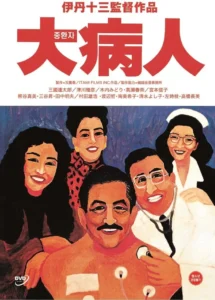



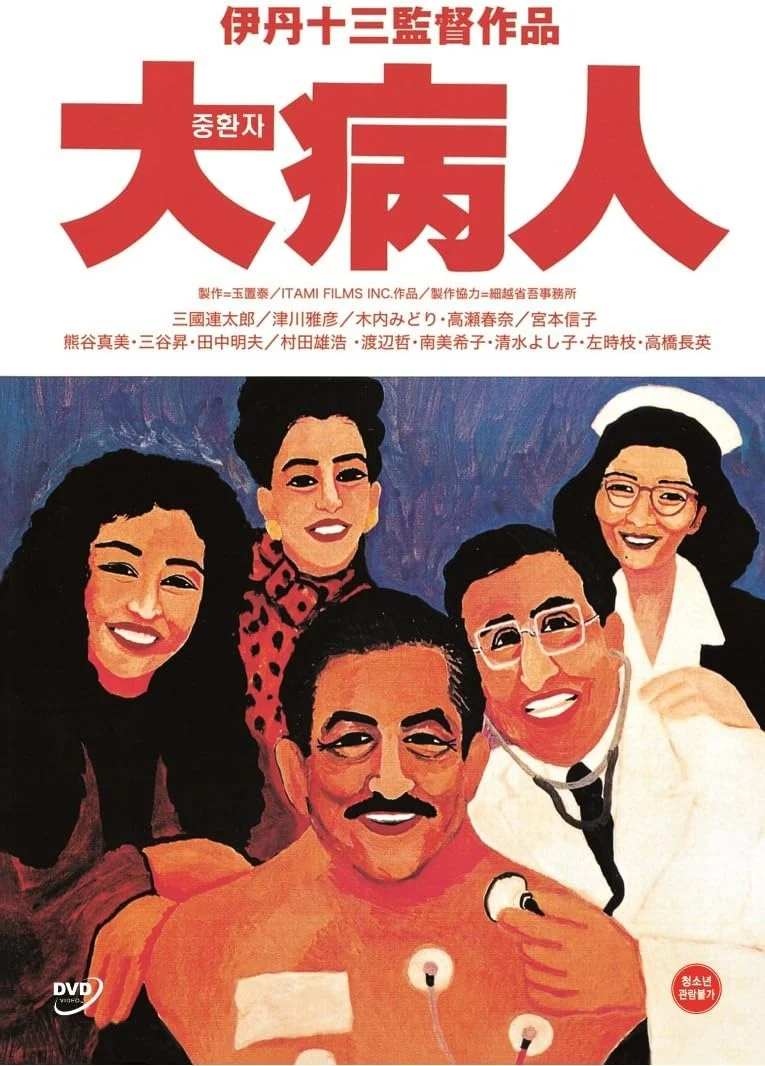
Juzo Itami’s deeply personal film, "The Last Dance," offers a poignant and often darkly humorous exploration of the Japanese healthcare system and the profound existential questions surrounding life, death, and the dignity of existence. Released in 1993, the film stands as a powerful testament to Itami’s willingness to confront societal issues with unflinching honesty, even when drawing from profoundly personal experiences. This cinematic work, arguably the most autobiographical of his career, delves into the complex ethical considerations inherent in medical treatment and the human struggle to find meaning in the face of mortality.
Genesis of a Masterpiece: From Trauma to Triumph
The genesis of "The Last Dance" is intrinsically linked to a harrowing personal experience that befell Juzo Itami himself. In 1997, following the immense success and controversy surrounding his film "Minbo" (1992), which unflinchingly exposed the pervasive influence of yakuza organizations in Japanese public life and satirized their intimidating tactics, Itami became the target of violent retaliation. The powerful Goto clan, a yakuza syndicate, orchestrated a brutal assault on the director just days after "Minbo’s" theatrical release. This attack, which left Itami hospitalized in Tokyo, provided him with an unwelcome but ultimately invaluable perspective on the inner workings of the Japanese healthcare system. It was during this period of recovery, observing the intricacies of hospital life and the interactions between patients, doctors, and administrators, that Itami began to gather the raw material that would eventually coalesce into the narrative of "The Last Dance." The film, therefore, can be seen as a profound act of artistic transmutation, transforming a deeply traumatic event into a compelling and insightful cinematic commentary.
The Narrative Arc: A Director’s Final Act
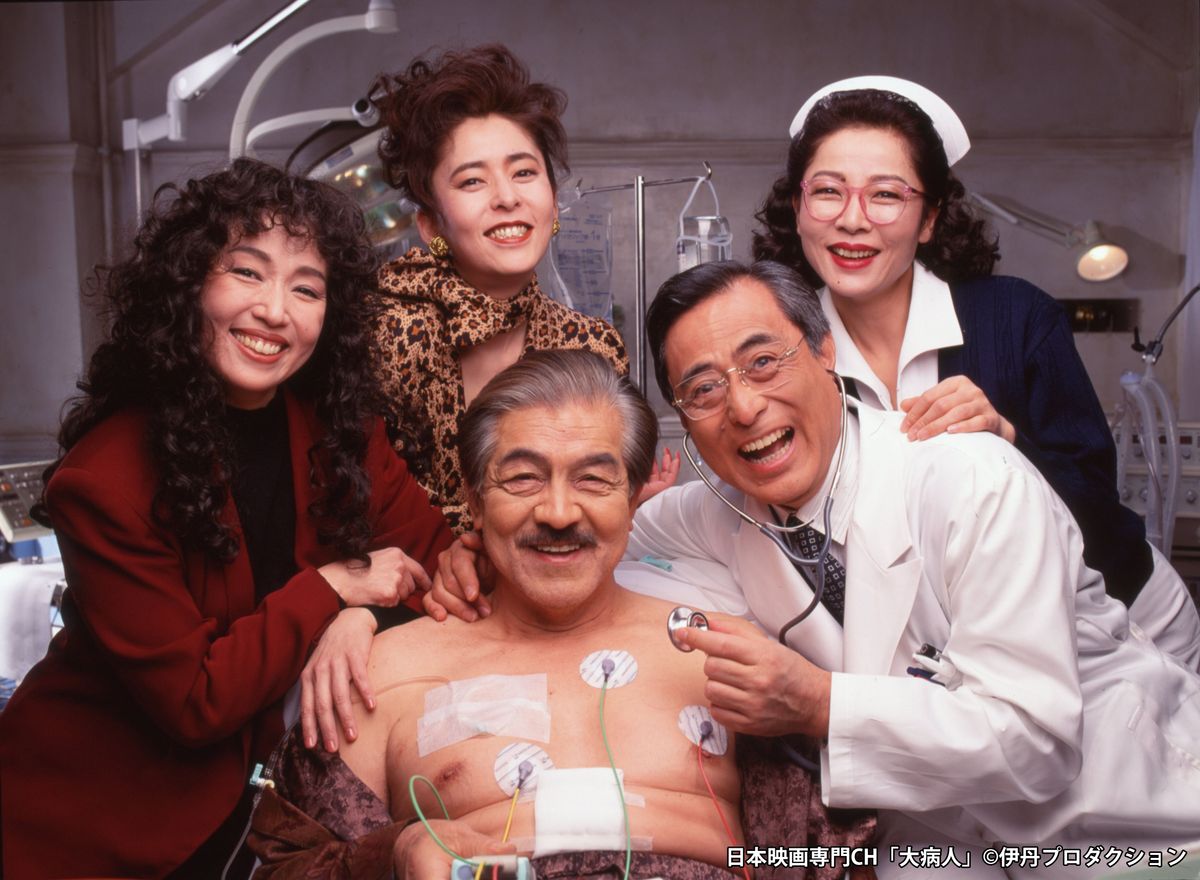
At the heart of "The Last Dance" is Buhei Mukai, a vibrant film director in his sixties, brought to life by the veteran actor and acclaimed director Rentaro Mikuni. Buhei is depicted as a man fully embracing life’s pleasures, his dedication to his craft matched by his enjoyment of alcohol, gambling, and women. This larger-than-life persona is dramatically juxtaposed with the devastating diagnosis of stomach cancer, delivered after tests for internal bleeding reveal the extent of the disease. With a prognosis of only one year to live, the medical team, led by Dr. Ogata (Masahiko Tsugawa), makes a crucial ethical decision. To shield Buhei from the psychological burden of a terminal diagnosis, they opt, with the consent of his wife Mariko (Nobuko Miyamoto), to withhold the full truth about the severity of his illness.
However, the veil of secrecy is inevitably lifted. Following a second surgery, Buhei, a man of keen intellect and intuition, soon discerns the reality of his situation. The film chronicles his emotional journey as he grapples with this revelation, swinging between fits of anger, profound despair, and a resurgence of his old, self-destructive habits. Yet, as his time grows short, Buhei embarks on a path of acceptance, channeling his remaining energy into completing his final cinematic endeavor – his "last dance." This personal struggle becomes a powerful metaphor for confronting mortality with a measure of grace and purpose.
Societal Commentary: Beyond the Individual Struggle
"The Last Dance" transcends a mere personal drama to offer a sharp critique of the Japanese healthcare system as it existed in the early 1990s. The film arrives at a time when medical dramas were beginning to gain significant traction in Japanese television, with series like "Kagayaku toki no naka de" (1990) paving the way for the later phenomenon of shows such as "Shiroi kyotou" (2003). Itami’s film, however, prefigures this trend by focusing on stomach cancer, a disease then heavily publicized as exceptionally difficult to treat. The pervasive advertising by private insurance companies, saturating newspapers and radio waves, fueled a public discourse around the disease, often highlighting its perceived incurability.
Within this context, Itami meticulously exposes the potential for hypocrisy and performative kindness within the medical establishment. The film’s art director, Kenichi Samura, utilizes striking visual metaphors to portray the advanced medical treatments. Brightly colored liquids and an array of complex, almost cyberpunk-esque machinery are employed, creating a spectacle that, while visually arresting, raises questions about their true efficacy. The narrative suggests that some expensive treatments might be prescribed less for the patient’s genuine well-being and more for the financial benefit of insurers. This is poignantly illustrated by the depiction of a terminally ill smoker, kept alive by a life-support machine, a stark image of a life prolonged at potentially immense cost, both financially and emotionally.
The Power of Human Connection Amidst Impersonality
Despite its critical portrayal of institutional flaws, "The Last Dance" does not succumb to unremitting cynicism. The film powerfully underscores the enduring capacity for genuine human connection, even within the cold, impersonal confines of a bureaucratic healthcare system. Itami suggests that as mutual trust begins to form, the barriers of impersonality can be overcome. Buhei’s journey culminates in a profound acceptance of his fate. His attempt to escape the hospital signifies a desperate grasp for control, but his eventual embrace of his mortality is marked by a newfound respect for his wife and the hospital staff.
The hospital personnel, initially perceiving Buhei through the lens of his vices and illness, begin to see him as a man deserving of empathy rather than solely as a recipient of advanced medical interventions or stern pronouncements. This shift in perspective highlights the film’s central theme: the importance of recognizing and valuing the individual beyond their ailments or societal labels.
The character of Buhei, functioning as a clear stand-in for Itami’s own persona, is presented as a man confronting the ultimate equalizer. Regardless of his artistic achievements or past transgressions, he faces the inevitability of death, a metaphorical crossing of the Sanzu River, the mythical waterway separating the living from the afterlife in Japanese Buddhist tradition. Mikuni’s remarkable performance as both an actor and a director amplifies this resonance, lending Buhei a gravitas that mirrors Itami’s own artistic legacy.
Meta-Cinema and the Final Transcendence
"The Last Dance" reaches a remarkable crescendo in its exploration of meta-cinema, blurring the lines between the film’s narrative and the filmmaker’s own creative process. Buhei’s final privilege is the opportunity to complete his magnum opus, the titular "last dance." In an unforgettable sequence, the film depicts Buhei and Itami, embodied by Mikuni, directing a musical ensemble. The camera perspective shifts, revealing a wide shot that then morphs into a subjective point of view, seamlessly merging the perspectives of the director and his on-screen alter ego. This moment of shared creative endeavor serves as a powerful artistic catharsis.
Following this intensely personal and artistic climax, as other characters and the audience are momentarily lulled into a sense of normalcy, Buhei meets his ancestors. This transition is depicted in one of cinema’s most lysergic and intensely rendered pre-death experiences. The sequence evokes a surreal, dreamlike quality, reminiscent of Federico Fellini’s masterful blend of neorealism and surrealism, where the boundaries of reality and perception dissolve.
Universal Resonance: Embracing Mortality Through Connection
While "The Last Dance" is deeply rooted in the specific events and experiences that shaped its creation, its thematic concerns resonate universally. Itami’s astute observations of human archetypes and societal institutions, coupled with his poignant acknowledgment of the fear of death, create a film that speaks to a broad audience. The film ultimately posits that meaningful individual connections, forged through empathy and understanding, are the most potent antidotes to the existential dread that accompanies the awareness of our own mortality. In its examination of life’s final act, "The Last Dance" offers a profound meditation on what it truly means to live, and to die, with dignity.