

The Indonesian cinematic landscape is currently experiencing a renaissance, with its robust output of action and horror films from the 2010s providing a fertile ground for investment and creative exploration in the current decade. Directors like Gareth Evans and Joko Anwar have ascended to become benchmarks for Asian genre filmmaking, mirroring the influence of Thai cinema pioneers like Prachya Pinkaew and the Pang Brothers in the 2000s. This surge suggests a potential passing of the torch, with Indonesian cinema now poised to carry the torch that Thai cinema once held aloft. Herwin Novianto’s recent remake of the 2004 Thai horror classic "Shutter," originally directed by Banjong Pisanthanakun and Parkpoom Wongpoom, emerges as a prominent contender in this narrative. However, the critical question remains: does this remake represent a genuine step forward for Indonesian horror, or is it merely an echo of past successes?
The Genesis of a Haunting: From Bangkok to Jakarta
The original "Shutter," released in 2004, was a critical and commercial success, cementing its place as a landmark film in the Asian horror canon. Its innovative approach to visual storytelling and its ability to tap into primal fears resonated with audiences globally, influencing a generation of filmmakers. The film’s narrative centered on a young couple whose lives are irrevocably altered after a tragic accident, leading to a series of increasingly terrifying supernatural events manifested through photographs. The premise, inherently tied to the visual medium of photography, proved exceptionally effective in its chilling execution.
Fast forward two decades, and the technological and cultural landscape surrounding photography has undergone a seismic shift. The advent of smartphones and the ubiquitous nature of digital photography have rendered many of the analog processes depicted in the original "Shutter" almost archaic to contemporary audiences. The very concept of a "shutter" in the traditional sense, a mechanical component controlling light exposure on film, is a foreign notion to many who are accustomed to the instantaneous, effortless capture and manipulation of digital images. This evolution presents a significant challenge for a remake that relies on the cultural resonance of a specific photographic era.
A Photographer’s Descent: Plot and Characterization in the Remake
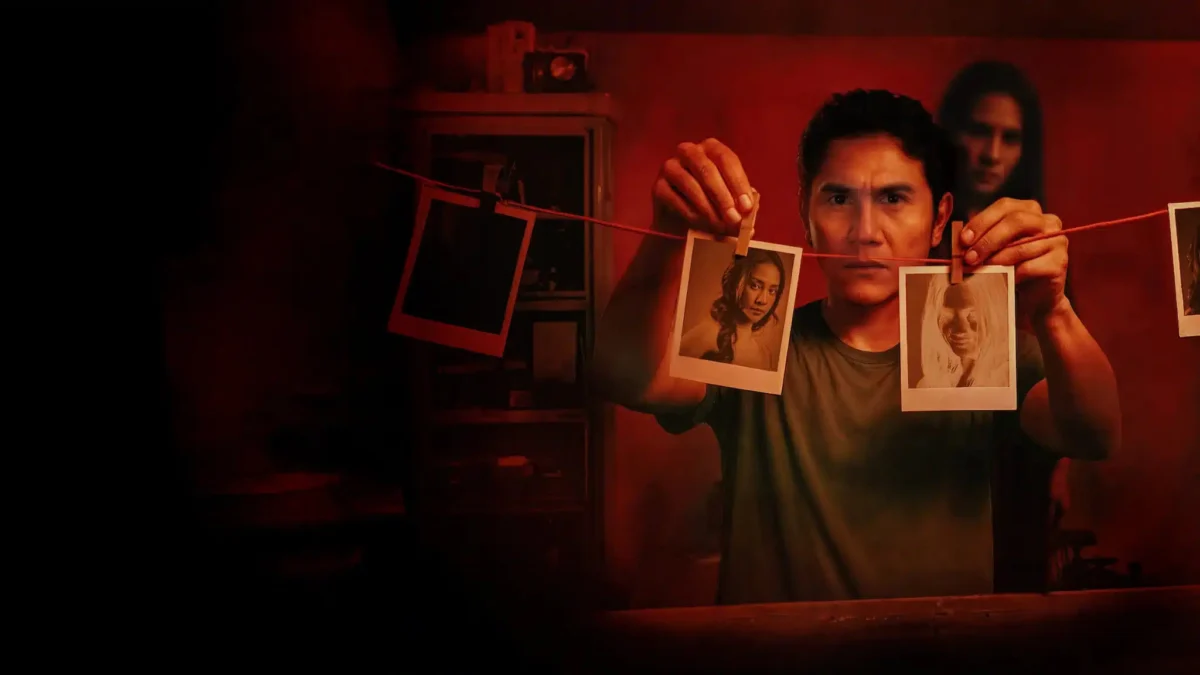
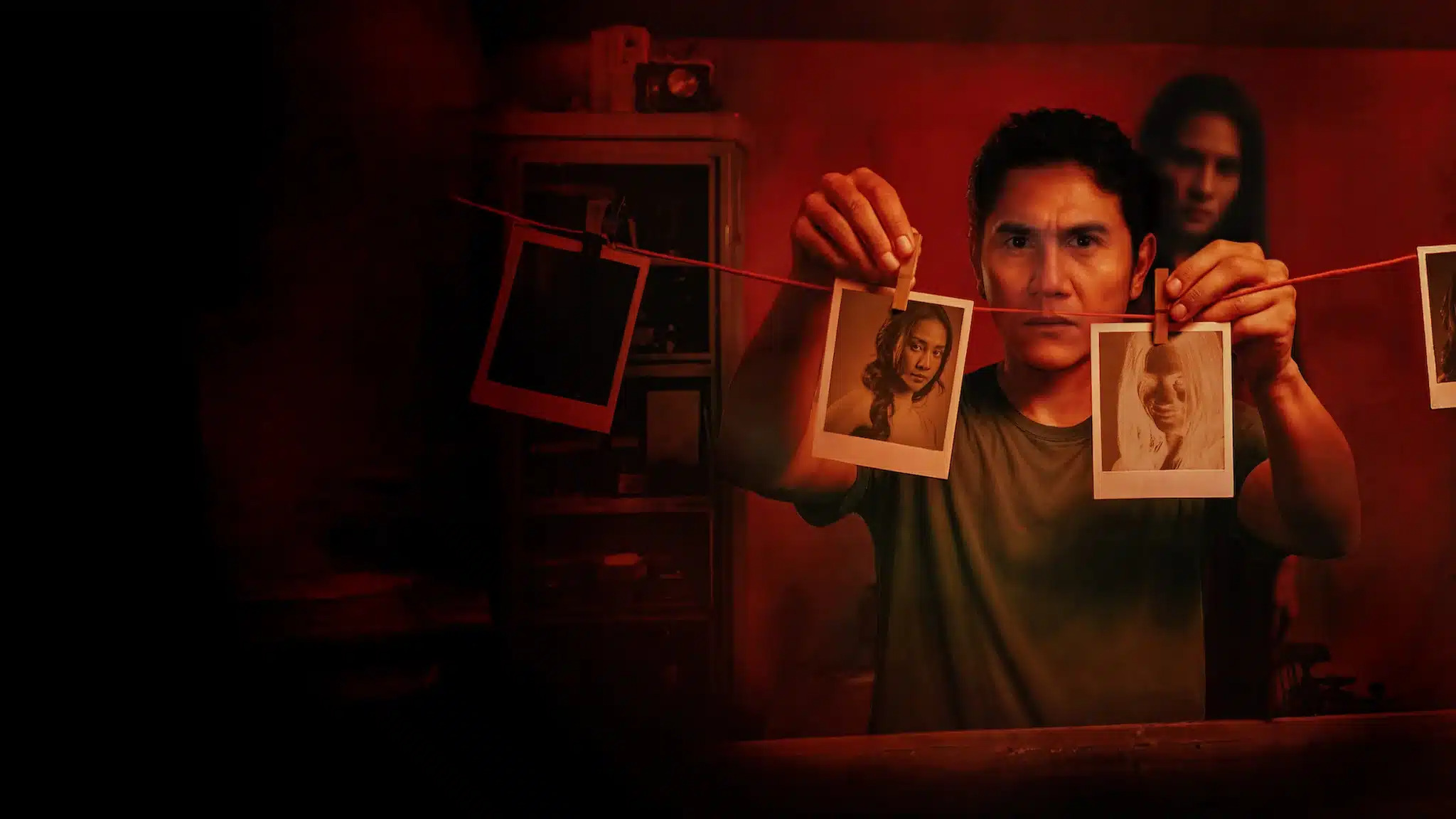
The Indonesian remake, directed by Herwin Novianto, introduces Darwin (Vino Bastian), a photographer deeply devoted to the intricacies of analog SLR cameras. As a respected figure within his college camera club, Darwin actively imparts his knowledge to aspiring photographers. His life takes a dark and irreversible turn following a late-night drive with his girlfriend, Pia (Anya Geraldine), which culminates in a fatal accident. The victim of this accident, it appears, is not content with simply fading into obscurity. Their presence begins to manifest in the most unsettling ways, appearing in photographs, haunting Darwin’s dreams, and infiltrating his waking reality. As the spectral manifestations escalate, friends begin to perish, plunging Darwin’s world into chaos and an inescapable reckoning.
While the remake attempts to ground its narrative in Darwin’s passion for analog photography, a deliberate effort is made in the opening sequence to educate the audience on the painstaking process of film development. Scenes depicting stop baths, fixers, and the darkroom, accompanied by Darwin’s explanatory insights, aim to bridge the gap between the film’s thematic core and a modern audience potentially unfamiliar with these techniques. This pedagogical approach, while efficient in establishing the film’s premise, arguably sacrifices the raw, immediate creepiness that characterized the original "Shutter’s" opening credits. The Thai original’s stark presentation of haunted photographs during the credit roll was a masterclass in atmospheric dread, a palpable sense of unease that the remake’s more explanatory introduction struggles to replicate.
Replicating and Reimagining: Strengths and Weaknesses in the Adaptation
Director Herwin Novianto demonstrates a clear intention to honor the source material, with many scenes meticulously recreated shot-for-shot, albeit infused with a contemporary Indonesian sensibility. This reverence often yields positive results. The ghost’s initial major appearance, for instance, is arguably more impactful in the remake. The build-up is smoother, transitioning from Pia’s relaxation on her couch to the spectral entity menacingly peering from within a sink, its spectral fingers tracing the contours of the basin. The localization of the ghost’s appearance is also a notable strength. Replacing the cool, ethereal tones of the Thai version with fiery, reddish hues and an unkempt garment ensemble imbues the apparition with a more visceral and immediate threat.
Indonesian horror is often characterized by its unflinching embrace of gore, and this remake is no exception. The film liberally employs blood and visceral imagery, presenting a more in-your-face and graphic depiction of horror than its predecessor. Niken Anjani, portraying the spectral entity, bears a subtle resemblance to Achita Sikamana from the Thai film. However, Anjani’s performance, constrained by the script’s characterization, struggles to capture the same level of enigmatic mystique that made Sikamana’s portrayal so haunting. The script, penned by Alim Studio, tends to render the ghost’s persona as perhaps too grounded, diminishing the otherworldly terror that is central to the "Shutter" mythos.
Technical Prowess Meets Narrative Gaps
The technical aspects of the remake are undeniably impressive, a testament to the burgeoning industrial muscle of Indonesian cinema. Rahmat Nur Hidayat’s cinematography exudes a polished, world-class quality, further enhanced by impeccable costuming and production design. The film benefits from a high level of technical execution, suggesting a significant investment in achieving a polished aesthetic. However, this focus on a "Hollywood-ready" look appears to come at the expense of a distinct visual signature. The framing often feels rushed, failing to allow moments of creepiness to truly settle and resonate with the audience. Shots either linger too long without purpose or are cut too abruptly, disrupting the rhythm and diminishing their potential to disturb. The editing by Febby Gozal and Sentot Sahid, more concerned with propelling the narrative forward than with crafting impactful moments of suspense, further exacerbates this issue.
This recurring problem in the film lies in its inability to strike a balance between building tension and delivering scares. The set pieces often feel incidental rather than integral to the horror, leading to a deficiency in psychological depth. The intended "scary parts" often feel like mere plot points rather than deeply unsettling experiences.
Performance Deficiencies and Tonal Inconsistencies
The tepid acting further amplifies these narrative shortcomings. Anya Geraldine’s portrayal of Pia, who endures a profoundly traumatic encounter with the paranormal, lacks the necessary emotional weight. Her character’s reactions often feel disconnected from the gravity of the events she witnesses, moving through scenes as if largely unfazed. Similarly, Vino G. Bastian’s Darwin exhibits a perplexing lack of reaction to disturbing occurrences. His failure to acknowledge Pia’s doppelganger in the darkroom, only to meet her again without comment, undermines the escalating terror. Both protagonists seem remarkably unfazed by the increasingly bizarre and terrifying phenomena, only displaying heightened emotion during mandated dramatic scenes, which often feel unearned.
Adding to the film’s tonal inconsistencies are its questionable needle drops. A particularly jarring instance involves a loud romantic ballad inserted into a tense, climactic scene where the ghost is perched precariously on a ladder against a building. This musical choice is not only atonal but emotionally misplaced, raising perplexing questions about the film’s intended emotional resonance. Without revealing specific plot points, one is left to question whether the audience is meant to empathize with the abuser in such a moment, a disquieting and narratively unsound implication.
The Lost Art of Counter-Hegemonic Horror
Perhaps the most significant loss in this translation is the disappearance of a truly counter-hegemonic approach to horror. The original "Shutter" emerged from a wave of early 2000s Asian horror films that drew inspiration from Japanese masters like Hideo Nakata’s "The Ring" (1998) and Takashi Shimizu’s "Ju-On: The Grudge" (2002). This lineage of filmmaking eschewed cheap jump scares in favor of profound character drama, responding to the bombast of Hollywood horror with a deliberate, escalating sense of foreboding and chilling dread. It was a surgical, methodical approach, relying on stolen glances, lingering frames, and a pervasive sense of silent disquiet to create a unique cinematic language.
The Indonesian remake, in its attempt to be a polished, modern update, seems to have missed the opportunity to learn from this rich tradition. Instead of embracing the nuanced psychological terror that defined its predecessors, it opts for a more literal, by-the-numbers execution of the plot. The result is a film that, despite its technical polish, fails to tap into the deeper wells of fear that made the original "Shutter" so enduring.
Conclusion: A Polished Facade, But Lacking Depth
Herwin Novianto’s "Shutter" is a technically proficient remake that undoubtedly showcases the advancements in Indonesian filmmaking. Its visual polish, strong production design, and willingness to embrace gore offer a contemporary sheen. However, in its pursuit of modernization and adherence to the original’s plot points, it sacrifices the psychological depth, atmospheric dread, and unique artistic sensibilities that defined the genre’s most impactful entries. The remake ultimately fails to maximize the potential of what made Asian horror, and specifically "Shutter," so compelling, leaving audiences with a film that is visually competent but emotionally hollow, a missed opportunity to truly innovate rather than simply replicate. The question of whether this remake signifies a way forward for Indonesian cinema’s genre output remains open, but for now, it stands as a cautionary tale about the perils of faithfully transcribing, rather than thoughtfully reinterpreting, a classic.