


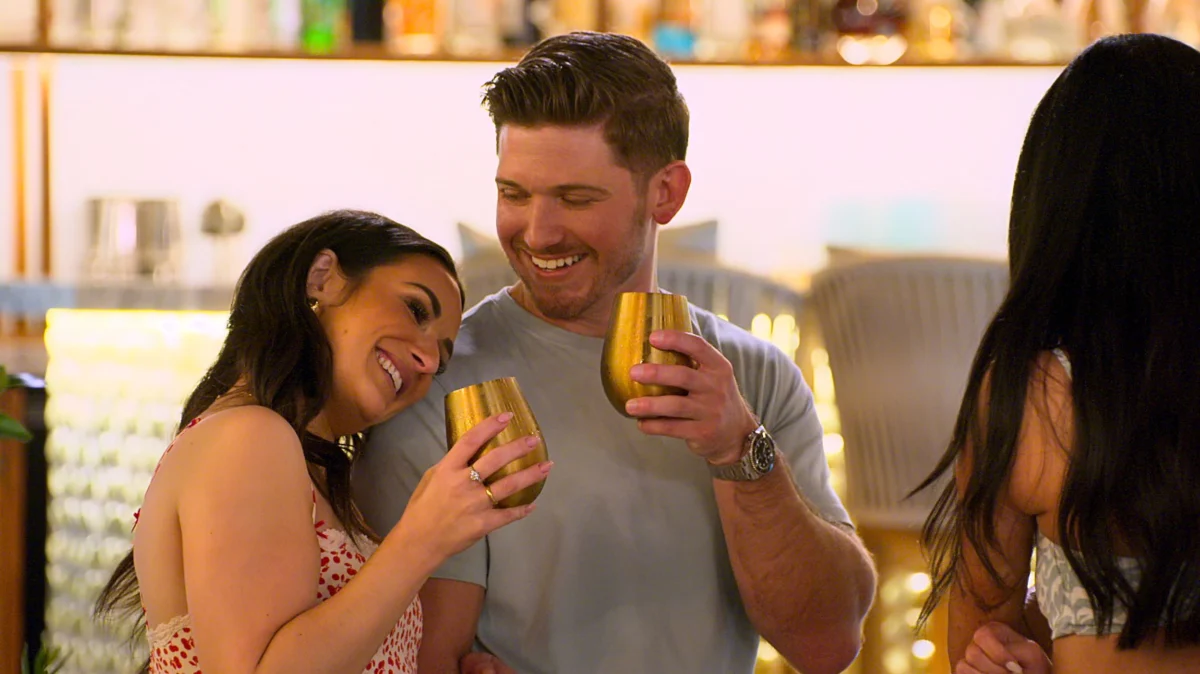
When Netflix debuted the inaugural season of Love Is Blind in February 2020, the series was positioned as a radical social experiment designed to challenge the superficiality of modern dating. By stripping away physical appearances and requiring contestants to build emotional foundations through "pods," the show initially offered a departure from the hyper-aesthetic standards of contemporary reality programming. However, as the franchise enters its tenth season, the series has undergone a significant cultural transformation. What began as an exploration of emotional intimacy has increasingly become a lightning rod for discussions regarding the "manosphere," traditionalist gender roles, and the widening socio-economic gap between men and women in the United States.
The Architectural Shift: From Social Experiment to Cultural Mirror
The fundamental premise of Love Is Blind—that couples can become engaged "sight unseen" before meeting in person and deciding whether to marry within weeks—was designed to foster "unvarnished" connections. Early seasons were defined by a mix of genuine success stories, such as Lauren Speed and Cameron Hamilton, and high-intensity drama, such as the interpersonal conflicts involving Carlton Morton and Diamond Jack. These early iterations focused heavily on the mechanics of the experiment itself: could a relationship survive the transition from a voice-only connection to the physical world?
As the series progressed through its subsequent cycles, the narrative focus shifted. While the production remained consistent under Kinetic Content, the casting began to reflect broader societal shifts. By the tenth season, based in Ohio, the interpersonal conflicts have moved beyond simple personality clashes. They now frequently involve deep-seated ideological divides regarding gender roles, career ambitions, and political alignment. This evolution suggests that the "pods" are no longer just testing for romantic chemistry, but are increasingly exposing the growing cultural polarization within the American dating market.
The Rise of the "Manosphere" in Reality Casting
A primary criticism of recent seasons involves the emergence of male contestants whose rhetoric aligns with the "manosphere"—an umbrella term for various web-based communities promoting traditionalist, and often regressive, views on masculinity and female submissiveness. In the current Ohio-based season, the presence of Chris Fusco has sparked significant discourse. Fusco, a 33-year-old account executive, has drawn criticism for comparing his outlook to that of controversial influencer Andrew Tate and for criticizing other male cast members whom he perceives as "submissive."
This trend is not isolated to a single individual. Alex Henderson, a 31-year-old contestant who identifies as a day trader and supporter of the "Make America Great Again" (MAGA) movement, represents another facet of this shift. Henderson’s narrative arc has been characterized by demands for his partner, Ashley Carpenter, to prioritize his lifestyle and relocation preferences over her own established career as a claims manager. Observers note that these casting choices reflect a specific demographic of men who feel alienated by modern progressive dating norms and are instead doubling down on patriarchal structures.
Socio-Economic Disparities and the "Success Gap"
The tension on Love Is Blind often mirrors real-world data regarding the changing economic landscape for American women. According to data from the Pew Research Center, U.S. women are now outpacing men in obtaining college degrees across every major racial and ethnic group. Furthermore, in several major U.S. cities, young women are narrowing the pay gap or even out-earning their male counterparts.
This economic reality has become a recurring point of friction on the show. In the Denver-based season, Jordan Keltner struggled openly with the wealth and career success of his fiancée, Megan Walerius. Keltner eventually ended the relationship, citing an inability to keep up with Walerius’s lifestyle and a general sense of exhaustion regarding their socio-economic differences.
In the current season, a similar dynamic is visible between Chris Fusco and Jessica Barrett, a physician. Despite Barrett’s professional achievements and financial independence—symbolized by her multi-bedroom home—Fusco focused his critiques on her physical habits, such as her frequency of attending Pilates. His commentary, which dismissed her status as a neurosurgeon or "trust fund" recipient in favor of complaining about a lack of sexual chemistry and "dominance," highlights a recurring theme: some male contestants appear fundamentally uncomfortable with high-achieving partners.
Reproductive Rights and the Pressure of Traditionalism
Beyond economic tensions, Love Is Blind has increasingly leaned into conservative social ideals, particularly regarding family planning and the "trad-wife" (traditional housewife) aesthetic. This is most evident in the interactions between Emma Betsinger, 28, and Steven Sunday, 32. Betsinger, who has dealt with significant health issues related to birthmark-related surgeries, expressed hesitation regarding her ability and desire to have children.
Rather than engaging with her medical history or personal agency, the narrative—and Sunday’s response—pushed toward the expectation of motherhood. Sunday, along with other male contestants, frequently reiterated that Betsinger would make a "great mother," effectively sidelining her expressed concerns. This pressure aligns with broader criticisms of the show’s hosting and production. Viewers have frequently noted that hosts Nick and Vanessa Lachey often press contestants on their plans to start families during reunion specials, regardless of the couples’ stated preferences or biological realities.
The Handling of Race and Internalized Identity
While Love Is Blind has been praised in the past for featuring diverse casts, the treatment of race has often lacked the nuance required for such a high-stakes environment. Contestants of color frequently find themselves navigating partners who have little to no experience with interracial dating, or they grapple with internalized racism.
In previous seasons, Asian contestants have spoken about the pressures of prioritizing whiteness in their partners—a topic that psychologists argue requires significant professional mediation. In more recent episodes, such as those involving Brittany and Devonta, the realization that a partner has never dated a woman of color often comes too late in the process, leading to awkward and sometimes offensive exchanges. Critics argue that without the presence of on-site therapists or specialized moderators, these sensitive topics are often exploited for drama rather than explored for understanding.
Chronology of Key Events and Shifts
- February 2020: Netflix launches Season 1. Lauren and Cameron become the gold standard for the experiment, while Jessica Batten becomes the first "villain" archetype for her indecisiveness.
- 2021-2022: The show expands internationally (Brazil, Japan) and sees an increase in "clout-chasing" allegations as contestants realize the potential for social media stardom.
- 2023 (Denver Season): The "Success Gap" becomes a primary narrative driver, with male contestants expressing insecurity over female partners’ earnings.
- 2024-2025 (Ohio/Current): The overt introduction of "manosphere" rhetoric and MAGA-aligned personalities marks a shift toward more overtly political and ideological conflict.
Official Responses and Industry Accountability
Kinetic Content, the production company behind the franchise, has largely remained silent regarding the specific criticisms of its Season 10 cast. When reached for comment on the allegations of body-shaming and the promotion of regressive gender roles, the company did not provide a statement.
However, the lack of an official response has not quelled the debate. Former contestants have occasionally spoken out about the lack of psychological support during filming. The Independent reported on concerns regarding "emotional regulation" and the "anger" issues displayed by some male cast members, suggesting that the vetting process may prioritize "good television" over the safety and well-being of the participants.
Broader Impact and Cultural Implications
The evolution of Love Is Blind serves as a microcosm of the current American cultural landscape. As women continue to make gains in education and the workforce, the "dating gap" has become a source of significant social friction. The show’s shift toward casting men who espouse "dominant" or traditionalist views suggests a production strategy aimed at capturing the tension of the "gender wars" currently trending on social media.
By moving away from its original goal of proving that "love is blind," the series has instead proven that love is deeply entangled with socio-economics, political identity, and evolving definitions of masculinity. While this ensures high viewership and consistent social media engagement, it also raises questions about the ethical responsibilities of reality TV producers. As the franchise continues, the divide between those seeking a genuine connection and those seeking to reassert traditional power dynamics is likely to remain the show’s most enduring—and controversial—conflict.