


The cinematic landscape of Asia has long been captivated by the complex and often perilous world of the undercover operative. From the vibrant, action-packed streets of Hong Kong to the psychologically intense narratives emerging from South Korea, this enduring trope has served as a potent narrative device, allowing filmmakers to delve into the multifaceted themes of crime, identity, loyalty, and the slippery slope of morality. This article explores a curated selection of thirteen seminal films that exemplify the evolution and impact of the undercover story in Asian cinema, tracing their chronological development and the distinct cultural nuances they embody.
At the core of these narratives lies a fundamental, universally resonant question: to what extent can an individual inhabit a fabricated persona before it begins to fundamentally alter or even consume their true self? Filmmakers across different eras and regions have grappled with this dilemma, employing a spectrum of approaches, from slapstick comedy and stylized action to gritty realism and profound existential dread. The films featured herein showcase this diversity, some prioritizing high-octane spectacle and entertainment, while others meticulously dissect the psychological toll of existing between two worlds, where allegiances become fluid and ethical boundaries blur into ambiguity.
The practice of embedding law enforcement within criminal organizations, while fictionalized for dramatic effect, often reflects real-world challenges faced by intelligence agencies and police forces globally. The success of undercover operations hinges on meticulous planning, deep immersion, and an uncanny ability to blend in. However, the human cost is often immense, with operatives facing constant peril, the erosion of their personal lives, and the psychological burden of maintaining a deceptive facade. Asian cinema has consistently excelled at portraying these pressures with a unique blend of cultural specificity and universal emotional resonance.
A Chronological Journey Through Asian Undercover Cinema
The following selection highlights key films that have significantly contributed to the genre’s development and popularity, presented in the order of their release.
1. Fight Back to School (1991, Hong Kong)
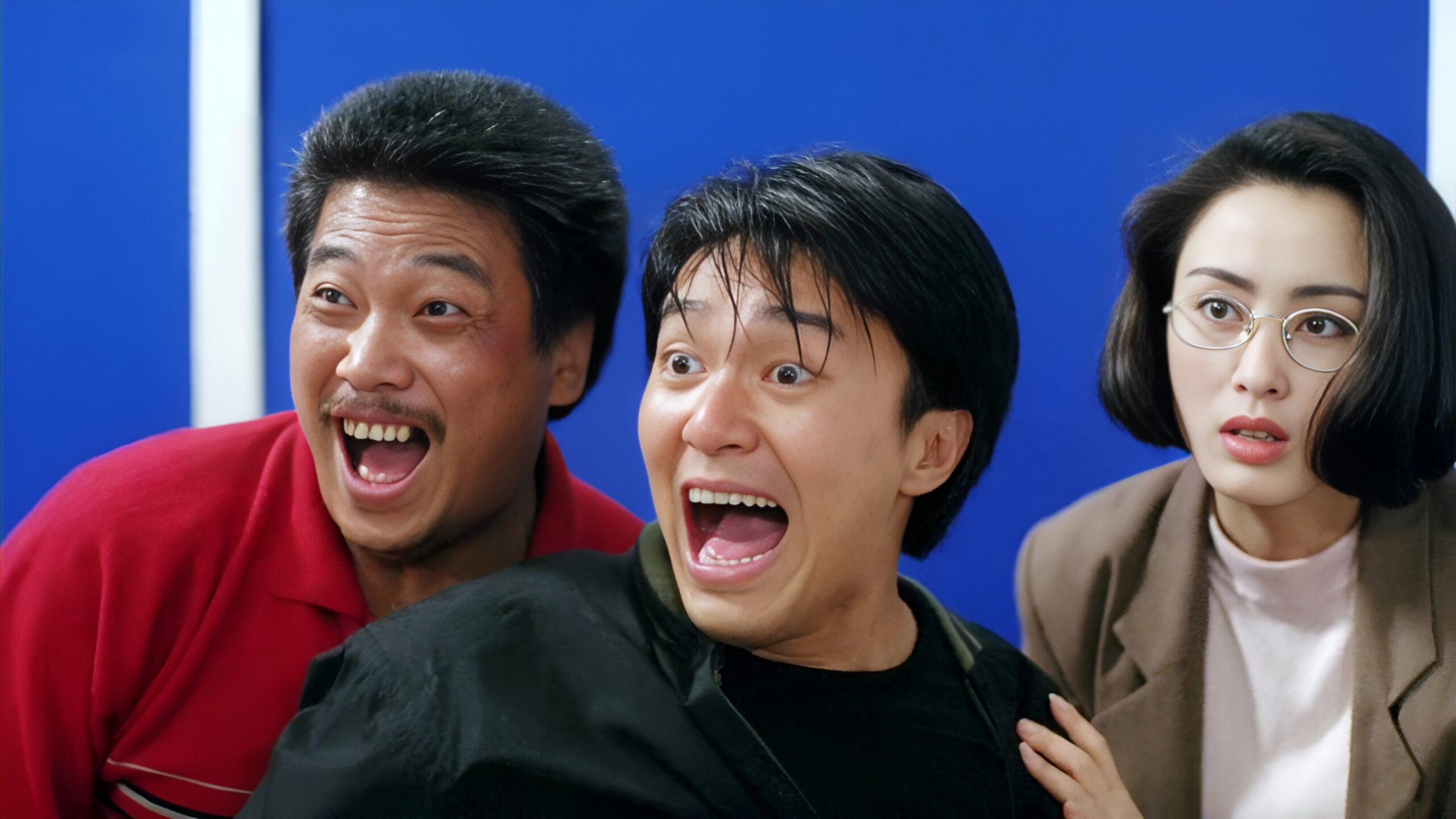
Gordon Chan’s "Fight Back to School" exemplifies the comedic potential of the undercover trope, drawing clear inspiration from the popular television series "21 Jump Street." The film features Stephen Chow as Chow Sing-sing, a police officer on the verge of being disqualified, who is tasked with going undercover in a high school to recover a missing firearm. Paired with the aging officer Tat, played by Ng Man-tat, the duo’s attempts to infiltrate the student body are fraught with humorous mishaps and bickering. Chow’s signature comedic timing and his electric chemistry with Ng Man-tat are central to the film’s success, as they hilariously navigate the alien environment of high school with their adult sensibilities. The film’s immense popularity spawned two sequels, solidifying its status as a beloved Hong Kong comedy classic and demonstrating the broad appeal of the undercover premise when infused with humor and relatable character dynamics.
2. Infernal Affairs (2002, Hong Kong)
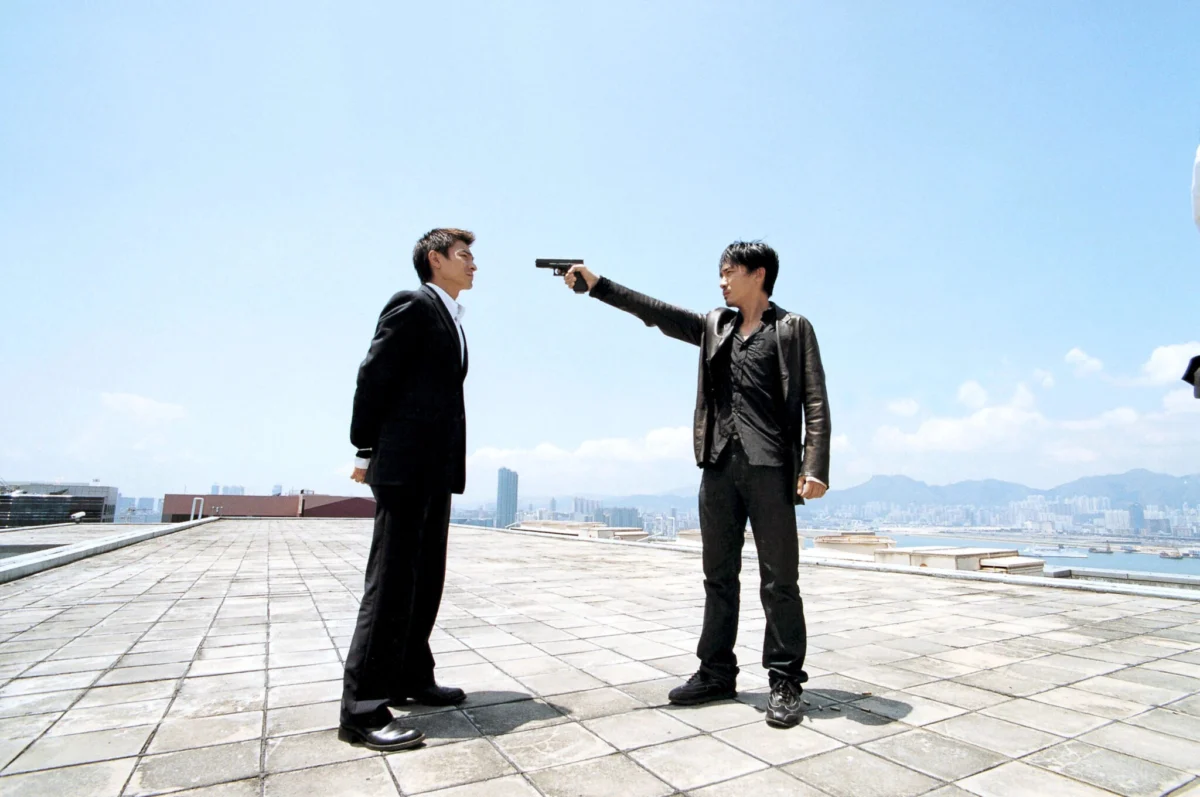
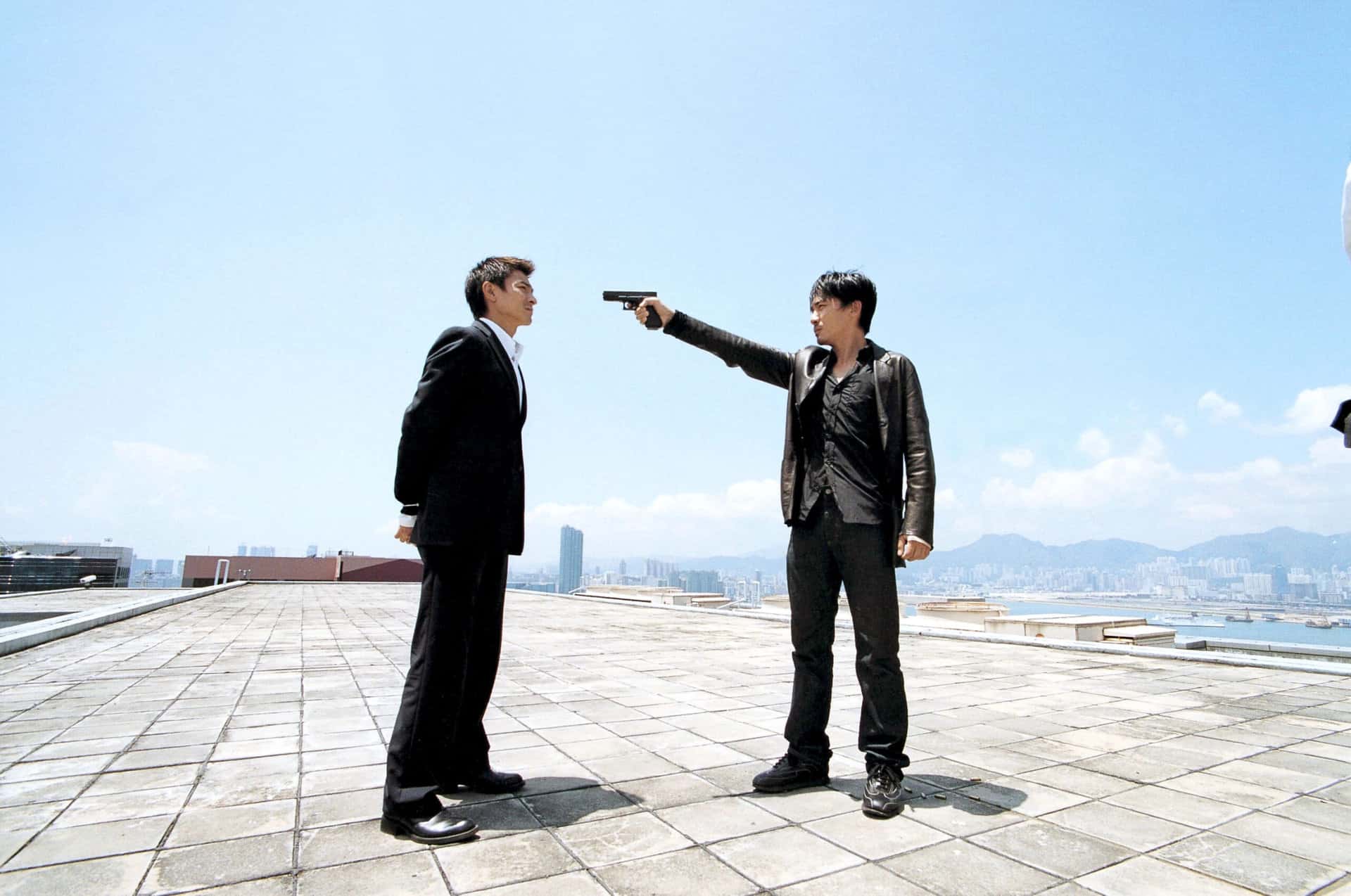
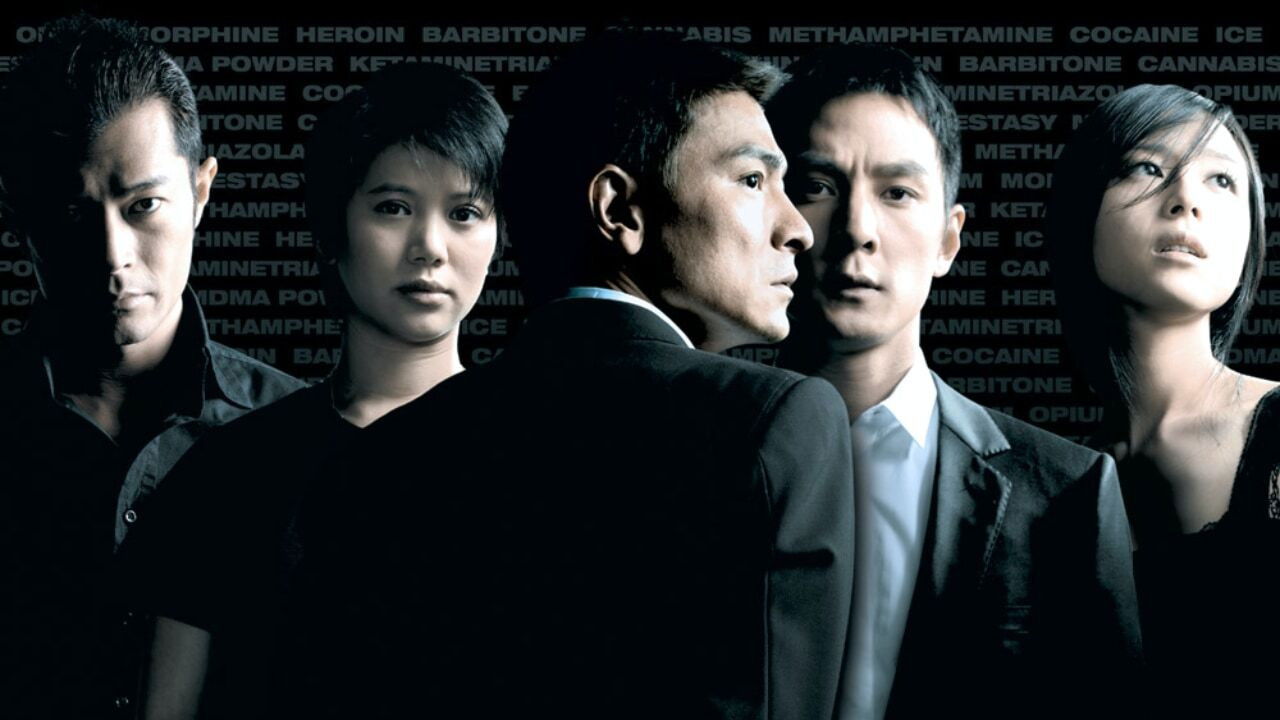
Andrew Lau and Alan Mak’s "Infernal Affairs" is widely regarded as a landmark achievement in Hong Kong crime cinema, its influence extending to Martin Scorsese’s Academy Award-winning remake, "The Departed." The film presents a masterful narrative duality, centering on two moles: Lau Kin-ming, an undercover police officer embedded within a Triad organization, and Chan Wing-yan, a Triad mole within the police force. Both men are tasked with gathering intelligence on their respective targets, leading to a tense, intricate cat-and-mouse game where their true identities are constantly at risk of exposure. The film’s profound exploration of identity crisis, the psychological strain of prolonged deception, and the blurring of moral lines between law and lawlessness sets a high bar for the genre. The dual performances of Andy Lau and Tony Leung are particularly lauded, capturing the profound internal conflicts of characters caught between two worlds. The film’s critical and commercial success underscored the global appetite for sophisticated crime thrillers that delve into the complexities of human psychology.
3. Protégé (2007, Hong Kong)
Derek Yee’s "Protégé" offers a more somber and morally corrosive perspective on the undercover narrative, shifting the focus from action to the insidious erosion of identity through deep immersion in the drug trade. The story follows Nick, an undercover officer who has spent years rising through the ranks of a powerful drug lord’s organization, becoming his trusted lieutenant. As the operation nears its climax, Nick finds himself increasingly entangled not only in the illicit operations but also in the human devastation left in their wake, particularly through his developing connection with a drug-addicted woman and her child. "Protégé" masterfully portrays the undercover role not merely as a police mission but as an existential trap. Nick’s proximity to the drug lord gradually blurs the lines between duty and personal identification, while Yee’s unflinching realism in depicting the underworld makes every transaction, relapse, and revelation profoundly devastating. The film eschews the typical heroic portrayal of an infiltrator, instead emphasizing the protagonist’s discomfort, moral ambiguity, and the impossibility of escaping the experience unscathed. This bleak and incisive portrayal cements "Protégé" as one of Hong Kong cinema’s most potent and unsettling undercover thrillers.
4. The Stool Pigeon (2010, Hong Kong)
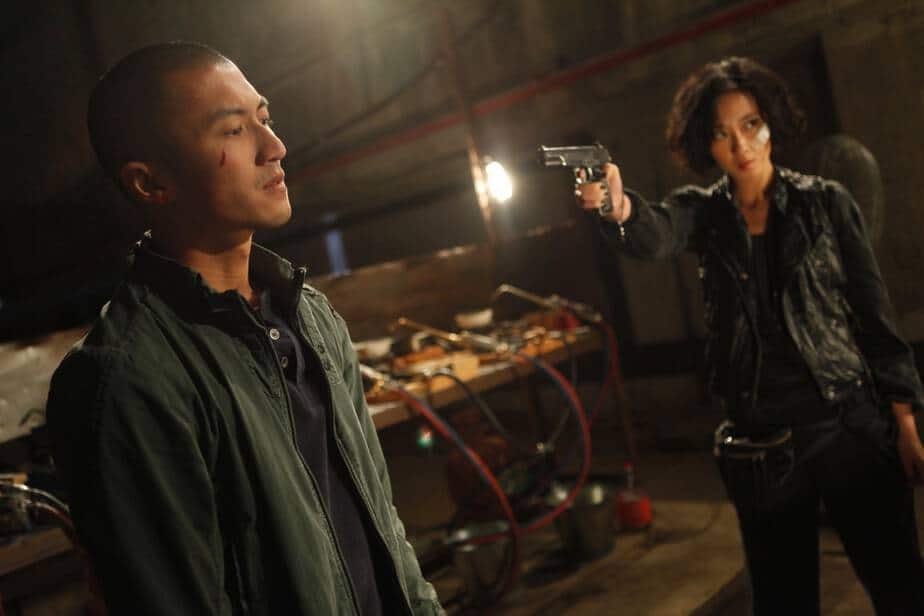
Following the critical acclaim of his 2008 film "Beast Stalker," director Dante Lam aimed to recapture that success with "The Stool Pigeon." While reuniting stars Nick Cheung and Nicholas Tse, and adding Gwei Lun-mei, the film is characterized by its melancholic tone and melodrama, presenting a more introspective look at the consequences of undercover work. The narrative centers on Inspector Don Li, who leverages a criminal informant to dismantle a notorious gangster’s operation. When the raid results in severe repercussions for the informant, Li grapples with guilt but continues his morally questionable tactics. To replace his informant, he recruits Ghost Jr., a soon-to-be-released prisoner, promising him financial rewards for infiltrating a jewelry heist crew. As Ghost Jr. embeds himself within the gang, his mission becomes increasingly complicated by the personal connections he forms, highlighting the emotional and ethical compromises inherent in his role. The film underscores the personal sacrifices and moral compromises made by those operating in the shadows, often with devastating personal consequences.
5. Drug War (2012, China)
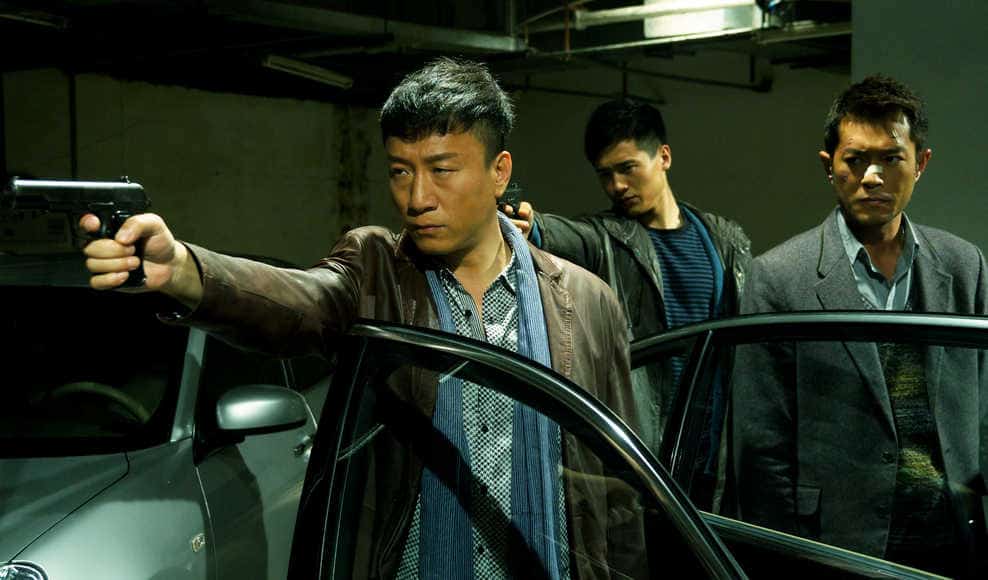
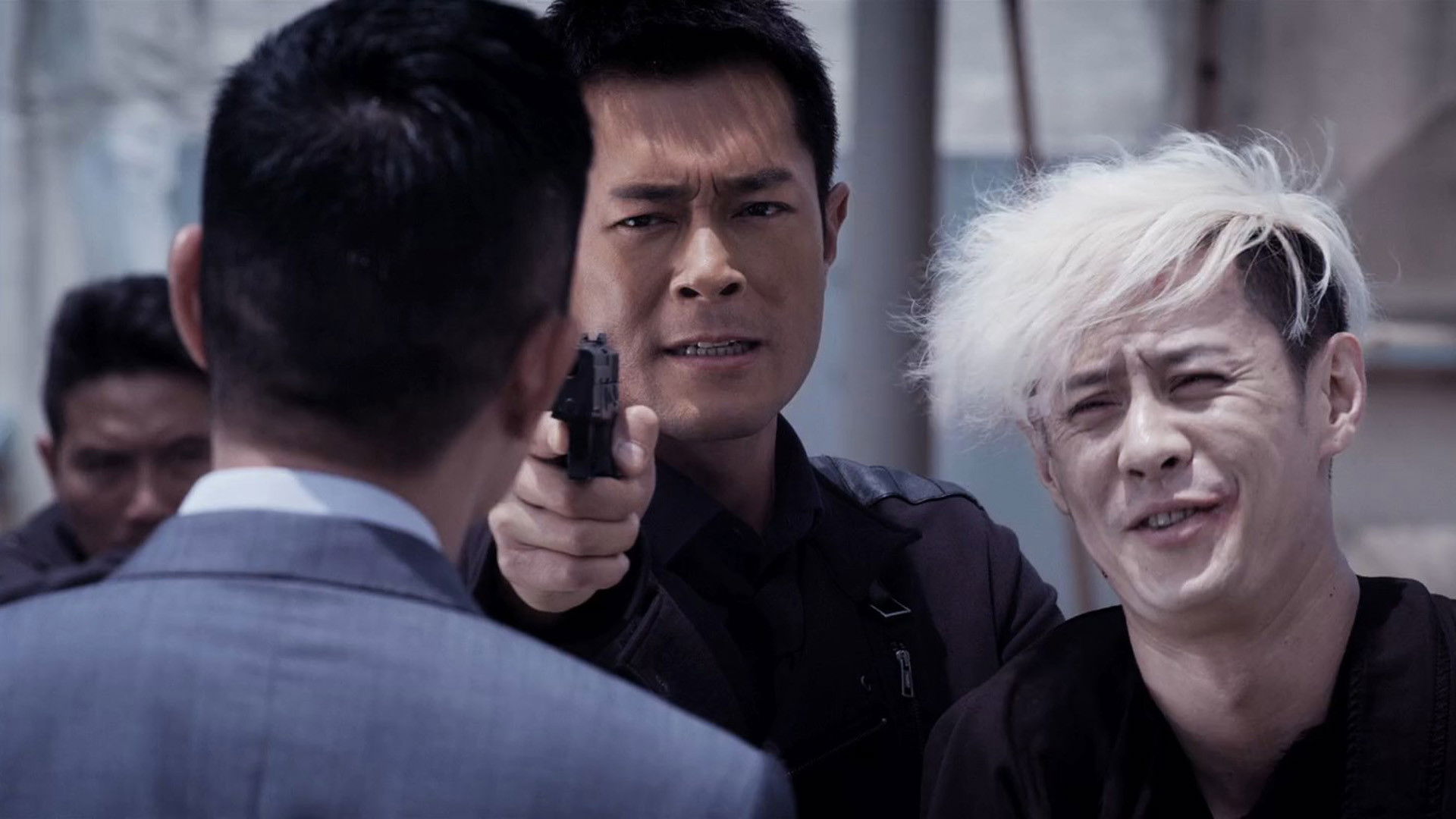
Johnnie To’s "Drug War," a recipient of multiple awards including Best Picture and Best Director at the Chinese Film Media Awards, marked a significant shift as his first feature entirely shot in mainland China. The film plunges into the grim realities of drug trafficking and law enforcement through the uneasy alliance between Captain Zhang Lei and Timmy Choi, a mid-level criminal apprehended after a car accident. To evade the death penalty, Choi agrees to cooperate with Zhang, leading the police through a labyrinthine network of the drug syndicate. As Zhang and his partner pose as criminals to infiltrate the organization, Choi remains a volatile and unpredictable element, appearing compliant but always harboring hidden intentions. To directs an excruciatingly tense thriller where the lines between law enforcement and criminality are constantly tested. The tension is amplified by Louis Koo’s performance as Choi, exuding a persistent sense of unease, a man who appears submissive but clearly has his own agenda. The film does not shy away from depicting law enforcement in stark terms, their methods often mirroring the brutality of their adversaries, while subtle commentary on capital punishment adds a somber undertone. "Drug War" is a masterclass in suspense and a stark portrayal of the moral compromises made in the fight against organized crime.
6. New World (2013, South Korea)
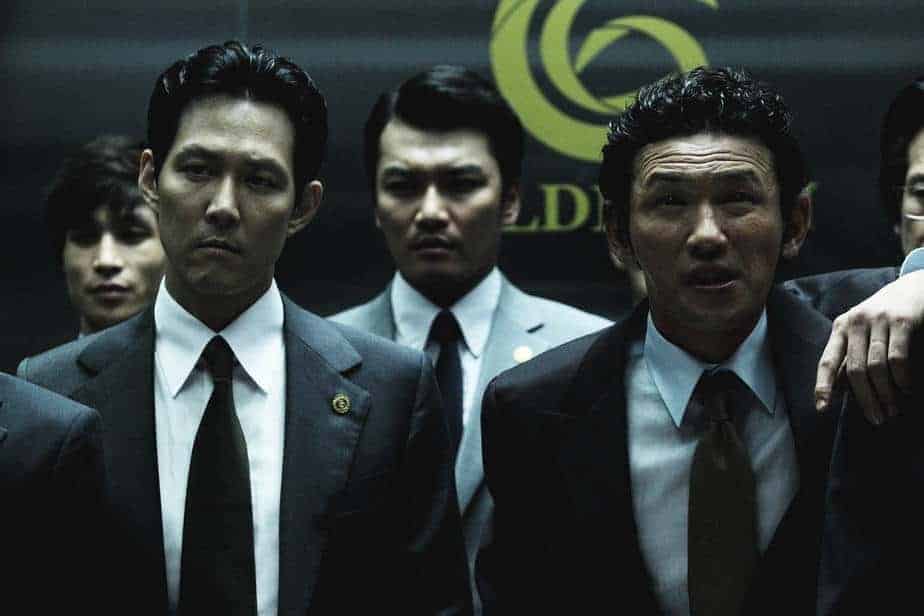
Park Hoon-jung’s "New World" is a critically acclaimed South Korean crime thriller that masterfully explores the complexities of loyalty and deception within a powerful crime syndicate. The narrative follows Ja-sung, an undercover police officer who has meticulously climbed the ranks to become the right-hand man of Jung Chung, the second-in-command of the organization. When the top leader is killed, a brutal power struggle erupts between Jung Chung and Joong-gu, escalating into open conflict. Ja-sung, nearing the end of his undercover assignment, is compelled to continue his role as his handler, Kang Hyung-chul, seeks to manipulate the leadership selection to install a puppet. This manipulation creates immense pressure on Ja-sung, forcing him to navigate a perilous game of survival. The film is lauded for its intense violence, anti-hero protagonists, impressive action sequences, and stylish portrayal of gangsters. However, its true strength lies in its characters and the constantly shifting dynamics of their relationships within a deadly power struggle. Lee Jung-jae delivers a compelling performance as the perpetually anxious Ja-sung, while Hwang Jung-min shines as the complex Jung Chung, and Choi Min-sik portrays a police officer who bears striking resemblances to the criminals he pursues. "New World" is a testament to South Korea’s prolific output of high-quality crime cinema.
7. The White Storm (2013, Hong Kong)
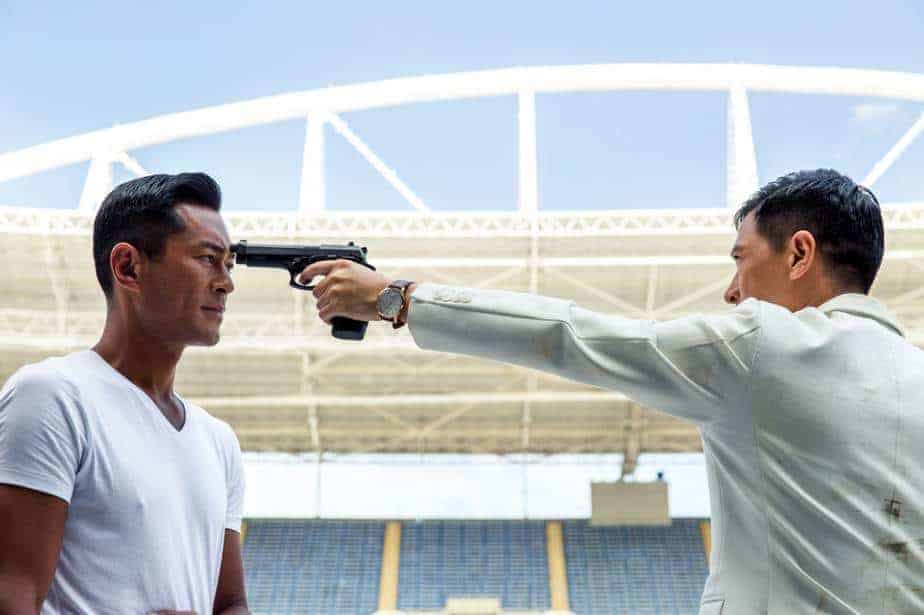
Benny Chan’s "The White Storm" presents a narrative centered on three lifelong friends who find themselves on opposing sides of the law, all involved in the fight against a powerful drug cartel. Tin, the superior officer, is tasked with leading the operation against the elusive Eight-Faced Buddha. His childhood friends, Chow, an undercover narcotics officer, and Wai, who works to maintain order, find their brotherhood tested by the immense pressure and moral compromises of their dangerous mission. As the trail leads to a significant operation in Thailand, the bonds of friendship are pushed to their breaking point. The film delivers intense action sequences reminiscent of John Woo’s heroic bloodshed, culminating in a pivotal scene where one of the three friends must make a life-altering decision that irrevocably alters their destinies. The film’s strength lies in its star-studded cast, featuring compelling performances from Louis Koo, Sean Lau, and Nick Cheung, whose collective star power and commitment to their roles elevate the narrative and ensure its appeal to fans of the genre. The emotional weight of their fractured brotherhood forms the dramatic core of the film.
8. The Mole Song: Undercover Agent Reiji (2014, Japan)
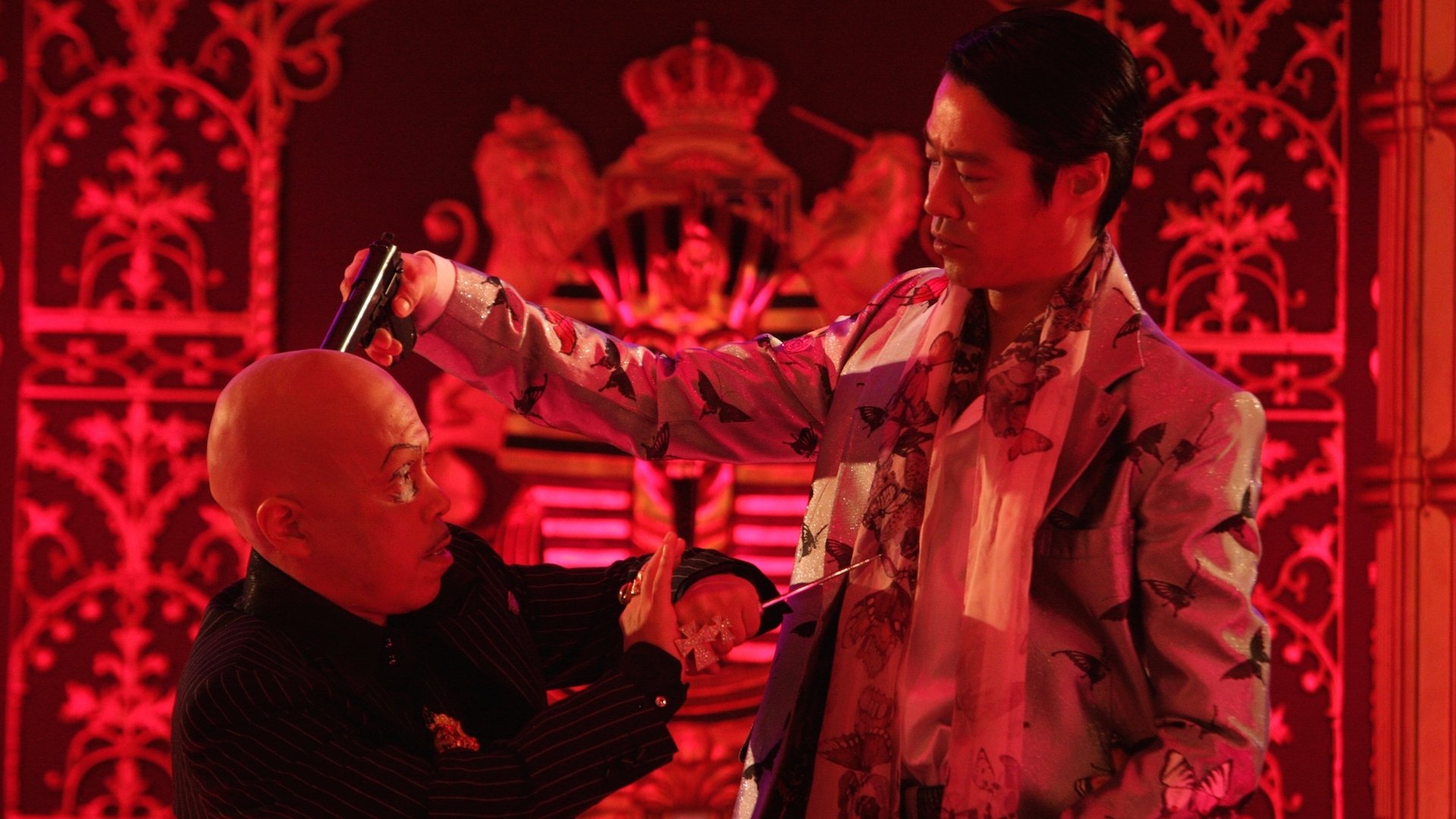
Takashi Miike’s "The Mole Song: Undercover Agent Reiji" injects a dose of outlandish humor and hyper-stylized action into the undercover genre. Reiji, portrayed as perhaps the most inept officer in the Japanese police force, is thrust into a perilous mission to infiltrate the notorious Sukiya-kai yakuza clan, suspected of collaborating with the Russian mafia in a large-scale MDMA smuggling operation. The film opens with a comically absurd scene that immediately establishes its over-the-top tone. Miike embraces a garish, flamboyant aesthetic, characteristic of its manga origins, delivering relentless, adrenaline-fueled action punctuated by genuinely silly and hilarious slapstick gags. The film doesn’t strive for intellectual depth but offers unashamedly entertaining cinema. A melodramatic spotlight is placed on the evolving bromance between Reiji and Crazy Papillon, a yakuza member, which becomes pivotal to the plot. Ikuta Toma’s histrionic performance anchors the film, making it an engaging and well-directed action-comedy that stands as a proud addition to Miike’s repertoire of light entertainment.
9. Line Walker (2016, Hong Kong)
Jazz Boon’s "Line Walker" blends the cinematic style of Johnnie To with the narrative complexity of "Infernal Affairs" and a touch of John Woo’s heroic bloodshed, prioritizing entertainment value. The premise involves a Hong Kong police chief who maintains a ledger of all undercover agents’ identities. Before his murder, he deletes the files, leaving many agents operating without the force’s knowledge. Agent Ding Siu-ka and her handler Inspector Q work diligently to uncover the remaining undercover operatives, particularly Blackjack, an agent embedded within Hong Kong’s most notorious drug syndicate. When they identify Shiu as a potential suspect, the situation escalates into a perilous game of deception and betrayal. The film effectively builds suspense around the mystery of Blackjack’s identity, while the humorous interactions between Q and Siu-ka, hinting at a romantic connection, provide welcome comedic relief. The tension surrounding the discovery of moles and the ensuing violence within Tung Pak-ho’s triad adds a compelling layer of intrigue. The film’s crisp editing, Chin Kar-lok’s exceptional stunt coordination, and well-placed slow-motion sequences contribute to impressive action scenes. The strong casting, including Francis Ng, Charmaine Sheh, Nick Cheung, and Louis Koo, solidifies "Line Walker" as an entertaining, albeit not a masterpiece, entry in the genre.
10. The Merciless (2017, South Korea)
Byun Sung-hyun’s "The Merciless" reinvents the South Korean gangster genre by focusing on the complex relationship between veteran actor Sol Kyung-gu as Han Jae-ho and Im Si-wan as Jo Hyun-soo. The two men meet in prison, where Jo prevents a hit on Han, forging a bond through their shared experiences of violence. The film’s central enigma lies in Jo, whose outwardly brutal demeanor appears to mask a profound vulnerability that he attempts to suppress through escalating acts of violence. This creates an immoral anti-hero for whom even the homosocial bonds of the gang are insufficient to guarantee loyalty. The film’s cinematography is exquisite, utilizing a tonality of difference to mirror the theme of surfaces versus hidden depths. The color palette oscillates, distinguishing between overlapping timelines. The action is consistently motivated, and the camera work is dynamic without being intrusive. Im Si-wan delivers an outstanding performance, seamlessly blending the vulnerable and violent aspects of his character, making "The Merciless" a prime example of South Korean cinema at its finest.
11. BuyBust (2018, Philippines)
Erik Matti, a prominent figure in Filipino cinema known for works like "On the Job" and "Honor Thy Father," further solidifies his genre filmmaking prowess with "BuyBust." This massive production features hundreds of stuntmen and extras in its portrayal of Nina Manigan, an elite anti-narcotics officer tasked with a perilous operation in Manila’s slums. Accompanied by a specialized team and a captured asset, Teban, they attempt a buy-bust against a powerful drug syndicate. However, the mission quickly descends into chaos as they find themselves surrounded and betrayed from within. While the narrative initially builds tension, the film transforms into a relentless barrage of visceral violence, showcasing hand-to-hand combat, firearms, and improvised weaponry. Matti subtly incorporates commentary on the War on Drugs and police corruption, though these themes are often overshadowed by the sheer intensity of the action. Neil Derrick Bion’s cinematography creates a claustrophobic atmosphere, enhanced by dynamic color schemes, while Jay Halili’s editing ensures a rapid pace that perfectly complements the film’s aesthetics, particularly in extended single-take fight sequences.
12. Extreme Job (2019, South Korea)
Lee Byeong-heon’s "Extreme Job" emerges as a triumphant fusion of action and comedy, excelling on both fronts with its blend of tension, humor, satire, and social insight. The plot follows a team of seemingly incompetent narcotics detectives, led by the jaded Captain Ko, who are tasked with infiltrating a notorious gangster’s operation. Their stakeout is established in a failing fried chicken joint across the street from the target’s hideout. The plan to buy the establishment takes a hilariously unexpected turn when the chicken business experiences a sudden surge in popularity, thanks to Detective Ma’s culinary skills. What begins as a financial boon for the detectives threatens to derail their investigation. The film transitions from physical comedy to smart situational humor, culminating in a riotous blend of laugh-out-loud moments and choreographed violence. "Extreme Job" operates on multiple levels, its pacing masterfully employed not to mask plot holes but to create an engaging rhythm. It stands as an enormous success and a contender for one of the most hilarious comedies in recent years.
13. The Prison (2019, South Korea)
Na Hyun’s "The Prison" offers a compelling narrative that initially unfolds as a crime drama before revealing a significant plot twist. The incarcerated Jung Ik-ho commands a powerful crime syndicate from within prison, dispatching fellow inmates for nightly criminal activities across the country. Song Yoo-gun, a former police officer with a perfect arrest record, is sent to prison on a hit-and-run charge, where he eventually joins the syndicate and begins to ascend through its ranks. The film’s power lies in its deliberate pacing, allowing the audience to become invested in Yoo-gun’s rise within the criminal organization before the revelation of his true identity as a mole. Despite the spoiler inherent in its inclusion on this list, "The Prison" is a strong film, characterized by well-executed set pieces, robust performances, and high production values. Han Suk-kyu and Kim Rae-won deliver impressive performances, and the twist, while perhaps not entirely unpredictable, is handled with considerable deftness, making it a worthy addition to the genre.
The enduring popularity of the undercover operative in Asian cinema speaks to its capacity to explore fundamental human experiences—the struggle for identity, the burden of secrets, and the often-unseen battles waged in the pursuit of justice or survival. These films, spanning diverse genres and cultural contexts, continue to captivate audiences by delving into the complex psychology and thrilling narratives that emerge when individuals are forced to live a lie.