

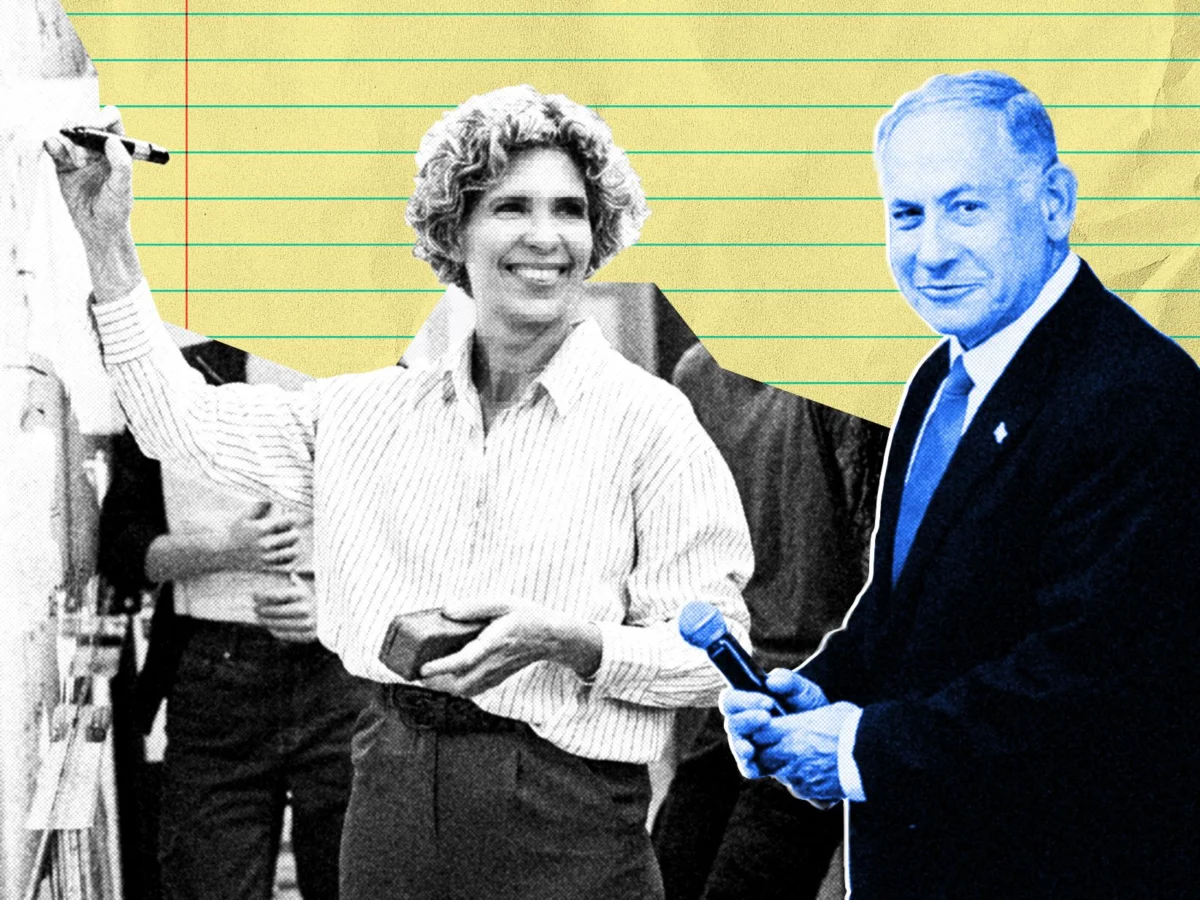
The emergence of sophisticated generative artificial intelligence has fundamentally altered the landscape of adolescent social dynamics, transforming traditional high school pranks into high-stakes digital campaigns that threaten the reputations of educators. In recent months, a burgeoning trend known as "slander pages" has proliferated across platforms like TikTok and Instagram. These accounts, often managed anonymously by students, utilize AI-driven video synthesis to place teachers and school administrators in compromising, absurd, or offensive scenarios. One prominent example features a video of a school superintendent lip-syncing a love song alongside AI-generated likenesses of Israeli Prime Minister Benjamin Netanyahu and the deceased sex offender Jeffrey Epstein. The clip, which appeared on an Instagram account titled @thewyliefiles, has garnered over 107,000 likes, signaling a shift from localized schoolyard mockery to a viral phenomenon with global reach.
The Technological Mechanism of Modern Slander
The primary driver behind this wave of content is the rapid democratization of image-to-video AI tools. Specifically, platforms such as Viggle AI have become central to the "slander page" ecosystem. Viggle AI allows users to superimpose a static photograph of a person onto a reference video, effectively animating the subject to perform dances, lip-sync to audio, or mimic specific physical movements. By February 2024, Viggle AI reported a user base exceeding 40 million, highlighting the scale at which these tools are being utilized.
While these tools are marketed for creative expression, academic and security researchers have raised alarms regarding their misuse. The Global Network on Extremism and Technology (GNET), an arm of King’s College London, recently characterized the exploitation of Viggle AI as a "new frontier in the creation of spontaneous extremist propaganda." In the context of secondary education, this technology allows students to bypass traditional content moderation filters by creating "deepfake" style content that, while often satirical in intent, can carry devastating professional and personal consequences for the subjects involved.
A Chronology of Escalation: From Local Jokes to National Containment Breach
The evolution of these slander pages typically follows a specific trajectory of escalation. Initially, accounts are created to share "inside jokes" within a specific school community. However, the algorithmic nature of TikTok and Instagram often pushes this content to a wider audience, leading to what researchers call a "containment breach."
In the case of Wylie Independent School District in Collin County, Texas, the @thewyliefiles account began by posting memes about the district’s faculty. The content quickly evolved to include captions generated by large language models (LLMs) that mimicked official school communications while using the likenesses of controversial public figures to drive engagement. The admin of the page, a male student at Wylie High School, admitted in an anonymous interview that he strategically used names like "Epstein" and "Netanyahu" because they are "nodes of popularity" that trigger higher engagement from the platforms’ recommendation engines.
A more severe escalation occurred at Crandall High School, also in Texas. An account titled @crandall.kirkinator began posting AI-generated edits of local teachers. Unlike the Wylie incident, the Crandall content "broke containment," inspiring TikTok creators with hundreds of thousands of followers—who had no connection to the school—to join in the mockery. This resulted in a surge of real-world harassment. By late January, the account admin issued a statement claiming that teachers were being "harassed, spam-called, or emailed by random people." Although the admin claimed the account was "created as a joke," the situation escalated to the point where the account was voluntarily deleted, only to reappear briefly before being permanently removed from the platform.
The Linguistic Influence of the Manosphere and Extremist Subcultures
A defining characteristic of these slander videos is the integration of "looksmaxxing" lingo and extremist iconography. Terms such as "mogging" (dominating another through physical attractiveness) and "sub5" (a derogatory term for those deemed subhumanly ugly) have migrated from fringe "manosphere" forums—often associated with incel (involuntary celibate) communities—into mainstream student discourse.
Furthermore, some videos have been found to incorporate "Agartha" memes. In neo-Nazi occultism, Agartha is envisioned as a fictional subterranean realm inhabited by a "master race." In student-led slander videos, teachers are often edited with glowing white eyes to signify their "acceptance" into this realm or red eyes to signify their "denial." While students may view these symbols as merely "edgy" internet aesthetics, their roots in white supremacist ideology add a layer of ideological complexity and potential harm to the content.
In another instance, a video superimposed a teacher’s face over a clip of an individual experiencing a seizure in a bathroom, with a caption suggesting the individual was under the influence of fentanyl. This type of content moves beyond simple mockery into the realm of character assassination and the trivialization of substance abuse crises.
Institutional and Platform Responses
The response from educational institutions and social media conglomerates has been a mix of disciplinary threats and content moderation. April Cunningham, Chief Communications Officer for Wylie ISD, emphasized that while the district recognizes students’ interest in AI, it cannot come at the expense of educators’ reputations. "If we identify the student(s) responsible, they will face disciplinary action and possible legal consequences," Cunningham stated. She further noted that the district has established anonymous tip lines for reporting legitimate concerns about employee conduct, but emphasized that no such reports had been filed regarding the teachers targeted in the viral videos.
Meta, the parent company of Instagram, and TikTok have both asserted that their policies strictly prohibit bullying, harassment, and hateful conduct. A spokesperson for Meta confirmed that the company has removed several "slander" posts that violated its community standards. Similarly, TikTok stated it uses automated tools to catch and remove content that breaches its harassment guidelines. However, the sheer volume of content and the speed at which AI can generate new iterations present a significant challenge for human and automated moderators alike.
Broader Implications: The Death of Privacy and the "Digital Disconnect"
The rise of AI slander pages reflects a deeper sociological shift in how younger generations perceive identity and privacy. Dr. İdil Galip, a researcher at the University of Amsterdam who specializes in meme culture, suggests that students today are "socialized through the internet," viewing human faces—including those of their mentors—as raw material for content creation rather than as private identities.
"Your face isn’t yours; it’s the viewer’s, it’s the commenter’s to laugh about," Galip observed. This perspective creates a "digital disconnect," as described by Professor Geert Lovink, director of the Institute of Network Cultures. While the impulse to rebel against authority is a perennial aspect of adolescence, the power of AI to amplify that rebellion into a permanent, global digital record introduces a level of harm that previous generations of students could not achieve.
The long-term implications for the teaching profession are significant. As the recruitment and retention of educators already face challenges across the United States, the prospect of being subjected to AI-generated character assassination may further deter individuals from entering the field. For school districts, the challenge lies in balancing the enforcement of code-of-conduct policies with the reality of off-campus digital speech, often necessitating a reevaluation of what constitutes a "substantial disruption" to the learning environment in the age of generative AI.
As the technology continues to advance, the legal and ethical frameworks governing "deepfake" harassment remain in a state of flux. While some states have begun introducing legislation to criminalize non-consensual deepfakes, many of these laws are currently focused on sexually explicit content, leaving a grey area for the "satirical slander" currently targeting the American educational system. For now, the burden of defense remains with the schools and the individual educators who must navigate a digital landscape where their likeness can be hijacked with a few clicks.