



The Blue Trail, a compelling dystopian drama that captivated audiences and critics alike at the 75th Berlin International Film Festival, offers a poignant and prescient exploration of aging, societal control, and the enduring human spirit. Directed and co-written by acclaimed filmmaker Gabriel Mascaro, the film stars the remarkable Denise Weinberg as Tereza, a 77-year-old woman whose life takes an unexpected and defiant turn.
A Dystopian Vision of Elder Care and Resistance
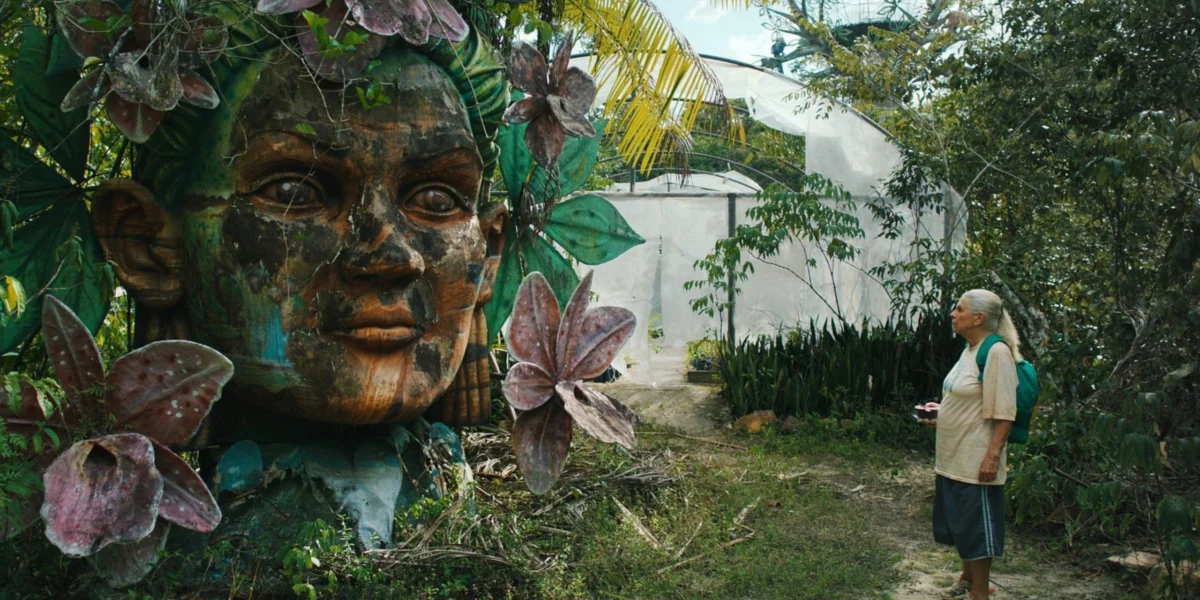
In a near-future society grappling with an expanding elderly population, the government mandates relocation policies designed to manage and potentially control its senior citizens. Tereza, facing mandatory retirement and placed under the guardianship of her daughter, finds herself at odds with these sterile, bureaucratic directives. Rather than comply with the prescribed move to a designated relocation center, Tereza embarks on a solitary, deeply personal journey through the vast expanse of the Amazon. This act of defiance is not merely a physical escape but a profound quest for autonomy and meaning in the twilight of her life.
The film’s narrative is rooted in a chillingly plausible societal trend. As global populations age and life expectancies continue to rise, many nations are facing unprecedented demographic shifts. The challenges of providing adequate care, housing, and social integration for a growing elderly cohort are becoming increasingly complex. "The Blue Trail" extrapolates these real-world concerns into a fictionalized future where governmental solutions, while perhaps well-intentioned on a macro level, can infringe upon individual liberty and dignity. The film raises critical questions about who controls the narrative of aging and whether societal "efficiency" can come at the cost of personal freedom and the right to self-determination.
World Premiere and Critical Acclaim at Berlinale 2025
"The Blue Trail" made its world premiere in the prestigious main competition of the 75th Berlin International Film Festival, held from February 10th to 20th, 2025. The festival, a globally recognized platform for cinematic excellence and artistic innovation, provides a crucial stage for international filmmakers to present their work to a discerning audience and industry professionals. The film’s inclusion in the main competition, a curated selection of the year’s most significant cinematic offerings, immediately signaled its artistic merit and thematic importance.
The jury’s decision to award "The Blue Trail" the Silver Bear Grand Jury Prize was a significant endorsement. This esteemed award, second only to the Golden Bear for Best Film, recognizes films that demonstrate exceptional artistic achievement and a powerful, resonant narrative. The jury’s commendation likely highlighted Mascaro’s masterful direction, the compelling performances of his cast, and the film’s ability to provoke thought and emotional engagement. The Silver Bear is often bestowed upon films that possess a unique vision and a significant impact, suggesting that "The Blue Trail" successfully struck a chord with the festival’s discerning panel.
Gabriel Mascaro: A Visionary Director
Gabriel Mascaro, a director known for his nuanced and visually striking approach to storytelling, co-wrote "The Blue Trail" with a clear thematic intent. His previous works have often delved into the complexities of human relationships, societal structures, and the interplay between the individual and their environment. This background undoubtedly informs the rich tapestry of "The Blue Trail," where the vast, untamed Amazon serves not only as a backdrop but as a character in itself, mirroring Tereza’s internal journey towards liberation.
Mascaro’s participation in discussions surrounding the film, as indicated by the accompanying interview, underscores his commitment to engaging with audiences and providing insights into his creative process. These conversations, whether in video or audio format, offer invaluable context, allowing viewers to understand the artistic choices, thematic inspirations, and challenges faced during the film’s production. The fact that he took the time to speak with Next Best Picture after such a significant premiere speaks to his dedication to fostering a deeper appreciation for his work.
A Journey Through the Amazon: Symbolism and Resilience

Tereza’s odyssey through the Amazon is far more than a simple relocation. It is a symbolic reclamation of agency and a profound connection with nature. The Amazon, with its immense biodiversity, its ancient rhythms, and its inherent wildness, represents a stark contrast to the sterile, controlled environments envisioned by the government. Her journey through this landscape can be interpreted as a search for primal truths, a rediscovery of self beyond societal impositions, and a testament to the enduring strength of the human spirit.
The visual potential of this setting is immense, allowing Mascaro to craft a film that is both thematically rich and visually arresting. The vastness of the rainforest can symbolize both the daunting challenges Tereza faces and the boundless possibilities of freedom. The flora and fauna, the changing light, and the natural sounds of the jungle can all contribute to a powerful sensory experience that amplifies the film’s emotional core.
Thematic Resonance and Societal Implications
"The Blue Trail" arrives at a time when conversations surrounding elder rights, the ethics of care, and the potential for technological or bureaucratic solutions to humanistic problems are more relevant than ever. The film serves as a cautionary tale, prompting viewers to consider the ethical boundaries of governmental intervention in personal lives, particularly for vulnerable populations.
The implications of the film’s dystopian premise are far-reaching:
- Individual Autonomy vs. Societal "Efficiency": The film directly confronts the age-old tension between individual liberty and the perceived needs of a collective society. It questions whether prioritizing efficiency and order can justify the erosion of personal choice and dignity.
- The Definition of "Care": "The Blue Trail" challenges the notion that "care" is solely defined by institutional provision. Tereza’s journey suggests that true care can also involve empowering individuals to find their own paths and maintain their sense of self.
- Intergenerational Relationships: The film subtly explores the dynamics between Tereza and her daughter, highlighting the complexities of family obligations, differing perspectives on aging, and the potential for misunderstanding when societal pressures intrude.
- The Power of Nature as a Catalyst: The Amazon acts as a transformative force, offering Tereza not just an escape but a profound opportunity for self-discovery and a re-evaluation of her life’s priorities.
Distribution and Exhibition
Following its successful festival run, "The Blue Trail" is now available for audiences to experience in select theaters. The film is currently playing in New York at the Angelika Theatre and in Los Angeles at the Landmark Nuart Theater, distributed by Dekanalog. This theatrical release provides a vital opportunity for the film to reach a wider audience and spark broader discussions about its compelling themes. The choice of independent theaters like the Angelika and Nuart suggests a deliberate effort to present the film in venues that cater to discerning cinephiles and those interested in thought-provoking cinema.
Supporting the Next Best Picture Podcast
The accompanying content highlights the Next Best Picture Podcast’s role in promoting and discussing films like "The Blue Trail." The podcast, a proud member of the Evergreen Podcasts Network, serves as a platform for in-depth analysis and interviews with filmmakers. Listeners are encouraged to subscribe, review, and support the podcast through platforms like Patreon, underscoring the importance of independent media in fostering a vibrant cinematic ecosystem. The embedded video further reinforces this, offering direct access to an interview with director Gabriel Mascaro, providing valuable context and insights into the making of "The Blue Trail." This integrated approach to content creation and distribution allows for a comprehensive engagement with the film, from critical review to direct filmmaker interaction.
Conclusion
"The Blue Trail" is more than just a dystopian film; it is a profound meditation on what it means to live with purpose and dignity, regardless of age or societal constraints. Gabriel Mascaro has crafted a visually stunning and thematically resonant work that challenges viewers to consider the future of aging, the nature of freedom, and the enduring power of the human spirit to forge its own path, even in the face of overwhelming societal pressures. The film’s recognition at the Berlin International Film Festival, coupled with its current theatrical release, positions it as a significant cinematic event and a vital contribution to contemporary discussions about our evolving world.