
The South by Southwest (SXSW) Film & TV Festival has officially commenced its 40th edition in Austin, Texas, signaling a significant milestone for one of the global entertainment industry’s most influential gatherings. Since its inception in 1987 as a music-centric event, SXSW has evolved into a massive convergence of media, technology, and culture. The 2026 lineup reflects this growth, boasting a rigorous selection of 119 feature films, including numerous world premieres that span high-concept genre fare, intimate independent dramas, and provocative documentaries. As the industry continues to navigate a landscape defined by shifting distribution models and the integration of artificial intelligence, the 2026 festival serves as a critical barometer for the current state of cinematic storytelling.
Historical Context and Economic Significance of SXSW
The 40th anniversary of SXSW arrives at a time when the festival’s economic and cultural footprint is larger than ever. Originally established to showcase local Austin talent, the festival now attracts over 300,000 attendees annually across its various tracks. According to recent economic impact reports, the festival contributes over $380 million to the Austin economy, supporting thousands of local jobs and cementing the city’s reputation as a "Silicon Hills" hub for creativity.
Over the decades, SXSW has become the preferred launching pad for independent films seeking distribution and major studio titles looking to build grassroots buzz. Notable past premieres range from Hurt Locker and Bridesmaids to Everything Everywhere All at Once, demonstrating the festival’s unique ability to bridge the gap between niche arthouse cinema and mainstream commercial success. The 2026 edition continues this tradition, prioritizing "buzzy" world premieres while maintaining a dedicated space for experimental "hidden gems."
Genre Fare and High-Profile Directorial Returns
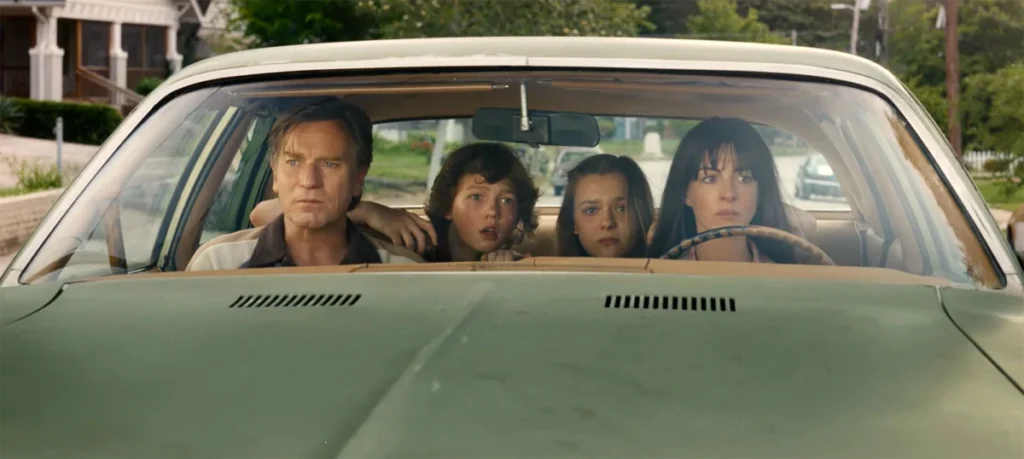
A primary pillar of the 2026 program is a strong emphasis on genre cinema, particularly horror and dark comedy. Irish filmmaker Damian McCarthy, who garnered critical acclaim for his low-budget debut Caveat, has transitioned to a larger stage with Hokum. This folk-horror project, set in a cursed rental house, has already generated significant online engagement following its trailer release. Distributed by Neon, Hokum is scheduled for a wide theatrical release just weeks after its Austin debut, highlighting a trend where distributors use SXSW as a high-velocity marketing springboard.
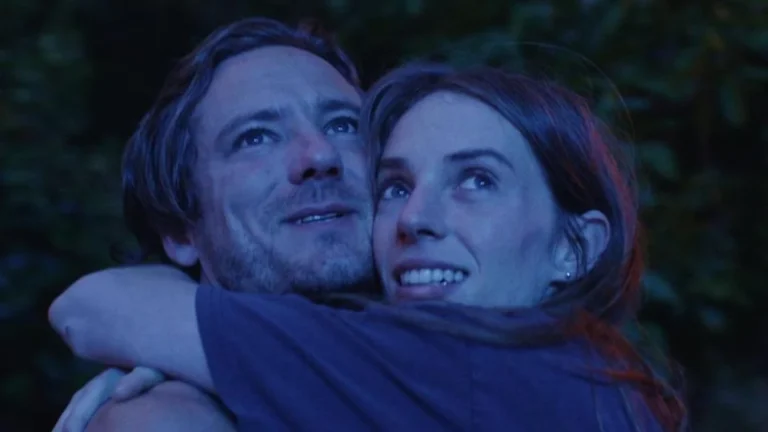
The festival also features the return of Jorma Taccone, a member of the comedy trio The Lonely Island. His latest directorial effort, Over Your Dead Body, marks his first feature since the 2016 cult classic Popstar: Never Stop Never Stopping. Starring Jason Segel and Samara Weaving, the film subverts the "cabin in the woods" trope by focusing on a fractured couple whose vacation descends into mutual assassination attempts. Weaving’s presence at the festival is doubled with the premiere of Ready or Not 2: Here I Come, the sequel to the 2019 sleeper hit directed by the filmmaking collective Radio Silence. These titles represent a broader industry move toward "elevated genre" films that combine visceral thrills with high-caliber acting and sharp social commentary.
Spotlight on Independent Visions and Print Features
Filmmaker Magazine has identified several key titles that will be featured in its forthcoming Spring 2026 print issue, emphasizing the deep connection between the publication and the festival’s independent core. Among these is I Love Boosters, the latest project from Boots Riley. Following the surrealist success of Sorry to Bother You and the episodic I’m a Virgo, Riley’s new film stars Keke Palmer and centers on a crew of professional shoplifters targeting a fashion mogul. Riley’s work continues to explore themes of labor, class struggle, and the "means of production," albeit through a uniquely absurdist lens.
Complementing the festival’s music track is Mile End Kicks, directed by Chandler Levack. Set within the vibrant Montreal music scene, the film arrives in Austin following its world premiere at the Toronto International Film Festival (TIFF). The narrative explores self-referential storytelling, a theme that will be further examined in a publicized dialogue between Levack and fellow filmmaker Sophy Romvari. This inclusion underscores SXSW’s role in the "festival circuit" lifecycle, providing a secondary platform for acclaimed international titles to find North American audiences and distributors.
The Intersection of Technology and Identity in Non-Fiction
The documentary slate at SXSW 2026 is characterized by a fearless exploration of personal identity and societal taboos. Adam’s Apple, a collaborative project between artist Amy Jenkins and her son Adam, offers a nuanced look at the trans experience. By utilizing twenty years of archival footage and allowing Adam to take control of the camera, the film avoids the "cisgender gaze" often found in transition-themed documentaries. This project highlights a shift toward more equitable and participatory documentary filmmaking practices.

In contrast, Daniel Lambroso’s Manhood investigates the fringes of the "looksmaxxing" subculture and the commercialization of male insecurity. The film follows bio-hacker Bill Moore as he tests experimental penis-enlargement procedures on diverse subjects, including an OnlyFans creator and a father of four. Executive produced by Penny Lane, a veteran of the independent documentary scene, Manhood analyzes body dysmorphia and emasculation anxieties within a modern digital context.
The historical documentary We Are the Shaggs, directed by Ken Kwapis, revisits one of the most polarizing stories in music history. The film chronicles the career of the Wiggin sisters, whose 1969 album Philosophy of the World was famously labeled "the worst album ever made" before being reclaimed as a work of avant-garde genius by figures like Frank Zappa and Kurt Cobain. Through interviews with surviving members, the documentary provides a definitive account of the sisters’ legacy nearly 60 years after their debut.
Speculative Narratives and the AI Frontier
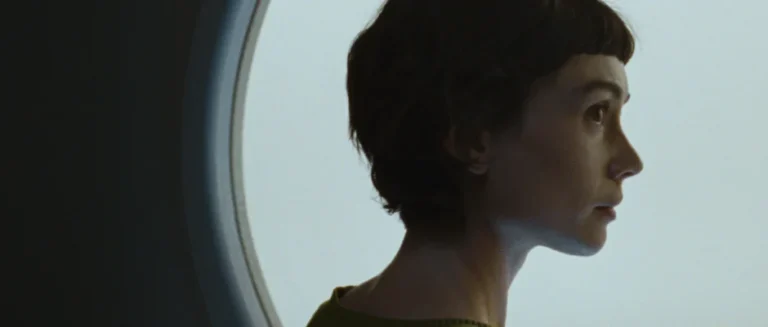
The 2026 festival also grapples with the rapid advancement of technology through speculative fiction. Alex Prager’s feature debut, DreamQuil, stars Elizabeth Banks and John C. Riley in a story set in a future where air quality issues have forced humanity into digital isolation. The film explores the "Carol Two" scenario—a virtual wellness retreat that results in an android replacement taking over a woman’s domestic life.
This theme of technological displacement is mirrored in the return of HBO’s The Comeback. The mockumentary series, starring Lisa Kudrow as the resilient Valerie Cherish, enters its third season after a ten-year hiatus. In this iteration, the show’s writers’ room includes a controversial new addition: Artificial Intelligence. By incorporating AI into its narrative, The Comeback continues its tradition of satirizing the entertainment industry’s most volatile trends, reflecting real-world tensions that led to the historic 2023 WGA and SAG-AFTRA strikes.
Emerging Talent and the "Family Business" of Indie Film
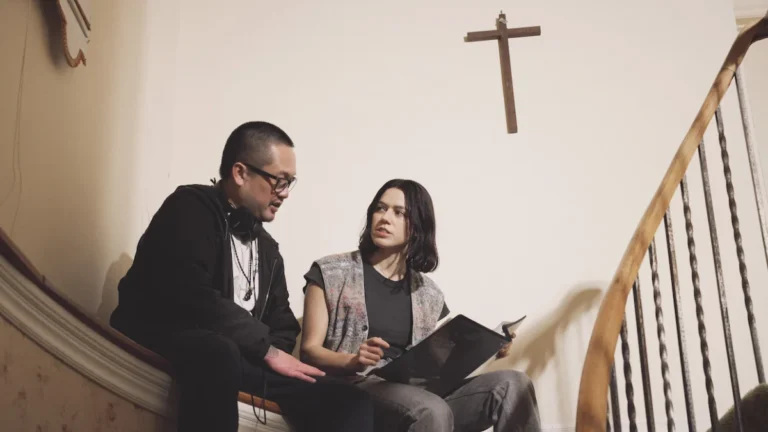
The Duplass brothers, long synonymous with the "mumblecore" movement and SXSW history, return with Their Town. Written by Mark Duplass, produced by Jay Duplass, and directed by Katie Aselton, the film introduces their daughter, Ora Duplass, in her debut role. Shot in Bangor, Maine, the dialogue-heavy drama focuses on two high school students wandering through an autumn night. The film adheres to the lo-fi aesthetic that defined the brothers’ early careers while updating its thematic concerns for a new generation.
The rise of new voices is further exemplified by Meredith Alloway’s Forbidden Fruits. Executive produced by Diablo Cody and based on Lily Houghton’s stage play, the film is a "pagan pastiche" set in a Houston mall boutique. Starring Lili Reinhart and Alexandra Shipp, the film pays homage to the "bitchy teen comedies" of the early 2000s while introducing a supernatural, coven-centric twist. This project represents a full-circle moment for Alloway, a longtime contributor to the film criticism community now making her mark as a director.
Industry Implications and Future Outlook
As the 40th SXSW Film & TV Festival progresses, the industry implications are clear. The festival remains a vital ecosystem for the survival of mid-budget independent films. In an era where streaming platforms are increasingly selective and theatrical windows are shrinking, the curated platform of SXSW provides the necessary cultural capital for films to stand out.
The inclusion of panels such as "Youth in Front and Behind the Cameras" on March 13th further emphasizes the festival’s commitment to professional development and the next generation of filmmakers. By facilitating dialogues between established figures like the Duplass family and rising stars like Ora Duplass and Dempsey Bryk, SXSW ensures the continuity of the independent film spirit.
Ultimately, the 2026 edition of SXSW reinforces Austin’s position as a global center for creative innovation. Whether through the exploration of trans identity, the satire of AI-driven writers’ rooms, or the revival of cult music legends, the festival continues to prove that even after 40 years, it remains at the forefront of the cultural conversation.