


The recent recognition of Ayushi A. Shah’s latest cinematic endeavor, "Strange Things Will Happen," at international film festivals underscores a burgeoning talent within the South Asian filmmaking community. Based in New York City, Shah, an award-winning writer and filmmaker, has been steadily building a portfolio of impactful projects, attracting attention for her nuanced storytelling and visual artistry. Her previous collaborations with esteemed institutions and brands, including The Juilliard School, The Drama League, Bloomberg, Unspeakable Vlogs Inc., and eos, attest to her versatility and growing influence. This latest work, "Strange Things Will Happen," which has been a focal point within the "Submit Your Film" Initiative, offers a profound exploration of internal struggle and the search for solace.
A Glimpse into Hannah’s World: The Narrative Unfolds
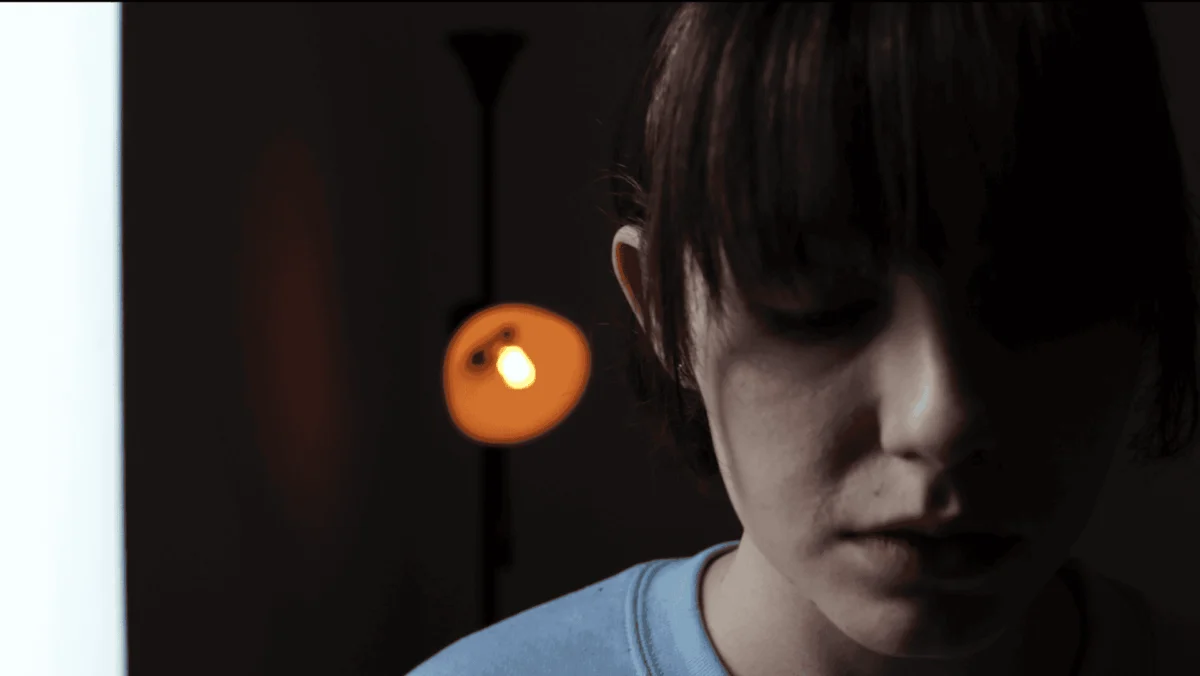
"Strange Things Will Happen" plunges the viewer directly into the intimate, and at times unsettling, reality of its protagonist, Hannah. The film opens with a stark, close-up shot of Hannah, dressed in a simple blue shirt, engaged in an intense, one-sided conversation. The initial dialogue suggests a strained interaction, particularly when she is prompted to repeat herself. This charged moment is soon juxtaposed with the ambient sounds of domesticity – a woman singing upstairs, the rhythmic drip of a shower – creating an atmosphere of isolation within apparent proximity. It quickly becomes clear that Hannah is speaking to herself, her reflection in a mirror serving as her sole interlocutor. This realization amplifies her evident frustration, prompting her to disengage from the mirror and move to the kitchen.
In the kitchen, Hannah’s actions are marked by a quiet desperation. While performing mundane chores like washing dishes, she voices her complaints, her attention seemingly divided between her immediate tasks and a podcast playing on her phone. The voice of an astronaut, discussing the vastness of space, provides an ironic counterpoint to her confined emotional state. Her subsequent attempt to mop another room only intensifies her palpable frustration, culminating in a sudden, almost involuntary act of hiding behind a chair, followed by a sharp, unbidden yell. This outburst suggests a deep-seated unease, a visceral reaction to an unseen presence or an overwhelming internal pressure.
Confronting Inner Demons: Anxiety and Isolation
The narrative takes a turn as Hannah’s actions reveal a profound sense of being observed, her gaze seemingly directed upwards, addressing a higher power, which she names as God, the ultimate witness. The sudden ringing of the doorbell escalates her anxiety to a palpable level. The possibility of it being Harold, a figure associated with potential confrontation or even legal repercussions, triggers a wave of panic. Her hyperventilation, a visceral manifestation of her fear, becomes a central visual element, underscoring the intensity of her internal turmoil. This period of extreme tension gradually subsides as Hannah retreats to her bed, attempting to find respite in sleep. However, her mind remains a battleground of relentless thoughts, preventing any true peace. The solace she finds is temporary, initiated by turning to music on her phone and beginning to dance to "Disco" by Surf Curse. The intrusion of a call from her mother offers a moment of genuine comfort, a lifeline amidst the storm.
The film’s conclusion offers a crucial revelation: Hannah is grappling with severe anxiety. Her isolation is further emphasized by the absence of friends and her regular attendance at therapy sessions. The effectiveness of the portrayal lies in Tyler St. Clair’s compelling performance, which masterfully navigates the sharp peaks of Hannah’s anxiety and the fleeting valleys of her emotional release. St. Clair’s nuanced portrayal captures the raw intensity of the character’s internal struggles. The film subtly suggests that Hannah’s immigrant status in the United States, possibly indicated by her accent, which hints at a British origin, might be an exacerbating factor in her psychological condition. This layer adds a dimension of societal pressure and the challenges of navigating a new environment while battling personal demons.
Mechanisms of Coping: Music, Therapy, and Connection
In the face of such profound internal challenges, "Strange Things Will Happen" highlights the vital role of various coping mechanisms. Music emerges as a powerful tool for emotional expression and release, as evidenced by Hannah’s dance to "Disco." Therapy sessions represent a structured approach to confronting and managing her anxiety, offering a path toward understanding and healing. Perhaps most significantly, the film underscores the restorative power of human connection. The phone call from her mother, even if distant, serves as a critical anchor, providing comfort and a sense of belonging. These elements – music, therapy, and familial support – are presented not as cures, but as essential sources of relief, offering Hannah moments of respite from her overwhelming struggles.
Cinematographic and Auditory Landscape
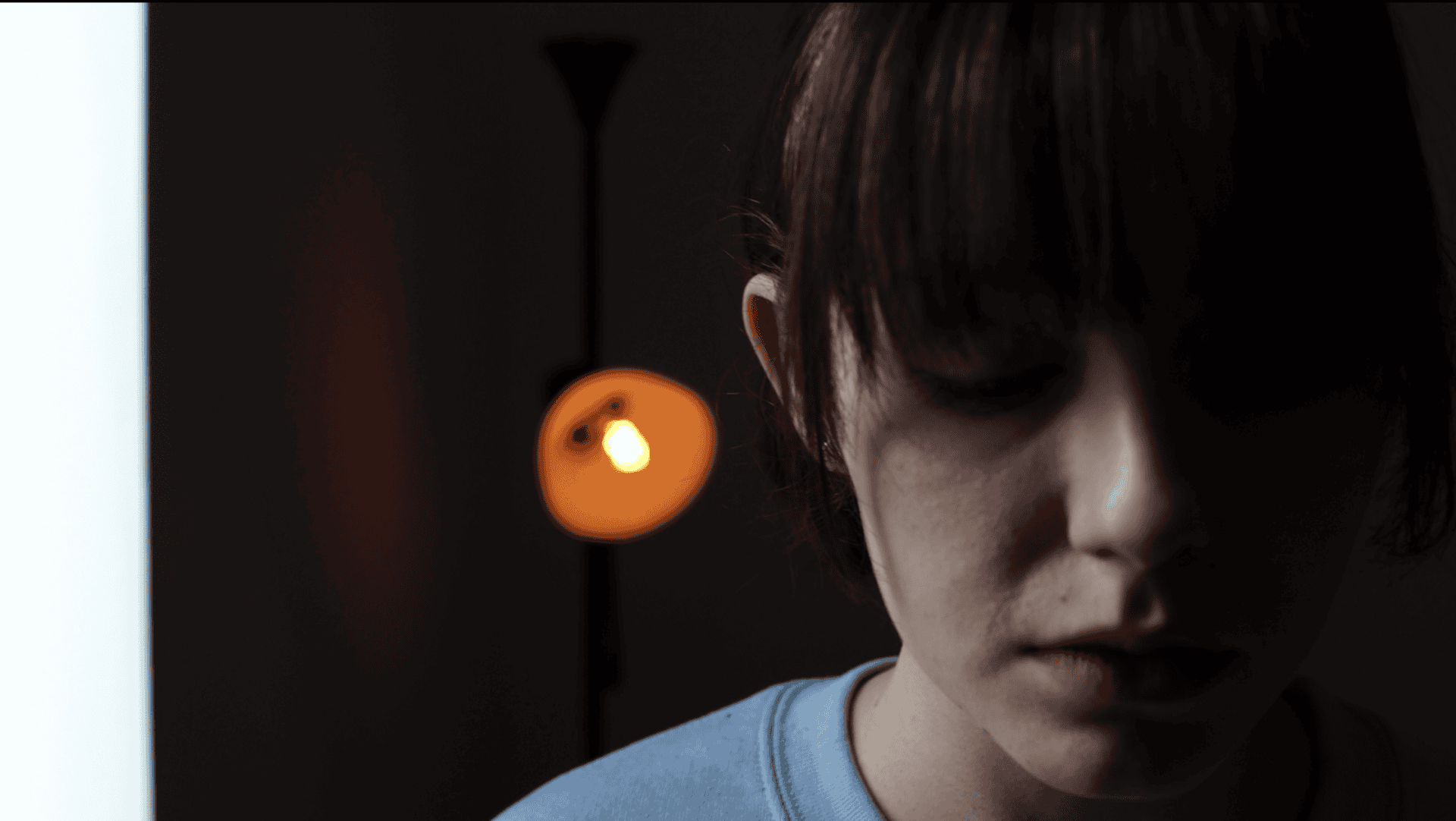
The visual execution of "Strange Things Will Happen" is a significant asset to its narrative impact. Srivathsan Selvarajan’s cinematography effectively captures the claustrophobic yet intimate atmosphere of Hannah’s apartment. The judicious use of close-ups heightens the emotional resonance of key scenes, drawing the audience deeper into Hannah’s subjective experience. The recurring use of blue tones throughout the film is not merely an aesthetic choice but contributes to the overall mood, often evoking feelings of melancholy and introspection. The framing of the protagonist is also a testament to Selvarajan’s skill, consistently enhancing the emotional weight of her presence on screen. Complementing the visuals, Ayushi A. Shah’s editing is described as competent, with cuts that skillfully mirror the fragmented and often disorienting nature of Hannah’s mental state.
However, the film encounters some challenges in its auditory department. The sound design, particularly concerning the clarity of dialogue, is noted as being somewhat problematic. Given the narrative’s heavy reliance on Hannah’s speech to convey her internal monologue and emotional state, instances where her words are not clearly audible detract from the overall immersion. Conversely, the musical score, characterized by its piano and violin elements, is lauded for its appropriateness and its ability to enhance the viewing experience, providing an emotional undercurrent that resonates with Hannah’s journey.
Artistic Merit and Broader Implications
Despite its technical imperfections, particularly in sound, "Strange Things Will Happen" is recognized for its substantial thematic depth, the strength of its central performance, and its compelling visual approach. The film’s ability to transcend its technical limitations is a testament to Shah’s vision and the cohesive artistic effort involved. The raw, yet impactful, execution allows the film to resonate with audiences on an emotional level, offering an engaging portrayal of a deeply personal struggle.
The film’s inclusion within the "Submit Your Film" Initiative signifies a broader trend in the independent film circuit, where platforms are actively seeking out diverse voices and stories that address contemporary issues. The initiative itself, by providing a venue for emerging filmmakers to showcase their work, plays a crucial role in fostering artistic growth and expanding the cinematic landscape. The success of films like "Strange Things Will Happen" within such initiatives highlights the growing demand for authentic and character-driven narratives.
Thematic depth of "Strange Things Will Happen" prompts reflection on several broader implications. Firstly, it sheds light on the pervasive and often silent struggles with mental health, particularly anxiety, which affects a significant portion of the global population. The film’s portrayal of an immigrant protagonist navigating these challenges adds a critical layer, underscoring the unique pressures and vulnerabilities that can arise from cultural displacement and the search for belonging. Data from organizations like the World Health Organization consistently points to the rising global burden of mental health conditions, with anxiety disorders being among the most prevalent. According to a 2019 WHO report, approximately 284 million people globally suffered from anxiety disorders. The film’s depiction can serve as a catalyst for increased understanding and empathy towards individuals facing similar battles, potentially reducing stigma and encouraging open dialogue.
Furthermore, the film’s emphasis on the supportive role of therapy and familial connection reinforces the importance of social support systems and professional intervention in mental healthcare. The film implicitly advocates for a holistic approach to well-being, recognizing that resilience is often built through a combination of internal coping strategies, professional guidance, and strong interpersonal relationships. The normalization of seeking help, both through therapy and by leaning on loved ones, is a crucial message in contemporary society.
The film’s success at international film festivals, while not detailed with specific awards in the provided text, suggests a positive reception from critics and industry professionals. Such recognition can have significant implications for Ayushi A. Shah’s career, potentially opening doors to future funding, distribution opportunities, and collaborations. It also serves as an inspiration for other emerging filmmakers, particularly those from underrepresented backgrounds, demonstrating that compelling storytelling can gain international traction. The growing presence of South Asian talent in the global film arena, as exemplified by Shah’s work, is a positive development that enriches the diversity of cinematic narratives. The trajectory of artists like Ayushi A. Shah, who have successfully navigated projects for major institutions and are now making their mark with personal artistic statements, points towards a maturing independent film scene that values authenticity and thematic resonance.