


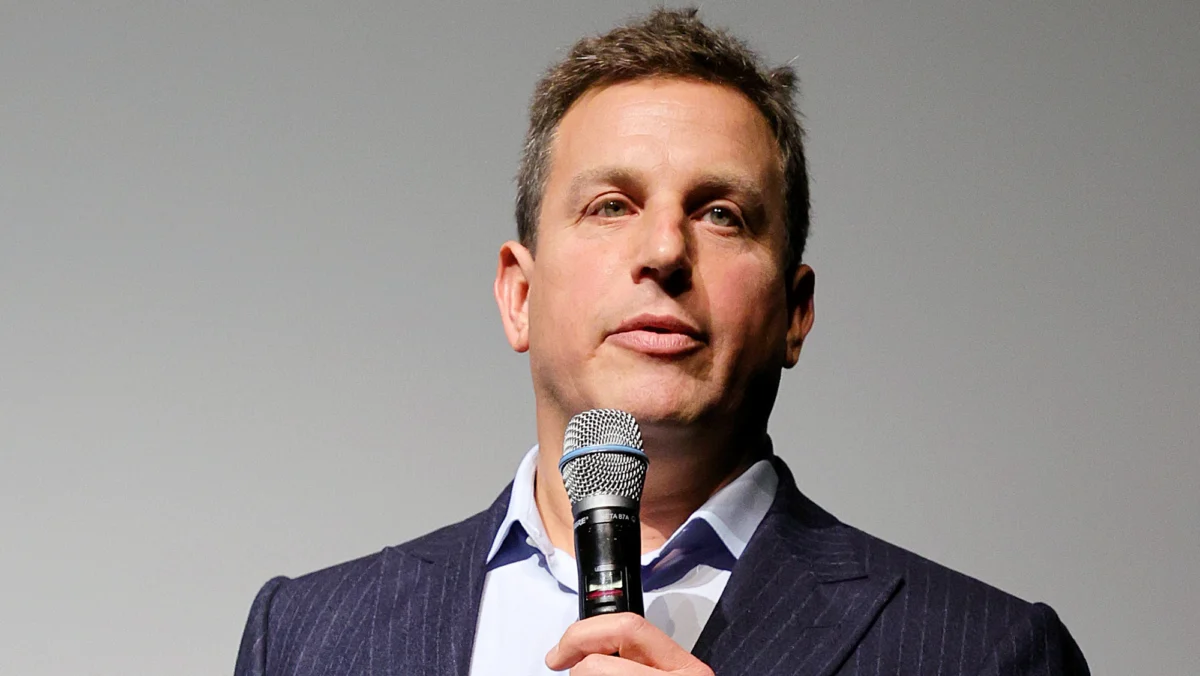
As Starz prepares to host its inaugural shareholder meeting as a newly independent, pure-play television production and streaming entity, the company has released detailed disclosures regarding the compensation packages for its top executives. This financial transparency comes at a pivotal moment for Starz, which recently spun off from its former parent company, Lionsgate, marking a significant strategic realignment in a rapidly evolving media landscape. The upcoming meeting, scheduled for May 15, will provide a crucial platform for the leadership to articulate its vision and strategy to investors, particularly in light of the executive pay structures and a forward-looking plan focused on digital transformation and potential mergers and acquisitions.
The Pure-Play Pivot: Navigating Post-Lionsgate Independence
The separation from Lionsgate, which officially concluded in December 2023, transformed Starz into a standalone, publicly traded company incorporated in British Columbia. This strategic unbundling was driven by a desire to allow both entities to pursue their distinct growth strategies with greater agility and focus. Lionsgate, now primarily focused on film and television studio operations, and Starz, a premium subscription streaming service and content producer, are charting independent courses in a highly competitive market. For Starz, this independence necessitates a sharpened focus on its core business: creating compelling, niche content and expanding its digital footprint globally. The "pure-play" designation underscores this strategic clarity, positioning Starz as a dedicated player in the premium entertainment subscription space, unencumbered by the broader complexities of a diversified studio conglomerate.
The backdrop to this transition is a media industry undergoing seismic shifts. The relentless "streaming wars," characterized by aggressive content spending and intense competition for subscriber attention, have pressured profitability across the sector. Many traditional media companies are grappling with cord-cutting trends, the rising cost of content production, and the challenge of scaling global direct-to-consumer businesses. In this environment, strategic consolidations, spin-offs, and innovative bundling approaches have become commonplace as companies seek sustainable business models. Starz’s leadership believes its new structure allows it to be a more agile and profitable participant in this dynamic landscape, capable of capitalizing on opportunities that might have been less accessible under the Lionsgate umbrella.
C-Suite Compensation: A Look at Leadership Incentives
The recently filed securities document, dated April 2, revealed the compensation details for Starz’s key executives, reflecting their roles in steering the company through this transformative period. Jeffrey Hirsch, who has been a veteran at Starz for a decade and assumed the chief executive officer role in 2019, received a comprehensive compensation package totaling $6.7 million. This sum encompassed his base salary, various performance-based incentives, and equity awards, underscoring a compensation philosophy often tied to strategic performance and long-term value creation. Significantly, Hirsch’s current contract extends through December 2028, signaling a strong vote of confidence from the board in his leadership and the strategic direction he is charting for the company over the medium term. Such long-term contracts are typical for CEOs in the entertainment industry, designed to provide stability and incentivize sustained performance.
Alison Hoffman, who holds the critical position of president, overseeing both content and revenue generation—two pillars of Starz’s business model—received $2.7 million. Her compensation reflects the dual responsibility of commissioning compelling programming and driving subscriber growth and retention. Scott Macdonald, the company’s chief financial officer, saw his total pay reach $2 million in fiscal ’25. The CFO’s role is particularly crucial in a spin-off scenario, involving the establishment of independent financial reporting, managing capital structure, and guiding the company’s fiscal discipline, especially as Starz embarks on a strategy of generating cash and maintaining disciplined leverage. These compensation figures, while substantial, are generally in line with industry standards for executives leading publicly traded entertainment companies of Starz’s size and strategic ambition, reflecting the high-stakes nature of their responsibilities in a competitive market.
Strategic Directives: Digital Transformation and M&A Ambitions
In a letter addressed to shareholders, Jeffrey Hirsch outlined a clear and ambitious strategic vision for Starz’s future. He acknowledged the rapid evolution of the media landscape but framed it as an environment rich with opportunities for "focused, profitable players like Starz." This statement is central to the company’s post-spin-off identity, emphasizing efficiency and a targeted approach rather than broad-based market saturation.
Hirsch highlighted Starz’s "highly capable tech stack" and a "proven playbook" for transitioning from a linear-first business model to a digital-led one. This digital transformation is paramount for any contemporary media company aiming for growth. It involves investing in robust streaming infrastructure, enhancing user experience, leveraging data analytics for content recommendations, and expanding direct-to-consumer capabilities globally. The "proven playbook" likely refers to Starz’s successful efforts in building its standalone streaming app and migrating subscribers from traditional cable bundles to its digital offerings. This transition is not merely operational; it’s a fundamental shift in how the company acquires, retains, and monetizes its audience.
Furthermore, Hirsch articulated Starz’s ambition to actively participate in industry M&A as a "buyer of complementary assets that align with our audiences." This statement suggests a proactive approach to growth beyond organic subscriber acquisition. Potential targets could include smaller niche streaming services with strong content libraries, content production companies that align with Starz’s genre focus (e.g., historical dramas, crime series, female-centric narratives), or even technology companies that could enhance its streaming capabilities. The emphasis on "complementary assets" and alignment with "our audiences" indicates a strategic focus on synergistic acquisitions that can expand Starz’s content offerings or geographical reach without diluting its brand identity. Crucially, this M&A strategy is to be executed "while maintaining disciplined leverage and generating cash," signaling a commitment to financial prudence and avoiding excessive debt, a lesson many media companies have learned the hard way in recent years. This balanced approach aims to ensure that growth is sustainable and value-accretive for shareholders.
Operational Adjustments: Workforce Streamlining and Content Spending Revisions
In preparation for its independent journey and to optimize its operational structure, Starz undertook significant internal adjustments. In March, the company implemented a workforce reduction, cutting 7 percent of its staff, which amounted to less than 40 employees out of a total of 517 across its offices in Santa Monica, New York, and Englewood, Colorado. This restructuring was described as a "shifting of resources," indicating a strategic reallocation of talent and focus towards areas deemed critical for the company’s future, particularly its digital-led strategy. Such workforce adjustments are not uncommon in the media industry, especially during periods of strategic transformation or economic uncertainty, as companies seek to streamline operations and enhance efficiency.
Concurrently with the workforce changes, Starz is also re-evaluating its content spending. CFO Scott Macdonald had previously indicated on an earnings call with analysts in February that the company planned to cut cash content spend this year. This move aligns with a broader industry trend where studios and streamers, after years of exorbitant spending in the race for subscribers, are now prioritizing profitability and return on investment for their content. For Starz, a more disciplined approach to content investment means focusing resources on proven franchises and strategically acquiring or developing content that resonates strongly with its core demographic, rather than engaging in a volume-driven content arms race. This fiscal prudence is directly linked to Hirsch’s stated goal of "generating cash" and maintaining "disciplined leverage," forming a cornerstone of Starz’s strategy as a "focused, profitable player."
Content Pillars and Output Partnerships: Fueling the Subscriber Base
As of December, Starz reported 17.63 million U.S. subscribers, a testament to the strength of its content strategy and brand appeal. The company’s subscriber base is primarily fueled by highly popular and critically acclaimed franchises. Foremost among these is Outlander, the epic historical drama which bowed its eighth season this year. Outlander has cultivated a dedicated global fanbase, becoming a tentpole series that drives subscriber acquisition and retention, particularly among female audiences. Another cornerstone is the Power universe, a crime drama that originated with a five-season run and has since expanded into multiple successful spinoffs, including Power Book II: Ghost, Power Book III: Raising Kanan, and Power Book IV: Force. These interconnected series create an expansive narrative universe that keeps viewers engaged within the Starz ecosystem, offering continuous fresh content.
Beyond its in-house productions, Starz significantly bolsters its content library and programming schedule through a robust network of output deals with major studios. These agreements provide a steady stream of licensed content, complementing Starz’s original programming and offering a diverse range of films and series to its subscribers. Currently, Starz has programming output deals with Universal, which extends until 2029, ensuring access to a significant slate of new films and series. Additionally, the company benefits from library output deals with other major players: Disney until 2026, Sony until 2027, and Warner Bros. until 2028. These deals are crucial for maintaining a fresh and varied content offering, providing a competitive edge in the crowded streaming market. As these agreements approach their expiration dates, Starz will need to strategically evaluate their renewal or seek new partnerships, further underscoring the importance of its stated M&A strategy to potentially acquire content libraries or production capabilities.
Advisory Role: Leveraging Legacy Expertise
Adding another layer to its strategic framework, Starz disclosed that it formalized an advisory services contract with Michael Burns in May of the previous year. Burns, a long-serving executive at Lionsgate with extensive experience in the entertainment industry, including a significant tenure as Vice Chairman, brings invaluable institutional knowledge and industry connections to Starz post-spin-off. The terms of his advisory contract include a monthly fee of $50,000, along with a "one-time equity grant with a value of $3,000,000 of non-qualified performance-based stock options."
This arrangement highlights Starz’s commitment to leveraging seasoned expertise during its formative years as an independent company. Burns’ deep understanding of the media landscape, corporate strategy, and financial markets, honed over decades at Lionsgate, can provide critical guidance to Starz’s leadership team as they navigate the complexities of standalone operations, digital expansion, and potential M&A. The inclusion of a significant equity grant further aligns his incentives with the long-term performance and success of Starz, ensuring his advice is geared towards enhancing shareholder value. His advisory role can be seen as a strategic bridge, helping Starz maintain continuity and access to high-level counsel as it fully establishes its independent identity and strategic direction.
The Road Ahead: Shareholder Meeting and Future Outlook
The upcoming shareholder meeting on May 15 will serve as a critical juncture for Starz, offering an opportunity for its leadership to directly engage with investors and elaborate on the strategic roadmap unveiled in the recent disclosures. Shareholders will be keen to understand the detailed execution plan for the digital transformation, the specific criteria for potential M&A targets, and the long-term financial projections underpinning the commitment to profitability and cash generation. Discussions around executive compensation, corporate governance, and future growth drivers are also expected to feature prominently.
The implications for investors are significant. The disclosed executive compensation packages, particularly the long-term contract for CEO Jeffrey Hirsch, signal stability and a clear direction from the board. The strategic emphasis on being a "focused, profitable player" with a proactive M&A strategy, combined with disciplined operational adjustments like workforce and content spend cuts, paints a picture of a company intent on sustainable growth and financial health in a challenging market. While Starz faces intense competition from larger, more heavily capitalized streaming giants, its niche content strategy, proven franchises, and commitment to fiscal prudence could position it as an attractive investment in the evolving media ecosystem. The success of its digital migration, the efficacy of its content investments, and its ability to execute on its M&A ambitions will be closely watched indicators of its future trajectory as a newly independent force in premium entertainment.