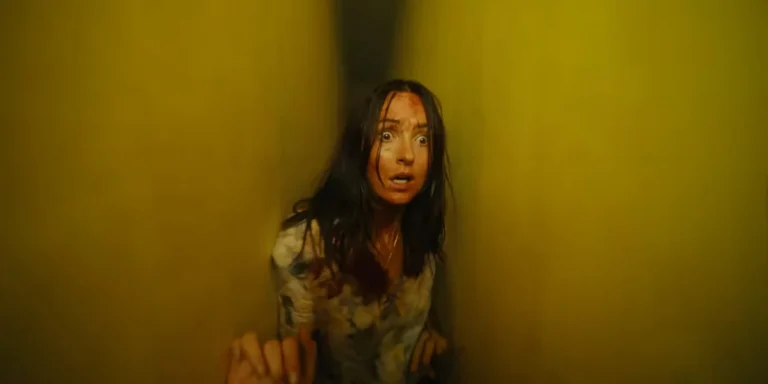
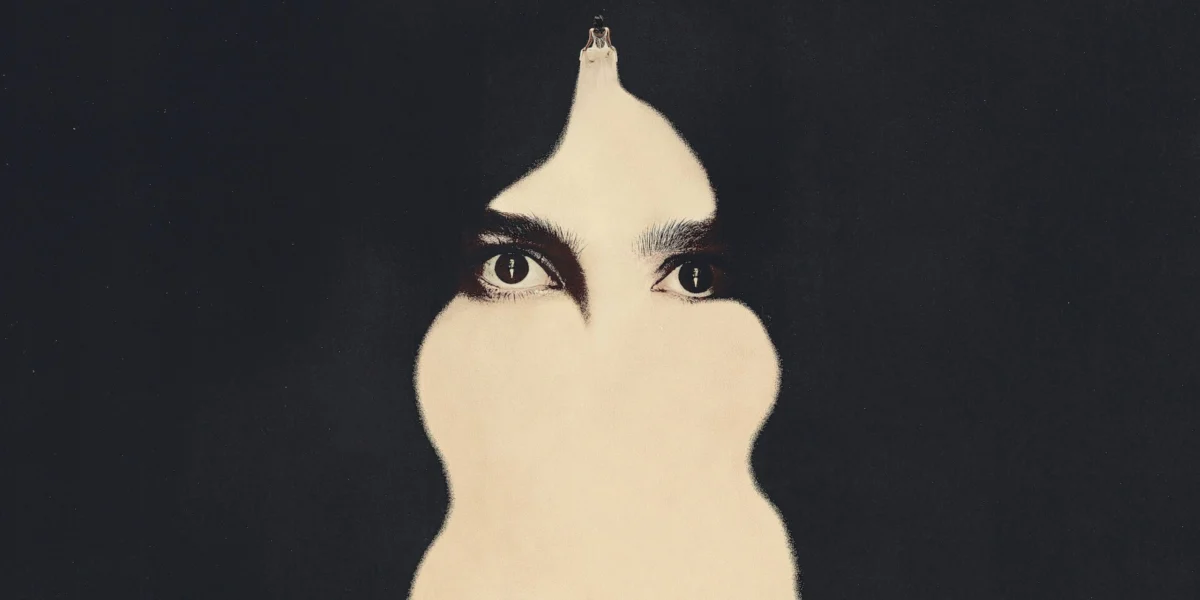
The impending union of Rachel and Nicky is shrouded in an unsettling atmosphere, a palpable sense of dread that intensifies with each passing day leading up to their wedding. This sentiment is meticulously crafted within Haley Z. Boston’s latest Netflix offering, a limited series that attempts to blend psychological unease with supernatural terror. The narrative centers on behavioral psychologist Rachel, portrayed by Camila Morrone, as she journeys to the remote family cabin of her fiancé, Nicky (Adam DiMarco), just days before their nuptials. From the moment of her arrival, an undercurrent of disquiet permeates the isolated locale, escalating into a week-long countdown marked by escalating anxiety and a growing conviction that something sinister is on the horizon. The series, with its explicit title, leaves no room for ambiguity regarding the impending doom, a constant reminder that the idyllic setting belies a darker reality.
Unraveling the Premise: A Descent into Apprehension
The core premise of "Something Very Bad Is Going to Happen" hinges on the amplification of a bride’s pre-wedding jitters into a full-blown existential crisis. Rachel’s apprehension is not merely a product of typical marital anxieties; it is validated and amplified by an encroaching supernatural force, or at least the pervasive belief in one. As the days dwindle, her relationship with Nicky is subjected to intense scrutiny, both internally and by his seemingly peculiar family. Each episode meticulously builds tension, employing a countdown mechanism that audibly underscores the approaching ceremony and the titular "very bad" event. This repetitive motif, while effective in establishing the show’s central conflict, also contributes to a narrative that, at times, feels like an extended preamble to a conclusion that struggles to match the built-up anticipation.
Creative Presentation: A Visual Tapestry of Unease
One of the series’ most striking aspects is its inventive visual language. Creator and writer Haley Z. Boston, alongside a team of writers including Lisa Brühlmann, Weronika Tofilska, and Axelle Carolyn, crafts a cinematic experience that consistently prioritizes atmosphere. The production employs a range of techniques to foster a sense of unease, from first-person perspective shots that plunge the viewer into the subjective experience of an unseen entity to jarring found-footage sequences that disrupt the narrative flow. The strategic use of lighting and framing further enhances this disquieting ambiance, ensuring that even moments of apparent calm are imbued with a lurking tension. While the narrative engagement with these visual elements can be uneven, the sheer artistry in their execution is consistently captivating. The show’s commitment to a visually arresting depiction of the grotesque is undeniable, utilizing its aesthetic to underscore the psychological turmoil of its characters.
The Horrors Within: Interpersonal Dynamics Versus Supernatural Scares
Where "Something Very Bad Is Going to Happen" truly shines is not in its supernatural jump scares or its overt displays of horror, but in its exploration of deeply relatable human emotions. The series excels when it pivots from conventional horror tropes to the more insidious anxieties of interpersonal relationships. The discomfort of not connecting with a partner’s family, the gnawing doubt about true mutual understanding, and the subtle erosion of trust are presented as far more terrifying than any spectral apparition. These elements of interpersonal drama are not only more compelling but also ultimately more horrifying than the show’s attempts to shock with gore and sudden sonic assaults.
The character-driven moments are where the true horror resides. A pivotal monologue by Gus Birney as Portia in the first episode serves as a prime example. Her recounting of a childhood encounter with a nightmarish figure, allegedly seen by her brother Jules (Jeff Wilbusch) in the woods, is chilling not solely for its content but for the unsettling manner in which she delivers it as a first impression to Rachel, her soon-to-be sister-in-law. This narrative choice effectively illuminates the complex and perhaps disturbed collective psyche of Nicky’s family, delivering a significant payoff that resonates throughout the season. Such scenes highlight the show’s potential when it leans into psychological depth rather than relying on superficial scares.
Narrative Arc and Pacing: A Dip in Momentum
Despite its strong early installments, the series appears to peak prematurely. The fourth and fifth episodes are widely considered the narrative and thematic zenith, offering a potent blend of eerie atmosphere and profound character exploration. These episodes provide the momentum that should, in theory, propel the series towards a compelling conclusion. However, the momentum inexplicably wanes in the latter half. While pockets of riveting horror persist, the revelation of the central mystery behind the unfolding events seems to leave the writers in a state of narrative inertia, merely going through the motions until the predetermined finale.
The pacing in the second half further exacerbates this issue. The narrative crawls, building towards a climax that, while ultimately fulfilling the show’s titular promise, feels remarkably straightforward and lacking in the innovative spirit that characterized its earlier episodes. The predictability of the conclusion, once the central twist was revealed, makes the preceding hours of methodical storytelling feel somewhat unwarranted. The journey to the inevitable outcome, though visually engaging, becomes a test of patience rather than a thrilling descent into terror. This structural issue, where the resolution feels anticlimactic after a significant build-up, detracts from the overall impact of the series.
The Power of Performance: Morrone and Birney Elevate the Material
Amidst the narrative and pacing challenges, the series is undeniably anchored by the stellar performances of its lead actors. Camila Morrone delivers a tour-de-force as Rachel, expertly navigating the character’s descent into panic, delusion, and desperation. Her portrayal imbues the material with a gravitas that prevents potentially clichéd or ridiculous plot points from unraveling. Morrone’s ability to elicit genuine empathy for Rachel’s plight is instrumental in grounding the series, making its increasingly outlandish events feel believable. Her character’s arc, though treading familiar thematic ground, is executed with a spellbinding quality that is impossible to ignore. As Rachel’s psychological state deteriorates, Morrone’s emotive expressions are a magnetic force, drawing the audience into her spiraling reality. She breathes life into a character that could have easily felt like a mere pawn in a supernatural game, transforming her into a relatable and compelling protagonist.

In stark contrast to Morrone’s earnest portrayal, Gus Birney’s performance as Portia offers a different kind of brilliance. Birney crafts a character who is delightfully artificial, from her saccharine vocal delivery to her exaggerated need for attention. Portia is a scene-stealer, providing a much-needed dose of comedic relief while simultaneously serving as an unexpected and potent source of horror. Her presence injects a vibrant, albeit unhinged, energy into the narrative. The ensemble cast, as a whole, demonstrates a keen understanding of the show’s unique tone, effectively amplifying its haunting atmosphere. However, it is Birney who elevates the material to a particularly delicious and memorable level, making her character a standout in an already compelling cast.
Concluding Thoughts: A Striking Vision Marred by Conventionality
"Something Very Bad Is Going to Happen" ultimately presents a paradox. It is a series that is highly anticipated by its own narrative, with the titular event being a constant focal point. Yet, the culmination of these expectations results in an outcome that is surprisingly conventional, especially when juxtaposed with the show’s otherwise unconventional approach. The directorial choices are frequently bold, resulting in a visually striking experience that lingers in the mind. The ensemble cast is perfectly attuned to the series’ off-kilter environment, each member contributing to the unsettling ambiance. Camila Morrone, in particular, delivers an immaculate performance, imbuing the narrative with a crucial sense of gravity and stakes.
However, the story and its pacing ultimately prevent this miniseries from reaching its full potential. While moments of genuine thrill and dread are present, the overall experience is marred by a touch too much ordinariness to be truly memorable. The series offers a compelling visual journey and strong performances, but its narrative shortcomings leave it feeling like a missed opportunity for a truly groundbreaking horror experience. The initial promise of a deeply unsettling, character-driven horror narrative is partially fulfilled, but the journey falters before reaching its most impactful destination.
The Production Landscape
"Something Very Bad Is Going to Happen" is a production that brings together a talented creative team. Haley Z. Boston serves as the sole creator and lead writer, with contributions from Lisa Brühlmann, Weronika Tofilska, and Axelle Carolyn. The series is executive produced by the likes of Alex Beaton, Brittney Hughes, Sarah Jones, and Laura Smith, underscoring a collaborative effort to bring this ambitious vision to the screen. The cast is led by Camila Morrone, whose performance is central to the series’ success, supported by Adam DiMarco, Gus Birney, Karla Crome, Sawyer Fraser, Jeff Wilbusch, Ted Levine, and Jennifer Jason Leigh. The presence of established actors like Levine and Leigh, known for their work in the horror genre, further signals the intended gravitas of the project.
Critical Reception and Audience Engagement
While a definitive aggregate score for "Something Very Bad Is Going to Happen" is not yet universally established, early reactions suggest a division in critical opinion. The series has been praised for its stylistic innovations and strong performances, particularly from Camila Morrone and Gus Birney. However, criticisms often center on pacing issues and a narrative that, while building significant tension, ultimately delivers a somewhat conventional resolution. The show’s thematic exploration of psychological distress and familial dysfunction within a horror framework has resonated with some, while others found the execution to be uneven. The series’ commitment to visual storytelling has been a consistent point of praise, even among those who found the narrative to be less compelling.
The trailer for the series, released on platforms like YouTube, has garnered significant viewership, indicating a strong initial interest from the audience. The visual cues and the explicit promise of impending doom within the trailer likely contributed to this engagement, drawing in viewers with the allure of a suspenseful horror narrative. The official trailer, in particular, serves as a concise introduction to the show’s tone and central conflict, effectively whetting the appetite for its release.
Potential for Awards Recognition
Given the critical acclaim for Camila Morrone’s performance, the series is a potential contender for awards in the upcoming season. Her portrayal of Rachel’s escalating psychological breakdown has been singled out as a standout element. Specifically, the category of "Outstanding Lead Actress in a Limited or Anthology Series Or Movie" at the Emmy Awards is a likely target. Gus Birney’s captivating performance as Portia also holds promise for recognition, potentially in a supporting actress category, due to her scene-stealing presence and unique characterization. The show’s bold visual direction and creative execution could also garner nominations in technical categories.
Broader Implications and Thematic Resonance
"Something Very Bad Is Going to Happen" taps into a number of contemporary anxieties. The pressure surrounding marriage, the complexities of blending families, and the fear of the unknown are all themes that resonate deeply. The series’ exploration of psychological distress, particularly through Rachel’s perspective, highlights the often-unseen struggles individuals face when confronted with overwhelming emotional and psychological challenges. The remote, isolated setting of the cabin can be interpreted as a metaphor for the feeling of being trapped or disconnected, a common sentiment in an increasingly complex world. The show’s attempt to marry supernatural horror with relatable human drama suggests a growing trend in the genre, where the most terrifying aspects of life are often found not in the supernatural, but in the deeply human. The series, despite its flaws, contributes to a broader conversation about the nature of fear and the ways in which it manifests, both externally and internally.