
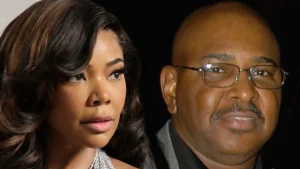

The political landscape, often characterized by its stark contrasts and rapid shifts in public perception, witnessed a particularly striking example in late March 2026, as Senator Lindsey Graham of South Carolina presented two remarkably divergent public images within days, all while a significant government shutdown continued its protracted course. From the whimsical, family-friendly confines of Disney World, complete with a bubble wand, to the rugged, traditional Southern pastime of breaking clays with a shotgun, Graham’s public activities drew considerable scrutiny, highlighting the ongoing debate about congressional accountability and political optics during national crises.
The Shadow of the Government Shutdown: A Nation on Hold
The backdrop to Senator Graham’s controversial weekend was a partial government shutdown that, by late March 2026, had already stretched into its second week. This shutdown, rooted in a deep partisan impasse over federal appropriations—specifically, disagreements concerning border security funding and broader fiscal priorities—had brought non-essential government operations to a standstill. Thousands of federal employees across various departments, from the Department of Homeland Security to the Environmental Protection Agency, faced furloughs or were working without pay, creating widespread financial anxiety and disrupting critical public services.
Historically, government shutdowns, while not unprecedented in U.S. politics, have consistently led to significant economic and social costs. Data from past shutdowns, such as those in 1995-1996, 2013, and 2018-2019, indicates that each day of closure can cost the national economy hundreds of millions, if not billions, of dollars. For instance, the 2013 shutdown, lasting 16 days, was estimated by Standard & Poor’s to have shaved 0.6% off fourth-quarter GDP growth, translating to a loss of $24 billion. The more recent 2018-2019 shutdown, the longest in U.S. history at 35 days, cost the economy an estimated $11 billion, with $3 billion never recovered. These figures represent not just abstract economic impact but tangible losses for businesses dependent on government contracts, disrupted travel and tourism due to closed national parks and museums, and a severe strain on the personal finances of approximately 800,000 federal workers and their families. Many were forced to take out loans, defer payments, or even seek unemployment benefits, creating a ripple effect of hardship across communities. The March 2026 shutdown, while not yet reaching the historical length of its predecessors, was already generating similar concerns regarding economic stability and the well-being of the federal workforce.
A Tale of Two Weekends: From Magic Kingdom to Clay Pigeon Fields
Senator Graham’s activities began to draw public attention following reports and photographic evidence emerging from Florida. On Friday, March 27, 2026, the Senator was reportedly in South Florida for meetings with "Trump officials," a detail that placed his activities firmly within the realm of high-level political engagement, presumably discussing legislative strategies or upcoming policy initiatives relevant to the ongoing budget impasse. Given the political climate and the partisan nature of the shutdown, such meetings would have been perceived as critical to resolving the national crisis.
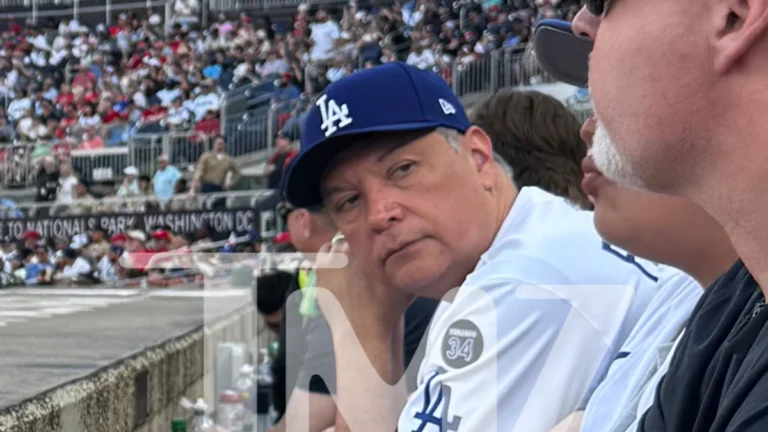
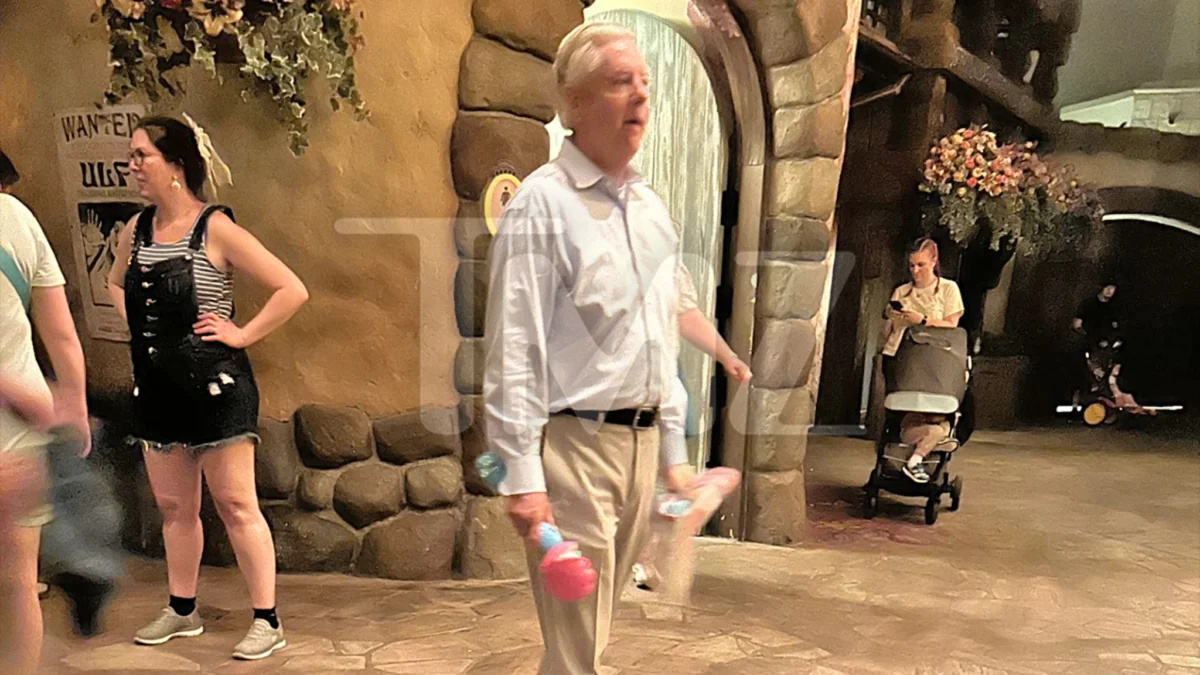
However, the narrative took an unexpected turn over the ensuing weekend. Rather than returning to Washington D.C. or his home state of South Carolina to actively participate in negotiations or public advocacy regarding the shutdown, Senator Graham was photographed enjoying the attractions at Walt Disney World in Orlando. These images, first reported by TMZ, showed the senior Senator from South Carolina riding various attractions and leisurely strolling through the Magic Kingdom. One particular photograph, which quickly circulated across social media platforms, depicted Graham holding a pink bubble wand, reportedly for a friend’s child. This seemingly innocuous detail, juxtaposed against the backdrop of unpaid federal workers and stalled government functions, immediately became a focal point of public commentary. The image of a prominent legislator, known for his hawkish stance on various issues and his serious demeanor in political debates, engaging in such a lighthearted, almost childlike activity while the government remained shuttered, struck many as tone-deaf and insensitive.
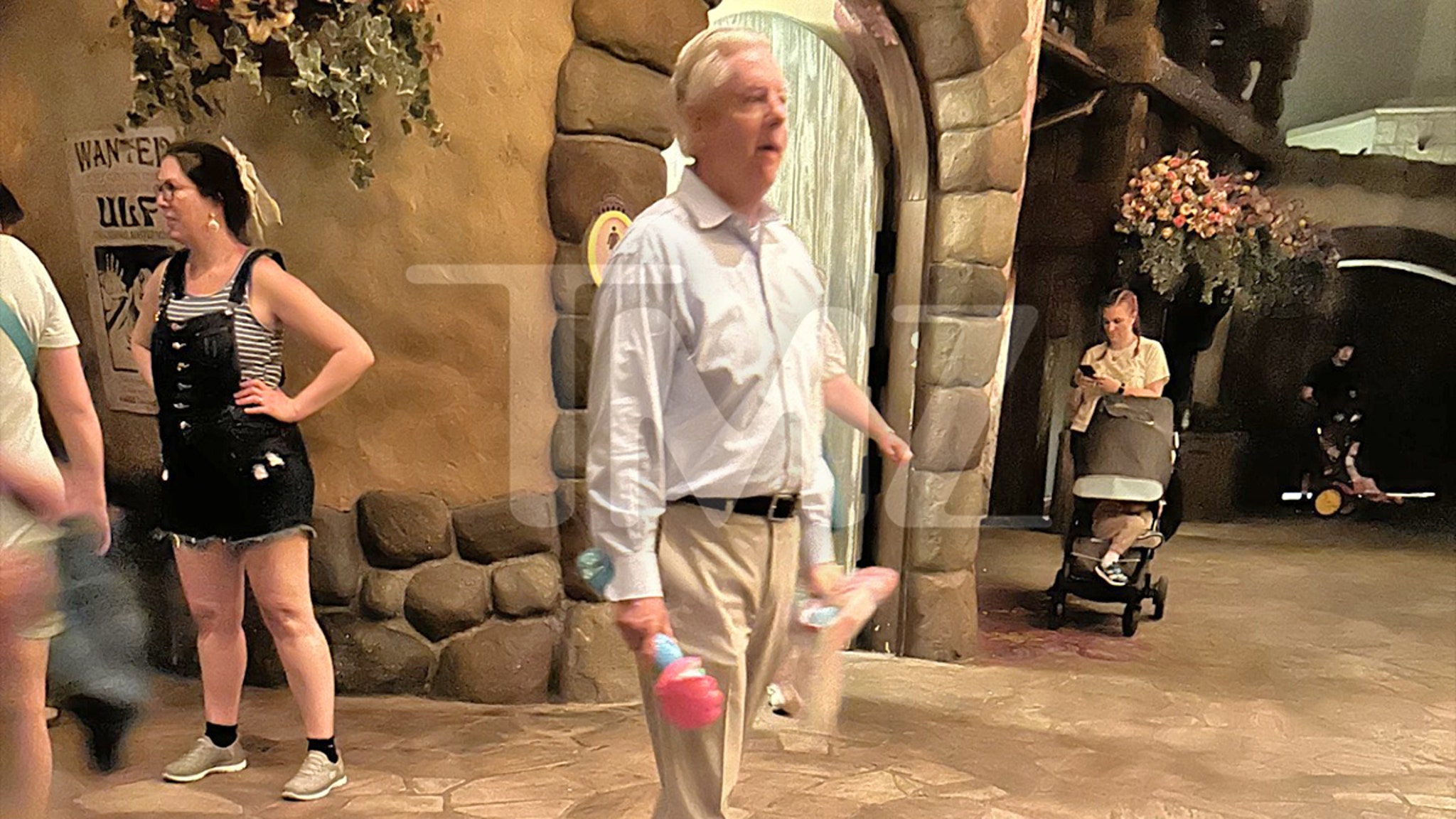
The public reaction was swift and largely critical. Social media platforms buzzed with outrage, with many users contrasting Graham’s apparent vacation with the hardships faced by federal employees. Hashtags like #LindseyGoesToDisney and #ShutdownVacation began trending, with users sharing stories of their own struggles during the shutdown alongside images of the Senator at the theme park. Critics argued that his presence at a major tourist destination during such a critical period demonstrated a lack of urgency and empathy for the hundreds of thousands affected by the congressional deadlock.
Just days later, on Monday, March 30, 2026, Senator Graham appeared to make a calculated pivot in his public presentation. He posted a photograph on his social media accounts showing himself taking aim with a shotgun, stating, "Spent some time breaking clays in Edgefield County today. Doesn’t get much better than that." Edgefield County, South Carolina, is known for its rural character and strong traditions of hunting and shooting sports, aligning with a quintessential Southern conservative image. This move was widely interpreted as an attempt to recalibrate his public image, perhaps to counteract the "bubble wand" narrative with one that resonated more with his conservative base and projected a more traditionally masculine, serious persona. The stark contrast between the two images—the whimsical bubble wand at Disney versus the purposeful shotgun at a shooting range—created a powerful visual metaphor for the conflicting expectations placed upon politicians during times of national crisis and their attempts to manage public perception.
Senator Graham’s Defense and the Partisan Blame Game
In response to the growing criticism, Senator Graham offered a succinct defense, stating to reporters, "I voted 7 times to fully fund the government. Call a Democrat." This statement positioned him as a proactive participant in efforts to avoid the shutdown, placing the blame squarely on the opposing party. His assertion implied that he had consistently supported measures to keep the government open and that the responsibility for the impasse lay with Democratic lawmakers who, presumably, had blocked these funding bills or insisted on unacceptable conditions.
This rhetoric is a common feature of government shutdowns, where both sides of the political aisle frequently engage in a blame game, each attempting to portray themselves as reasonable and the other as obstructionist. Graham’s statement aligns with a broader Republican narrative during the 2026 shutdown, which generally attributed the stalemate to Democratic intransigence on border security funding and their alleged refusal to negotiate in good faith. Conversely, Democrats often accused Republicans of prioritizing ideological demands over the welfare of federal workers and the stability of government operations, frequently pointing to the proposed cuts in social programs or environmental regulations as sticking points.
Political Optics, Accountability, and Public Perception
The incident involving Senator Graham underscores the intense scrutiny public officials face, particularly during periods of national crisis. Political optics—the way an event or issue is perceived by the public—can often be as impactful as the underlying policy or action itself. For a politician of Senator Graham’s stature, with a significant national profile and a key role in Republican leadership, his leisure activities during a government shutdown were bound to attract attention.
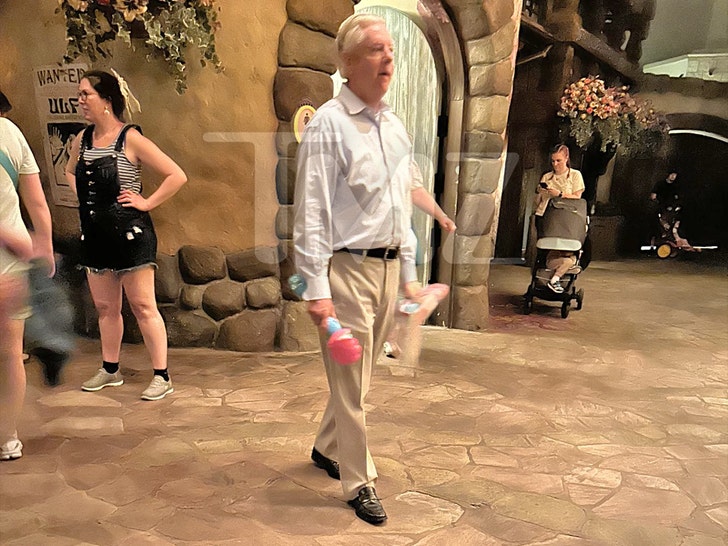
Critics argued that his Disney visit, irrespective of his voting record, demonstrated a fundamental disconnect between elected officials and the everyday realities faced by their constituents. The image of a Senator enjoying a theme park vacation while federal workers struggled to pay rent or buy groceries was seen by many as a symbol of elite privilege and a perceived lack of urgency in resolving a critical national issue. This sentiment was exacerbated by the perceived pivot to a "tougher" image with the shotgun, which some viewed as an attempt to manipulate public opinion rather than genuinely address the underlying issues of the shutdown.
Conversely, supporters of Senator Graham and some conservative commentators defended his right to personal time, arguing that members of Congress are entitled to breaks just like any other citizen. They often emphasized his claim of having voted multiple times to fund the government, suggesting that his personal activities should not overshadow his legislative efforts. This perspective also often frames the media’s focus on such images as a distraction from the real policy debates and a form of "gotcha" journalism.
The broader implications extend to the question of congressional accountability. When Congress fails to pass appropriations bills and a shutdown ensues, the legislative body as a whole is often perceived as failing in one of its most fundamental duties. The sight of individual members of Congress engaging in leisure activities during such a period can erode public trust in government and exacerbate cynicism about the political process. This erosion of trust can have long-term consequences, impacting voter turnout, public engagement, and the perceived legitimacy of democratic institutions.
The Role of Media and the Digital Age
The rapid dissemination of images and narratives in the digital age plays a crucial role in shaping these perceptions. The original report from TMZ, a media outlet known for its focus on celebrity news and often candid, unscripted moments, quickly catapulted Senator Graham’s Disney visit into the national conversation. Social media platforms then amplified these images and the ensuing reactions, creating a viral phenomenon that mainstream news outlets were compelled to cover. This incident highlights how traditional boundaries between "serious" political reporting and "tabloid" journalism have blurred, with public figures constantly under the lens of citizen journalists and ubiquitous camera phones. The call from TMZ at the end of its original article—"SEND US THESE PICS!!"—underscores this participatory nature of modern news gathering, where the public actively contributes to the narrative.
Conclusion: A Persistent Challenge
The episode involving Senator Lindsey Graham’s contrasting public appearances during the March 2026 government shutdown serves as a poignant illustration of the complex interplay between political responsibility, public image, and media scrutiny in contemporary American politics. While legislators are undeniably individuals with personal lives, their actions during times of national crisis are inevitably subjected to intense public examination. The challenge for elected officials remains how to navigate these expectations, demonstrating both their commitment to public service and their humanity, without alienating a public increasingly sensitive to perceived disingenuousness or a lack of empathy. As long as government shutdowns persist as a tool of political leverage, and as long as the digital age continues to offer an unfiltered window into the lives of public figures, incidents like Senator Graham’s "bubble wand" and "shotgun" saga will likely remain a recurring feature of the political landscape, fueling debates about accountability, privilege, and the very nature of political representation.