
The Creative Genesis: A Collaborative Playground
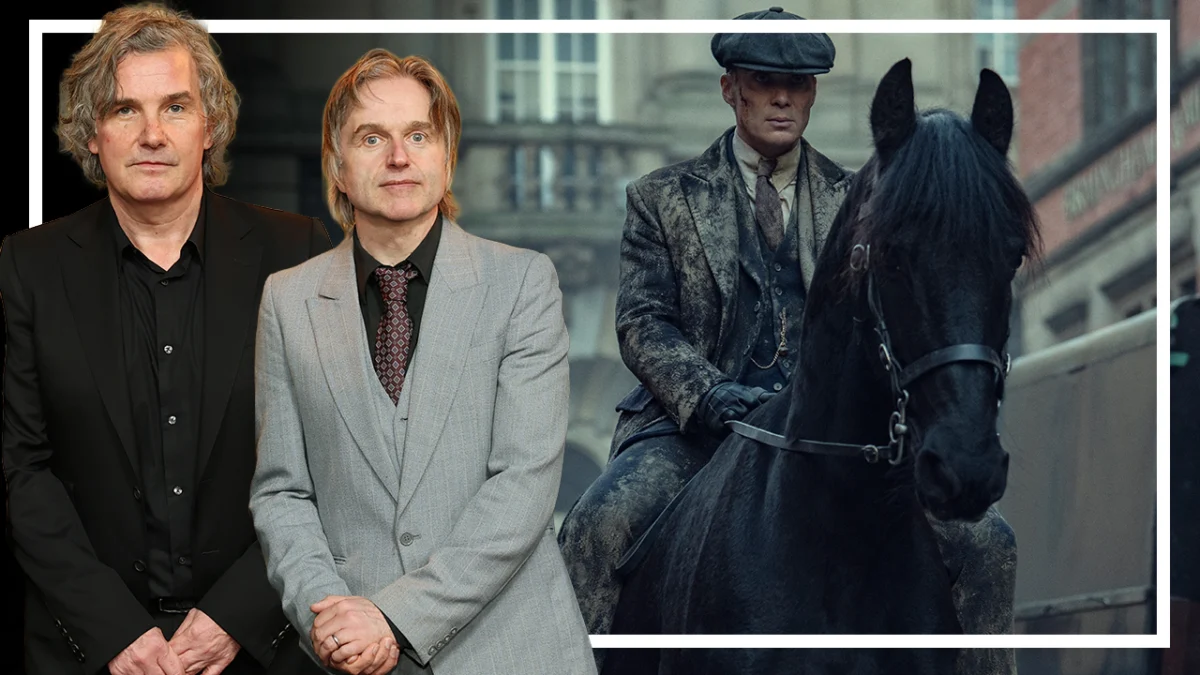
From their warm and inviting studio, composers Anthony Genn and Martin Slattery recently shared insights into the intricate creative process behind scoring Peaky Blinders: The Immortal Man. Their studio environment, far from the sterile atmosphere often associated with recording, is described as a "massive living room" or a "playground," fostering an organic and improvisational approach to music creation. This philosophy is central to their method, allowing collaborators ample freedom to explore and contribute their unique musical languages.
The long-standing partnership between Genn and Slattery, spanning three decades, forms the bedrock of this creative synergy. Their shared musical vocabulary, refined over years, enables a seamless ebb and flow in their work, often leading to spontaneous breakthroughs. As Genn articulated, "We’re not head scratchers. We don’t sit in front of computers all day piecing things together." This emphasis on live jamming and capturing raw musical energy is a hallmark of their style. Crucially, their engineer, Drew Dungate Smith, plays an integral role in this process, ensuring that instruments are always "hooked up" and ready to record the moment inspiration strikes. This immediate capture of musical ideas is considered a "holy grail" for artists, allowing for an uninhibited creative flow, often working at a rapid pace in the initial stages of composition.
Crafting the Opening Scene: "The Currency"
A prime example of their collaborative and iterative process is the track "Opening Scene, The Currency," which immediately establishes the film’s unpredictable tone. Slattery explained the deliberate neutrality of the initial piano piece, designed to keep the audience guessing. "You’re not really quite sure what’s going on. We didn’t want to give anything away with the very opening part of it until you start to see what’s going on."
Genn elaborated on this gradual unveiling, starting with a "cold" sound that is neither overtly sad nor happy. Subtle layers are introduced—a mysterious chord, a low note, a tremolo guitar—as the scene progresses, building an unsettling atmosphere. The realization that "this ain’t such a good scene" culminates with the appearance of the Nazis, marking a pivotal shift in the music. At this critical juncture, Carlos O’Connell from the acclaimed post-punk band Fontaines D.C. makes his impactful entrance on guitar. This collaboration stemmed from an earlier jam session in the studio, a common origin for many of the score’s elements. Genn described the process as a "collage," where the music continuously evolves, guided by the unfolding narrative and visual cues of the film. This organic approach ensures that the score is deeply interwoven with the story, reacting dynamically to every twist and turn.
Spotlight on Collaborators: From Fontaines D.C. to Lankum
The soundtrack features an impressive roster of collaborators, including Fontaines D.C., Lankum, Grian Chatten (also from Fontaines D.C.), Amy Taylor (Amyl and The Sniffers), Girl in the Year Above, and Mclusky. This diverse ensemble underscores Genn and Slattery’s commitment to integrating authentic, distinctive musical voices into the Peaky Blinders soundscape. Their philosophy centers on empowering musicians to be themselves, recognizing that each artist speaks a "different language with music."
The inclusion of contemporary artists like Fontaines D.C., known for their poetic lyrics and raw energy, and the traditional Irish folk group Lankum, celebrated for their dark, atmospheric sound, highlights the score’s genre-defying ambition. Grian Chatten, in particular, proved to be a versatile multi-instrumentalist, contributing guitar, bass, and drums to several tracks, including "Angel," "Medusa," and "Ellipsis." This direct engagement with the artists in their "playground" studio environment, rather than prescriptive instructions, allows for a genuine exchange of ideas and ensures the collaborators’ unique artistic identities shine through.
The Magic of Lankum: Rerecording "The Immortal Man"
Anthony Genn described the recording sessions with Lankum as "one of the most magical few days of [his] career." His admiration for the band, having seen them perform live, fueled his desire to incorporate their distinctive sound into the film. The director, Tom Harper, initially selected an existing Lankum track for the film, but Genn felt a deeper integration was necessary. This led to the ambitious decision to rerecord the track in their studio, a move that initially "raised a few eyebrows."
The rationale behind rerecording, as Genn explained, was to "go deeper, to see where we can go in the scene," adding specific instruments not present in the original and meticulously weaving the music into the film’s visual fabric. This meticulous approach aimed to "get the most out of every single little moment, every little frame." Martin Slattery further elaborated on the unique atmosphere of their studio, which transforms the recording process into an intimate and unpressured experience. "Imagine having that massive living room and then putting one of your favorite bands in there and then listening to them play music. I suppose that’s why you would feel like it was a great day because it would be a great day." This environment fosters a sense of creative freedom and joy, allowing artists like Lankum to fully express themselves and contribute to the score’s emotional depth.
Weaving the Supernatural: Scoring a Ghost Story
Peaky Blinders: The Immortal Man is not merely a gangster epic but also delves into the supernatural, presenting itself as a "ghost story." This ethereal dimension of Thomas Shelby’s psyche profoundly influenced Genn and Slattery’s musical choices. To evoke the spectral presence of "Tommy’s ghosts," they turned to unconventional instruments and sounds. An old, "wonky," and "haunted" Kimball piano, described as frail and fragile, became a central element. Its unique timbre, combined with the melancholic strains of a viola and Grian Chatten’s contributions, lent itself perfectly to the film’s haunted, ghostly atmosphere.
The composers emphasized the power of subtlety and space in conveying these delicate emotions. Slattery noted the challenge of scoring "quiet dialogue," where music must enhance emotion without overpowering the spoken word. This often requires "less information," a principle Genn passionately advocates. He drew parallels to classic films like Chinatown (1974), which features only about 23 minutes of original music, and Ken Loach’s Kes (1969), with a mere 18 minutes. Even blockbuster scores, such as John Williams’ iconic work for Jaws (1975), often contain less than an hour of music. This conscious decision to embrace silence and allow for "space between music, between the notes" reflects a bold artistic choice, giving moments of musical intervention greater impact and resonance, particularly in the film’s first act.
The Art of Fragility and Physicality
The track "The Immortal Man" itself exemplifies the delicate balance between fragility and strength that defines the score. The composers achieved this through a combination of vintage instruments and unconventional techniques. Genn frequently utilized an antique 1916 Gibson guitar, acquired by Slattery years ago, which often only had five strings and was kept in an "off-normal" or "mad tuning." This deliberate "wonkiness" and the dropping of the low string created an extra depth and a sense of organic, human physicality in the music.
A key decision was to move away from strictly adhering to a click track for certain passages. Slattery explained that this choice was integral to capturing the "fragility" they sought. "When music’s moving in a more natural way, when you’re off that sort of rhythm, you’re letting the music flow." This approach, while potentially challenging for later orchestration, allows for a more fluid and emotionally expressive performance. Genn added that their long history of playing together enables them to instinctively "ebb and flow and somehow seem to fall back in at the right time," creating moments where the listener doesn’t know "when it’s coming back in," adding to the sense of vulnerability and suspense. This bravery in departing from conventional timing is a testament to their deep trust and understanding as musical partners.
The Language of Music: Translating "Shefftalian" to Orchestral Grandeur
The collaborative spirit extends to the orchestral sessions, even when Genn, a self-proclaimed non-reader of musical notation, needs to convey his vision to trained classical musicians. He humorously refers to his instructions as "Shefftalian," a blend of his Sheffield dialect and musical intent, which their brilliant conductors, Richard Jones and Joe Davies, expertly translate.
During recording sessions at iconic venues like Abbey Road, Genn sometimes finds himself needing to directly address the orchestra, bypassing the conductor’s formal interpretations. His directives are often raw and visceral: "Rich, it needs to be more gnarly, man. Get him up on that bridge, get off him really fing going for it and fing it up. It needs to be fed up, man. Get bent. It’s too fing polite, man." Richard Jones, accustomed to Genn’s passionate instructions, then skillfully translates this into precise musical terminology for the orchestra, such as, "I think at Bar 42, what we need to do is…" This unique communication style ensures that the raw energy and emotional intent of Genn and Slattery’s initial jams are preserved and amplified by the full power of the orchestra, particularly in tracks like "Teardrop" that demand both fragility and brutal force. The lead violin player, Tom Gold, a long-time collaborator, even acknowledges Richard’s talent for interpreting Genn’s "Shefftalian."
Cillian Murphy’s Enduring Influence
The heart and soul of Peaky Blinders: The Immortal Man are not only its director, Tom Harper, but also its leading star and brilliant producer, Cillian Murphy. Murphy’s involvement in the musical landscape of Peaky Blinders spans all six seasons, predating Genn and Slattery’s current engagement. A musician himself, Murphy possesses a profound understanding of music and its narrative power.
Genn recounts that it was Murphy who initially called him to suggest scoring Season 4, demonstrating the actor’s long-standing influence on the show’s sonic identity. For the film, the dynamic reversed, with Genn reaching out to Murphy, highlighting the deeply collaborative nature of their relationship. Murphy’s role as a producer means he is intricately involved in every aspect, including the score. His musical acumen and deep connection to the character of Tommy Shelby provide invaluable input, ensuring that the soundtrack not only serves the story but also resonates with the established Peaky Blinders aesthetic. As Genn succinctly puts it, "The story, as ever, is the boss," and Murphy’s involvement ensures the music remains true to that guiding principle.
Legacy and Impact: A Soundtrack Beyond the Screen
The soundtrack for Peaky Blinders: The Immortal Man is more than just background music; it is a vital narrative component, a character in itself within the Peaky Blinders universe. Genn and Slattery’s innovative approach, characterized by organic collaboration, a "playground" studio environment, and a fearless embrace of unconventional techniques, sets a high bar for contemporary film scoring. By prioritizing raw emotion, embracing silence, and valuing the unique voices of their collaborators, they have crafted a score that is both intimately connected to the film’s narrative and powerful enough to stand alone.
The critical reception of the soundtrack as a "great concept rock album" underscores its artistic merit beyond its functional role in the film. This achievement further solidifies Genn and Slattery’s reputation as visionary composers capable of translating complex narratives, including those with supernatural undertones, into compelling sonic experiences. Their work not only enriches the finale of a beloved franchise but also offers a masterclass in the art of collaborative, emotionally driven film music, demonstrating how sound can profoundly shape perception and enhance storytelling. The legacy of Peaky Blinders will undoubtedly include this meticulously crafted soundtrack, a testament to the enduring power of music in cinematic storytelling.