

Director Zhang Yimou’s recent output in the 2020s presents a fascinating case study in the evolution of Chinese cinema, particularly concerning its relationship with state oversight and national narratives. Following a period of scrutiny that led to the last-minute withdrawal of his film "One Second" from the 2020 Berlin International Film Festival due to unspecified "technical reasons," the acclaimed filmmaker has largely steered towards productions with a discernible state-friendly orientation. His latest feature, the surveillance thriller "Scare Out," marks a significant escalation in this trajectory, being the first feature film to be developed under the direct guidance of the Ministry of State Security of the People’s Republic of China. This unprecedented level of official sponsorship fundamentally shapes the film’s narrative, thematic preoccupations, and ultimately, its reception within both domestic and international spheres.
The Genesis of a State-Sanctioned Spy Narrative
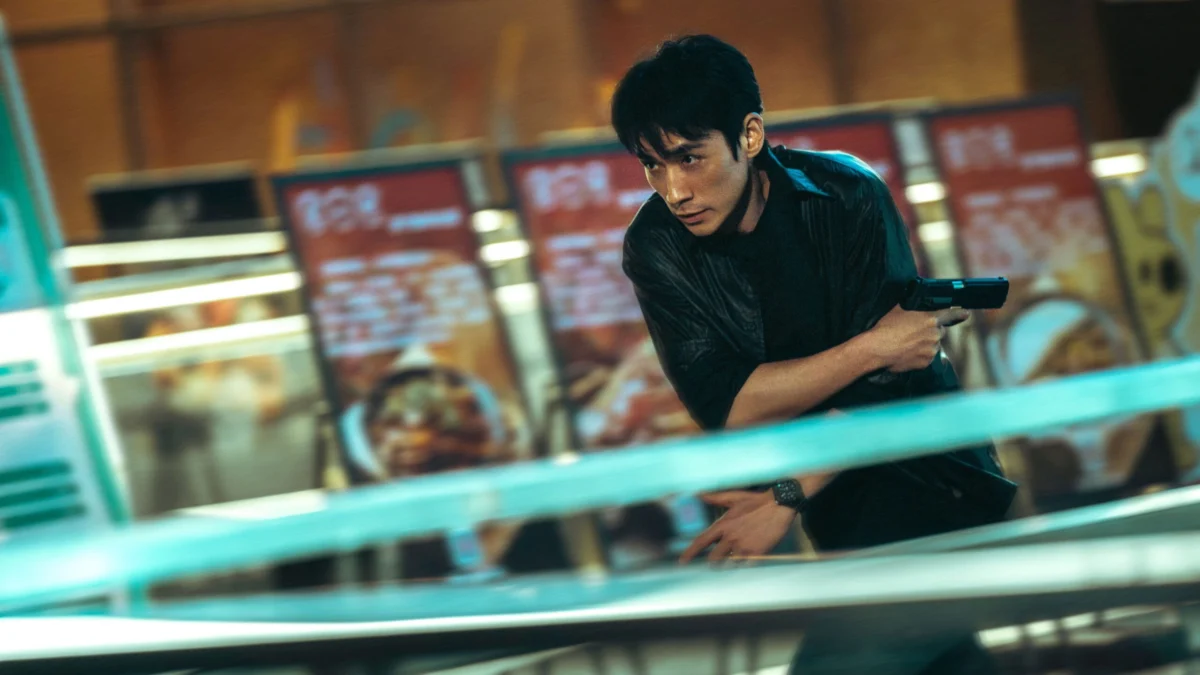
The narrative of "Scare Out" unfolds in the high-stakes world of national security, centering on a botched operation involving an American suspect named Nathan. The incident results in the death of a target and the injury of an operative, prompting the swift intervention of National Security team leader Huang Yi and his second-in-command, Yan Di. They are brought under the purview of their newly appointed superior, Zhao Hong, who reveals a chilling truth: a mole within their own ranks is actively leaking sensitive information to Western adversaries. Tasked with identifying the traitor, Huang Yi and Yan Di soon discover that the threat may be far more insidious and closer than they initially imagined, igniting a perilous game of cat-and-mouse.
This premise positions "Scare Out" as a contemporary iteration of the spy thriller genre, a domain Zhang Yimou has revisited following his previous film, "Cliff Walkers." While "Cliff Walkers" was set in the historical context of Harbin during the Sino-Japanese War, "Scare Out" plunges into the complexities of modern-day China, exploring the intricate mechanisms of state security in the digital age. However, as a contemporary thriller, "Scare Out" is described as largely serviceable, with a narrative penned by Chen Liang that, while engaging enough, rarely ventures beyond the established conventions of the genre. Critics note a lack of distinctiveness, particularly when contrasted with the visual and thematic richness of "Cliff Walkers," which impressed with its cinematography, robust performances, and grand set pieces. In "Scare Out," Zhang Yimou appears to operate in a more measured, almost automatic mode, with fewer of his signature artistic flourishes evident. While the film’s regular cinematographer competently captures the urban splendor of contemporary China, complete with its soaring skyscrapers and sophisticated lighting, the most pronounced characteristic of "Scare Out" is its overt alignment with state-friendly messaging, a recurring theme in Zhang’s more recent work.
Strategic Sponsorship and its Narrative Implications
The direct involvement of the Ministry of State Security in the production of "Scare Out" is a pivotal element that significantly influences the film’s thematic thrust and its potential audience appeal, particularly among international viewers who have long admired Zhang Yimou for his artistic integrity and nuanced storytelling. The film appears to function primarily as a showcase for the capabilities and efficiency of China’s security services. The narrative meticulously highlights their proficiency in tracking individuals through advanced technology and extensive manpower, portraying these operatives as highly skilled and effective.
This emphasis on state prowess, however, creates a subtle narrative tension when juxtaposed with the film’s central premise of a mole within the National Security Services. The film attempts to reconcile these two seemingly conflicting objectives: to portray the unassailable competence of patriotic agents while simultaneously exploring the possibility of internal betrayal. The mole is consequently depicted as someone "in the process of being turned," a character whose actions, once introduced to the audience early in the film, suggest a longer and more entrenched involvement in espionage. This characterization, while intended to mitigate the implication of fundamental weakness within the service, can feel contrived, potentially undermining the suspense.
Furthermore, the film’s antagonists are conveniently framed as Western entities, with the American suspect, Nathan, relegated to a role with minimal dialogue. The primary antagonist, in a move to obscure national identity and avoid accent giveaways, speaks fluent Mandarin. This narrative choice, while common in espionage thrillers, reinforces the film’s state-sponsored agenda by presenting a clear dichotomy between the capable, internal security apparatus and an external, vaguely defined Western threat.
A Stellar Ensemble Cast Navigates a Complex Plot
Despite the thematic and narrative constraints, "Scare Out" benefits from a strong ensemble cast. Zhu Yilong and Jackson Yee, portraying Huang Yi and Yan Di respectively, deliver commendable performances, effectively embodying their roles as dedicated national security agents. While the script does not consistently demand profound emotional depth from them, both actors manage to register their presence and contribute significantly to the film’s dynamic. The narrative structure allows for balanced screen time, enabling both actors to command the spotlight at various junctures.
However, it is Yang Mi, as Bi Fan, the mole’s contact and an enemy agent, who emerges as the film’s scene-stealer. Embodying a classic femme fatale archetype, her portrayal of Bi Fan is infused with allure, assertiveness, and an undeniable command of the situation. Yang Mi appears to revel in the character, delivering a performance that injects a potent dose of charisma and intrigue into the proceedings. Her presence adds a layer of complexity and dynamism that occasionally transcends the film’s more rigid narrative framework.
Technical Execution: A Tale of Two Halves
The film’s musical score effectively complements the genre, amplifying the thrill of the chase and contributing to the palpable sense of urgency. However, the editing stands out as one of "Scare Out’s" most significant weaknesses. While the editing attempts to mirror the intensity of the music, its frantic cuts often prove counterproductive, detracting from the viewer’s immersion. This hyperactive editing style permeates the entire runtime, affecting not only action sequences but also moments of dialogue and exposition. This is particularly noteworthy coming from a director like Zhang Yimou, whose cinematic legacy is often associated with meticulously crafted, lingering shots that allow scenes to breathe and resonate. The jarring pace of the editing in "Scare Out" deviates significantly from this established artistic signature.
A Narrative That Pulls Back from the Brink
Towards its conclusion, "Scare Out" attempts a narrative gamble with a twist that, had it been fully realized, could have offered a more complex and thought-provoking resolution. However, the film ultimately opts for a safer, more predictable path, shying away from the potential implications of this twist in favor of preserving the image of its patriotic agents. This tendency to pull back from bold narrative choices in favor of reinforcing a nationalist agenda is, in essence, the defining characteristic of "Scare Out." The film aspires to be exciting and daring, but ultimately retreats into a mode of playing it safe and adhering to a patriotic script.
Broader Context and Implications
The release of "Scare Out" under the direct purview of the Ministry of State Security signifies a notable shift in the Chinese film industry’s engagement with state-sponsored productions. This level of official involvement suggests a strategic effort by the Chinese government to leverage popular entertainment platforms for narrative dissemination and the promotion of national security narratives. Such a move can be seen as a response to evolving geopolitical landscapes and a desire to shape public perception of state institutions both domestically and internationally.
The film’s reception is likely to be bifurcated. Within China, "Scare Out" will probably resonate with audiences receptive to its patriotic themes and showcasing of national strength. For international audiences, particularly those familiar with Zhang Yimou’s earlier, more artistically independent works, the film’s overt state sponsorship and narrative conservatism may prove challenging. The departure from his more nuanced and critically acclaimed past productions raises questions about the future direction of his career and the broader implications for artistic freedom within the Chinese film industry. The success of such state-sanctioned productions in capturing a global audience, beyond their intended domestic impact, remains a significant challenge, as they often struggle to balance overt propaganda with universal storytelling appeal. The long-term implications of this trend for Chinese cinema’s global standing and its ability to foster genuine cross-cultural dialogue are subjects that will continue to be closely observed by industry analysts and film enthusiasts alike.