


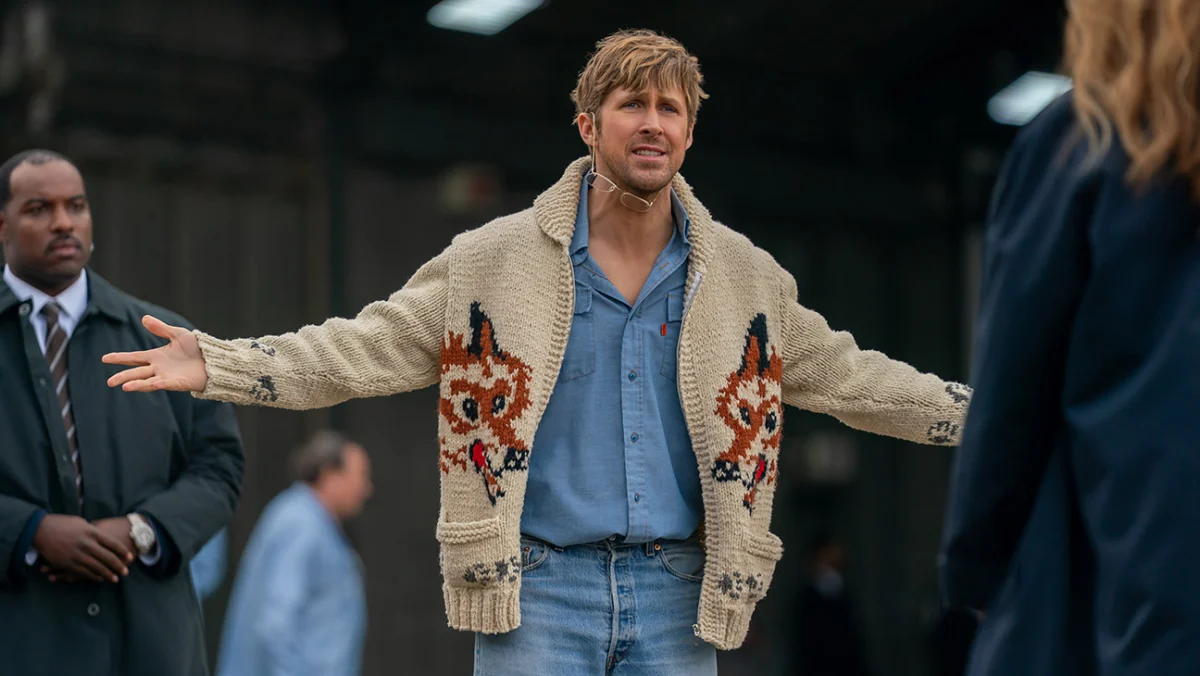
The unassuming, fox-themed zip-up cardigan, prominently worn by actor Ryan Gosling in the upcoming Amazon MGM Studios film Project Hail Mary, has unexpectedly become a viral sensation across social media platforms. The garment, a seemingly humble piece of knitwear, has captivated online audiences, transforming into an instant object of desire and a focal point for discussion around character-driven costume design and the enduring appeal of classic, cozy fashion. This sudden surge in interest underscores the potent influence of cinematic style and a leading actor’s ability to turn a simple wardrobe item into a cultural touchstone.
The Unlikely Fashion Icon: Ryland Grace’s Signature Style
In Project Hail Mary, based on Andy Weir’s 2022 novel of the same name, Gosling portrays Ryland Grace, a schoolteacher thrust into an interstellar mission to save humanity. Unlike many of Gosling’s recent high-fashion roles, such as the critically acclaimed "Kenergy" of Barbie, Grace’s aesthetic is decidedly understated and practical. Promotional images and early trailer footage depict Gosling’s character in an oatmeal-cream colored cardigan featuring distinct, bold fox motifs. This ribbed, turned-down knit collar, cuffed, and hemmed sweater appears in multiple scenes, including one where Grace stands with arms outstretched alongside co-star Lionel Boyce, and another action sequence with Sandra Hüller. The deliberate simplicity of the garment, juxtaposed with the high-stakes sci-fi narrative, has created a compelling visual contrast that resonated strongly with viewers. The choice of such a down-to-earth piece for a character embarking on an extraordinary journey speaks volumes about the film’s approach to realism and relatability, even in a fantastical setting.
Social Media Eruption: From Teaser to Trendsetter
The initial spark of interest ignited over a recent weekend, rapidly escalating into a full-blown social media phenomenon. Platforms like X (formerly Twitter), Instagram, and TikTok were flooded with posts dissecting the cardigan, praising its aesthetic, and, most frequently, inquiring about its origin and availability. Film writer and critic Tomris Laffly encapsulated the collective sentiment, asking on her X account, "How much do you want Ryan Gosling’s cardigan in PROJECT HAIL MARY? Want it a lot like I do?" She further highlighted a crucial piece of information: the sweater bore a striking resemblance to designs from Mary Maxim, a Canadian yarn and craft company renowned for its distinctive knitwear patterns.
This revelation quickly led to a surge in traffic to Mary Maxim’s website. A specific "wolf cardigan knit kit" from the company, closely mirroring Gosling’s on-screen attire, experienced an immediate and dramatic sell-out. This rapid depletion of stock serves as a tangible metric of the viral interest, demonstrating the direct economic impact of a single costume choice. Nathalie Atkinson, a writer for the Globe and Mail, confirmed the Canadian connection, stating on her X account, "As a Canadian I clocked Ryan Gosling’s fox (wolf) sweater as a vintage Mary Maxim immediately, so it was fun to write about the meaning and history of the homespun cardigans." This cultural recognition from Canadian audiences further amplified the garment’s narrative, adding layers of heritage and authenticity to its appeal.
The Canadian Connection: Mary Maxim’s Enduring Legacy
The identification of the cardigan with Mary Maxim added a significant layer of context and history to its viral fame. Mary Maxim, established in Paris, Ontario, Canada, in 1951, built its reputation on producing distinctive, often animal-themed, knitwear patterns and exclusive yarns. These "curling sweaters" or "lodge sweaters," characterized by their bold pictorial designs and chunky construction, became a staple of mid-century Canadian and North American casual wear. They evoke a sense of warmth, comfort, and nostalgia, often associated with outdoor activities, cabins, and a simpler, more rugged lifestyle.
The company’s patterns, initially designed for knitting enthusiasts, fostered a community of crafters who valued the quality and distinctiveness of Mary Maxim designs. The "wolf" or "fox" motif, in particular, taps into a broader appreciation for nature-inspired aesthetics and a certain rustic charm that has periodically resurfaced in fashion trends. The sudden spotlight on Mary Maxim not only brought renewed attention to a long-standing heritage brand but also highlighted a growing consumer interest in artisanal, handmade, and vintage-inspired clothing, a trend often referred to as "cozy-core" or "grandparent-core." The immediate sell-out of their knit kit underscores the power of celebrity endorsement to revive interest in niche or legacy products, especially when aligned with contemporary cultural currents.
Behind the Seams: Director’s Vision and Character Authenticity
The decision to outfit Ryland Grace in such a specific and distinctive cardigan was not a mere stylistic whim but a deliberate choice rooted in character development and the collaborative vision of the filmmakers and Gosling himself. Chris Miller, who co-directed Project Hail Mary with Phil Lord, shed light on this intentionality in an earlier interview with The Hollywood Reporter. "If you look at [Gosling’s character] Ryland Grace’s wardrobe, it’s a combination of these very specific things," Miller explained. "Ryan had experiences with a fox, and he wanted to have a cardigan that had foxes on it. He wore science T-shirts based on the joke science T-shirts that my son wears. Everything is a personal [detail]."
This insight reveals a fascinating aspect of Gosling’s creative process and the film’s commitment to character authenticity. The "personal detail" of the fox motif, stemming from Gosling’s own experiences, transforms the cardigan from a simple prop into a subtle yet profound element of Grace’s persona. It suggests a character who prioritizes comfort and personal connection over conventional style, even when facing the existential threat of a collapsing sun. This "method dressing" approach, where wardrobe choices are deeply integrated into the character’s psychology and backstory, resonates with audiences who appreciate nuance and authenticity in cinematic portrayals. It also aligns with the character’s profession as a schoolteacher, suggesting a practical, relatable individual rather than a slick, action-hero archetype, making his extraordinary mission all the more compelling.
From Screen to Street: The Broader Impact of Cinematic Fashion
The viral success of Gosling’s fox cardigan is not an isolated incident but rather the latest example of a recurring phenomenon where cinematic costumes transcend the screen to influence real-world fashion and consumer behavior. This trend highlights the powerful intersection of popular culture, celebrity influence, and the aspirational appeal of movie magic. Historically, iconic film costumes have often dictated fashion trends, from Audrey Hepburn’s little black dress in Breakfast at Tiffany’s to the tailored suits of James Bond. More recently, films like Drive, where Gosling’s character sported a distinctive scorpion-embroidered jacket that became a cult item, or the entire "Barbiecore" aesthetic spawned by his Barbie movie, demonstrate this enduring influence.
The "Project Hail Mary" cardigan’s impact is particularly noteworthy because it champions a return to comfort, practicality, and a certain "anti-fashion" sensibility. In an era dominated by fast fashion and fleeting trends, the embrace of a chunky, homespun cardigan signals a broader cultural shift towards authenticity, sustainability, and personal expression over overt glamour. This trend aligns with the "quiet luxury" movement, where quality, craftsmanship, and understated elegance are valued over ostentatious branding. The cardigan’s viral moment also serves as a potent marketing tool for Project Hail Mary, generating significant buzz and public awareness long before its official release. It creates a relatable entry point for audiences, turning a costume detail into a conversation starter and a memorable aspect of the film’s promotional campaign.
Beyond the Cardigan: Other Viral Garments in Pop Culture
The phenomenon of unassuming garments achieving cult status is not unique to Gosling’s latest film. Several other recent productions have seen their costume choices spark similar levels of online excitement and consumer demand, particularly when worn by Canadian actors or embodying a sense of grounded authenticity.
One notable example comes from the breakout gay hockey drama Heated Rivalry. Hudson Williams, who plays Shane Hollander, wore an iconic Team Canada zip-up fleece jacket that went viral on social media. Fans of the show engaged in a lively competition to showcase their best "knock-off" copies, illustrating the desire to emulate character aesthetics. Hanna Puley, the costume designer for Heated Rivalry, explained her intention to THR, stating, "I wanted to make something that felt wearable, something that felt comfortable, and something that would contrast with what Ilya was wearing." This emphasis on wearability and comfort, designed to reflect Hollander’s understated character, perfectly mirrored the appeal of Gosling’s cardigan. The jacket’s popularity was so immense that Heated Rivalry producer Accent Aigu Entertainment partnered with the Canadian apparel company Province of Canada to produce official merchandise, making the iconic fleece jacket available for purchase, initially within Canada. This commercialization of a viral costume item underscores the significant market potential when fan enthusiasm meets strategic branding.
Similarly, Cynthia Erivo’s choice of a wool "sex cardigan" as Elphaba in Wicked: For Good during a pivotal love scene with Fiyero (Jonathan Bailey) also garnered attention for its unique blend of practicality and emotional resonance. Wicked costume designer Paul Tazewell told NPR that the garment "came out of very literally an organic decision of what does Elphaba have access to? And living alone, what choice would she make when she’s looking for a robe, some way to be protective and warm? … It’s operating as her robe for that moment." This design philosophy, prioritizing character logic and emotional truth over traditional costume glamour, resonates deeply with audiences seeking authenticity. Whether it’s the humble warmth of a Canadian-inspired knit, the practical comfort of a sports fleece, or the intimate vulnerability of a character’s "robe," these garments become more than just clothing; they become extensions of the characters themselves, forging a deeper connection with the audience and ultimately influencing real-world fashion sensibilities.
Conclusion: The Enduring Appeal of Authenticity
The viral triumph of Ryan Gosling’s fox cardigan from Project Hail Mary serves as a powerful testament to the enduring appeal of authenticity, comfort, and character-driven design in popular culture. It demonstrates how a seemingly simple garment, when imbued with thoughtful intent and worn by a compelling actor, can transcend its functional purpose to become a global talking point. This phenomenon not only generates valuable pre-release buzz for the film but also reignites interest in heritage brands like Mary Maxim and reinforces a broader fashion trend favoring warmth, practicality, and personal resonance over fleeting trends. As audiences increasingly seek connections with relatable characters and meaningful narratives, the "humble cardigan" stands as a symbol of this shift, proving that true style often lies not in extravagance, but in genuine expression.