


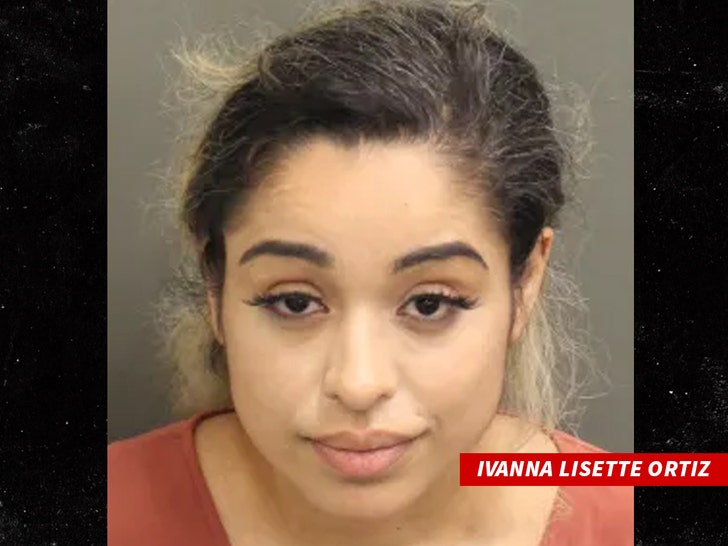
Ivanna Lisette Ortiz, the woman facing charges of attempted murder for allegedly firing upon the residence of global superstar Rihanna, is now at significant risk of losing her professional license to practice speech-language pathology in California. This development adds a severe professional dimension to the already grave criminal allegations, highlighting the comprehensive legal and ethical ramifications for individuals in licensed healthcare professions accused of serious felonies.
Allegations of a Violent Incident at Rihanna’s Home
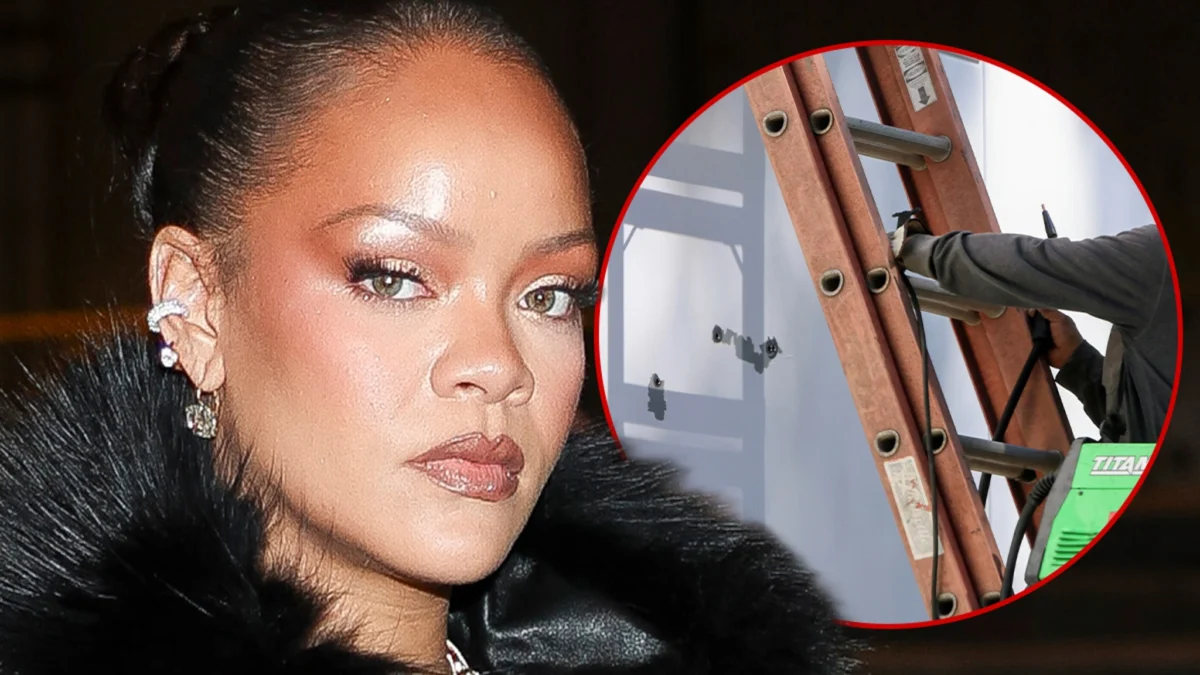
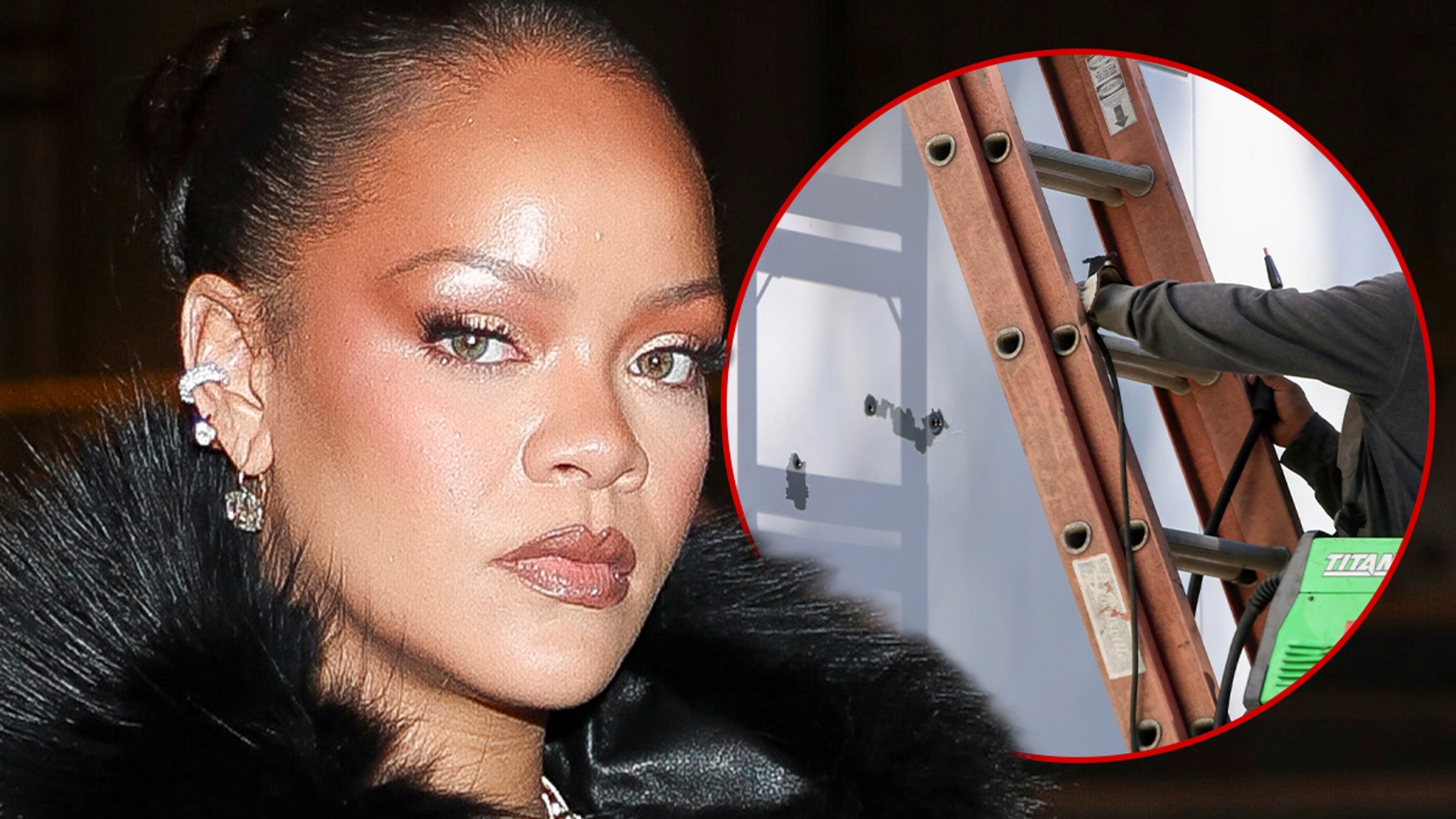
The incident that precipitated these charges occurred on March 10, 2026, when Ivanna Lisette Ortiz is accused of discharging multiple rounds from an AR-15 style rifle at Rihanna’s Beverly Hills residence. Reports indicate that Rihanna, whose full name is Robyn Rihanna Fenty, along with her children, were inside the home at the time of the alleged attack. The gravity of the situation is underscored by the specific charges filed against Ortiz: one count of attempted murder, ten counts of assault with a semiautomatic firearm, and three counts of shooting at an inhabited dwelling. These charges reflect a profound threat to life and property, carrying potentially lengthy prison sentences upon conviction.
The details of the alleged assault paint a disturbing picture. The use of a high-powered weapon like an AR-15 style rifle against an occupied home suggests a calculated and dangerous act. Law enforcement agencies quickly initiated an investigation following the incident, leading to Ortiz’s arrest and subsequent charging. While the motive behind the alleged attack has not been extensively detailed in public records, the sheer scale of the charges underscores the perceived intent and danger involved. Such an event naturally raises significant security concerns for public figures and underscores the vulnerability even high-profile individuals can face.
Professional Licensing Under Scrutiny
Beyond the immediate criminal proceedings, Ortiz’s professional standing as a speech-language pathologist (SLP) has come under intense scrutiny. According to legal documents obtained by TMZ, prosecutors in California have confirmed that Ortiz holds a valid license to practice in the state. This revelation has prompted swift action from a member of the board responsible for overseeing speech-language pathology and audiology licensing, who has formally requested that Ortiz be barred from practicing her profession should she be released from custody.
The California Speech-Language Pathology and Audiology Board (SLPAB) is the regulatory body tasked with protecting the public by ensuring that licensed professionals adhere to strict standards of competency and ethical conduct. SLPAB’s mandate includes issuing licenses, investigating complaints, and taking disciplinary action when necessary. The board’s potential intervention in Ortiz’s case is a standard procedure when a licensee faces serious criminal allegations that could impact their fitness to practice or pose a risk to the public.
Ortiz obtained her speech-language pathology license in April 2016, and it is currently valid until June 2027. Speech-language pathologists play a crucial role in healthcare, diagnosing and treating communication and swallowing disorders across all age groups. Their work often involves vulnerable populations, including children, the elderly, and individuals with disabilities. Consequently, the profession demands a high degree of trust, ethical integrity, and sound judgment. An individual facing charges of attempted murder, assault with a deadly weapon, and shooting at an inhabited dwelling could be seen as having severely compromised these fundamental requirements.
The Role of a Speech-Language Pathologist and Ethical Obligations
To fully appreciate the implications of the board’s request, it’s important to understand the scope and ethical underpinnings of speech-language pathology. SLPs work in diverse settings, including hospitals, schools, private clinics, and rehabilitation centers. They help patients with a wide range of issues, such as articulation disorders, fluency disorders (stuttering), voice disorders, language comprehension and expression difficulties, cognitive-communication disorders, and dysphagia (swallowing disorders). The nature of their work requires close interaction with patients, often involving sensitive personal information and direct physical contact, particularly in swallowing therapy or oral motor exercises.
The American Speech-Language-Hearing Association (ASHA), the national professional, scientific, and credentialing association for audiologists, speech-language pathologists, and speech, language, and hearing scientists, outlines a comprehensive Code of Ethics that all practitioners are expected to uphold. This code emphasizes principles such as safeguarding the welfare of persons served professionally, maintaining professional competence, honoring responsibility to the public, and upholding the dignity and autonomy of the professions. Acts of violence, particularly those involving attempted murder and the use of firearms, stand in stark contrast to these ethical tenets and raise profound questions about an individual’s judgment, stability, and suitability for a position of public trust.
The potential loss of a professional license is not merely a consequence of a criminal conviction; it can often be initiated much earlier in the legal process, especially when the alleged crimes are severe and demonstrate a clear disregard for public safety or professional ethics. Licensing boards typically have provisions to suspend or revoke licenses based on arrests, indictments, or even credible accusations of serious misconduct, even before a criminal trial concludes. This proactive approach is designed to protect the public from potential harm while the legal process unfolds.
Legal Proceedings and Arraignment
Ivanna Lisette Ortiz is scheduled for her arraignment on Wednesday morning. An arraignment is a critical stage in the criminal justice process where the defendant is formally read the charges against them and is asked to enter a plea (guilty, not guilty, or no contest). It is also during this hearing that decisions regarding bail are typically made.
Prosecutors and the board member are advocating that if Ortiz is released on bail or her own recognizance, a specific condition of her release should be that she is prohibited from working with the public as a speech-language pathologist. This condition would be a protective measure, preventing her from engaging in her profession while the serious criminal charges against her are pending. Such a request is not uncommon in cases where the alleged crime directly impacts a professional’s ability to safely and ethically perform their duties. The court will weigh various factors when considering bail and any associated conditions, including the severity of the charges, the defendant’s flight risk, and the potential danger to the community.
The court’s decision on bail and the imposition of conditions will have immediate ramifications for Ortiz’s ability to continue her professional practice. Even if she were to be released, a court-ordered prohibition would effectively suspend her professional activities, regardless of the ultimate outcome of the criminal trial. This pre-conviction intervention by a licensing board or the court underscores the seriousness with which the justice system and professional bodies view such allegations.
Broader Implications and Public Trust
This case extends beyond the individual consequences for Ivanna Lisette Ortiz and touches upon broader issues of public trust in licensed professionals. When a healthcare professional, entrusted with the care and well-being of others, is accused of such violent acts, it can erode public confidence in the profession as a whole. Licensing boards exist precisely to mitigate this erosion of trust by ensuring that practitioners meet stringent standards of character, competence, and ethics.
The swift action by the SLPAB member demonstrates the board’s commitment to its primary mission of public protection. Allowing someone accused of attempted murder to continue working with vulnerable populations, even under supervision, would be seen as a dereliction of that duty. The implications for Ortiz are severe, potentially leading to the permanent revocation of her license if she is convicted, effectively ending her career in speech-language pathology. Even an acquittal in the criminal case might not automatically restore her license, as licensing boards often have lower evidentiary standards for disciplinary actions compared to criminal courts. They can act based on "preponderance of evidence" rather than "beyond a reasonable doubt."
Furthermore, the high-profile nature of the alleged victim, Rihanna, amplifies the public scrutiny of this case. Celebrity-related incidents often draw significant media attention, bringing the details of the charges and the professional implications into sharper focus. This increased visibility serves as a stark reminder of the responsibilities that come with holding a professional license and the severe consequences for those who allegedly breach both criminal law and professional ethical codes.
Conclusion
As Ivanna Lisette Ortiz prepares for her arraignment, the legal and professional paths ahead appear fraught with challenges. The allegations of attempted murder and assault with a semiautomatic firearm are profoundly serious, threatening her freedom and her future. Simultaneously, the proactive stance taken by the California Speech-Language Pathology and Audiology Board highlights the dual accountability faced by licensed professionals. The board’s request to bar her from practicing if released on bail underscores the ethical imperative to protect the public and maintain the integrity of the speech-language pathology profession. The outcome of her arraignment and subsequent legal proceedings will not only determine her fate within the criminal justice system but also irrevocably shape her professional future, setting a precedent for how such grave allegations are addressed within licensed healthcare fields. The case serves as a poignant illustration of the intricate interplay between individual actions, criminal law, and professional accountability.