


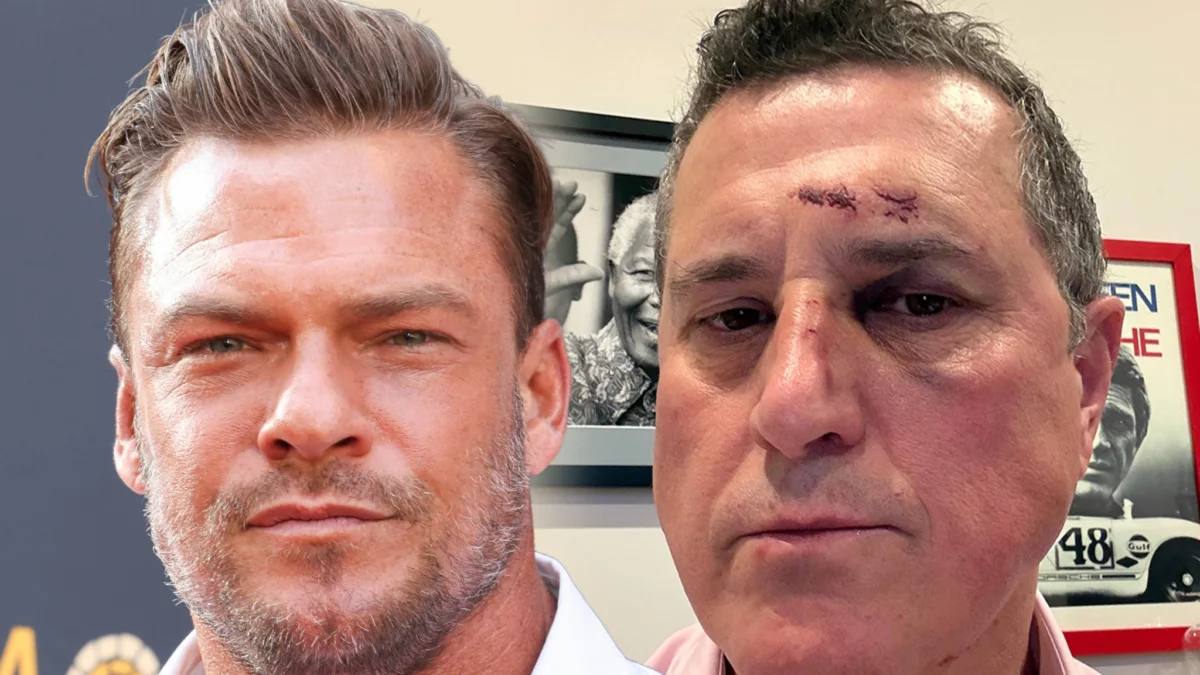
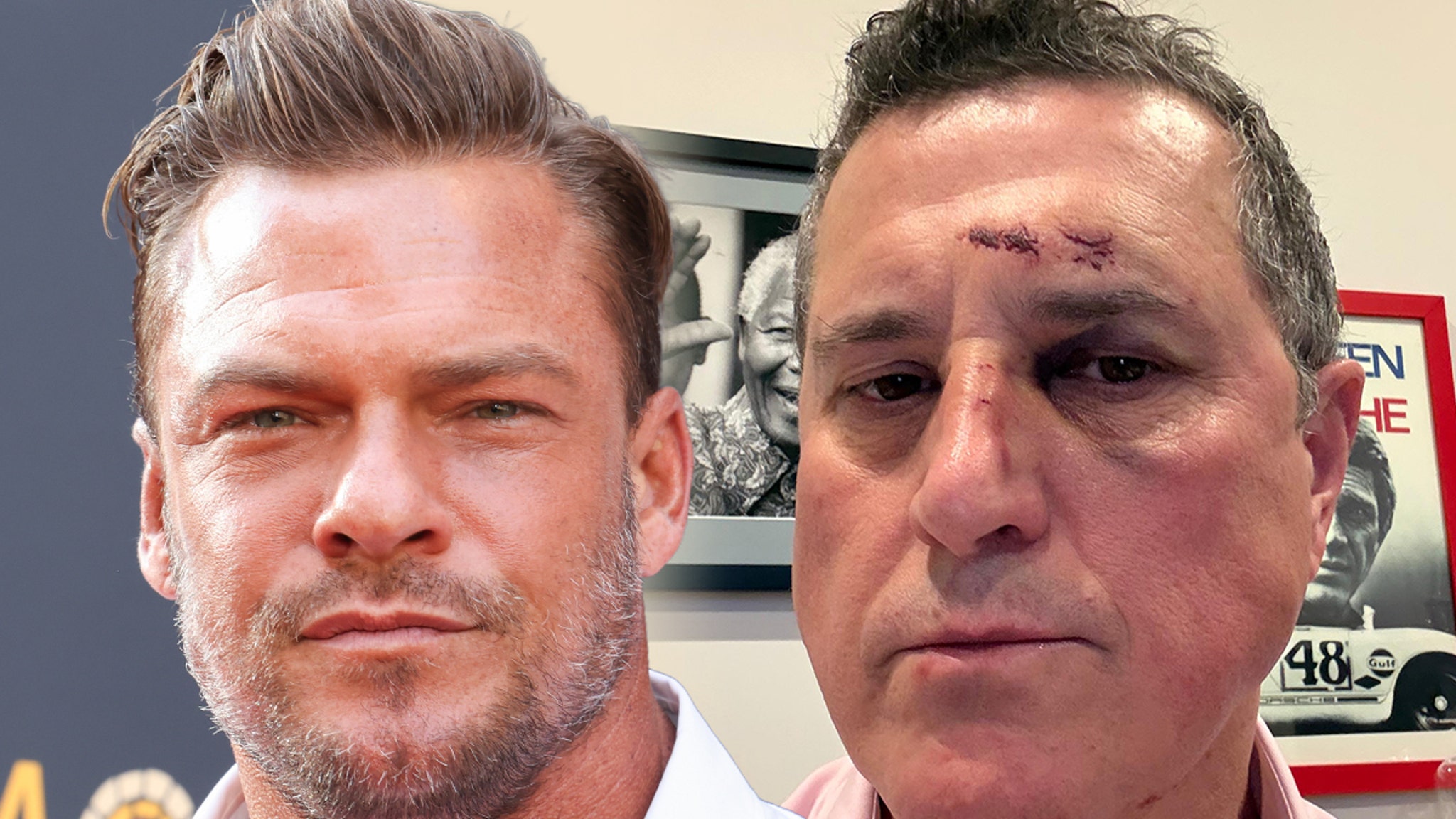
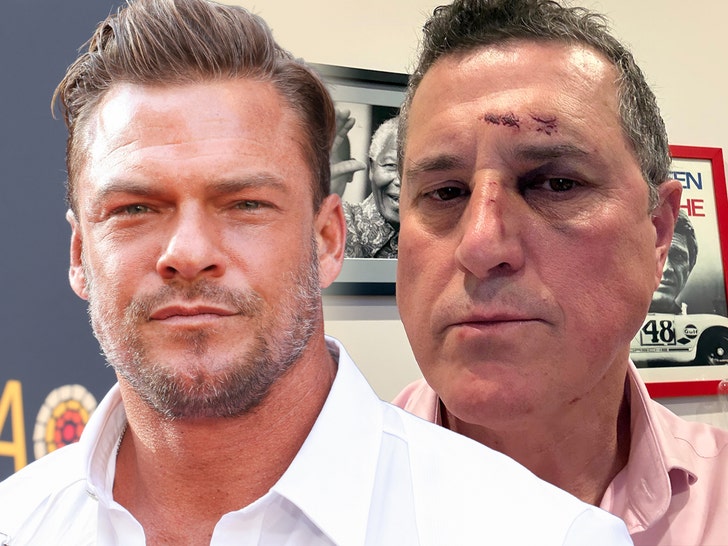
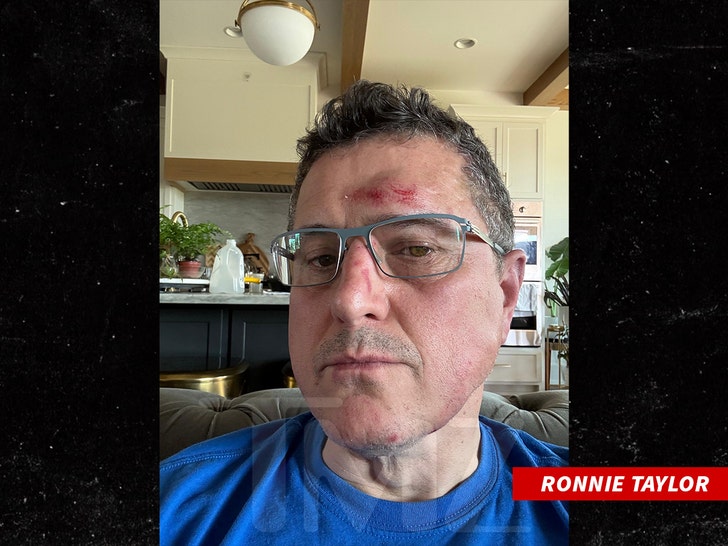
Ronnie Taylor, the Brentwood, Tennessee resident involved in a highly publicized altercation with "Reacher" star Alan Ritchson, has reportedly become the target of a barrage of death threats and severe harassment from individuals identifying as fans of the actor. Taylor claims to have received over 100 menacing communications, including text messages and phone calls, since the video-recorded incident went viral, escalating what was already a contentious neighborhood dispute into a concerning episode of online vigilantism.
The alarming threats, detailed by Taylor in recent interviews, underscore a growing phenomenon where intense fan loyalty, particularly within the digital sphere, can morph into aggressive and potentially dangerous behavior directed at perceived adversaries of public figures. The incident highlights the thin line between fervent support and outright harassment, posing significant challenges for both victims and the platforms where such sentiments are amplified.
The Genesis of the Conflict: A Neighborhood Confrontation
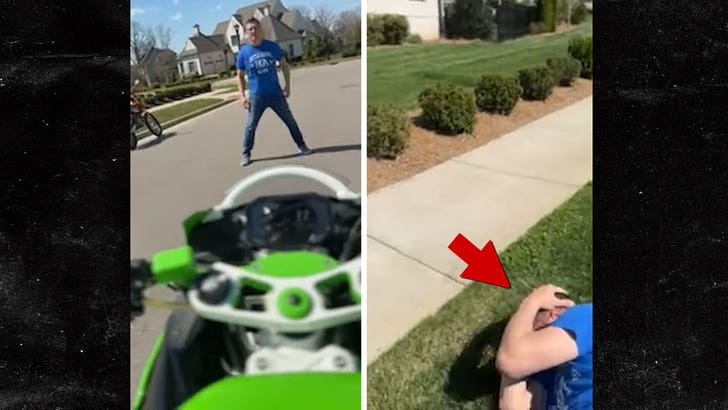
The initial confrontation unfolded last Sunday, March 23, 2026, in the upscale Brentwood neighborhood shared by both Taylor and Ritchson. According to initial reports and subsequently released bodycam footage from the Brentwood Police Department, Taylor deliberately stepped in front of Ritchson’s motorcycle. Taylor’s stated intention was to intercept the actor, whom he accused of speeding excessively through their residential area, posing a perceived danger to the community.
This intervention quickly escalated into a physical altercation. Ritchson, known for his imposing physique and portrayal of the formidable Jack Reacher in the Amazon Prime Video series, reportedly engaged Taylor in a physical confrontation. The incident culminated in Taylor sustaining what he described as a "major ass-whoopin’," a phrase that has since been widely circulated.
Following an investigation, the Brentwood Police Department determined that Alan Ritchson had acted in self-defense. Consequently, no formal charges were brought against the actor, effectively closing the criminal aspect of the initial incident and seemingly vindicating Ritchson’s actions in the eyes of the law. This official ruling, however, did little to quell the brewing storm online.
A Torrent of Threats: The Digital Aftermath
In the days following the altercation and the police’s decision, Ronnie Taylor’s situation has taken a perilous turn. He reports an onslaught of threatening communications, primarily via text messages and anonymous phone calls from blocked numbers. These messages, as recounted by Taylor, range from graphic threats of physical violence to deeply personal attacks aimed at his family life.
Among the specific threats Taylor detailed, one caller from a blocked number allegedly stated they "couldn’t wait for Ronnie to stand in front of his motorcycle so he could watch Ronnie breathe out of a tube," implying severe, life-altering injury. Another anonymous caller reportedly threatened to put Taylor in a wheelchair.
The text messages paint an even darker picture of the vitriol directed at Taylor. One message chillingly read, "Die, die, die." A second, particularly egregious text delved into deeply personal territory, stating, "I hope your wife divorces you and your kids never speak to you again and you die a horrible death." These threats indicate a level of malice that extends beyond simple disagreement, venturing into dangerous territory that could constitute criminal harassment or even incitement to violence.
The "Reacher" Effect: Fan Loyalty and Parasocial Relationships
The intensity of the backlash against Ronnie Taylor can be partially attributed to the powerful connection fans feel with Alan Ritchson, largely fueled by his role as Jack Reacher. The character of Reacher is depicted as an uncompromising, physically dominant vigilante who often takes matters into his own hands when he perceives injustice. Ritchson’s portrayal has garnered immense popularity, resonating with an audience that admires Reacher’s sense of justice and his ability to dispense it swiftly and decisively.
This strong identification can lead to what psychologists term "parasocial relationships," where viewers develop a one-sided emotional bond with a media figure, often perceiving them as a friend or an idealized hero. When such a figure is perceived to be wronged, some fans may feel a personal affront and react with disproportionate anger, seeing themselves as defenders of their idol. The real-life incident, where Ritchson was deemed to have acted in self-defense, aligns with the Reacher persona, potentially emboldening some fans to view Taylor as a deserving target for their ire.
Experts in media studies and social psychology often point to the anonymity and perceived distance of online platforms as factors that lower inhibitions, allowing individuals to express sentiments they might never voice in face-to-face interactions. This "online disinhibition effect" can transform a relatively contained incident into a global spectacle, where the court of public opinion, often driven by extreme voices, overshadows legal outcomes and personal boundaries.
Legal Ramifications and the Challenge of Enforcement
Ronnie Taylor confirmed that he sought informal advice from a police officer regarding the threats. The officer reportedly advised him to file a formal complaint if he felt genuinely concerned for his safety. However, Taylor has, for now, opted against filing an official police report, characterizing the perpetrators as "just trolls." This decision, while understandable given the overwhelming nature of online harassment, highlights a common dilemma faced by victims: determining when online vitriol crosses the line from mere trolling to actionable threats.
Legally, the threshold for what constitutes a credible threat can vary by jurisdiction. Generally, a threat must be specific, convey intent to harm, and cause a reasonable person to fear for their safety. While "Die, die, die" is explicit, the anonymity of the callers and texters makes identification and prosecution challenging. Law enforcement agencies often struggle to trace anonymous online harassers, especially when they use blocked numbers, virtual private networks (VPNs), or encrypted messaging services.
Moreover, the sheer volume of threats can be daunting. Investigating over 100 individual instances would require significant resources, and proving direct intent or the capacity to carry out harm for each could be an arduous legal battle. This practical difficulty often leads victims like Taylor to feel that official action might be futile, or that engaging with law enforcement would only prolong their ordeal.
Broader Implications: Celebrity Responsibility and Online Vigilantism
This incident raises important questions about the responsibility of public figures and the platforms that host their content. While Alan Ritchson himself has not been implicated in encouraging the threats, the actions of his fervent fanbase indirectly reflect on his public image and the brand he represents. In similar situations, celebrities or their representatives have often issued statements condemning harassment and urging respectful behavior from their followers. Such statements, while not always preventing all malicious acts, can signal that such behavior is not endorsed and may help to de-escalate online aggression.
Amazon Prime Video and Skydance Television, the entities behind "Reacher," also bear a broader responsibility in fostering a healthy fan community. While they cannot control individual fan behavior, they could consider campaigns or policies that promote positive engagement and discourage harassment, especially given the intense, action-oriented nature of the "Reacher" series that might attract a more zealous segment of the audience.
The phenomenon of online vigilantism, where anonymous users take it upon themselves to "punish" individuals they deem to have wronged a public figure, is a dangerous trend. It bypasses due process, relies on incomplete or biased information, and often results in disproportionate and harmful attacks on individuals. This incident serves as a stark reminder of how easily digital platforms can be weaponized, turning a local dispute into a global platform for harassment and potential incitement to violence.
A Precedent for Caution?
While Ronnie Taylor has not yet filed a formal police report, the situation remains fluid. Should the threats escalate, or should Taylor decide that his safety or the safety of his family is genuinely compromised, a formal complaint could lead to a full investigation. Law enforcement, in such cases, would likely employ digital forensics to attempt to trace the origin of the threats, potentially involving telecommunication companies and internet service providers.
The outcome of such an investigation could set an important precedent for how online harassment stemming from celebrity-related incidents is handled. It could also prompt a broader discussion within the entertainment industry about the ethical responsibility of cultivating fan bases and managing the potential for extreme behavior.
For now, Ronnie Taylor continues to navigate the unsettling reality of being a target in the digital age, a consequence of a neighborhood squabble that spiraled into a much larger, more menacing ordeal. The incident serves as a cautionary tale about the power of online communities, the intensity of celebrity fandom, and the profound impact of digital vitriol on real lives. As the situation develops, the focus remains on the safety of individuals and the ongoing challenge of curbing online harassment in an increasingly interconnected world.