


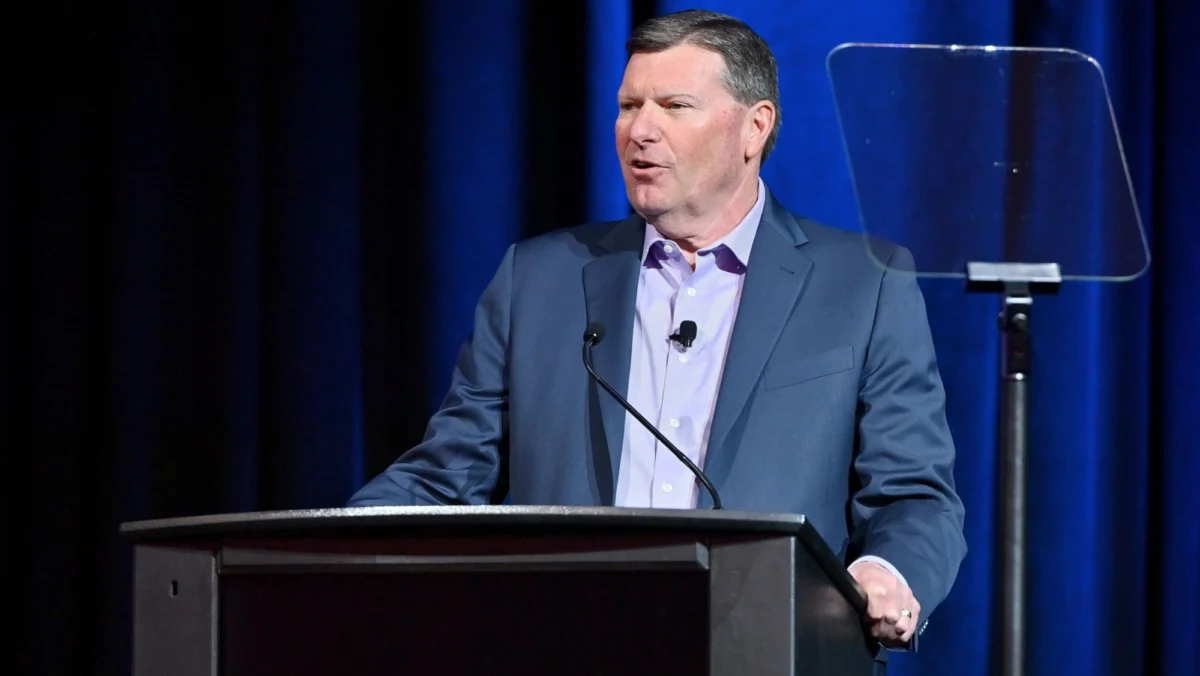
The departure of Ray Nutt, Chief Executive Officer of Fathom Entertainment, the prominent specialty distributor jointly owned by major theater chains AMC Entertainment, Cinemark Holdings, and Regal Cinemas (a subsidiary of Cineworld), signals a significant transition for the company after his impactful nine-year leadership. Nutt announced his decision to retire from his full-time executive role, effective immediately, while also confirming his participation in the search for his successor, a process already underway. His departure comes at a crucial juncture for Fathom, which has solidified its position as a dominant force in delivering diverse alternative content to cinematic screens nationwide.
A Decade of Transformative Leadership in Alternative Exhibition
Ray Nutt’s tenure, commencing in 2017, saw Fathom Entertainment evolve from a niche events-based distributor to a powerhouse in the broader theatrical marketplace for event cinema. In a statement released on Wednesday, Nutt articulated his perspective on the timing: “Now is the right time for me to begin the process of stepping down from a full-time executive role and transition to retirement, while also an opportune inflection point in the history of Fathom Entertainment to find its next leader.” This statement underscores a strategic vision, suggesting that Fathom is poised for its next phase of growth, necessitating new leadership to navigate an increasingly dynamic entertainment landscape.
Nutt’s journey with Fathom began even before his CEO appointment. He served on the company’s board of directors, concurrently holding the position of senior vice president of business relations at what was then Regal Entertainment Group, now Regal Cineworld. This foundational understanding of both exhibition and Fathom’s unique operational model provided him with unparalleled insight into the company’s potential and challenges when he took the helm. His leadership has been widely credited with not only expanding Fathom’s reach and content offerings but also in strengthening its operational backbone, ensuring seamless delivery of often complex live and pre-recorded events to thousands of screens across the United States.
The Genesis and Evolution of Fathom Entertainment
To fully appreciate Nutt’s contributions, it is essential to understand the unique origins and strategic imperative behind Fathom Entertainment. The company was founded out of a collective need by major cinema chains to diversify their revenue streams and optimize the utilization of their vast network of screens, particularly during off-peak hours when traditional blockbuster programming was less prevalent. The concept was simple yet revolutionary: transform cinema auditoriums into versatile venues capable of hosting a wide array of content beyond mainstream Hollywood releases. This "alternative content" strategy sought to tap into niche audiences and provide unique, communal viewing experiences that could not be replicated at home.
Initially known as Fathom Events, the Colorado-based entity emerged as a pioneer in delivering live satellite broadcasts of performing arts, such as opera from the Metropolitan Opera and ballets, as well as concerts, sporting events, and classic film re-releases. The underlying premise was to leverage existing theatrical infrastructure – high-quality projection, immersive sound systems, and comfortable seating – to create premium experiences for specific demographics. This model offered a symbiotic relationship: exhibitors gained incremental revenue and attracted new audiences, while content providers accessed a national distribution network and a dedicated, engaged viewership.
Under Nutt’s guidance, the rebranding from "Fathom Events" to "Fathom Entertainment" was more than a cosmetic change; it represented a strategic pivot. This re-articulation reflected a broader mandate to be seen not merely as an organizer of one-off events but as a comprehensive specialty distributor, actively curating and marketing a diverse portfolio of entertainment options. This shift allowed Fathom to expand its partnerships with content creators, moving beyond traditional live arts to encompass a wider spectrum including anime features, faith-based films, documentaries, Broadway show captures, and even esports tournaments. This diversification has been critical in solidifying Fathom’s market position and enhancing its resilience against fluctuating trends in mainstream cinema.
Key Milestones and Strategic Growth Under Ray Nutt
During his nearly decade-long tenure, Ray Nutt oversaw a period of significant expansion and innovation for Fathom Entertainment. His leadership was instrumental in several key areas:
- Content Diversification and Acquisition: Nutt championed an aggressive strategy to broaden Fathom’s content catalog. This included forging new partnerships with anime distributors like Crunchyroll, which brought highly successful titles such as "Demon Slayer: Kimetsu no Yaiba – To the Hashira Training" and "Dragon Ball Super: Super Hero" to U.S. screens, attracting a passionate and often younger demographic. Similarly, Fathom became a significant platform for faith-based films, offering a theatrical window for movies like "The Chosen" and other inspirational content, which consistently draw dedicated audiences. The expansion also saw an increase in classic film anniversary re-releases, providing nostalgic experiences for older audiences and introducing cinematic masterpieces to new generations.
- Technological Advancement: The seamless delivery of live events, often across thousands of screens simultaneously, requires robust technological infrastructure. Nutt’s team continuously invested in and refined Fathom’s satellite and digital distribution capabilities, ensuring high-quality, reliable broadcasts. This technological prowess became even more critical during the early days of the COVID-19 pandemic, when cinemas faced unprecedented closures and then sought innovative ways to reopen safely with diverse programming.
- Strengthening Exhibitor Relationships: As CEO of a company jointly owned by its largest clients, Nutt navigated the delicate balance of serving the interests of AMC, Cinemark, and Regal, while also expanding Fathom’s reach to independent theaters and smaller chains. His deep understanding of the exhibition business, stemming from his Regal background, proved invaluable in fostering collaborative relationships and ensuring Fathom’s offerings were tailored to the operational realities and audience needs of its partner cinemas.
- Navigating Industry Headwinds: The entertainment industry, particularly theatrical exhibition, has faced immense challenges over the past decade, from the rise of streaming services to the catastrophic impact of the pandemic. Under Nutt’s leadership, Fathom demonstrated remarkable adaptability. During the pandemic-induced shutdowns, Fathom pivoted to support virtual cinema initiatives where possible and played a crucial role in the phased reopening of theaters by providing unique, often pre-recorded, content that could draw audiences back while blockbuster pipelines were stalled. This strategic agility helped Fathom and its partners weather significant storms.
Supporting Data and Market Impact
Fathom Entertainment’s impact on the theatrical exhibition landscape is substantial, even if its individual event box office figures do not rival those of tentpole blockbusters. The alternative content market, in which Fathom is a leading player, has shown consistent growth, becoming an increasingly vital component of cinema operators’ revenue strategies. While precise consolidated financial data for Fathom is not publicly disclosed, industry reports and analyst observations consistently highlight its importance.
According to various industry estimates, event cinema and alternative content can account for a significant percentage of box office revenue for participating theaters, particularly during weekdays or specific seasonal windows. For instance, a highly successful anime or faith-based Fathom event can gross millions of dollars over a limited engagement, providing a substantial boost to the weekly box office for thousands of screens. The average ticket price for Fathom events is often higher than traditional movies, reflecting the premium nature of the content and experience, further enhancing revenue per patron.
Moreover, Fathom’s programming helps address the perennial challenge of filling seats during periods when major studio releases are scarce. By offering a diverse calendar of events, Fathom ensures a steady stream of unique attractions, keeping cinemas active and engaging their local communities. This strategy not only generates direct revenue but also drives concession sales, which are crucial profit centers for exhibitors. The specific demographics drawn by Fathom events often represent different audience segments than those attending traditional Hollywood films, thereby expanding the overall market for theatrical experiences rather than simply cannibalizing existing audiences. For example, older demographics are often drawn to opera or classic film re-releases, while younger audiences flock to anime or gaming events. This broad appeal makes Fathom a powerful tool for audience diversification.
Official Tributes and Industry Perspectives
The statements from the CEOs of Fathom’s owning companies underscore the high regard for Ray Nutt’s leadership and the strategic value of Fathom Entertainment.
Adam Aron, Chairman and CEO of AMC Entertainment, lauded Nutt’s contributions: “Ray Nutt’s longtime leadership of Fathom Entertainment has delivered meaningful benefits to AMC, the broader theatrical exhibition industry, and, most importantly, moviegoers nationwide. Under his direction, Fathom has further strengthened its position as the leading force in alternative theatrical experiences, broadening the scope of content available to AMC guests.” Aron’s remarks highlight the dual benefit Fathom provides: direct financial contributions to AMC and a broader enrichment of the cinematic experience for patrons.
Eduardo Acuna, CEO of Regal Cineworld, and Sean Gamble, President and CEO of Cinemark, echoed similar sentiments, paying tribute to Nutt’s vision and execution. Their unified praise reflects the consensus among the exhibition giants that Fathom, under Nutt, has not only met its mandate but has exceeded expectations, becoming an indispensable asset in the evolving theatrical landscape.
Industry analysts are likely to view Nutt’s retirement as a natural transition point for a well-established entity. "Ray Nutt has successfully steered Fathom through a period of immense change, cementing its role as a vital player in exhibition," stated a hypothetical industry observer. "The next leader will inherit a robust platform, but also the challenge of continuing innovation in a market constantly redefined by technology and audience preferences. Fathom’s ability to consistently deliver unique, communal experiences remains its core strength."
Content partners, from opera companies to classic film studios, would likely express gratitude for Fathom’s reliable distribution network. A representative from a major content provider might comment, "Fathom has been an invaluable partner, allowing us to reach audiences in a way traditional distribution often cannot. Ray built a highly professional and effective team, and we anticipate a smooth transition that maintains Fathom’s high standards."
Broader Impact and Implications for the Future
Ray Nutt’s departure marks an “opportune inflection point,” as he noted, for Fathom Entertainment and potentially for the broader event cinema sector. The search for his replacement will be critical, as the new CEO will be tasked with navigating a complex future characterized by both immense opportunities and evolving challenges.
Challenges and Opportunities for the Next CEO:
- Content Innovation: The market for alternative content is becoming more crowded. The next leader will need to continually identify new genres, formats, and partnerships to keep Fathom’s offerings fresh and compelling. This could involve deeper dives into interactive cinema, virtual reality experiences, or even more localized content tailored to specific markets.
- Technological Evolution: Advancements in streaming technology, virtual production, and immersive viewing experiences present both competition and opportunities. Fathom’s next CEO will need to explore how these technologies can enhance the theatrical event experience, potentially integrating elements that bridge the gap between live and digital.
- Audience Engagement in a Hybrid World: Post-pandemic, audience habits are still in flux. While the desire for communal experiences remains strong, consumers have also grown accustomed to high-quality at-home entertainment. The new CEO must strategize how to continuously draw audiences away from their living rooms for Fathom events, emphasizing the unique value proposition of the theatrical setting.
- Global Expansion: While Fathom has primarily focused on the U.S. market, there may be opportunities for international expansion or partnerships, leveraging its proven distribution model in other territories.
- Economic Pressures: The ongoing economic pressures facing the cinema industry, including fluctuating attendance and the need for efficient operations, will require astute financial management and strategic planning from the incoming leader.
For the exhibition industry as a whole, Fathom Entertainment represents a crucial diversification strategy. In an era where blockbuster theatrical windows are shrinking and streaming platforms are dominant, event cinema provides a compelling reason for audiences to visit theaters. It offers content that often transcends traditional moviegoing demographics and can fill screens during periods that would otherwise be underutilized. Fathom’s continued success is therefore inextricably linked to the financial health and cultural relevance of its owning cinema chains and the wider exhibition sector.
The board’s search for a successor will likely focus on candidates with a strong background in distribution, content acquisition, live event production, and a deep understanding of the theatrical exhibition ecosystem. Experience in digital strategy and a proven track record of innovation will also be paramount. The goal will be to find a leader who can not only maintain Fathom’s current trajectory but also propel it into new frontiers, ensuring its continued growth and relevance in a rapidly changing entertainment landscape. Ray Nutt leaves behind a robust and dynamic organization, setting the stage for his successor to build upon a solid foundation and chart Fathom Entertainment’s next chapter of success.